- 0086-571-85302990
- [email protected]




Rhodiola Rosea Extract: Complete Guide to Adaptogenic Stress Relief, Cognitive Performance & B2B Sou
2026-11-23
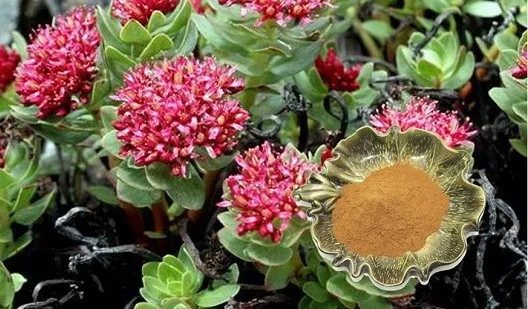
Table of Contents
What Is Rhodiola Rosea and Why Is It Called the "Golden Root"?
Rhodiola rosea, commonly known as golden root or arctic root, is a perennial flowering plant that thrives in cold, high-altitude regions of Europe and Asia, including the mountains of Central Asia, Siberia, and Scandinavia. For centuries, traditional medicine systems in Russia, Scandinavia, and China have used Rhodiola rosea root to enhance physical endurance, mental resilience, and overall vitality.
Today, Rhodiola rosea extract is one of the most extensively researched adaptogenic herbs in the world. Modern science has confirmed that this remarkable plant helps the body adapt to physical, chemical, and biological stressors while supporting cognitive function, energy metabolism, and emotional well-being.
As a leading natural plant extract manufacturer, Greensky Bio produces high-quality Rhodiola rosea extract standardized to key active compounds, ensuring consistent potency and bioavailability for B2B customers worldwide.
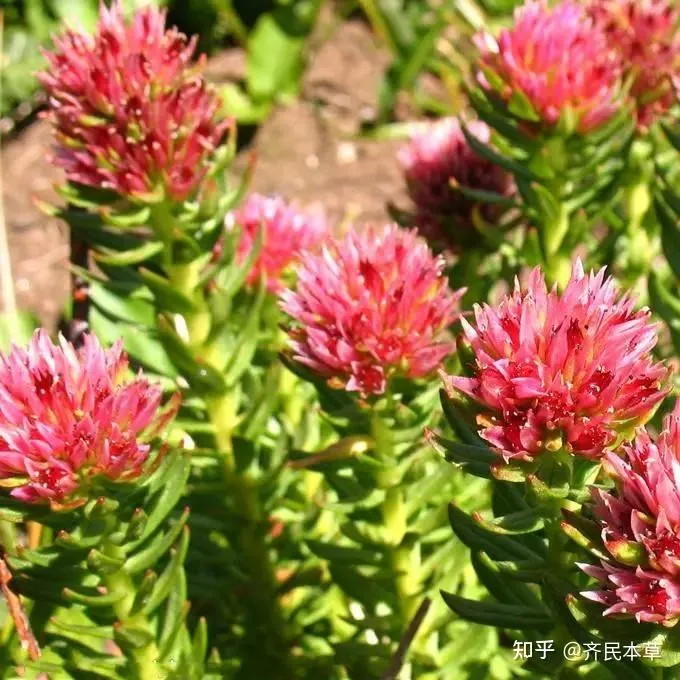
Active Compounds: Rosavins, Salidroside, and the Chemistry of Adaptation
The therapeutic properties of Rhodiola rosea extract are attributed to a complex matrix of bioactive compounds. The most clinically significant include:
Rosavins (Rosavin, Rosin, Rosarin): Unique phenylpropanoid glycosides found almost exclusively in Rhodiola rosea. These compounds are the primary markers used for standardization and are associated with anxiolytic and antidepressant effects.
Salidroside (Rhodioloside): A phenylethanoid glycoside with potent antioxidant, neuroprotective, and immunomodulatory properties. Salidroside is considered one of the most pharmacologically active constituents.
Tyrosol: A phenolic antioxidant that works synergistically with salidroside to combat oxidative stress and support cellular energy production.
Flavonoids: Including rhodiolin, rhodionin, and rhodiosin, which contribute to the extract's antioxidant and anti-inflammatory activity.
Phenolic acids: Such as gallic acid and chlorogenic acid, providing additional free radical scavenging capacity.
The optimal therapeutic effect is achieved when these compounds work in synergy. This is why full-spectrum Rhodiola rosea extract often demonstrates superior efficacy compared to isolated single-compound supplements.
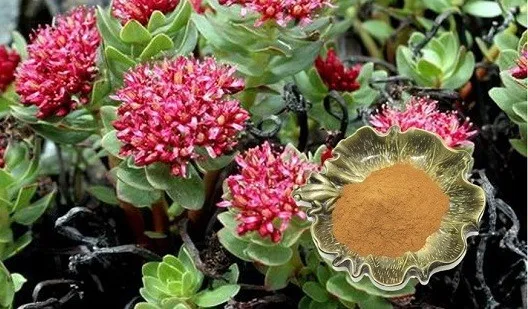
How Rhodiola Rosea Works: Mechanisms of Stress Adaptation
Rhodiola rosea extract exerts its adaptogenic effects through multiple interconnected biological pathways:
HPA Axis Modulation: The hypothalamic-pituitary-adrenal (HPA) axis is the body's central stress response system. Rhodiola rosea helps regulate cortisol production, preventing the excessive cortisol spikes associated with chronic stress while maintaining adequate levels for normal physiological function.
Neurotransmitter Regulation: Rhodiola rosea influences key neurotransmitter systems, including serotonin, dopamine, and norepinephrine. It inhibits monoamine oxidase (MAO) enzymes, particularly MAO-A and MAO-B, leading to increased availability of these mood-regulating neurotransmitters in the synaptic cleft.
Nitric Oxide Pathway: Research has shown that Rhodiola rosea modulates nitric oxide (NO) production, which plays a crucial role in vasodilation, cellular energy metabolism, and the stress response cascade.
Cellular Energy Enhancement: Salidroside activates AMP-activated protein kinase (AMPK), a master regulator of cellular energy homeostasis. This leads to improved mitochondrial function and increased ATP production, translating to enhanced physical and mental stamina.
Antioxidant Defense: The polyphenolic compounds in Rhodiola rosea activate the Nrf2 pathway, upregulating endogenous antioxidant enzymes including superoxide dismutase (SOD), catalase, and glutathione peroxidase.
Clinical Evidence for Fatigue Reduction and Mental Performance
Numerous peer-reviewed clinical trials have validated the efficacy of Rhodiola rosea extract:
Fatigue and Burnout: A landmark double-blind, placebo-controlled study published in Phytomedicine (2009) demonstrated that participants taking 576 mg/day of standardized Rhodiola rosea extract (SHR-5) experienced significant improvements in burnout scores, attention, and cognitive performance within just two weeks.
Mental Performance Under Stress: Research published in the journal Neuropsychobiology (2000) showed that Rhodiola rosea extract significantly improved mental work capacity, concentration, and cognitive processing speed in physicians working night shifts — a model of fatigue-induced cognitive impairment.
Exercise Performance: Multiple studies have demonstrated that Rhodiola rosea supplementation improves exercise capacity, reduces perceived exertion, and accelerates recovery time. A study in the Journal of the International Society of Sports Nutrition found significant improvements in endurance performance among trained athletes.
Mood and Anxiety: Clinical trials have shown that Rhodiola rosea extract produces statistically significant reductions in symptoms of mild to moderate anxiety and depression, with a favorable safety profile compared to conventional pharmaceuticals.
Academic Performance: A study involving university students during examination periods demonstrated that Rhodiola rosea supplementation improved cognitive performance, reduced mental fatigue, and enhanced overall academic scores.
Cardiovascular, Immune, and Athletic Performance Benefits
Beyond stress relief and cognitive enhancement, Rhodiola rosea extract offers a range of additional health benefits supported by emerging research:
Cardiovascular Health: Rhodiola rosea has been shown to support healthy blood pressure levels, improve cardiac function, and protect against ischemic heart damage. Salidroside demonstrates cardioprotective effects by reducing oxidative stress in cardiac tissue and improving endothelial function.
Immune System Support: The adaptogenic properties of Rhodiola rosea extend to immune modulation. Clinical research indicates that regular supplementation can enhance natural killer (NK) cell activity and improve the body's resistance to common infections.
Athletic Performance: Athletes increasingly incorporate Rhodiola rosea into their supplementation regimens. Studies demonstrate improvements in time-to-exhaustion, VO2 max, lactate clearance, and post-exercise recovery markers.
Metabolic Support: Emerging research suggests Rhodiola rosea may support healthy glucose metabolism and lipid profiles, making it a valuable ingredient for metabolic health formulations.
Standardization Ratios: 3% Rosavins vs. 1% Salidroside Explained
Understanding standardization ratios is critical when sourcing Rhodiola rosea extract:
3% Rosavins / 1% Salidroside (3:1 ratio): This is the most widely used and clinically validated standardization ratio. Most clinical trials have utilized extracts standardized to this ratio, making it the gold standard for evidence-based formulations. The 3:1 ratio reflects the natural proportion of rosavins to salidroside found in high-quality Rhodiola rosea root.
5% Rosavins / 2.5% Salidroside: Higher potency extracts for specialized applications requiring lower dosages.
10% Salidroside (single-marker standardization): Used when the primary therapeutic focus is on salidroside's specific pharmacological effects, such as neuroprotection and metabolic support.
Full-spectrum extract (no standardization): Preserves the complete phytochemical profile of the raw root, suitable for applications where the natural compound synergy is preferred over standardized potency.
At Greensky Bio, we offer multiple standardization options to meet diverse formulation requirements, with each batch rigorously tested by HPLC to ensure potency consistency.
Applications in Dietary Supplements, Functional Foods, and Cosmetics
Rhodiola rosea extract has versatile applications across multiple industries:
Dietary Supplements: Capsules, tablets, softgels, tinctures, and gummy formulations targeting stress management, cognitive health, energy, and athletic performance. The global adaptogen supplement market is projected to reach USD 14.5 billion by 2028.
Functional Foods and Beverages: Energy drinks, protein bars, wellness shots, and functional teas incorporating Rhodiola rosea for its stress-adapting and energizing properties.
Cosmetics and Skincare: Topical formulations leveraging Rhodiola rosea's antioxidant and anti-inflammatory properties to combat skin aging, reduce oxidative damage, and improve skin barrier function.
Animal Health: Growing interest in incorporating adaptogenic herbs into veterinary and animal nutrition products for stress management in livestock and companion animals.
Quality Indicators: How to Source Premium Rhodiola Rosea Extract
When evaluating Rhodiola rosea extract suppliers, consider these critical quality factors:
Botanical Authentication: Ensure the extract is derived from authentic Rhodiola rosea L. (not Rhodiola crenulata or other species). DNA barcoding and macroscopic/microscopic identification should be employed.
Sustainable Sourcing: Rhodiola rosea is a slow-growing, endangered species in some regions. Responsible suppliers source from cultivated plants or sustainably managed wild populations with appropriate CITES documentation.
Extraction Method: Premium extracts use controlled extraction processes that preserve the full spectrum of active compounds. Ethanol-water extraction at optimized temperatures and ratios yields the most therapeutically complete extract.
Analytical Testing: Comprehensive testing should include HPLC for rosavins and salidroside quantification, heavy metal analysis, pesticide residue screening, microbial testing, and aflatoxin analysis.
Certifications: ISO 22000, BRCGS, GMP, organic, halal, and kosher certifications demonstrate manufacturing quality and regulatory compliance.
Greensky Bio Advantage: With over 20 years of experience in natural plant extract manufacturing, ISO 22000 and BRCGS certifications, and a 100,000-class clean production area, Greensky Bio delivers consistently high-quality Rhodiola rosea extract backed by comprehensive COA documentation and technical support.
Frequently Asked Questions About Rhodiola Rosea Extract
Q: What is the recommended dosage of Rhodiola rosea extract?A: Clinical studies typically use 200–600 mg/day of extract standardized to 3% rosavins and 1% salidroside. The optimal dose depends on the intended application and should be determined in consultation with a healthcare professional.
Q: Is Rhodiola rosea extract safe for long-term use?A: Clinical trials of up to 12 weeks have demonstrated excellent safety profiles. Traditional use spans centuries. Consult a healthcare provider for personalized guidance on extended supplementation.
Q: Can Rhodiola rosea extract be combined with other adaptogens?A: Yes, Rhodiola rosea is commonly combined with Ashwagandha, Ginseng, Holy Basil, and other adaptogens for synergistic stress management and energy support.
Q: What is the difference between Rhodiola rosea and Rhodiola crenulata?A: While both are Rhodiola species, Rhodiola rosea is the most clinically researched variety. Rhodiola crenulata contains different compound profiles and has less clinical validation for adaptogenic effects.
Q: Does Rhodiola rosea extract have stimulant-like side effects?A: Unlike caffeine-based stimulants, Rhodiola rosea works through adaptogenic mechanisms and does not typically cause jitters, crashes, or dependency. Some users may experience mild stimulation at higher doses.
Q: How should Rhodiola rosea extract be stored?A: Store in a cool, dry place away from direct sunlight and moisture. Properly stored extract powder maintains potency for 24 months from the manufacturing date.
Q: Is Rhodiola rosea extract suitable for vegan and vegetarian formulations?A: Yes, Rhodiola rosea extract is plant-derived and suitable for vegan, vegetarian, halal, and kosher formulations.
Q: What regulatory status does Rhodiola rosea have?A: In the United States, Rhodiola rosea is classified as a dietary supplement ingredient (GRAS status for food use). In the European Union, it is approved as a traditional herbal medicinal product. Regulations vary by region — consult local regulatory requirements.
- ▶ Hesperidin
- ▶ Citrus Bioflavonoids
- ▶ Plant Extract
- ▶ lycopene
- ▶ Diosmin
- ▶ Grape seed extract
- ▶ Sea buckthorn Juice Powder
- ▶ Fruit Juice Powder
- ▶ Hops Extract
- ▶ Artichoke Extract
- ▶ Mushroom extract
- ▶ Astaxanthin
- ▶ Green Tea Extract
- ▶ Curcumin
- ▶ Horse Chestnut Extract
- ▶ Other Product
- ▶ Boswellia Serrata Extract
- ▶ Resveratrol
- ▶ Marigold Extract
- ▶ Grape Leaf Extract
- ▶ New Product
- ▶ Aminolevulinic acid
- ▶ Cranberry Extract
- ▶ Red Yeast Rice
- ▶ Red Wine Extract
- ▶ blog
-
Acerola Juice Powder
2026-11-23
-
Genistein
2026-11-23
-
Lemon Juice Powder
2026-11-23
-
Phosphatidylserine
2026-11-23
-
Panax Ginseng Leaf Extract
2026-11-23
-
Konjac Powder
2026-11-23
-
Horse Chestnut Extract
2026-11-23
-
Cassia Seed Extract
2026-11-23
-
Chaste Berry Extract
2026-11-23
-
Sophora Japonica Flower Extract
2026-11-23