- 0086-571-85302990
- [email protected]





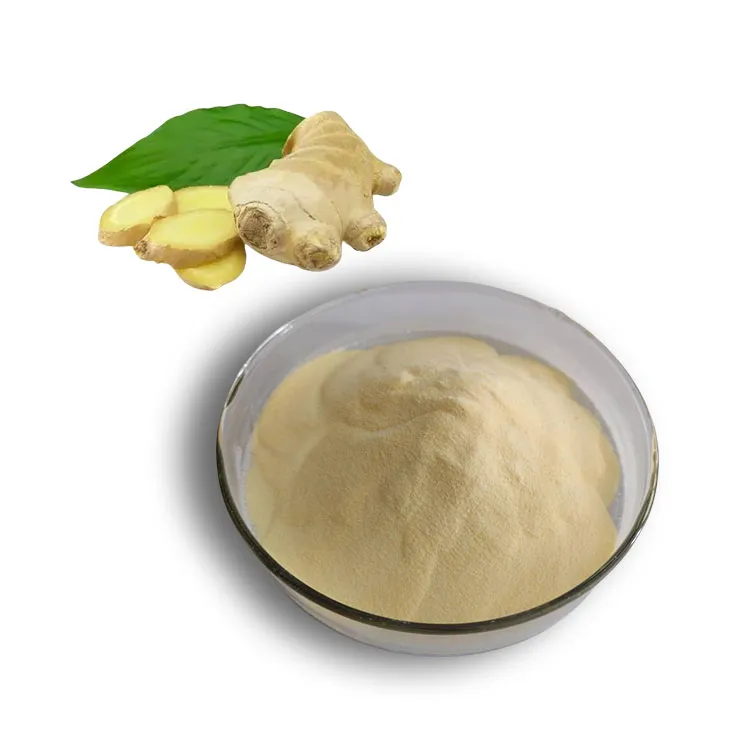
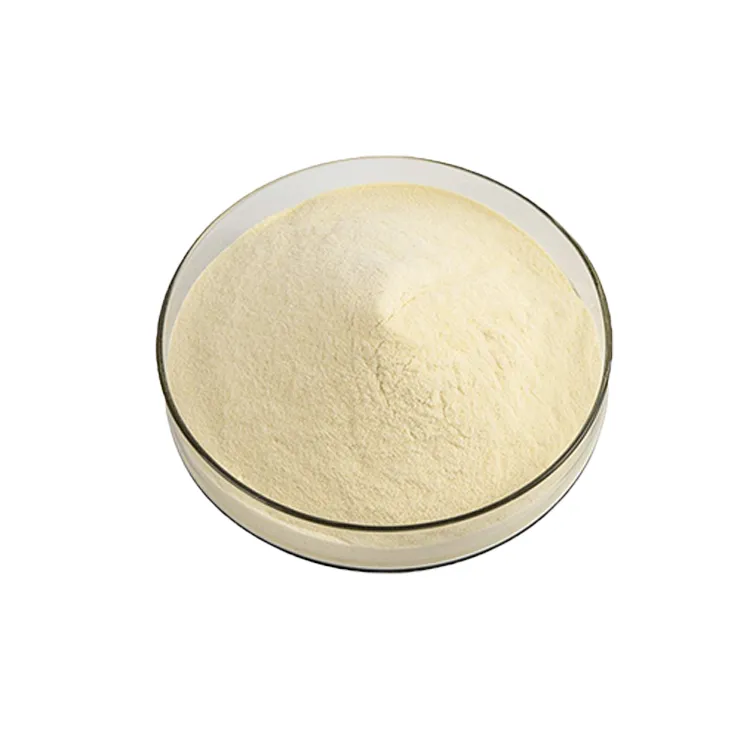
Ginger Extract: Complete Guide to Digestive Health, Anti-Inflammatory Science & B2B Sourcing (2026)
2026-11-22
Table of Contents
What Is Ginger Extract and Why Is It a Cornerstone of Herbal Medicine?
Active Compounds: Gingerols, Shogaols, Zingerone, and the Chemistry of Ginger
Digestive Health: Nausea Relief, Motility, and Gut Microbiome Effects
Anti-Inflammatory and Analgesic Mechanisms
Cardiovascular Health, Blood Sugar, and Metabolic Benefits
Immune Support, Antimicrobial Activity, and Respiratory Health
Extract Types: Standardized Extract, CO₂ Oleoresin, and Steam Distilled Oil
Product Applications: Pharmaceuticals, Functional Foods, Beverages, and Cosmetics
B2B Sourcing: Quality Standards, Certifications, and Supplier Selection
FAQ: Common Questions About Ginger Extract
What Is Ginger Extract and Why Is It a Cornerstone of Herbal Medicine?
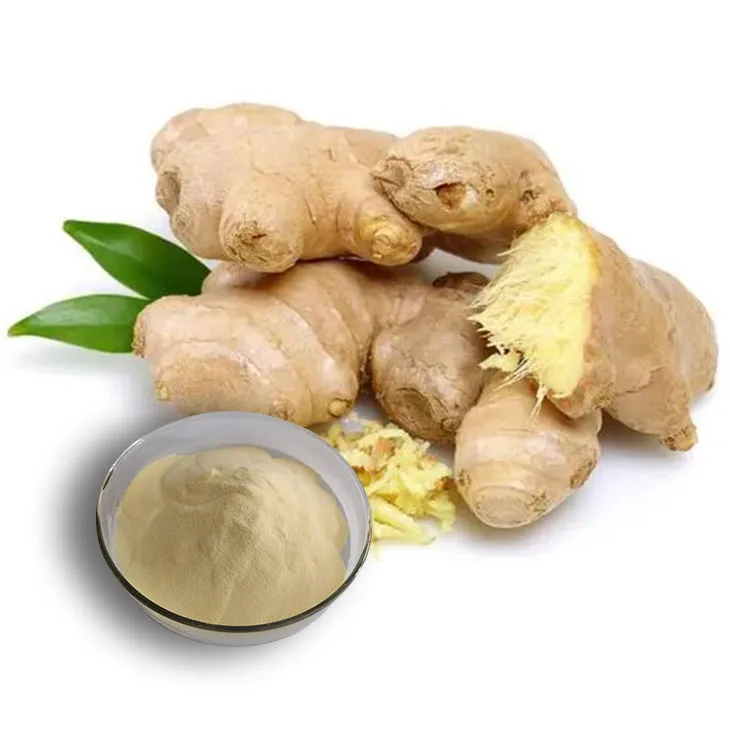
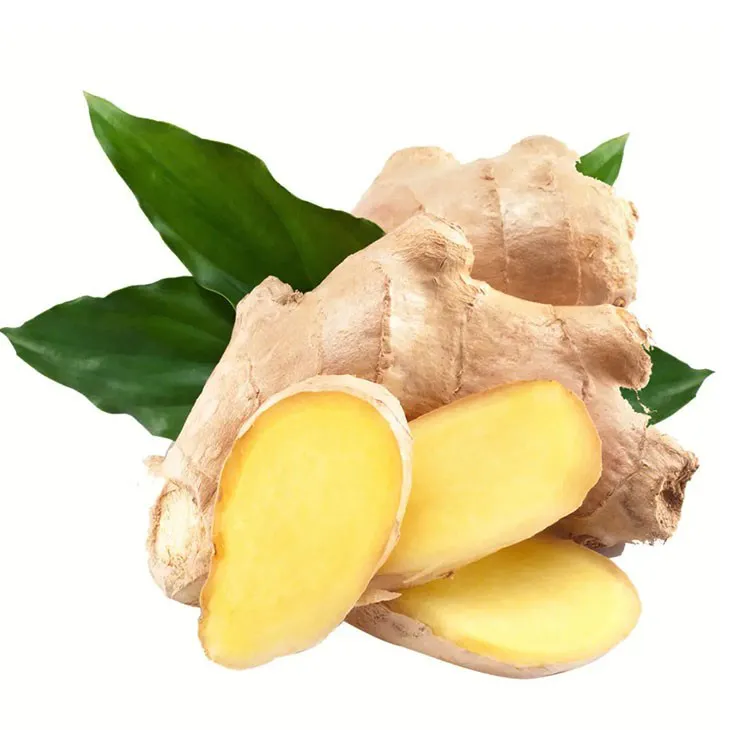
Ginger (Zingiber officinale) is one of the most widely used medicinal and culinary plants in the world. Cultivated for over 5,000 years across Asia, Africa, and the Caribbean, ginger has been a staple of Ayurvedic, Traditional Chinese Medicine (TCM), and Unani healing traditions.
Today, the global ginger extract market is valued at over $360 million, with demand growing at 6-7% annually. Ginger extract serves diverse industries: dietary supplements (digestive health, nausea, inflammation), food and beverage (flavoring, functional drinks), pharmaceuticals (anti-emetic formulations), and cosmetics (anti-aging, scalp health).
Modern research has validated many of ginger's traditional uses, particularly for nausea relief, digestive support, and anti-inflammatory activity. The World Health Organization (WHO) and European Medicines Agency (EMA) both recognize ginger's therapeutic value for digestive disorders.
Active Compounds: Gingerols, Shogaols, Zingerone, and the Chemistry of Ginger
The therapeutic properties of ginger are primarily attributed to its phenolic compounds:
Gingerols — The Fresh Ginger Actives
[6]-Gingerol is the most abundant and bioactive gingerol in fresh ginger root. It is responsible for ginger's characteristic pungency and contributes to its anti-inflammatory, anti-nausea, and antioxidant properties. Other gingerols ([8]-gingerol, [10]-gingerol) are present in smaller amounts and contribute to the overall pharmacological profile.
Shogaols — The Dried/Heated Actives
When ginger is dried or heated, gingerols undergo dehydration to form shogaols. [6]-Shogaol is the most prominent and exhibits significantly higher bioavailability and more potent anti-inflammatory and anti-cancer activity than its gingerol precursor. This transformation is critical for extract standardization and product formulation.
Zingerone and Other Compounds
Zingerone forms when ginger is cooked or treated with alkali. It has a sweeter, less pungent profile and exhibits antioxidant and anti-diarrheal properties. Ginger also contains essential oils (zingiberene, β-bisabolene, α-farnesene) that contribute to its aroma and additional therapeutic effects.
Digestive Health: Nausea Relief, Motility, and Gut Microbiome Effects
Nausea and Vomiting Relief
Ginger's anti-emetic properties are among its most well-documented effects:
Morning Sickness: Multiple RCTs and meta-analyses confirm ginger (250-1000 mg/day) significantly reduces nausea severity in pregnant women, with safety profiles comparable to vitamin B6
Chemotherapy-Induced Nausea: Ginger supplementation (0.5-1.0 g/day) as an adjunct to standard anti-emetic therapy reduces both acute and delayed nausea in cancer patients
Postoperative Nausea: Pre-operative ginger administration (1-2 g) reduces postoperative nausea and vomiting (PONV) incidence by approximately 30%
Motion Sickness: Ginger reduces the symptoms of motion sickness, though evidence is mixed compared to conventional anti-emetics
Mechanism of Anti-Emetic Action
Ginger acts through multiple pathways: antagonism of 5-HT₃ and NK₁ receptors in the GI tract, acceleration of gastric emptying, and modulation of prostaglandin synthesis in the central nervous system.
Gastric Motility and Digestion
Ginger accelerates gastric emptying by 25-50% in healthy individuals and those with functional dyspepsia. This prokinetic effect is mediated through cholinergic M₃ receptor activation and enhanced antral contractions, making ginger valuable for bloating, indigestion, and gastroparesis support.
Gut Microbiome
Emerging research indicates ginger extract modulates the gut microbiota, increasing beneficial bacteria (Lactobacillus, Bifidobacterium) and reducing pathogenic strains. This prebiotic-like effect contributes to ginger's overall digestive health benefits.
Anti-Inflammatory and Analgesic Mechanisms
Ginger's anti-inflammatory activity is mediated through several molecular pathways:
COX and LOX Inhibition: Gingerols and shogaols inhibit both cyclooxygenase (COX-1, COX-2) and 5-lipoxygenase (5-LOX), providing dual anti-inflammatory action similar to NSAIDs but with fewer side effects
NF-κB Suppression: Ginger compounds suppress the NF-κB signaling pathway, reducing production of pro-inflammatory cytokines (TNF-α, IL-1β, IL-6)
Pain Relief: Clinical studies demonstrate ginger's effectiveness in reducing osteoarthritis pain, menstrual cramps (dysmenorrhea), and muscle soreness post-exercise
Comparative Efficacy: A 2020 meta-analysis found ginger to be as effective as ibuprofen for primary dysmenorrhea, with significantly fewer adverse effects
Cardiovascular Health, Blood Sugar, and Metabolic Benefits
Blood Pressure and Lipid Management
Ginger supplementation has been shown to modestly reduce systolic blood pressure (3-5 mmHg), LDL cholesterol (5-10%), and triglycerides. These effects are attributed to ginger's calcium channel-blocking activity and inhibition of cholesterol absorption.
Blood Sugar Control
Multiple RCTs demonstrate ginger's ability to improve glycemic parameters:
Reduced fasting blood glucose by 10-15 mg/dL in type 2 diabetes patients
Improved HbA1c levels by 0.5-0.7% after 12 weeks of supplementation
Enhanced insulin sensitivity through AMPK activation and GLUT4 translocation
Immune Support, Antimicrobial Activity, and Respiratory Health
Antimicrobial: Ginger extract demonstrates activity against common foodborne pathogens (E. coli, Salmonella, S. aureus) and oral bacteria
Antiviral: Fresh ginger shows inhibitory activity against respiratory syncytial virus (RSV) and certain influenza strains
Respiratory Health: Traditional use for colds and cough is supported by ginger's warming, expectorant, and anti-inflammatory properties
Extract Types: Standardized Extract, CO₂ Oleoresin, and Steam Distilled Oil
Standardized Ginger Extract
Typically standardized to 5% gingerols by HPLC. Produced using ethanol or water-alcohol extraction followed by spray drying. Suitable for capsules, tablets, and powdered beverage formulations.
Supercritical CO₂ Ginger Oleoresin
Contains the full spectrum of ginger's volatile and non-volatile compounds. Higher potency (typically 5-20% gingerols plus essential oils) and superior flavor profile. Ideal for food, beverage, and softgel applications.
Steam Distilled Ginger Essential Oil
Contains primarily volatile compounds (zingiberene, zingiberol). Used in aromatherapy, flavoring, and topical applications. Lower gingerol content compared to CO₂ extracts.
Product Applications: Pharmaceuticals, Functional Foods, Beverages, and Cosmetics
Pharmaceuticals: Anti-emetic formulations, digestive aids, pain management adjuncts
Dietary Supplements: Capsules, tablets, softgels for digestive health and inflammation
Functional Beverages: Ginger shots, wellness drinks, digestive tonics — one of the fastest-growing segments
Food Industry: Baking, confectionery, sauces, and ready-to-eat meals
Cosmetics: Scalp treatments (hair growth stimulation), warming skin products, anti-aging serums
Pet Supplements: Digestive support and anti-nausea formulations for companion animals
B2B Sourcing: Quality Standards, Certifications, and Supplier Selection
Key considerations when sourcing ginger extract:
Gingerol Standardization: HPLC-verified gingerol content (5-20% depending on extract type)
Origin and Variety: Chinese, Indian, Nigerian, and Jamaican ginger varieties have different phytochemical profiles
Extraction Method: CO₂ extracts offer superior quality but higher cost; ethanol extracts are cost-effective for bulk applications
Contaminant Testing: Aflatoxins, pesticides, heavy metals, sulfur dioxide (for fumigated ginger)
Certifications: ISO 22000, BRCGS, GMP, Organic, HALAL, Kosher
Organoleptic Testing: Color, aroma, pungency, and moisture content verification
Greensky Bio offers ginger extracts in multiple formats — standardized powder extract, CO₂ oleoresin, and essential oil — from our ISO 22000 and BRCGS-certified facility. We provide full analytical documentation, custom standardization, and reliable supply. Contact us for technical data sheets and samples.
FAQ: Common Questions About Ginger Extract
What is the effective dose of ginger extract for nausea?
Clinical studies use 250-1000 mg of ginger extract (standardized to 5% gingerols) per day, divided into 2-4 doses. For acute nausea, a single dose of 1-2 g has been shown effective.
What's the difference between ginger powder and ginger extract?
Ginger powder is simply dried, ground ginger root with typical gingerol content of 0.5-1.5%. Ginger extract is concentrated through extraction processes, typically standardized to 5% gingerols or higher, providing 3-10x the potency of raw ginger powder per gram.
Is ginger extract safe during pregnancy?
Multiple studies and meta-analyses support the safety of ginger (up to 1 g/day) for morning sickness during pregnancy. However, pregnant women should always consult their healthcare provider before starting any supplement regimen.
How should ginger extract be stored?
Store in a cool, dry place away from direct sunlight and moisture. CO₂ oleoresins should be stored at controlled temperatures to prevent degradation of volatile compounds. Properly stored, ginger extract maintains potency for 24-36 months.
Can ginger extract interact with medications?
Ginger may interact with anticoagulant medications (warfarin, aspirin) by enhancing antiplatelet effects. It may also interact with diabetes medications by further lowering blood glucose. Patients on these medications should consult their physician.
- ▶ Hesperidin
- ▶ Citrus Bioflavonoids
- ▶ Plant Extract
- ▶ lycopene
- ▶ Diosmin
- ▶ Grape seed extract
- ▶ Sea buckthorn Juice Powder
- ▶ Fruit Juice Powder
- ▶ Hops Extract
- ▶ Artichoke Extract
- ▶ Mushroom extract
- ▶ Astaxanthin
- ▶ Green Tea Extract
- ▶ Curcumin
- ▶ Horse Chestnut Extract
- ▶ Other Product
- ▶ Boswellia Serrata Extract
- ▶ Resveratrol
- ▶ Marigold Extract
- ▶ Grape Leaf Extract
- ▶ New Product
- ▶ Aminolevulinic acid
- ▶ Cranberry Extract
- ▶ Red Yeast Rice
- ▶ Red Wine Extract
- ▶ blog
-
Grape Seed Extract
2026-11-22
-
Fig Extract
2026-11-22
-
Mulberry leaf Extract
2026-11-22
-
Berberis aristata Extract
2026-11-22
-
Shikonin
2026-11-22
-
Citrus Aurantium Extract
2026-11-22
-
Genistein
2026-11-22
-
Citrus bioflavonoids
2026-11-22
-
White mustard seed extract
2026-11-22
-
Rose Hip Extract
2026-11-22