- 0086-571-85302990
- [email protected]



Resveratrol: Complete Guide to Anti-Aging Science, Antioxidant Health & B2B Sourcing (2026)
2026-11-22
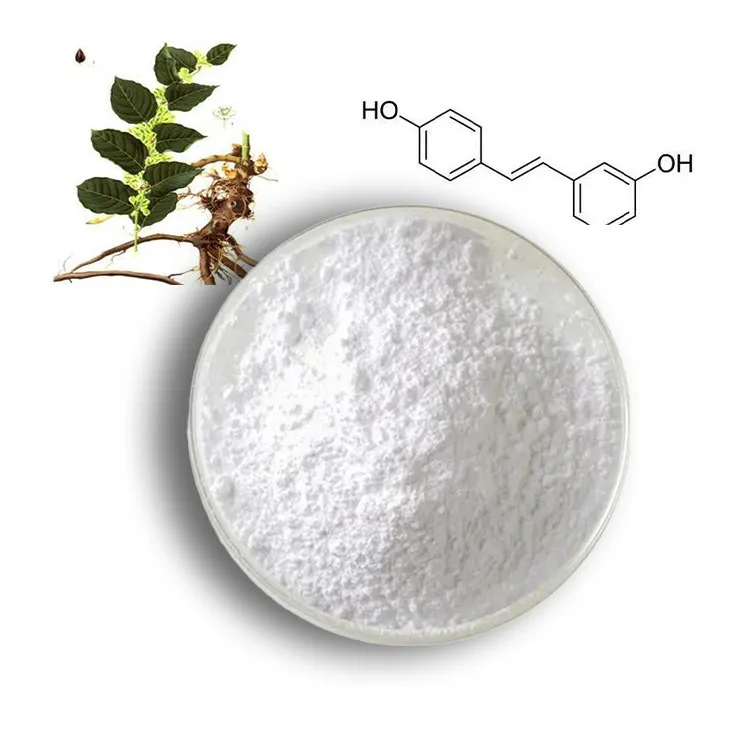
Resveratrol: Complete Guide to Anti-Aging Science, Antioxidant Health & B2B Sourcing (2026)
Related Product: Resveratrol Extract — Greensky is a professional natural plant extract manufacturer providing premium Resveratrol from Polygonum cuspidatum and grape sources. All products are backed by ISO22000, BRCGS, Ecocert Organic, and SGS-GMP certifications.
Table of Contents
What Is Resveratrol and Why Is It the Most Researched Anti-Aging Compound?
Active Compounds: Trans-Resveratrol, Cis-Resveratrol, and Stilbene Derivatives
Sirtuin Activation and the Science of Longevity
Clinical Evidence for Cardiovascular, Metabolic, and Neuroprotective Benefits
Bioavailability Challenges and Advanced Delivery Technologies
Quality Standards, Specifications, and Testing Methods
Applications in Supplements, Skincare, and Functional Beverages
How to Source Premium Resveratrol: A B2B Buyer's Guide
Why Choose Greensky as Your Resveratrol Supplier
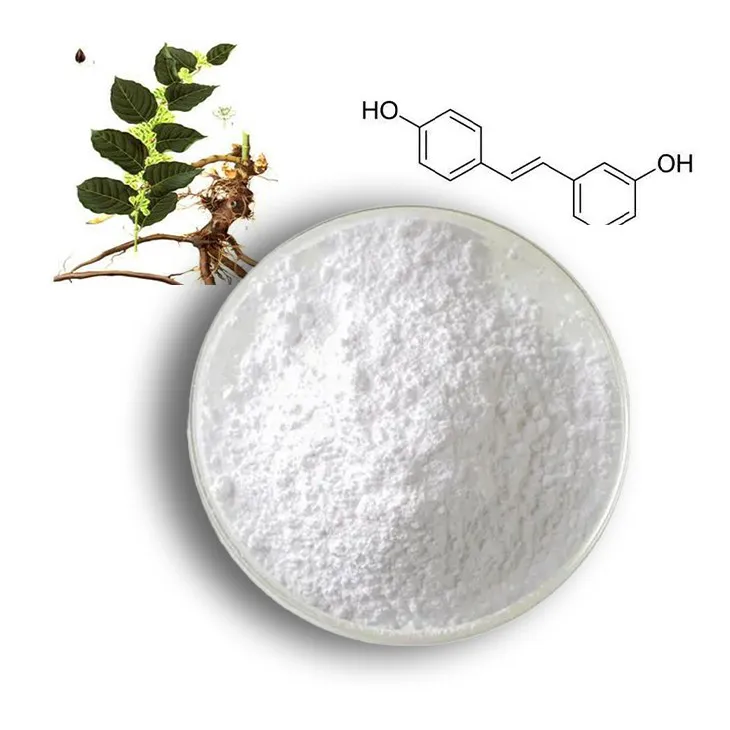
1. What Is Resveratrol and Why Is It the Most Researched Anti-Aging Compound?
Resveratrol (3,5,4'-trihydroxystilbene) is a naturally occurring polyphenolic compound belonging to the stilbenoid family. First isolated from the roots of white hellebore (Veratrum grandiflorum) in 1940, resveratrol gained worldwide prominence in the 1990s with the discovery of the "French Paradox" — the observation that French populations exhibited low rates of cardiovascular disease despite diets high in saturated fat, a phenomenon attributed to regular red wine consumption.
Since then, resveratrol has become one of the most extensively studied phytochemicals in modern science, with over 10,000 peer-reviewed publications documenting its effects on longevity, cardiovascular health, metabolic function, neuroprotection, and cancer biology. The global resveratrol market is projected to reach USD 130 million by 2028, fueled by the anti-aging supplement boom, the expanding nutraceutical industry, and growing consumer interest in plant-based wellness solutions.
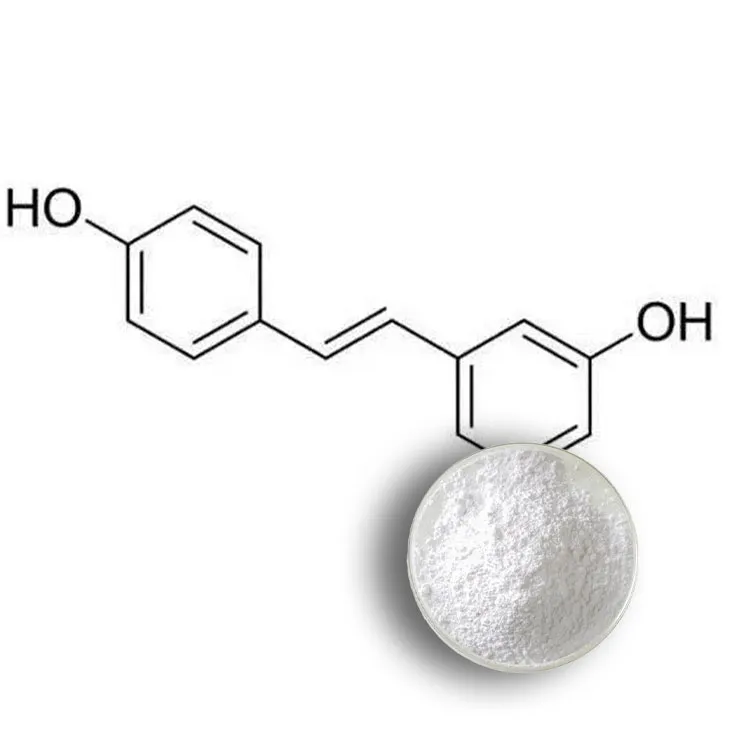
2. Active Compounds: Trans-Resveratrol, Cis-Resveratrol, and Stilbene Derivatives
2.1 Chemical Forms and Bioactivity
| Compound | Isomer | Bioactivity | Stability |
|---|---|---|---|
| Trans-Resveratrol | Trans (E) | Primary bioactive form; SIRT1 activation, antioxidant, anti-inflammatory | Moderate; degrades with UV exposure |
| Cis-Resveratrol | Cis (Z) | Photoisomerization product; significantly reduced bioactivity | Less stable than trans form |
| Resveratrol-3-O-glucoside (Piceid) | Glycoside | Prodrug form; converted to resveratrol via gut microbiota | More stable than aglycone |
| Pterostilbene | Methylated derivative | Higher bioavailability and blood-brain barrier permeability | More stable; longer half-life |
2.2 Primary Botanical Sources
| Source Plant | Latin Name | Resveratrol Content | Extraction Part |
|---|---|---|---|
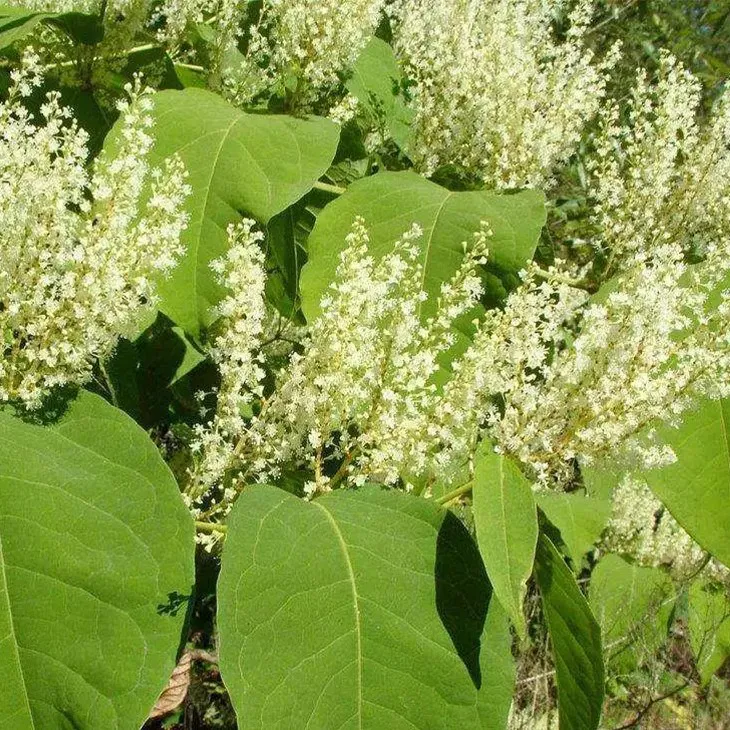
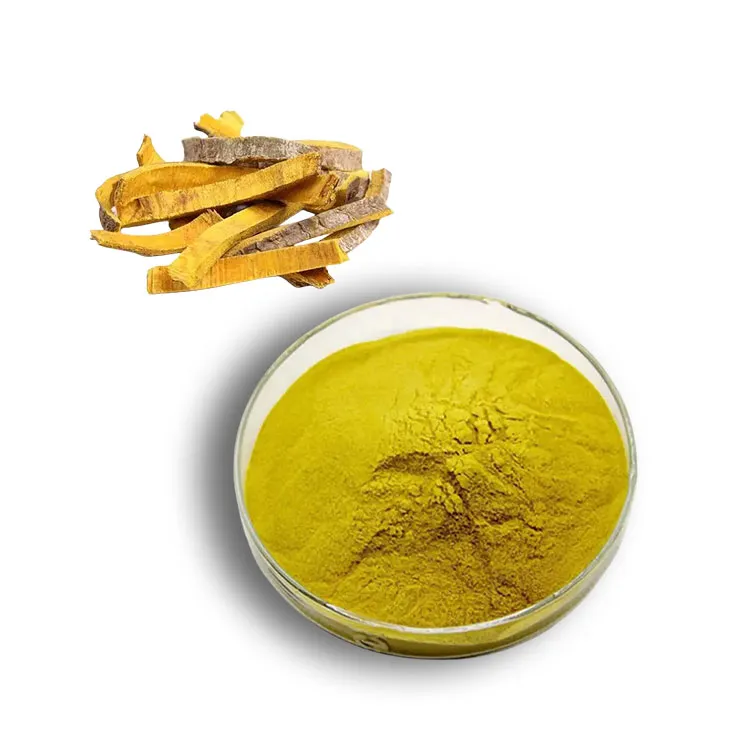
| Japanese Knotweed | Polygonum cuspidatum | 1-5% (raw root); up to 98% (extract) | Rhizome/root |
| Grape skins | Vitis vinifera | 0.1-1% | Skin/seeds |
| Blueberries | Vaccinium corymbosum | Trace amounts | Fruit |
| Peanuts | Arachis hypogaea | Trace amounts | Seeds |
Polygonum cuspidatum (also known as Reynoutria japonica or Japanese Knotweed) is the dominant commercial source for high-purity Resveratrol extract due to its high natural resveratrol content, sustainable cultivation, and cost-effectiveness.
3. Sirtuin Activation and the Science of Longevity
3.1 The SIRT1 Mechanism
Resveratrol's most celebrated mechanism is the activation of SIRT1 (Sirtuin 1), a NAD+-dependent deacetylase enzyme that plays a central role in cellular stress response, DNA repair, and metabolic regulation. This discovery, published in Nature (2003) by researchers at the National Institute on Aging, catalyzed the modern anti-aging supplement industry.
SIRT1 activation by resveratrol triggers a cascade of downstream effects that mimic the benefits of caloric restriction — the most robust intervention for extending lifespan in animal models:
Enhanced DNA repair: SIRT1 deacetylates repair proteins, accelerating response to DNA damage
Mitochondrial biogenesis: Via PGC-1α activation, increasing cellular energy production
Reduced inflammation: NF-κB pathway inhibition, lowering chronic inflammatory signaling
Improved insulin sensitivity: Enhanced glucose uptake and metabolic flexibility
Autophagy promotion: Cellular cleanup mechanisms that remove damaged proteins and organelles
3.2 AMPK Activation: Complementary Metabolic Benefits
In addition to SIRT1 activation, resveratrol directly activates AMP-activated protein kinase (AMPK), creating a dual-pathway effect on metabolic health. AMPK activation enhances glucose uptake, fatty acid oxidation, and mitochondrial function — effects that complement SIRT1-mediated longevity pathways.
4. Clinical Evidence for Cardiovascular, Metabolic, and Neuroprotective Benefits
4.1 Cardiovascular Health
Multiple randomized controlled trials have demonstrated resveratrol's cardiovascular benefits:
Endothelial function: Improved flow-mediated dilation (FMD) in studies of 50-500 mg/day supplementation
LDL oxidation: Reduced oxidized LDL levels — a key driver of atherosclerosis
Blood pressure: Meta-analyses show modest but significant reductions in systolic BP at doses >150 mg/day
Platelet aggregation: Inhibition of platelet clumping, reducing thrombotic risk
4.2 Metabolic Health
Blood glucose: Dose-dependent improvements in fasting glucose and HbA1c in type 2 diabetes patients
Insulin sensitivity: HOMA-IR improvements in multiple clinical trials
Lipid profile: Reductions in total cholesterol and triglycerides in metabolic syndrome populations
4.3 Neuroprotection and Cognitive Health
Emerging clinical evidence suggests resveratrol may support cognitive function through multiple mechanisms:
Blood-brain barrier penetration: Resveratrol and its metabolites cross the BBB, reaching brain tissue
Amyloid-beta modulation: Reduced amyloid plaque formation in preclinical models
Neuroinflammation: Microglial activation suppression via NF-κB inhibition
Cerebral blood flow: Improved cognitive performance correlated with enhanced cerebral perfusion in human trials
5. Bioavailability Challenges and Advanced Delivery Technologies
5.1 The Bioavailability Problem
Native resveratrol suffers from poor oral bioavailability due to:
Rapid metabolism: Extensive first-pass conjugation (glucuronidation and sulfation) in the liver and intestine
Low water solubility: Hydrophobic nature limits dissolution in gastrointestinal fluids
Short half-life: Plasma half-life of approximately 8-14 minutes for unconjugated resveratrol
5.2 Advanced Delivery Solutions
| Technology | Bioavailability Improvement | Advantages |
|---|---|---|
| Micronization | 2-3x | Simple, cost-effective, widely scalable |
| Liposomal encapsulation | 5-10x | Excellent stability, gastrointestinal protection |
| Cyclodextrin complexation | 3-5x | Improved water solubility, suitable for beverages |
| Nanoemulsion | 5-8x | Enhanced absorption, versatile formulation |
| Phytosome technology | 5-15x | Premium positioning, excellent stability |
| Trans-Resveratrol + Piperine | 2-3x | Metabolism inhibition, cost-effective combination |
6. Quality Standards, Specifications, and Testing Methods
6.1 Standard Specifications
| Specification | Purity | Primary Use |
|---|---|---|
| Standardized Extract | 50% (UV/HPLC) | General supplements, functional foods |
| High-Purity Extract | 98% (HPLC) | Premium supplements, clinical research |
| Pharmaceutical Grade | 99%+ (HPLC) | Drug development, advanced formulations |
6.2 Key Quality Parameters
| Parameter | Standard |
|---|---|
| Trans-Resveratrol purity | ≥ 98% (HPLC) |
| Cis-Resveratrol content | ≤ 0.5% (isomer control) |
| Heavy Metals | Pb ≤ 5 ppm; As ≤ 2 ppm; Cd ≤ 1 ppm; Hg ≤ 0.1 ppm |
| Pesticide Residues | EU/US pharmacopoeia compliant |
| Microbiological | TAMC < 1,000 CFU/g; E. coli, Salmonella negative |
| Residual Solvents | ICH Q3C compliant |
7. Applications in Supplements, Skincare, and Functional Beverages
7.1 Primary Application Categories
Dietary Supplements: Anti-aging capsules, longevity formulas, cardiovascular support blends
Skincare and Cosmetics: Anti-aging serums, antioxidant creams, sun protection formulations
Functional Beverages: Anti-aging drinks, antioxidant-enhanced waters, wellness shots
Food Fortification: Premium chocolate, superfood bars, and functional snack products
7.2 Formulation Best Practices
Use trans-resveratrol (98%+) for maximum bioactivity
Combine with Quercetin and/or fisetin for synergistic sirtuin activation
Protect from light and oxygen during manufacturing and packaging
Consider advanced delivery technologies for enhanced bioavailability
8. How to Source Premium Resveratrol: A B2B Buyer's Guide
8.1 Key Evaluation Criteria
| Factor | What to Verify |
|---|---|
| Trans-Resveratrol purity | Request HPLC chromatogram confirming trans:cis ratio |
| Source plant | Polygonum cuspidatum is the most cost-effective commercial source |
| Extraction method | Ethanol-based extraction preferred for food-grade products |
| Isomer stability | Confirm proper packaging (light-proof, oxygen-barrier) |
| Certifications | ISO 22000, BRCGS, GMP at minimum |
| Batch consistency | Request 3 consecutive batch COAs for variability assessment |
9. Why Choose Greensky as Your Resveratrol Supplier
Hangzhou Greensky Biological Tech Co., Ltd., established in 2004, brings over 20 years of expertise in natural plant extract research, development, production, and global export. Our resveratrol advantages include:
20+ years of expertise in plant extract identification, development, and production
Full certification portfolio: ISO22000, BRCGS, Ecocert Organic, SGS-GMP, HALAL, Kosher
Advanced extraction technology including supercritical CO₂ and low-temperature concentration
Independent laboratory with HPLC, GC, UV capabilities for comprehensive quality testing
100,000-class clean area ensuring pharmaceutical-grade production standards
Global export experience with nearly USD 30 million in annual exports to Europe, the US, South Korea, and Russia
Custom specifications available from 50% to 98%+ trans-resveratrol
Technical support including formulation guidance, regulatory documentation, and application services
Contact Greensky today for a free sample, competitive quotation, and technical consultation on resveratrol for your next formulation.
- ▶ Hesperidin
- ▶ Citrus Bioflavonoids
- ▶ Plant Extract
- ▶ lycopene
- ▶ Diosmin
- ▶ Grape seed extract
- ▶ Sea buckthorn Juice Powder
- ▶ Fruit Juice Powder
- ▶ Hops Extract
- ▶ Artichoke Extract
- ▶ Mushroom extract
- ▶ Astaxanthin
- ▶ Green Tea Extract
- ▶ Curcumin
- ▶ Horse Chestnut Extract
- ▶ Other Product
- ▶ Boswellia Serrata Extract
- ▶ Resveratrol
- ▶ Marigold Extract
- ▶ Grape Leaf Extract
- ▶ New Product
- ▶ Aminolevulinic acid
- ▶ Cranberry Extract
- ▶ Red Yeast Rice
- ▶ Red Wine Extract
- ▶ blog
-
Kelp Extract Powder
2026-11-22
-
Carrageenan Extract Powder
2026-11-22
-
Phosphatidylserine
2026-11-22
-
Epimedium extract powder
2026-11-22
-
Cat Claw Extract
2026-11-22
-
Red Vine Extract
2026-11-22
-
Chasteberry Extract
2026-11-22
-
Avocado Extract Powder
2026-11-22
-
Honeysuckle Pollen
2026-11-22
-
Lemon Juice Powder
2026-11-22