- 0086-571-85302990
- [email protected]




Ginkgo Biloba Extract EGb 761: Complete Guide to Cognitive Health, Blood Circulation & B2B Sourcing
2026-11-08
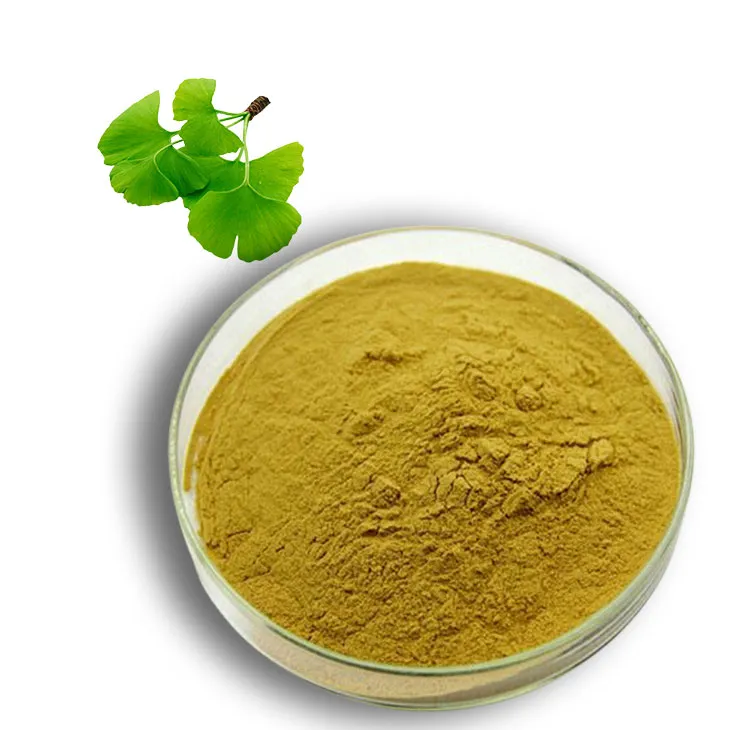
Table of Contents
What Is Ginkgo Biloba Extract and Why Is It One of the Most Studied Herbal Supplements?
Active Compounds: Flavone Glycosides, Terpene Lactones and Their Synergistic Effects
Cognitive Health: Does Ginkgo Really Work for Memory and Brain Function?
Blood Circulation, Tinnitus and Peripheral Vascular Benefits
Ginkgolic Acid Safety: Why the <5 ppm Limit Matters
Pharmacopeia Standards: EP, USP and Chinese Pharmacopeia Requirements
B2B Sourcing Guide: How to Evaluate Ginkgo Biloba Extract Suppliers
GreenSky: Quality Ginkgo Extract Manufacturing
What Is Ginkgo Biloba Extract and Why Is It One of the Most Studied Herbal Supplements?
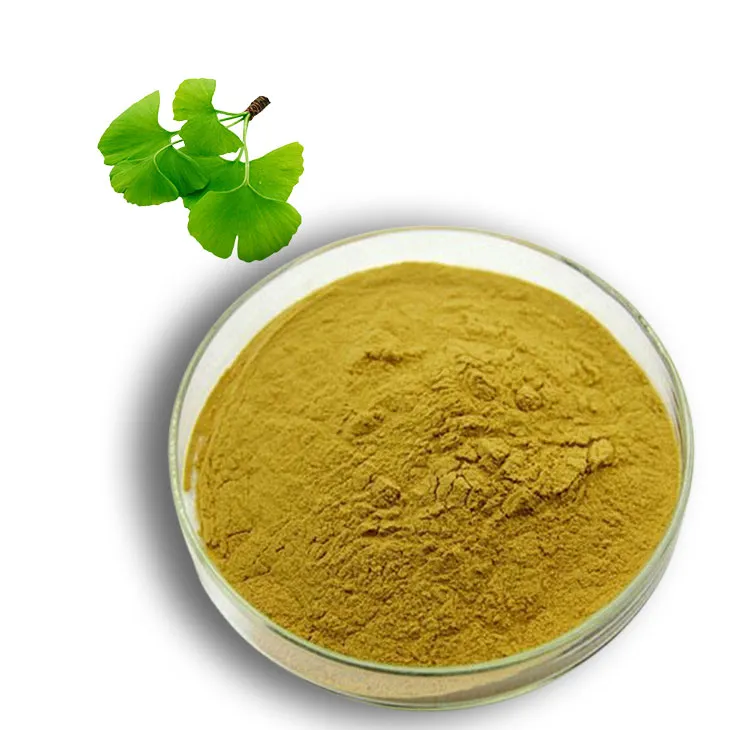
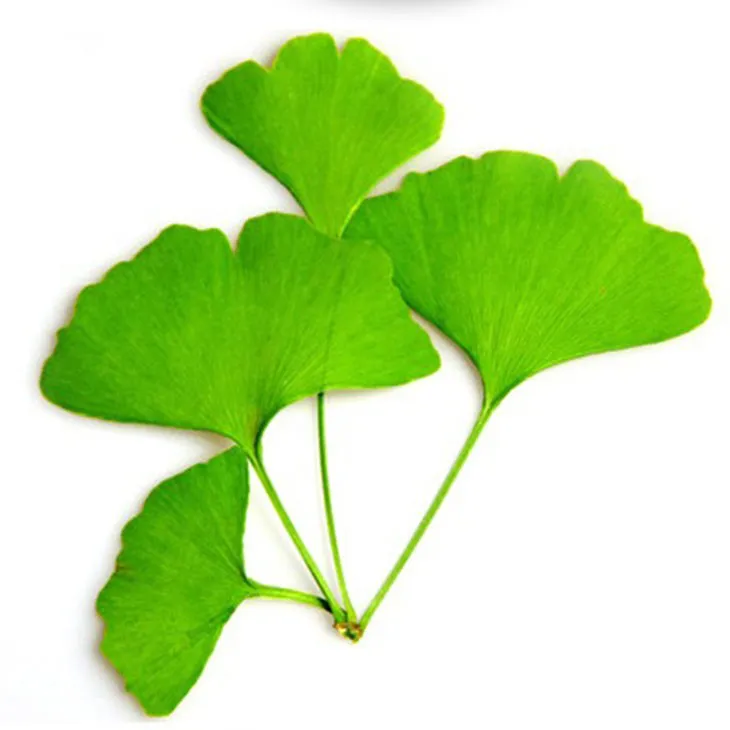
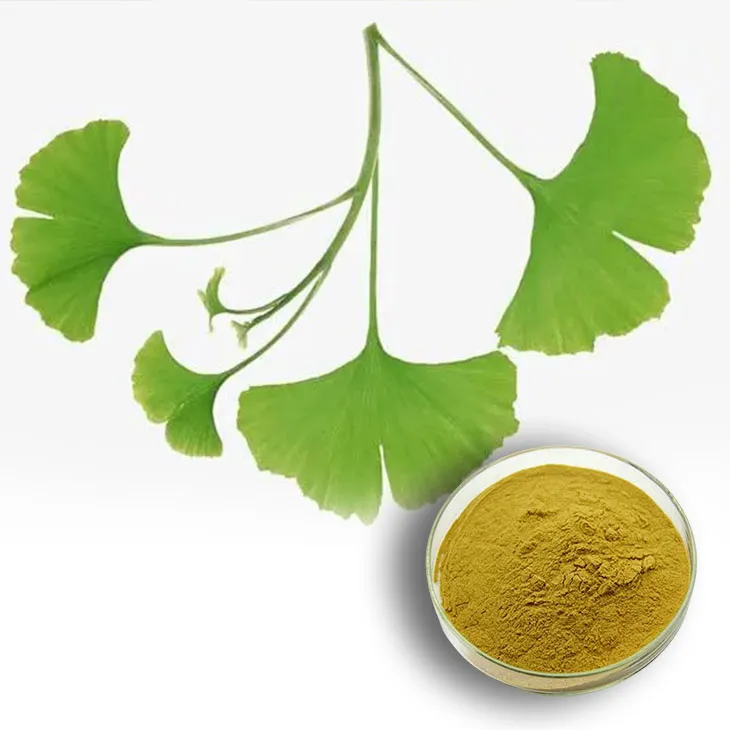
Ginkgo biloba extract is derived from the dried leaves of Ginkgo biloba L., one of the oldest living tree species on Earth, dating back over 270 million years. The standardized extract, most famously known as EGb 761 (developed by Dr. Willmar Schwabe GmbH), is one of the most extensively researched botanical medicines in the world, with over 600 peer-reviewed clinical studies.
Standardized ginkgo biloba extract is defined by specific ratios of active compounds: 24% flavone glycosides and 6% terpene lactones (ginkgolides A, B, C and bilobalide). This 24:6 ratio has become the industry gold standard and is required by major pharmacopeias worldwide.
The global ginkgo biloba extract market was valued at approximately USD 1.2 billion in 2024 and continues to grow, driven by aging populations, increasing prevalence of cognitive decline, and rising demand for natural circulation support supplements.
Active Compounds: Flavone Glycosides, Terpene Lactones and Their Synergistic Effects
The therapeutic activity of ginkgo biloba extract derives from two major compound classes that work synergistically:
Flavone Glycosides (24%)
The primary flavone glycosides in ginkgo extract are:
Quercetin glycosides — potent antioxidant and anti-inflammatory activity
Kaempferol glycosides — vascular protective effects, endothelial support
Isorhamnetin glycosides — neuroprotective and cardioprotective properties
These flavonoids scavenge free radicals, inhibit lipid peroxidation, and protect endothelial cells from oxidative damage. They also modulate inflammatory signaling pathways (NF-κB, COX-2) and improve nitric oxide bioavailability.
Terpene Lactones (6%)
The terpene lactone fraction includes:
Ginkgolide A (1–2%) — platelet-activating factor (PAF) antagonist
Ginkgolide B (0.5–1.5%) — the most potent PAF antagonist; key for circulatory benefits
Ginkgolide C (0.5–1%) — additional PAF antagonism
Bilobalide (2–3%) — unique to ginkgo; neuroprotective, anti-apoptotic
PAF antagonism is the defining mechanism of ginkgo's circulatory benefits. By blocking PAF receptors, ginkgolides reduce platelet aggregation, improve microcirculation, and protect against ischemic damage — particularly important for brain tissue, which is highly sensitive to reduced blood flow.

Cognitive Health: Does Ginkgo Really Work for Memory and Brain Function?
The cognitive benefits of ginkgo biloba extract have been extensively studied, with nuanced findings:
Healthy Adults: Modest but Meaningful Effects
A 2020 meta-analysis of 15 RCTs in healthy adults found small but statistically significant improvements in memory (effect size d=0.22), attention (d=0.18), and executive function (d=0.15) with doses of 120–240 mg/day. Effects are more pronounced in adults over 50 and in cognitively demanding tasks.
Mild Cognitive Impairment and Dementia
EGb 761 is approved as a prescription medicine for dementia in Germany and several other European countries. Multiple RCTs demonstrate that 240 mg/day of EGb 761 improves cognitive function, activities of daily living, and neuropsychiatric symptoms in patients with Alzheimer's disease and vascular dementia. A 2022 meta-analysis of 9 RCTs (n=2,528) confirmed significant improvements in cognitive scores compared to placebo.
Mental Fatigue and Stress
Emerging research suggests ginkgo biloba extract reduces mental fatigue and improves cognitive performance during prolonged mental work. A 2023 RCT in university students found that 120 mg/day improved sustained attention and reduced subjective mental fatigue during exam periods.
Blood Circulation, Tinnitus and Peripheral Vascular Benefits
Peripheral Arterial Disease (PAD)
Ginkgo biloba extract improves pain-free walking distance in patients with intermittent claudication (PAD). A Cochrane review of 9 RCTs found that 120–240 mg/day increased walking distance by 34–66 meters compared to placebo, comparable to pentoxifylline.
Tinnitus and Vertigo
Vestibular disorders benefit from ginkgo's circulatory effects. Multiple studies show 120–160 mg/day reduces severity and duration of vertigo episodes. For tinnitus, evidence is mixed but suggests benefit in cases associated with vascular insufficiency or age-related hearing loss.
Raynaud's Phenomenon
Small clinical trials suggest ginkgo biloba extract (120 mg twice daily) reduces the frequency and severity of Raynaud's attacks, likely through improved peripheral microcirculation and reduced platelet aggregation.
Ginkgolic Acid Safety: Why the <5 ppm Limit Matters
Ginkgolic acids are alkylphenols found in ginkgo leaves that are structurally similar to urushiol (the allergen in poison ivy). They are known sensitizers and potential carcinogens, and their removal is critical for product safety.
All major pharmacopeias and regulatory bodies require that ginkgo biloba extract contain less than 5 ppm (5 mg/kg) of ginkgolic acids. This limit is verified by HPLC analysis and is a key quality differentiator between suppliers.
B2B buyers should always request a ginkgolic acid test result (not just a statement of compliance) and verify the testing method. Some suppliers use spectrophotometric methods that cannot reliably detect ginkgolic acids at the 5 ppm threshold — only HPLC provides adequate sensitivity.
Pharmacopeia Standards: EP, USP and Chinese Pharmacopeia Requirements
Standardized ginkgo biloba extract must meet pharmacopeial requirements in target markets:
| Parameter | European Pharmacopeia | USP | Chinese Pharmacopeia |
|---|---|---|---|
| Flavone glycosides | 22.0–27.0% | 22–27% | ≥24.0% |
| Terpene lactones (total) | 5.4–7.2% | 5.0–7.0% | ≥6.0% |
| Ginkgolide A | 2.4–3.6% | 2.0–3.5% | ≥2.0% |
| Ginkgolide B | 1.8–2.8% | 1.5–2.6% | ≥1.0% |
| Bilobalide | 2.6–3.6% | 2.4–3.4% | ≥2.0% |
| Ginkgolic acids | < 5 ppm | < 5 ppm | < 5 ppm |
| Heavy metals (Pb) | < 5 ppm | < 5 ppm | < 5 ppm |
B2B Sourcing Guide: How to Evaluate Ginkgo Biloba Extract Suppliers
When sourcing ginkgo biloba extract, consider these factors:
Raw material source — Ginkgo leaves should be harvested from certified plantations (ideally in China's Jiangsu or Shandong provinces, the largest ginkgo-growing regions)
Extraction process — Multi-step extraction with acetone/water followed by purification; verify the supplier removes ginkgolic acids effectively
Standardization consistency — Request HPLC chromatograms for 3+ consecutive batches to verify the 24:6 ratio and terpene lactone profile
Ginkgolic acid testing — Must be by HPLC, not UV; request actual test values, not just "compliant" statements
Stability data — 24-month stability studies under ICH conditions (25°C/60% RH and 40°C/75% RH)
Regulatory documentation — DMF (Drug Master File), CEP (Certificate of Suitability) for pharmaceutical applications
Certifications — ISO 22000, GMP, Kosher, Halal
GreenSky: Quality Ginkgo Extract Manufacturing
Hangzhou Greensky Biological Tech. Co., Ltd. produces standardized ginkgo biloba extract (24% flavone glycosides, 6% terpene lactones) under ISO 22000, BRCGS, Ecocert Organic, and SGS-GMP certified conditions. Our extraction process ensures:
Ginkgolic acid content < 5 ppm (verified by HPLC)
Consistent 24:6 ratio across all batches
Complete terpene lactone profile (ginkgolides A, B, C + bilobalide)
Full pharmacopeial compliance (EP, USP, ChP)
With our independent analytical laboratory (HPLC, GC, UV), 100,000-class clean production area, and 20+ years of export experience, GreenSky delivers reliable, high-quality ginkgo biloba extract to markets worldwide. Contact us today for samples, COAs, and competitive pricing.
- ▶ Hesperidin
- ▶ Citrus Bioflavonoids
- ▶ Plant Extract
- ▶ lycopene
- ▶ Diosmin
- ▶ Grape seed extract
- ▶ Sea buckthorn Juice Powder
- ▶ Fruit Juice Powder
- ▶ Hops Extract
- ▶ Artichoke Extract
- ▶ Mushroom extract
- ▶ Astaxanthin
- ▶ Green Tea Extract
- ▶ Curcumin
- ▶ Horse Chestnut Extract
- ▶ Other Product
- ▶ Boswellia Serrata Extract
- ▶ Resveratrol
- ▶ Marigold Extract
- ▶ Grape Leaf Extract
- ▶ New Product
- ▶ Aminolevulinic acid
- ▶ Cranberry Extract
- ▶ Red Yeast Rice
- ▶ Red Wine Extract
- ▶ blog
-
Black Rice Extract
2026-11-08
-
Nettle leaf extract
2026-11-08
-
Scutellaria Extract
2026-11-08
-
Diosmin
2026-11-08
-
Rose Hip Extract
2026-11-08
-
Garcinia Cambogia Extract
2026-11-08
-
Tamarind extract powder
2026-11-08
-
White Willow Bark Extract
2026-11-08
-
Quercetin
2026-11-08
-
Ginseng Root Extract
2026-11-08