- 0086-571-85302990
- [email protected]




Rhodiola Rosea Extract: Adaptogen for Stress, Energy & Athletic Performance
2026-10-28
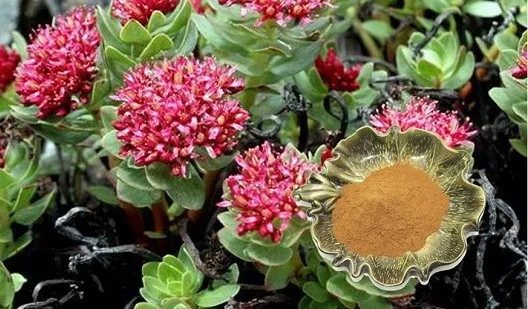
Rhodiola Rosea Extract: Adaptogen for Stress, Energy & Athletic Performance
Table of Contents
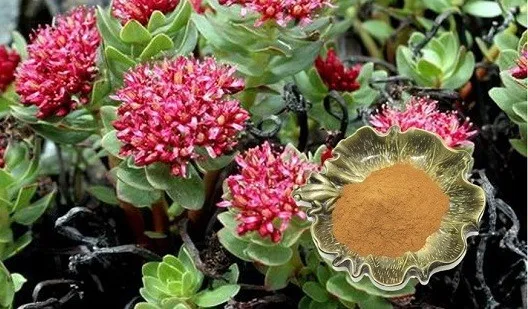
Rhodiola Rosea — known as the "golden root" or "arctic root" — is one of the most clinically researched adaptogens in the world. Growing in harsh, high-altitude environments across Europe and Asia, this hardy plant has been used for centuries in traditional medicine to enhance physical endurance, mental resilience, and stress tolerance. Modern science has validated many of these traditional uses, making Rhodiola a cornerstone ingredient in stress management, cognitive support, and sports nutrition formulations.
1. What Is Rhodiola Rosea and Why Is It an Adaptogen?
Q: What is Rhodiola Rosea and why is it called an adaptogen?
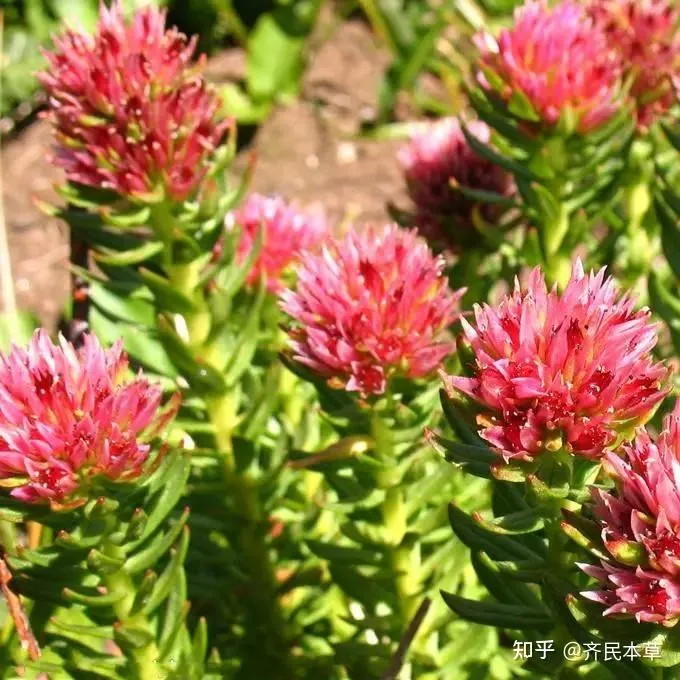
Rhodiola Rosea (also known as golden root, arctic root, or roseroot) is a flowering herb that grows in cold, high-altitude regions of Europe and Asia. It's classified as an adaptogen because it helps the body resist and adapt to physical, chemical, and biological stressors.
Adaptogens work by modulating the hypothalamic-pituitary-adrenal (HPA) axis and the sympathoadrenal system, helping to normalize cortisol levels and improve stress resilience — without causing sedation or overstimulation. This unique balancing effect is what distinguishes adaptogens from conventional stimulants or sedatives.
2. Key Active Compounds in Rhodiola Rosea
Q: What are the key active compounds in Rhodiola Rosea?
The two primary active compound groups are:
| Rosavins | Rosavin, rosarin, and rosin — unique to Rhodiola rosea; serve as primary standardization markers. The European Pharmacopoeia requires ≥3% total rosavins. |
| Salidroside | A phenylethanoid glycoside (also called rhodioloside) with documented anti-fatigue, antioxidant, and neuroprotective properties. Required at ≥1% by EP standards. |
| Tyrosol | A phenolic antioxidant that works synergistically with salidroside. |
| Flavonoids | Including rhodionin, rhodiolin — contribute to antioxidant activity. |
| Phenolic acids | Chlorogenic acid, gallic acid — additional antioxidant compounds. |
The EP standardization ratio of 3:1 (rosavins:salidroside) mirrors the natural ratio found in authentic Rhodiola rosea roots, serving as an authenticity marker.
3. Scientific Evidence for Stress and Fatigue
Q: What scientific evidence supports Rhodiola Rosea for stress and fatigue?
Multiple clinical trials support Rhodiola Rosea's efficacy:
Phytomedicine (2000) — Double-blind RCT with 60 students showed significant improvement in mental performance and fatigue resistance during examination stress at 500 mg/day
Phytomedicine (2009) — Reduced burnout symptoms and improved stress tolerance in physicians taking 576 mg/day for 4 weeks
Journal of Alternative and Complementary Medicine (2012) — 200 mg twice daily significantly reduced fatigue and improved mental performance in night-shift workers
Nutrients (2023 systematic review) — Confirmed Rhodiola's evidence base for fatigue reduction and stress resilience across 17 clinical trials
4. Recommended Dosage
Q: What is the recommended dosage for Rhodiola Rosea extract?
| Use Case | Dose | Timing |
|---|---|---|
| Stress resilience / general wellness | 200-400 mg/day | Morning, on empty stomach |
| Mental fatigue / cognitive support | 400-600 mg/day | Split: morning + early afternoon |
| Physical performance | 200-500 mg | 1-2 hours before exercise |
| Burnout recovery | 576 mg/day | Split doses, for 4-12 weeks |
Rhodiola should be taken on an empty stomach, ideally 30 minutes before meals. Avoid late-day dosing as it may interfere with sleep in sensitive individuals.
5. Rhodiola vs. Other Adaptogens
Q: How does Rhodiola Rosea compare to other adaptogens?
| Adaptogen | Primary Strength | Energy vs. Calm | Onset |
|---|---|---|---|
| Rhodiola Rosea | Performance + mental fatigue | Energizing | Hours to days |
| Ashwagandha | Cortisol reduction + anxiety | Calming | Weeks |
| Panax Ginseng | Energy + immune support | Stimulating | Days to weeks |
| Holy Basil (Tulsi) | Immune + gentle stress support | Balanced | Weeks |
| Eleuthero | Endurance + oxygen utilization | Mildly energizing | Days to weeks |
Rhodiola's key differentiator: rapid onset — effects can be felt within hours, making it ideal for acute stress situations.
6. Sourcing Quality Rhodiola Extract
Q: What should formulators look for when sourcing Rhodiola Rosea extract?
| Standardization | ≥3% rosavins + ≥1% salidroside (European Pharmacopoeia) |
| Plant part | Root and rhizome only (not aerial parts) |
| Species verification | Authentic Rhodiola rosea L. (not R. crenulata or other species) |
| Extraction method | Water-ethanol extraction for optimal rosavin/salidroside yield |
| Heavy metal testing | Essential for wild-harvested roots from mountainous regions |
| Pesticide screening | Required for wild-harvested materials |
| Sustainability docs | Preferred: cultivated sources; wild sources need harvesting permits |
7. Side Effects and Drug Interactions
Q: Does Rhodiola Rosea have any side effects or drug interactions?
Rhodiola is generally well-tolerated. Reported side effects are mild:
Occasional jitteriness at high doses (>600 mg)
Dry mouth or dizziness in a small percentage
Insomnia if taken late in the day
Potential interactions:
Antidepressants (SSRIs/SNRIs) — caution due to monoamine modulation
Blood sugar medications — Rhodiola may modestly lower glucose
Blood pressure medications — mild hypotensive effects possible
Pregnant and breastfeeding women should avoid use due to insufficient safety data.
8. Athletic Performance Enhancement
Q: Can Rhodiola Rosea enhance athletic performance?
Yes, Rhodiola has demonstrated ergogenic effects in clinical studies:
Endurance — 200 mg twice daily for 4 weeks improved time to exhaustion by ~3% in trained athletes (Journal of Strength and Conditioning Research)
Recovery — Reduced lactate accumulation and creatine kinase levels post-exercise
Perceived exertion — Multiple studies show reduced RPE at given exercise intensities
VO₂max — Some studies show modest improvements in oxygen uptake efficiency
Mechanisms include enhanced mitochondrial energy production, reduced exercise-induced oxidative stress, and improved oxygen utilization.
9. Sustainability and Responsible Sourcing
Q: Is Rhodiola Rosea sustainable to harvest?
Sustainability is critical: Rhodiola grows slowly (5-7 years to harvestable size) and is listed as 'Vulnerable' on the IUCN Red List in some regions. Responsible sourcing includes:
Cultivated Rhodiola — from controlled agricultural operations (preferred)
Sustainable wild-harvesting — with quota systems and replanting programs
Trade monitoring — in key producing regions (Russia, China, Kazakhstan)
Certification — suppliers should provide transparency documentation
GreenSky Bio prioritizes cultivated sources with verifiable sustainability practices.
10. GreenSky Bio's Quality Assurance
Q: How does GreenSky Bio ensure Rhodiola Rosea extract quality?
HPLC quantification of rosavins and salidroside in every batch
DNA barcoding to confirm Rhodiola rosea species identity
Heavy metal screening (Pb, As, Cd, Hg) — critical for root materials
Pesticide residue panel for wild-harvested materials
Microbial limits testing per USP/EP standards
Sustainable sourcing documentation — cultivated sources preferred
Full COA with chromatograms with every batch
Source Premium Rhodiola Rosea from GreenSky Bio
Need standardized Rhodiola Rosea extract (3% rosavins + 1% salidroside) with full traceability? Our team provides custom specifications, DNA-verified identity, and competitive pricing.
→ Contact GreenSky Bio for Rhodiola specifications and samples
- ▶ Hesperidin
- ▶ Citrus Bioflavonoids
- ▶ Plant Extract
- ▶ lycopene
- ▶ Diosmin
- ▶ Grape seed extract
- ▶ Sea buckthorn Juice Powder
- ▶ Fruit Juice Powder
- ▶ Hops Extract
- ▶ Artichoke Extract
- ▶ Mushroom extract
- ▶ Astaxanthin
- ▶ Green Tea Extract
- ▶ Curcumin
- ▶ Horse Chestnut Extract
- ▶ Other Product
- ▶ Boswellia Serrata Extract
- ▶ Resveratrol
- ▶ Marigold Extract
- ▶ Grape Leaf Extract
- ▶ New Product
- ▶ Aminolevulinic acid
- ▶ Cranberry Extract
- ▶ Red Yeast Rice
- ▶ Red Wine Extract
- ▶ blog
-
Selenium yeast
2026-10-28
-
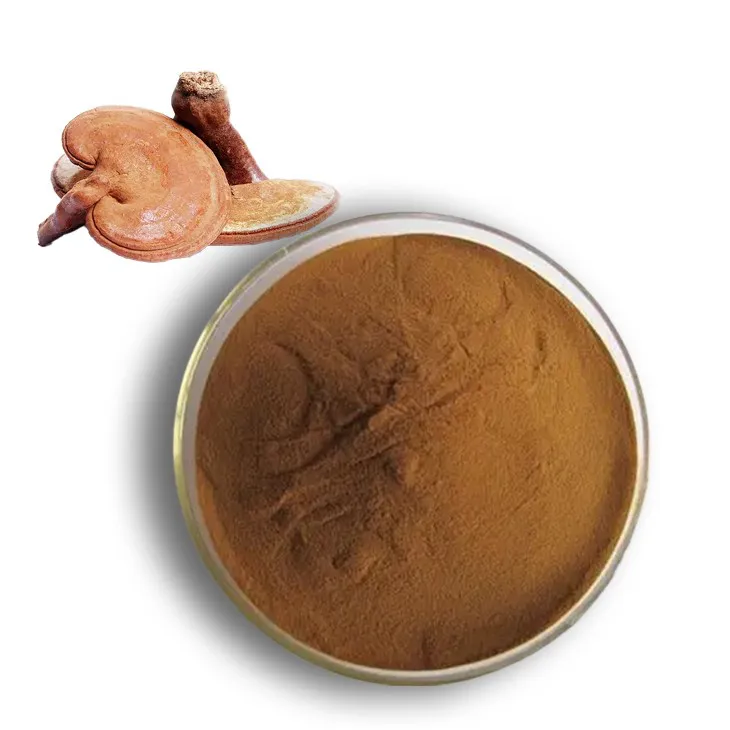
Reishi mushroom extract
2026-10-28
-
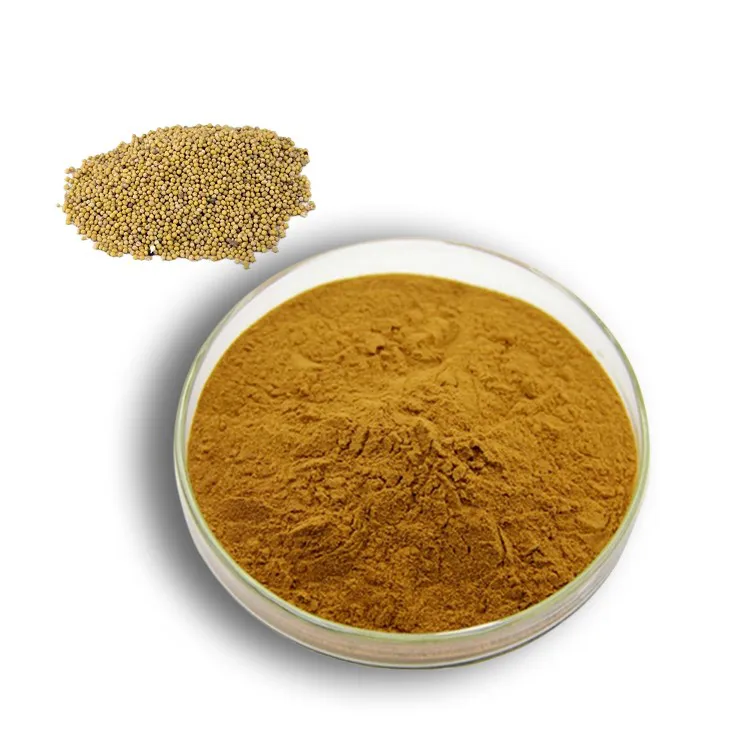
White mustard seed extract
2026-10-28
-
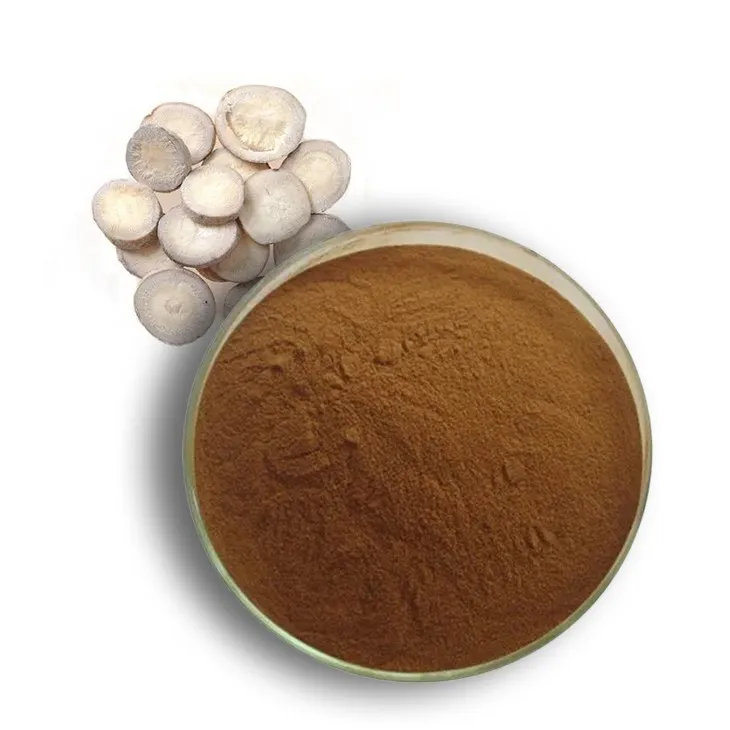
White Peony Extract
2026-10-28
-
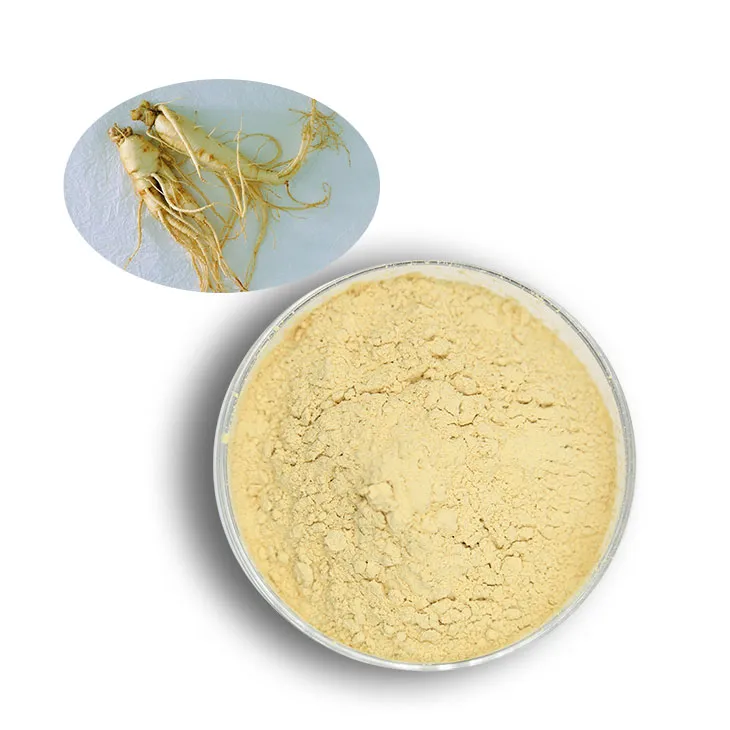
American Ginseng Root Extract
2026-10-28
-
Boswellia Serrata Extract
2026-10-28
-
Echinacea Extract
2026-10-28
-
Panax Ginseng Leaf Extract
2026-10-28
-
Agaricus Blazei Extract
2026-10-28
-
Grapefruit Seed Extract Powder
2026-10-28