- 0086-571-85302990
- [email protected]




What Is Saw Palmetto Extract? Benefits for Prostate Health, Dosage & B2B Sourcing (2026)
2026-10-24
Introduction
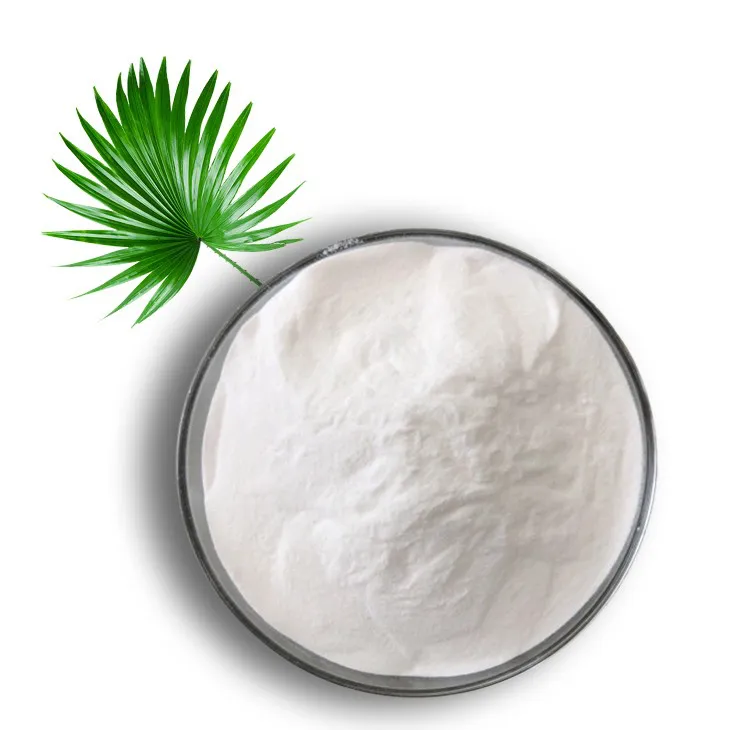
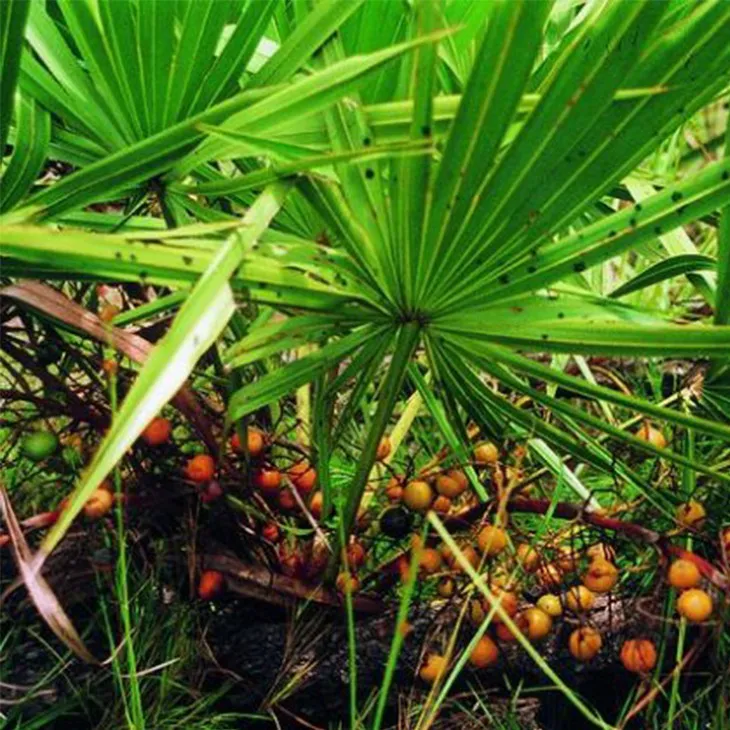
Saw palmetto (Serenoa repens) is one of the most widely used herbal supplements in the world, particularly for supporting men's prostate health and urinary function. Native to the southeastern United States, the dark purple berries of the saw palmetto palm have been used for centuries by Native American peoples and, more recently, have become a cornerstone of the global dietary supplement industry.
In this comprehensive guide, we'll explore the science behind Saw Palmetto Extract, its key active compounds, recommended dosage, and what B2B buyers should look for when sourcing this popular botanical ingredient.
The Science Behind Saw Palmetto
Active Compounds
Saw palmetto berry extract contains a complex profile of bioactive compounds:
Fatty acids (lauric, oleic, myristic, palmitic acids) — The primary active fraction, typically standardized to 85–95% total fatty acids
Phytosterols (β-sitosterol, campesterol, stigmasterol) — Plant sterols with documented health benefits
Flavonoids — Antioxidant compounds
Polysaccharides — Immune-modulating compounds
How Does It Work?
The primary mechanism of action for Saw Palmetto Extract relates to its effect on 5-alpha-reductase, the enzyme responsible for converting testosterone to dihydrotestosterone (DHT). Elevated DHT levels are associated with:
Benign Prostatic Hyperplasia (BPH) — Enlarged prostate gland
Androgenetic alopecia — Male pattern hair loss
By inhibiting 5-alpha-reductase activity, saw palmetto extract may help support healthy prostate function and maintain healthy hair growth patterns.
What Does the Research Say?
Multiple clinical studies have investigated saw palmetto's efficacy for prostate health:
A 2012 meta-analysis published in the Cochrane Database of Systematic Reviews found that saw palmetto extracts improved urinary symptoms and flow measures in men with BPH.
Research in the Journal of the American Medical Association (JAMA) and other peer-reviewed journals has shown mixed but generally supportive results, with extract quality and standardization being key factors.
More recent studies suggest that supercritical CO₂ extracted saw palmetto, which preserves the full spectrum of fatty acids, may offer superior efficacy compared to hexane-extracted versions.
Key Applications
1. Prostate Health Supplements
The largest market for saw palmetto extract. Typically formulated as capsules or softgels, often combined with other prostate-supporting ingredients like:
Pygeum africanum bark extract
Stinging Nettle Root Extract
Beta-sitosterol
Zinc
2. Hair Health Products
Growing demand for saw palmetto in hair health supplements and topical formulations targeting androgenetic alopecia.
3. Men's Wellness Blends
Increasingly incorporated into comprehensive men's health formulas alongside ingredients like ashwagandha, tribulus, and fenugreek.
What to Look for in Saw Palmetto Extract
Standardization Levels
Quality saw palmetto extracts are typically standardized to:
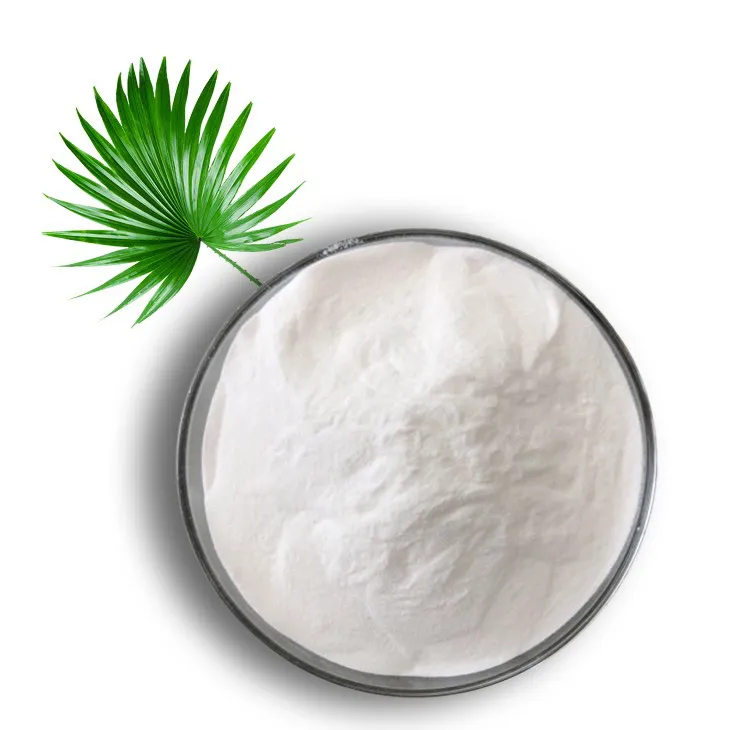
Specification Range Total fatty acids 85–95% Lauric acid 20–30% Oleic acid 20–30% Appearance Dark green to brown viscous liquid or powder
Extraction Methods
The extraction method significantly impacts quality:
Supercritical CO₂ extraction — Preserves the full fatty acid profile without solvent residues; preferred method for premium products
Ethanol extraction — Common method, good balance of cost and quality
Hexane extraction — Lower cost but may leave trace solvent residues
Always request a Certificate of Analysis (COA) that includes solvent residue testing and fatty acid profile verification.
Dosage Guidelines
For B2B formulators, typical dosage ranges for finished products:
Prostate health supplements: 160–320 mg of standardized extract (85–95% fatty acids) per day
Hair health supplements: 100–320 mg per day
General wellness blends: 50–200 mg per day
These ranges are based on clinical study dosages and should be adjusted according to your target market's regulatory requirements.
Sourcing Saw Palmetto Extract from China
While saw palmetto berries are native to North America, China has become a major processing and extraction hub for this ingredient. Key advantages of sourcing from Chinese manufacturers include:
Competitive pricing — Economies of scale and efficient processing
Advanced extraction technology — Many Chinese facilities use supercritical CO₂ extraction
Comprehensive testing — HPLC and GC testing for fatty acid profiling
International certifications — ISO, GMP, BRCGS, HALAL, Kosher
What Greensky Bio Offers
Hangzhou Greensky Biological Tech.Co., Ltd supplies premium saw palmetto berry extract from its GMP-certified Jiangxi production facility. With independent laboratory testing (GC, HPLC, UV) and comprehensive international certifications, Greensky ensures consistent quality for global clients.
FAQ
What's the difference between saw palmetto berry and saw palmetto leaf extract?
Saw palmetto berry extract contains the highest concentration of active fatty acids and is the form used in clinical studies. Leaf extract has different compounds and is less commonly used in supplements.
Is saw palmetto extract safe?
Saw palmetto is generally well-tolerated. The most common side effects are mild digestive discomfort. Always source from reputable manufacturers who test for contaminants and provide accurate standardization data.
Can saw palmetto extract be used in cosmetics?
Yes. Saw palmetto extract is increasingly used in hair care and skincare products for its DHT-inhibiting and antioxidant properties.
Conclusion
- ▶ Hesperidin
- ▶ Citrus Bioflavonoids
- ▶ Plant Extract
- ▶ lycopene
- ▶ Diosmin
- ▶ Grape seed extract
- ▶ Sea buckthorn Juice Powder
- ▶ Fruit Juice Powder
- ▶ Hops Extract
- ▶ Artichoke Extract
- ▶ Mushroom extract
- ▶ Astaxanthin
- ▶ Green Tea Extract
- ▶ Curcumin
- ▶ Horse Chestnut Extract
- ▶ Other Product
- ▶ Boswellia Serrata Extract
- ▶ Resveratrol
- ▶ Marigold Extract
- ▶ Grape Leaf Extract
- ▶ New Product
- ▶ Aminolevulinic acid
- ▶ Cranberry Extract
- ▶ Red Yeast Rice
- ▶ Red Wine Extract
- ▶ blog
-
Kupilu Extract
2026-10-24
-
Stevia Extract
2026-10-24
-
Aguaje Extract
2026-10-24
-
Troxerutin
2026-10-24
-
Natural grape seed extract
2026-10-24
-
Sea buckthorn oil
2026-10-24
-
Moringa powder
2026-10-24
-
Lion's Mane Mushroom Extract
2026-10-24
-
Andrographis Paniculata Extract Powder
2026-10-24
-
Nutmeg Extract
2026-10-24