- 0086-571-85302990
- [email protected]




What Is Rhodiola Rosea Extract? Adaptogen Science, Mental Performance & B2B Sourcing Guide (2026)
2026-10-19
Meta Title: What Is Rhodiola Rosea Extract? Mental Performance & B2B Sourcing Guide (2026)Meta Description: Complete B2B guide to Rhodiola rosea extract. Covers adaptogen science, mental performance enhancement, rosavin & salidroside chemistry, extraction methods & quality sourcing for supplement manufacturers.Keywords: Rhodiola rosea extract manufacturer, rosavin bulk supplier, adaptogen supplement wholesale, Rhodiola root extract 3% rosavins, mental performance ingredient, golden root extract, salidroside standard, B2B Rhodiola rosea sourcing, fatigue reduction supplement
What Is Rhodiola Rosea Extract?
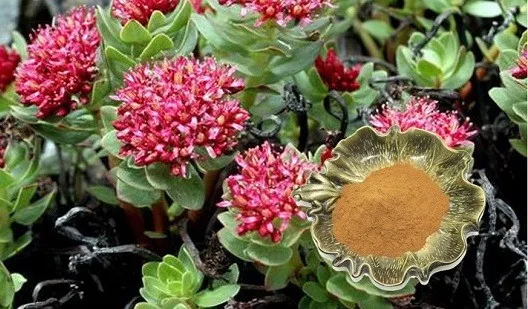
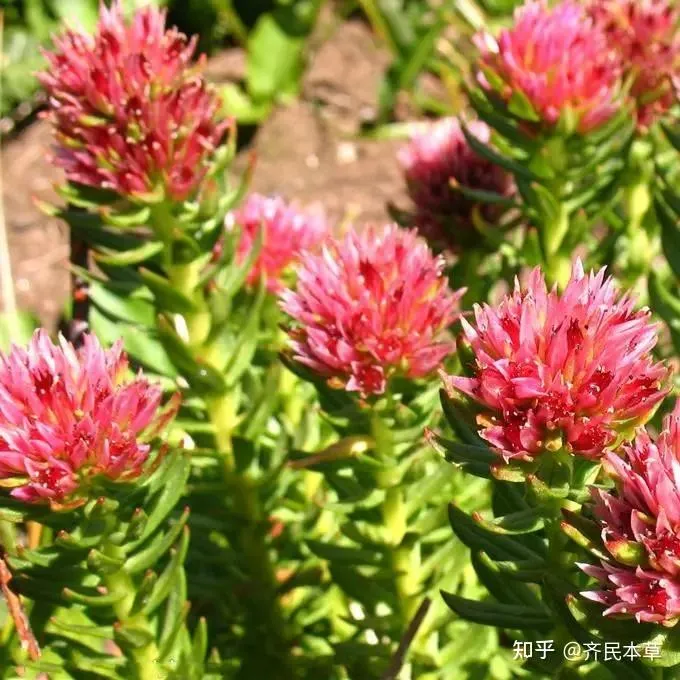
Rhodiola rosea extract is a standardized botanical preparation derived from the rhizomes and roots of Rhodiola rosea L., a perennial herb belonging to the Crassulaceae (stonecrop) family. Native to the arctic and alpine regions of Europe, Central Asia, and Scandinavia, Rhodiola rosea — also known as "golden root," "Arctic root," or "roseroot" — has been used for centuries in traditional Scandinavian, Russian, and Chinese medicine to enhance physical endurance, cognitive performance, and resistance to environmental stress.
Rhodiola rosea was officially classified as an adaptogen in 1947 by Soviet toxicologist Nikolai Lazarev, who defined adaptogens as substances that increase the body's resistance to physical, chemical, and biological stressors in a non-specific manner.
The primary bioactive compounds in Rhodiola rosea are:
Rosavins (rosavin, rosarin, rosiridin) — phenylpropanoid glycosides unique to Rhodiola rosea, serving as the standardization markers for this species.
Salidroside (rhodioloside) — a phenylethanoid glycoside with significant neuroprotective, antioxidant, and adaptogenic properties.
Tyrosol — a phenolic antioxidant that serves as the aglycone of salidroside and contributes to the extract's biological activity.
Flavonoids — including rhodionin, rhodiolin, and tricin, providing antioxidant and anti-inflammatory support.
Phenolic acids — including chlorogenic acid, gallic acid, and cinnamic acid derivatives.
Standardized Rhodiola rosea extracts typically contain a ratio of 3% rosavins to 1% salidroside (3:1 ratio), which reflects the natural proportion found in the raw root. The global Rhodiola rosea extract market is projected to reach USD 200–300 million by 2030, driven by growing demand in the mental performance, stress management, and sports nutrition categories.
This comprehensive guide covers the science of Rhodiola rosea's active compounds, their multi-system health benefits, extraction and standardization processes, quality parameters, and essential considerations for B2B sourcing from a certified manufacturer.
The Science of Rhodiola Rosea: Mechanisms of Action
HPA Axis Modulation & Stress Response
Like other adaptogens, Rhodiola rosea modulates the hypothalamic-pituitary-adrenal (HPA) axis:
Cortisol regulation: Clinical studies demonstrate normalized cortisol levels in stressed individuals, preventing both excessive elevation and depletion.
Stress hormone balance: Modulation of catecholamine (epinephrine, norepinephrine) release during stress exposure.
Heat shock protein (Hsp70) induction: Rosavins and salidroside upregulate Hsp70 expression, protecting cells from stress-induced damage.
Nitric oxide modulation: Salidroside regulates NO production, supporting vascular function during stress.
Neurotransmitter Modulation
Rhodiola rosea influences multiple neurotransmitter systems critical for mental performance:
Serotonin: Inhibition of monoamine oxidase-A (MAO-A) and monoamine oxidase-B (MAO-B) increases serotonin availability in synaptic clefts.
Dopamine: Enhanced dopaminergic signaling supports motivation, reward processing, and cognitive flexibility.
Norepinephrine: Modulation of noradrenergic activity supports alertness, attention, and stress resilience.
Beta-endorphins: Increased beta-endorphin levels contribute to improved mood and stress tolerance.
Acetylcholine: Protection of cholinergic function supports memory and learning capacity.
A key advantage of Rhodiola rosea over stimulant-based cognitive enhancers is its ability to enhance neurotransmitter activity without causing receptor downregulation, tolerance, or withdrawal — making it suitable for sustained daily use.
Mitochondrial Energy Metabolism
Rhodiola rosea supports cellular energy production through multiple mechanisms:
ATP synthesis enhancement: Salidroside stimulates mitochondrial ATP production and reduces oxidative damage to mitochondrial membranes.
AMPK activation: Activation of AMP-activated protein kinase (AMPK) promotes fatty acid oxidation and glucose uptake.
Creatine kinase stimulation: Enhanced phosphocreatine recycling supports rapid ATP regeneration during physical exertion.
Glycogen preservation: Reduced glycogen depletion during exercise extends endurance capacity.
Anti-Fatigue Mechanisms
Rhodiola rosea's anti-fatigue effects are mediated through multiple pathways:
Lactic acid reduction: Reduced blood lactate accumulation during physical exertion.
Urea nitrogen clearance: Enhanced clearance of blood urea nitrogen (BUN), a marker of metabolic fatigue.
Free radical scavenging: Rosavins and salidroside neutralize exercise-induced free radicals, reducing oxidative stress.
Central fatigue reduction: Modulation of the serotonin/dopamine balance in the brain reduces central fatigue perception.
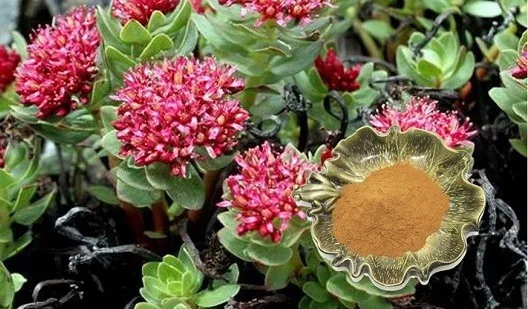
Top Science-Supported Benefits of Rhodiola Rosea Extract
1. Mental Performance & Cognitive Enhancement
Rhodiola rosea is one of the most clinically validated adaptogens for cognitive performance:
Attention & concentration: Improved sustained attention and reduced distractibility in fatigue-inducing conditions.
Processing speed: Faster information processing and reaction times in cognitive testing.
Working memory: Enhanced working memory capacity, particularly under stress or fatigue conditions.
Mental fatigue reduction: Significant reduction in mental fatigue scores in night-shift workers and students during examination periods.
A landmark 2000 study published in Phytomedicine (Darbinyan et al.) demonstrated that Rhodiola rosea extract (SHR-5, 576 mg/day for 14 days) significantly reduced mental fatigue and improved cognitive performance in night-shift physicians, with effects measurable within 2 hours of administration.
2. Stress Relief & Burnout Prevention
Rhodiola rosea provides clinically meaningful stress management benefits:
Burnout reduction: Significant improvements in the Maslach Burnout Inventory (MBI) scores in individuals experiencing occupational burnout.
Stress symptom relief: Reduced emotional exhaustion, depersonalization, and improved personal accomplishment.
Quality of life: Enhanced WHOQOL-BREF scores across physical, psychological, and social domains.
Mood support: Improved mood and reduced anxiety in stressed populations.
A 2017 RCT published in Phytotherapy Research (Olsson et al.) found that 400 mg/day of Rhodiola rosea extract for 12 weeks significantly improved burnout symptoms, with clinical improvements evident as early as one week after treatment initiation.
3. Physical Endurance & Athletic Performance
Rhodiola rosea has demonstrated ergogenic benefits in athletic populations:
Endurance enhancement: Improved time-to-exhaustion and VO₂ max in trained athletes.
Recovery acceleration: Reduced exercise-induced muscle damage markers and inflammation.
Lactate threshold: Increased lactate threshold, allowing sustained higher-intensity exercise.
Altitude adaptation: Improved oxygen utilization and reduced altitude sickness symptoms in high-altitude conditions.
A 2004 study published in the Journal of Sports Medicine and Physical Fitness found that Rhodiola rosea supplementation (200 mg/day for 4 weeks) significantly reduced lactate levels and creatine kinase levels after exhausting exercise, indicating improved endurance and reduced muscle damage.
4. Mood Support & Depression Adjunct
Rhodiola rosea shows promise as a natural mood-supporting ingredient:
Mild-to-moderate depression: Clinical trials demonstrate significant reductions in depression rating scores (HAM-D) with Rhodiola rosea supplementation.
Anxiety reduction: Complementary anxiolytic effects through GABAergic and serotonergic mechanisms.
Adjunct therapy: Enhanced efficacy when combined with conventional antidepressants in clinical studies.
A 2007 RCT published in Nordic Journal of Psychiatry (Bystritsky et al.) found that Rhodiola rosea extract produced statistically significant improvements in depression scores, with particularly notable effects on emotional instability, insomnia, and somatization.
5. Cardiovascular Health Support
Rhodiola rosea supports cardiovascular function through multiple mechanisms:
Cardioprotection: Salidroside protects cardiac myocytes from ischemia-reperfusion injury in preclinical models.
Anti-arrhythmic activity: Stabilization of cardiac electrophysiology in animal models of arrhythmia.
Blood pressure modulation: Mild adaptogenic regulation of blood pressure in stressed individuals.
Lipid metabolism: Improved lipid profiles through enhanced fatty acid oxidation.
Rhodiola Rosea Extract Production: From Root to Standardized Powder
Raw Material Selection & Sustainability
Premium Rhodiola rosea extract requires carefully sourced rhizomes and roots:
Geographic origin: Siberia, Scandinavian mountains, Tibet, and the Caucasus region are primary growing areas. Higher-altitude, colder-climate plants typically have higher rosavin and salidroside content.
Harvest timing: Roots are typically harvested from 3–5 year old plants in autumn when bioactive compound content peaks.
Sustainability concern: Due to overharvesting, wild Rhodiola rosea is listed in CITES Appendix II and on the IUCN Red List. Responsible sourcing should prioritize cultivated plants or verified sustainable wild-harvest programs.
Quality criteria: High rosavin and salidroside content, proper drying (shade-dried or low-temperature dried to preserve thermolabile compounds), no fungal contamination.
Extraction & Standardization Process
Step Description 1. Root preparation Dried Rhodiola roots and rhizomes are cleaned, sorted, and milled to increase surface area 2. Solvent extraction Milled roots are extracted with ethanol or a water-ethanol mixture at controlled temperature to dissolve rosavins and salidroside 3. Filtration & concentration Insoluble plant material is removed; solvent is recovered under reduced pressure at low temperature (≤50°C) to preserve thermolabile compounds 4. Purification Selective purification concentrates active compounds while removing non-active components 5. Standardization Extract is blended or further processed to achieve the target 3% rosavins / 1% salidroside (3:1) ratio 6. Drying Low-temperature vacuum drying or spray drying produces consistent powder 7. Quality testing Comprehensive analysis per finished product specifications
Critical: Preservation of Thermolabile Compounds
Rosavins are thermolabile (heat-sensitive) compounds that can degrade during high-temperature processing. GreenSky Bio implements controlled-temperature extraction and drying processes (≤50°C) throughout production to preserve the full spectrum of bioactive compounds.
Quality Standards & Testing
Key Specifications for Standardized Rhodiola Rosea Extract
Parameter Standard Rosavins (total) ≥3.0% (HPLC) — Rosavin ≥1.5% — Rosarin ≥1.0% — Rosiridin ≥0.5% Salidroside ≥1.0% (HPLC) Rosavin:Salidroside Ratio Approximately 3:1 Appearance Light brown to brown fine powder Loss on Drying ≤5.0% Heavy Metals Pb ≤2 ppm, As ≤1 ppm, Cd ≤1 ppm, Hg ≤0.1 ppm Pesticide Residues Compliant with EU/USP limits Microbiological Total plate count <1,000 CFU/g; E. coli negative; Salmonella negative Solvent Residues Compliant with ICH Q3C guidelines
Species Adulteration — A Critical Quality Issue
Rhodiola rosea is frequently adulterated with other Rhodiola species (e.g., R. crenulata, R. sachalinensis, R. kirilowii) that contain salidroside but lack rosavins entirely. Since rosavins are unique to R. rosea, their presence (or absence) is the definitive marker of species authenticity.
GreenSky Bio verifies species identity through HPLC rosavin profiling on every batch, ensuring that only genuine Rhodiola rosea L. is used in production.
B2B Sourcing: Key Considerations for Buyers
What to Verify When Sourcing Rhodiola Rosea Extract
Rosavin confirmation: Verify the presence and quantification of rosavins (rosavin, rosarin, rosiridin) via HPLC — this confirms genuine R. rosea species.
Rosavin:salidroside ratio: Confirm the 3:1 ratio, which reflects the natural proportion in the raw root.
Species authentication: Request DNA barcoding or HPLC fingerprint analysis to confirm R. rosea (not other Rhodiola species).
Sustainability documentation: Request evidence of sustainable sourcing (cultivation or verified sustainable wild-harvest programs).
Thermolabile compound preservation: Verify that extraction and drying processes maintain temperatures ≤50°C.
Heavy metal screening: Essential given potential soil contamination in high-altitude growing regions.
Regulatory compliance: Ensure compliance with target market regulations, including EFSA health claim assessments and FDA GRAS status.
GreenSky Bio's Advantages
20+ years experience in natural plant extract R&D and production
ISO22000, BRCGS, Ecocert, SGS-GMP certified production facilities
Independent laboratory equipped with HPLC, GC, UV for comprehensive quality testing
Sustainable sourcing practices — prioritizing cultivated Rhodiola rosea over wild-harvested material
Low-temperature processing — preserving thermolabile rosavins throughout production
Global export experience — main markets include Europe, USA, South Korea, and Russia
Annual production capacity of 500+ tons of herb extracts
Comprehensive documentation — COA, MSDS, allergen statements, and regulatory support
- ▶ Hesperidin
- ▶ Citrus Bioflavonoids
- ▶ Plant Extract
- ▶ lycopene
- ▶ Diosmin
- ▶ Grape seed extract
- ▶ Sea buckthorn Juice Powder
- ▶ Fruit Juice Powder
- ▶ Hops Extract
- ▶ Artichoke Extract
- ▶ Mushroom extract
- ▶ Astaxanthin
- ▶ Green Tea Extract
- ▶ Curcumin
- ▶ Horse Chestnut Extract
- ▶ Other Product
- ▶ Boswellia Serrata Extract
- ▶ Resveratrol
- ▶ Marigold Extract
- ▶ Grape Leaf Extract
- ▶ New Product
- ▶ Aminolevulinic acid
- ▶ Cranberry Extract
- ▶ Red Yeast Rice
- ▶ Red Wine Extract
- ▶ blog
-
Sophora Japonica Flower Extract
2026-10-19
-
Hesperidin
2026-10-19
-
Feverfew Extract
2026-10-19
-
Liposomal Berberine HCl
2026-10-19
-
Soy Extract
2026-10-19
-
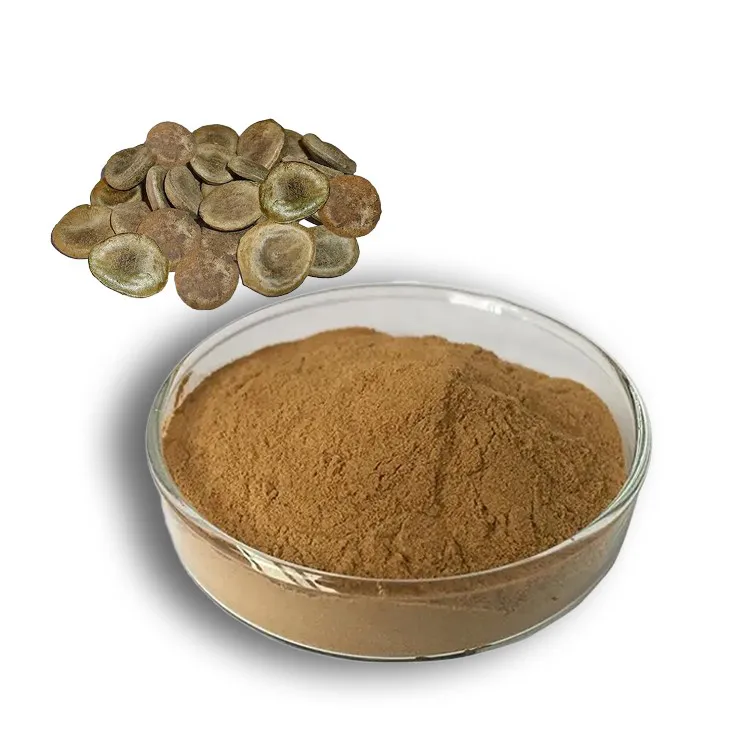
Kupilu Extract
2026-10-19
-
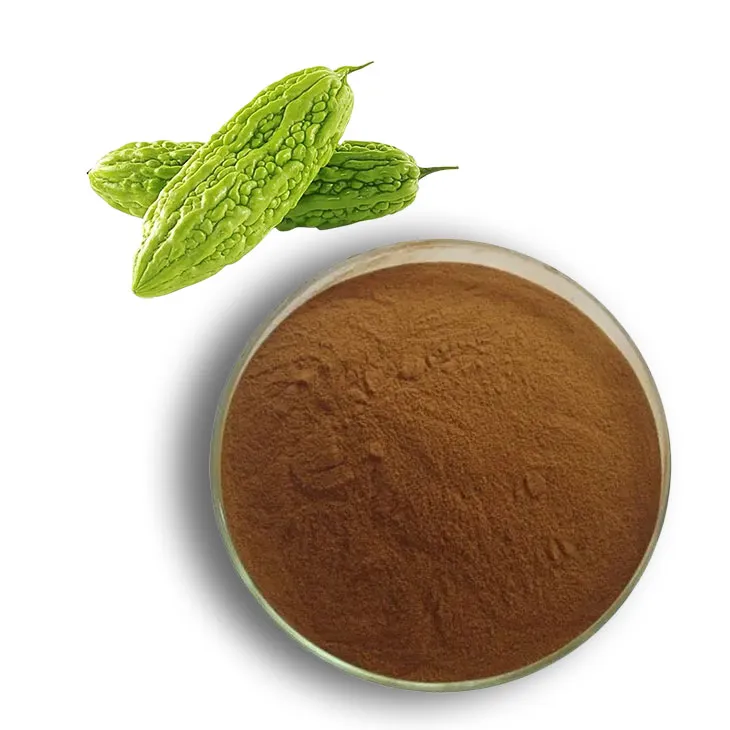
Bitter Melon Extract
2026-10-19
-
Rhodiola Rosea Extract
2026-10-19
-
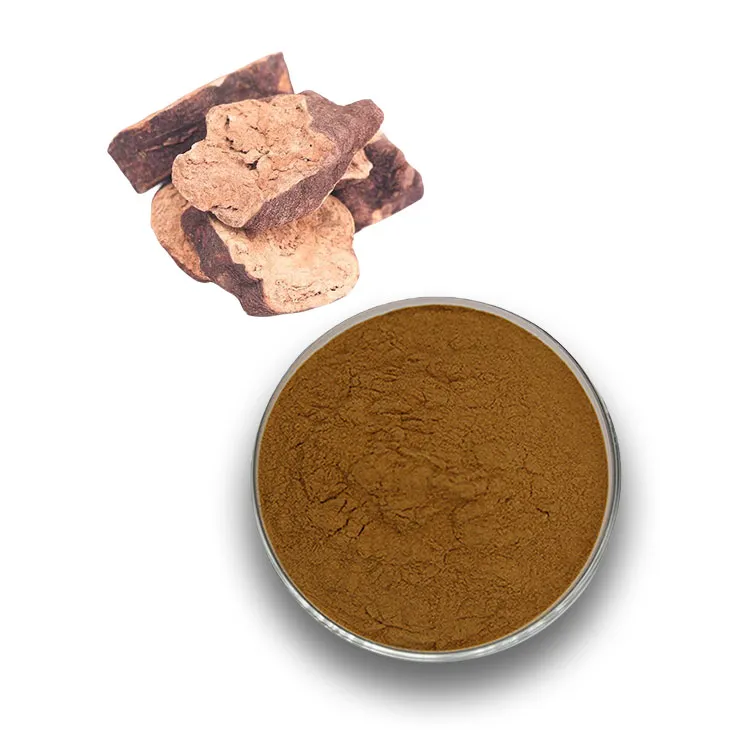
Polygonum multiflorum extract
2026-10-19
-
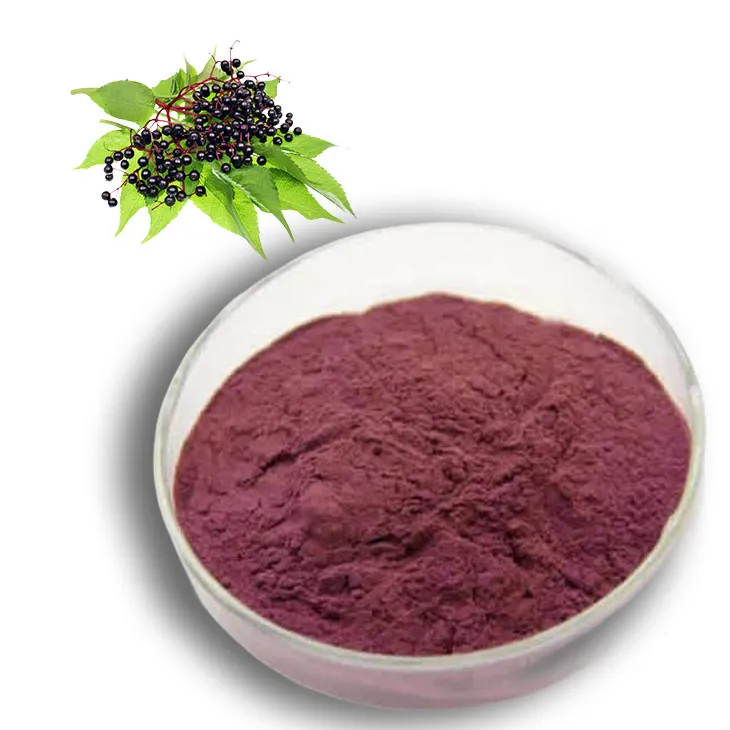
Elderberry Extract
2026-10-19