- 0086-571-85302990
- [email protected]




What Is Ginkgo Biloba Extract? Cognitive Health Science, Circulation Support & B2B Sourcing Guide (2
2026-10-19
Meta Title: What Is Ginkgo Biloba Extract? Cognitive Health & B2B Sourcing Guide (2026)Meta Description: Complete B2B guide to Ginkgo biloba extract. Covers cognitive health science, circulation benefits, flavonoid & terpene lactone chemistry, standardized extraction & quality sourcing for supplement manufacturers.Keywords: Ginkgo biloba extract manufacturer, EGb 761 standard, Ginkgo flavone glycosides bulk, cognitive health supplement wholesale, Ginkgo terpene lactones, memory support ingredient, standardized Ginkgo extract supplier, B2B Ginkgo biloba sourcing
What Is Ginkgo Biloba Extract?
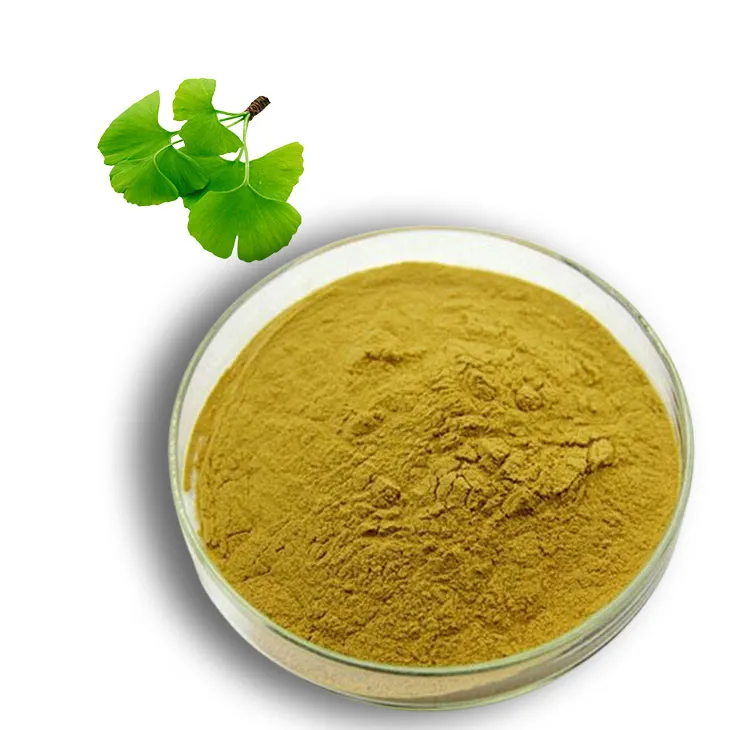
Ginkgo biloba extract is a standardized botanical preparation derived from the dried leaves of Ginkgo biloba L., one of the oldest living tree species on Earth — a "living fossil" that has existed for over 200 million years. Often called the "maidenhair tree," Ginkgo biloba is the sole surviving member of the Ginkgoaceae family and has been used in traditional Chinese medicine for over 5,000 years.
The therapeutic activity of Ginkgo biloba extract is attributed to two primary classes of bioactive compounds:
Flavonoid glycosides (24% in standardized extracts): Including Quercetin, kaempferol, and isorhamnetin derivatives — potent antioxidants that protect vascular endothelium and neural tissue from oxidative damage.
Terpene lactones (6% in standardized extracts): Including ginkgolides A, B, C, and J, plus bilobalide — unique compounds found almost exclusively in Ginkgo that provide neuroprotective, anti-platelet, and microcirculatory benefits.
The standardized 24% flavone glycosides / 6% terpene lactones ratio (commonly known as the EGb 761 specification) is the most extensively researched botanical extract in the world, with over 600 peer-reviewed clinical trials documenting its effects on cognitive function, cerebral circulation, and peripheral vascular health.
The global Ginkgo biloba extract market is projected to reach USD 1.5–2.0 billion by 2030, driven by growing aging populations, increasing awareness of cognitive health, and expanding applications in dietary supplements, pharmaceuticals, and cosmetics.
This comprehensive guide covers the science of Ginkgo biloba's active compounds, their multi-system health benefits, the standardized extraction process, quality parameters, and essential considerations for B2B sourcing from a certified manufacturer.
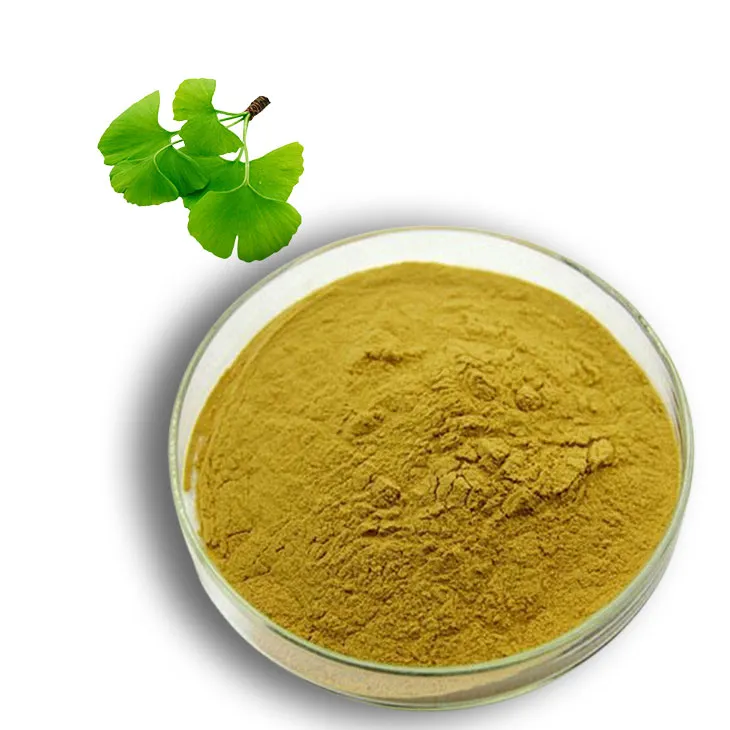
The Science of Ginkgo Biloba: Mechanisms of Action
Cerebral Blood Flow Enhancement
Ginkgo biloba's most well-documented mechanism is its ability to improve blood flow to the brain:
Vasodilation: Ginkgo flavonoids stimulate endothelial nitric oxide synthase (eNOS), increasing nitric oxide (NO) production and promoting cerebral vasodilation.
Reduced blood viscosity: Terpene lactones, particularly ginkgolide B, inhibit platelet-activating factor (PAF), reducing platelet aggregation and improving blood fluidity.
Capillary perfusion: Enhanced microcirculation ensures optimal oxygen and glucose delivery to neural tissue.
A meta-analysis published in Phytomedicine (2018) confirmed that Ginkgo biloba extract significantly improves cerebral blood flow velocity in patients with cognitive impairment, providing a physiological basis for its cognitive benefits.
Neuroprotection & Antioxidant Defense
Ginkgo biloba provides targeted neuroprotective effects through multiple pathways:
Free radical scavenging: Flavonoid glycosides neutralize ROS and RNS in neural tissue, protecting neurons from oxidative damage.
Mitochondrial protection: Bilobalide protects neuronal mitochondria from oxidative stress and supports ATP production efficiency.
Amyloid-beta modulation: EGb 761 reduces amyloid-beta aggregation and toxicity in preclinical models of Alzheimer's disease.
Anti-apoptotic activity: Suppression of neuronal apoptosis through Bcl-2 upregulation and caspase-3 inhibition.
Anti-Inflammatory Modulation
Ginkgo biloba modulates neuroinflammation through multiple pathways:
NF-κB inhibition: Reduced expression of pro-inflammatory cytokines (TNF-α, IL-1β, IL-6) in neural tissue.
PAF receptor antagonism: Ginkgolide B is a potent and selective PAF receptor antagonist, reducing platelet-mediated inflammation.
Microglial modulation: Suppression of microglial activation reduces chronic neuroinflammation associated with cognitive decline.

Top Science-Supported Benefits of Ginkgo Biloba Extract
1. Cognitive Function & Memory Support
Ginkgo biloba is the most extensively researched botanical ingredient for cognitive health:
Memory enhancement: Multiple RCTs demonstrate improved memory performance in healthy adults and older populations. A comprehensive Cochrane review (2009) analyzed 36 trials and concluded that Ginkgo biloba extract provides statistically significant cognitive benefits.
Processing speed: Improved reaction time and information processing speed in clinical studies.
Working memory: Enhanced working memory capacity, particularly relevant for aging populations.
Attention & concentration: Improved sustained attention and reduced mental fatigue.
The German Commission E and ESCOP (European Scientific Cooperative on Phytotherapy) both recognize Ginkgo biloba extract for the symptomatic treatment of cognitive impairment and dementia.
2. Dementia & Alzheimer's Disease Support
Ginkgo biloba extract has been extensively studied as a supportive therapy for dementia:
Clinical evidence: Multiple large-scale trials (including the GEM study with 3,000+ participants) demonstrate cognitive stabilization and reduced functional decline in dementia patients.
Neuropsychiatric symptoms: Reduction in apathy, anxiety, and depression commonly associated with dementia.
Activities of daily living: Improved ability to perform daily activities in mild-to-moderate dementia.
Combination therapy: Enhanced efficacy when combined with cholinesterase inhibitors (donepezil, rivastigmine).
A 2022 meta-analysis in Frontiers in Pharmacology confirmed that EGb 761 (240 mg/day) significantly improved cognitive function and activities of daily living in patients with dementia.
3. Peripheral Circulation & Claudication
Ginkgo biloba improves peripheral blood flow through vasodilation and anti-platelet mechanisms:
Intermittent claudication: Improved pain-free walking distance in patients with peripheral arterial disease (PAD).
Cold extremities: Reduced symptoms of cold hands and feet associated with poor peripheral circulation.
Microcirculation: Enhanced capillary blood flow in skin and mucosal tissues.
The German Commission E specifically approves Ginkgo biloba extract for peripheral arterial occlusive disease.
4. Eye Health & Glaucoma Support
Ginkgo biloba's circulatory benefits extend to ocular health:
Normal-tension glaucoma: Clinical studies show improved visual field parameters in patients with normal-tension glaucoma following Ginkgo biloba supplementation.
Diabetic retinopathy: Antioxidant and circulatory benefits support retinal microvascular health.
Macular degeneration: Antioxidant protection of retinal tissue may slow age-related macular degeneration progression.
5. Tinnitus & Vertigo Management
Ginkgo biloba is widely used for vestibular and auditory symptoms:
Tinnitus: Multiple studies demonstrate reduction in tinnitus severity, particularly when associated with vascular or neurological origins.
Vertigo: Improved vestibular function through enhanced inner ear microcirculation.
Hearing loss: Antioxidant protection of cochlear hair cells may reduce noise-induced and age-related hearing loss.
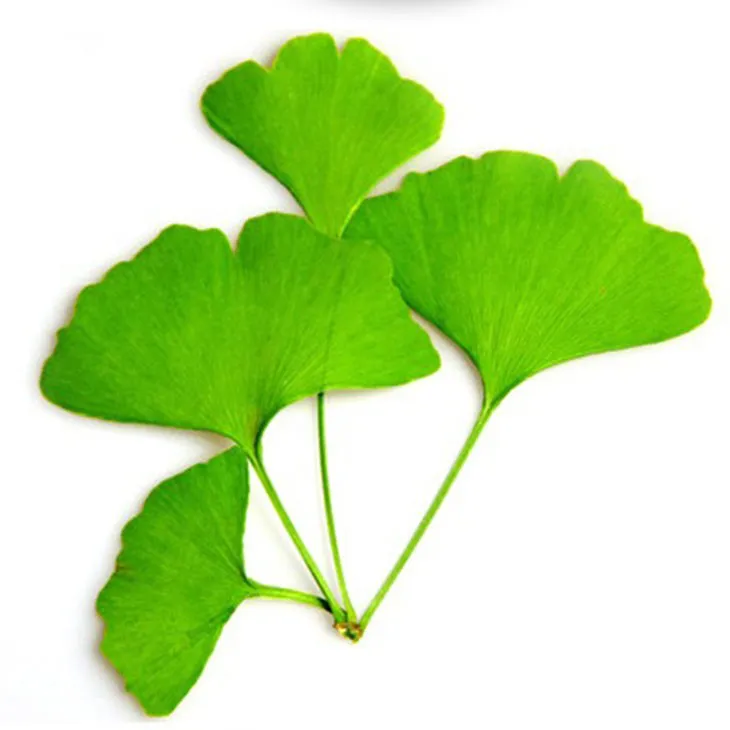
Ginkgo Biloba Extract Production: From Leaf to Standardized Powder
Raw Material Selection
Premium Ginkgo biloba extract requires carefully sourced leaves:
Species: Only Ginkgo biloba L. (not other Ginkgo species or cultivars with different phytochemical profiles).
Harvest timing: Leaves are harvested in late summer to early autumn when flavonoid and terpene lactone content peaks.
Quality criteria: Green, undamaged leaves with no yellowing or fungal contamination; proper drying to preserve active compounds.
Standardized Extraction Process (EGb 761 Protocol)
Step Description 1. Leaf preparation Dried Ginkgo leaves are milled to increase surface area for extraction 2. Acetone-water extraction 60:40 acetone:water mixture at controlled temperature extracts flavonoids and terpene lactones 3. Filtration & concentration Insoluble material is removed; solvent is recovered under reduced pressure 4. Liquid-liquid partitioning Ethyl acetate partitioning concentrates the active fraction 5. Adsorption chromatography Removes unwanted compounds (ginkgolic acids — toxic compounds that must be <5 ppm) 6. Standardization Extract is blended to achieve the target 24% flavone glycosides / 6% terpene lactones ratio 7. Spray drying Standardized extract is spray-dried to produce consistent powder 8. Quality testing Comprehensive analysis per pharmacopoeial specifications
Ginkgolic Acid Removal — A Critical Safety Step
Ginkgo biloba leaves naturally contain ginkgolic acids, alkylphenols that are sensitizing and potentially toxic. The extraction process must reduce ginkgolic acid content to <5 ppm (European Pharmacopoeia requirement) or <1 ppm (USP requirement). This is achieved through adsorption chromatography during the extraction process.
GreenSky Bio implements rigorous ginkgolic acid testing on every batch to ensure compliance with international pharmacopoeial standards.
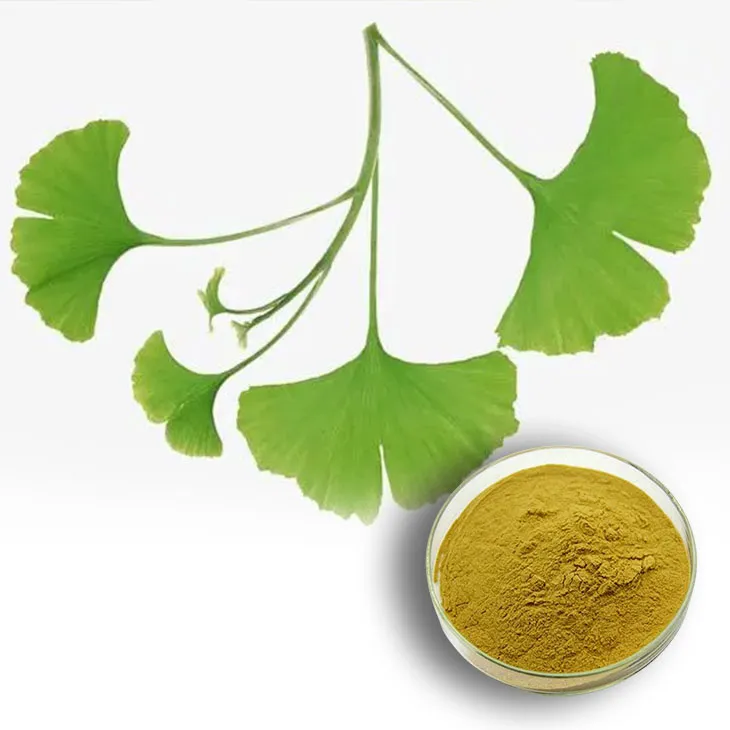
Quality Standards & Testing
Key Specifications for Standardized Ginkgo Biloba Extract
Parameter Standard Flavone Glycosides 24.0–27.0% (HPLC) Terpene Lactones 6.0–7.5% (HPLC/ELSD) — Ginkgolide A 2.8–3.4% — Ginkgolide B 2.6–3.2% — Ginkgolide C 0.5–1.9% — Bilobalide 2.6–3.2% Ginkgolic Acids <5 ppm (EP) / <1 ppm (USP) Appearance Light yellow to brown-yellow fine powder Loss on Drying ≤3.0% Heavy Metals Pb ≤2 ppm, As ≤1 ppm, Cd ≤1 ppm, Hg ≤0.1 ppm Pesticide Residues Compliant with EU/USP limits Microbiological Total plate count <1,000 CFU/g; E. coli negative; Salmonella negative Solvent Residues Compliant with ICH Q3C guidelines
B2B Sourcing: Key Considerations for Buyers
What to Verify When Sourcing Ginkgo Biloba Extract
Standardization ratio: Confirm 24% flavone glycosides / 6% terpene lactones via independent HPLC analysis.
Ginkgolic acid content: Must be <5 ppm (EP) or <1 ppm (USP) — this is a critical safety parameter.
Full terpene lactone profile: Request individual quantification of ginkgolides A, B, C, and bilobalide.
Heavy metal screening: Essential given Ginkgo's ability to accumulate metals from soil.
Pharmacopoeial compliance: Ensure compliance with European Pharmacopoeia (EP), USP, or Chinese Pharmacopoeia standards.
Clinical-grade documentation: For pharmaceutical applications, request DMF (Drug Master File) and CEP (Certificate of Suitability) documentation.
GreenSky Bio's Advantages
20+ years experience in natural plant extract R&D and production
ISO22000, BRCGS, Ecocert, SGS-GMP certified production facilities
Independent laboratory equipped with HPLC, GC, UV for comprehensive quality testing
Global export experience — main markets include Europe, USA, South Korea, and Russia
Annual production capacity of 500+ tons of herb extracts
Regulatory support — comprehensive documentation for dietary supplement and pharmaceutical applications
- ▶ Hesperidin
- ▶ Citrus Bioflavonoids
- ▶ Plant Extract
- ▶ lycopene
- ▶ Diosmin
- ▶ Grape seed extract
- ▶ Sea buckthorn Juice Powder
- ▶ Fruit Juice Powder
- ▶ Hops Extract
- ▶ Artichoke Extract
- ▶ Mushroom extract
- ▶ Astaxanthin
- ▶ Green Tea Extract
- ▶ Curcumin
- ▶ Horse Chestnut Extract
- ▶ Other Product
- ▶ Boswellia Serrata Extract
- ▶ Resveratrol
- ▶ Marigold Extract
- ▶ Grape Leaf Extract
- ▶ New Product
- ▶ Aminolevulinic acid
- ▶ Cranberry Extract
- ▶ Red Yeast Rice
- ▶ Red Wine Extract
- ▶ blog
-
Genistein
2026-10-19
-
Acai Berry Extract
2026-10-19
-
melatonin
2026-10-19
-
Kelp Extract Powder
2026-10-19
-
Saw Palmetto Extract
2026-10-19
-
Sea buckthorn Juice Powder
2026-10-19
-
Acerola Juice Powder
2026-10-19
-
Cranberry Extract
2026-10-19
-
Black Garlic Extract
2026-10-19
-
Tamarind extract powder
2026-10-19