- 0086-571-85302990
- [email protected]




What Is Quercetin? Antioxidant Science, Immune Support & B2B Sourcing Guide (2026)
2026-10-19
Meta Title: What Is Quercetin? Flavonoid Antioxidant Science & B2B Sourcing Guide (2026)Meta Description: Comprehensive guide to Quercetin extract for B2B buyers. Covers antioxidant science, immune support, bioavailability enhancement, quality specifications, and sourcing from a certified plant extract manufacturer.URL Slug: quercetinKeywords: quercetin extract, quercetin supplement, quercetin powder, flavonoid antioxidant, immune support supplement, natural quercetin source, quercetin phytosome, quercetin bulk supplier, plant extract manufacturer, Greensky Bio
Quercetin is the most abundant dietary flavonoid and one of the most extensively researched plant polyphenols in nutritional science. Found in a wide variety of fruits, vegetables, and herbs, quercetin has demonstrated powerful antioxidant, anti-inflammatory, antihistamine, and immunomodulatory properties that make it one of the most versatile botanical ingredients for B2B formulation.
For supplement manufacturers and food producers sourcing quercetin extract, understanding its diverse mechanisms of action, bioavailability challenges, and quality sourcing requirements is essential for developing effective, marketable products.
What Is Quercetin?
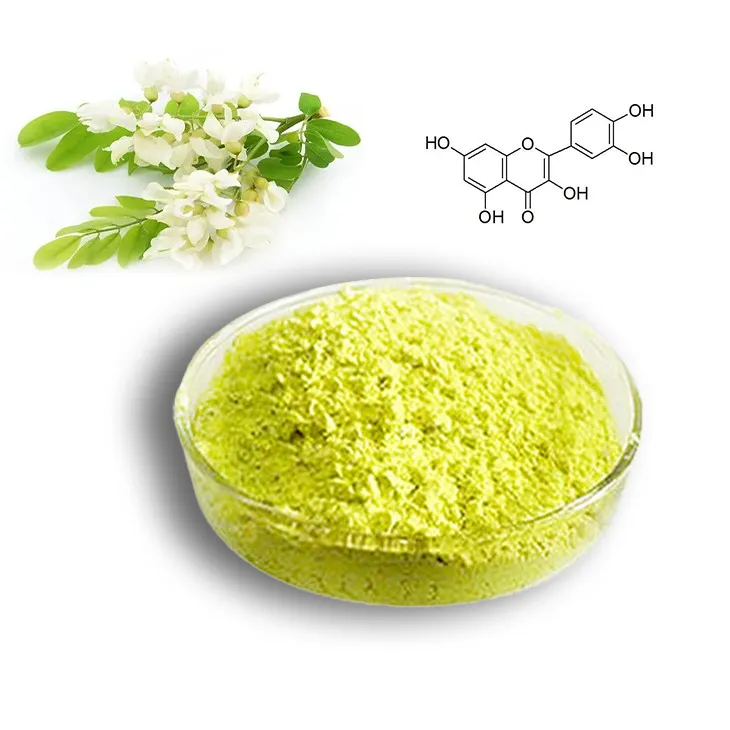
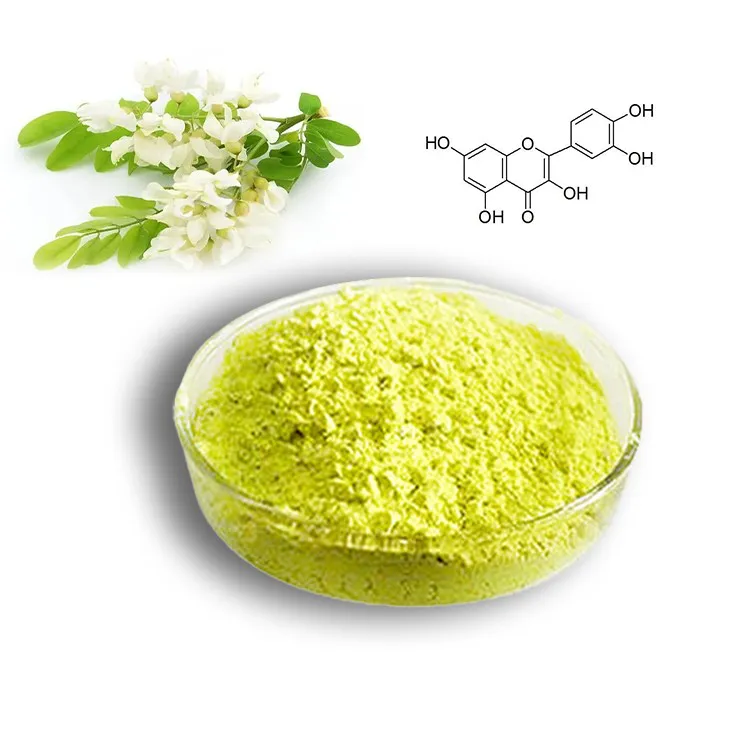
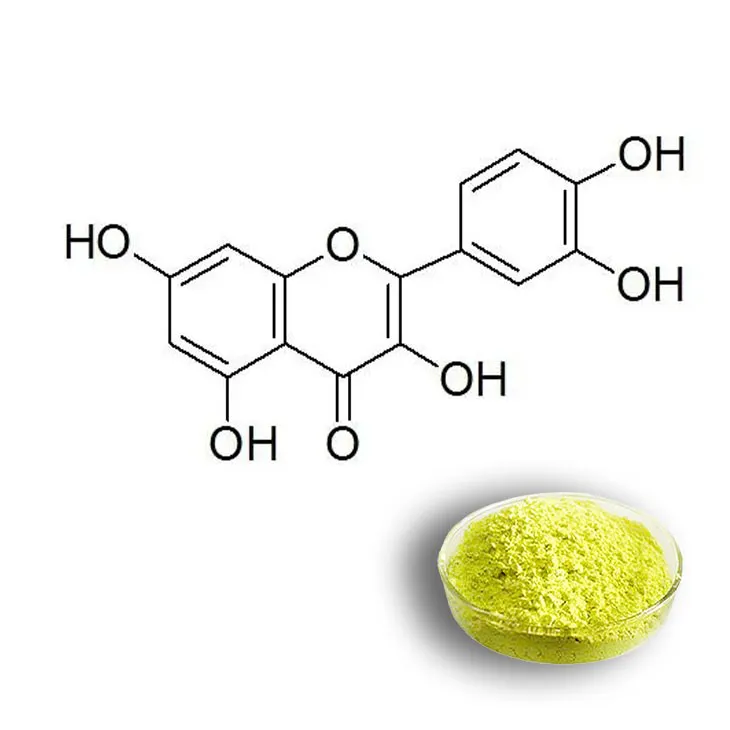
Quercetin (C₁₅H₁₀O₇) is a flavonoid belonging to the flavonol subclass. It is one of the most widely distributed plant flavonoids, present in thousands of edible and medicinal plants. The name derives from the Latin quercetum, meaning "oak forest," reflecting its abundance in oak bark and leaves.
Chemical Profile:
Chemical Name: 3,3',4',5,7-Pentahydroxyflavone
CAS Number: 117-39-5
Molecular Weight: 302.24 g/mol
Classification: Flavonoid, Flavonol, Polyphenol
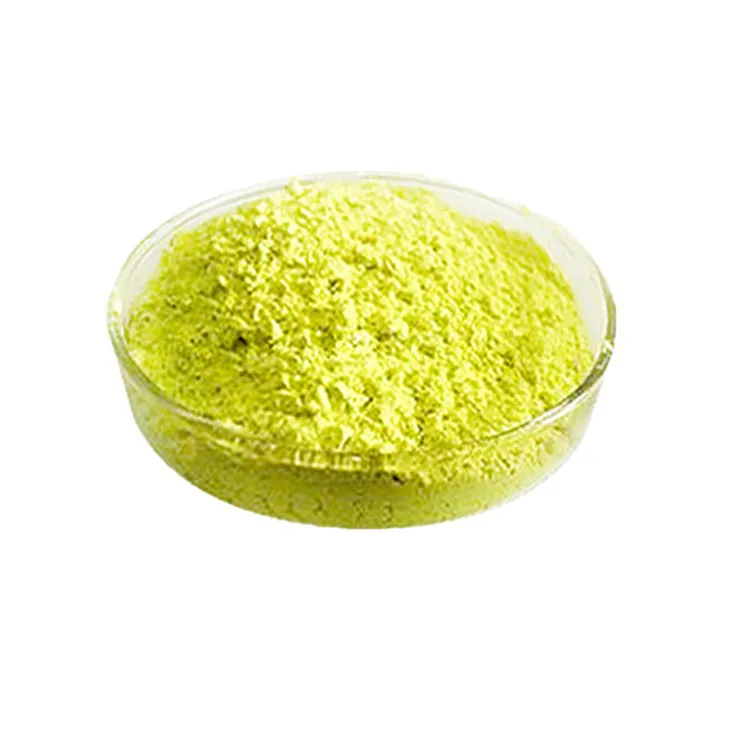
Common Forms: Quercetin dihydrate, Quercetin anhydrous, Quercetin phytosome, Liposomal quercetin
Quercetin vs. Quercetin Derivatives
Form Characteristics Best Use Quercetin Dihydrate Most common commercial form; includes two water molecules Standard supplements, food fortification Quercetin Anhydrous Water-free form; slightly higher potency per gram Capsules, tablets where moisture is a concern Quercetin Phytosome Bound to phospholipids for enhanced absorption Premium supplements requiring higher bioavailability Isoquercitrin Quercetin-3-glucoside; naturally occurring glycoside Natural food and beverage applications Liposomal Quercetin Encapsulated in liposomes for optimal delivery High-end therapeutic formulations
The Science: How Quercetin Works in the Body
1. Antioxidant Powerhouse
Quercetin is one of the most potent antioxidant flavonoids available, with an ORAC (Oxygen Radical Absorbance Capacity) value significantly higher than vitamin C and vitamin E. Its antioxidant mechanisms include:
Free radical scavenging: Direct neutralization of reactive oxygen species (ROS) including superoxide, hydroxyl, and peroxyl radicals
Metal chelation: Binding of transition metals (iron, copper) that catalyze free radical formation
Antioxidant enzyme upregulation: Increasing endogenous antioxidant defenses including superoxide dismutase (SOD), catalase, and glutathione peroxidase
Nitric oxide modulation: Supporting healthy endothelial function through balanced NO production
2. Anti-Inflammatory Action
Quercetin inhibits multiple inflammatory pathways:
NF-κB inhibition: Suppresses the master regulator of inflammatory gene expression
COX and LOX inhibition: Reduces production of inflammatory prostaglandins and leukotrienes
Cytokine modulation: Decreases production of TNF-α, IL-6, and IL-1β
NLRP3 inflammasome inhibition: Blocks a key driver of chronic inflammation
3. Immune System Modulation
Quercetin's immunomodulatory properties are multi-faceted:
Mast cell stabilization: Inhibits histamine release from mast cells, supporting natural allergy relief
Antiviral activity: Interferes with viral replication cycles and cellular entry mechanisms
Zinc ionophore activity: Facilitates zinc uptake into cells, supporting antiviral immune responses
NK cell activation: Enhances natural killer cell activity for immune surveillance
4. Cardiovascular Support
Quercetin supports cardiovascular health through:
Blood pressure regulation: Clinical trials have shown modest but significant reductions in both systolic and diastolic blood pressure
Endothelial protection: Protects vascular endothelial cells from oxidative damage
LDL oxidation prevention: Reduces oxidized LDL, a key factor in atherosclerosis development
Anti-platelet activity: May help prevent excessive platelet aggregation
5. Metabolic Health
Emerging research suggests quercetin may support metabolic health:
AMPK activation: Similar to berberine, quercetin activates AMPK, supporting glucose metabolism
Insulin sensitivity: May improve insulin signaling pathways
Anti-obesity effects: Some studies suggest quercetin may help regulate adipocyte function
Clinical Evidence Summary
Allergy and Immune Support
Multiple studies support quercetin's role in managing allergic responses:
A 2016 study found quercetin significantly reduced symptoms of allergic rhinitis
Research demonstrates quercetin's ability to inhibit histamine release from basophils and mast cells
The zinc ionophore property gained significant attention during 2020-2022 for immune support
Cardiovascular Health
A 2016 meta-analysis of randomized controlled trials found quercetin supplementation significantly reduced systolic BP (by 3.04 mmHg) and diastolic BP (by 2.63 mmHg)
Higher doses (≥ 500 mg/day) showed greater blood pressure-lowering effects
Quercetin-rich diets are associated with reduced cardiovascular disease risk
Exercise Performance and Recovery
Some studies show quercetin may improve exercise endurance and reduce exercise-induced inflammation
Benefits appear most pronounced in untrained individuals and during periods of intense physical stress
Natural Sources of Quercetin
Dietary Sources
Food Source Quercetin Content (mg/100g) Capers (raw) 234 Lovage leaves 170 Elderberries 50-70 Onions (red) 20-50 Kale 20-30 Broccoli 10-20 Apples (with skin) 4-10 Berries (various) 5-15 Tea (green/black) 2-15 Red wine 2-5
Commercial Extraction Sources
For industrial-scale production, quercetin is typically extracted from:
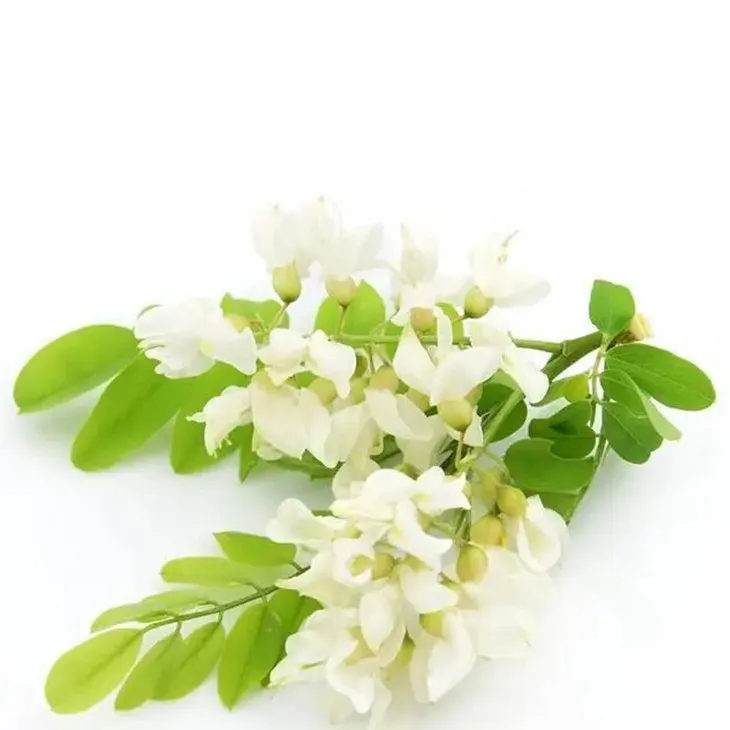
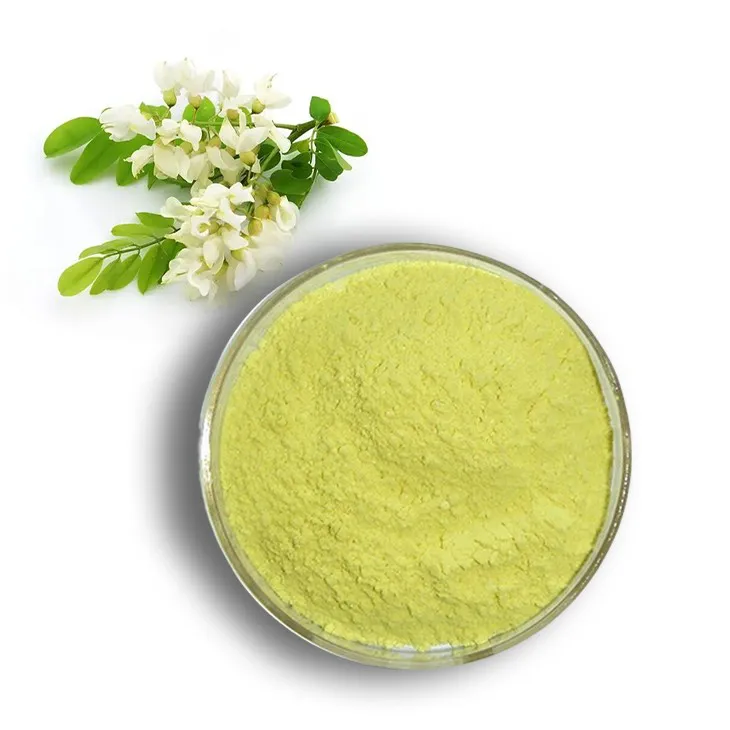
Sophora japonica (Japanese Pagoda Tree) buds — Highest natural concentration, most common commercial source
Onion peel extract — Sustainable source from food processing waste
Fagopyrum esculentum (Tartary Buckwheat) — Rich in rutin, which can be converted to quercetin
The Bioavailability Challenge
Quercetin's main limitation is its relatively low oral bioavailability, estimated at less than 2% in free form. Several factors contribute to this:
Poor water solubility — Limited dissolution in gastrointestinal fluids
Extensive first-pass metabolism — Rapid conjugation in the liver and intestinal wall
Efflux by P-glycoprotein — Active transport back into the gut lumen
Bioavailability Enhancement Strategies
Strategy Mechanism Bioavailability Improvement Phytosome technology Phospholipid complexation 2-5x increase Liposomal delivery Lipid bilayer encapsulation 3-10x increase Glycoside form (Isoquercitrin) Enhanced intestinal transport 2-3x increase Piperine co-administration Metabolic inhibition 2x increase Vitamin C co-administration Regeneration of quercetin 1.5-2x increase Nanoparticle formulation Enhanced solubility and absorption 3-8x increase
Quality Specifications for B2B Buyers
Standard Product Specifications
Parameter Specification Product Name Quercetin Dihydrate Quercetin Content ≥ 95%, ≥ 98% (HPLC) Appearance Yellow to greenish-yellow crystalline powder Particle Size 80-100 mesh (customizable) Moisture ≤ 5.0% Heavy Metals ≤ 10 ppm Arsenic ≤ 1 ppm Lead ≤ 2 ppm Cadmium ≤ 0.5 ppm Residual Solvent Complies with ICH guidelines Microbial Limits Complies with USP/EP standards
Certification Requirements
ISO 22000 — Food Safety Management
BRCGS — Global standard for food safety
GMP — Good Manufacturing Practice
HALAL & Kosher — Religious dietary compliance
USDA Organic / Ecocert — For organic-certified products
Market Trends and Demand (2026)
Key Demand Drivers
Immune Health Awareness: Sustained consumer interest in immune-support ingredients post-2020
Natural Allergy Solutions: Growing preference for natural alternatives to synthetic antihistamines
Anti-Aging Market: Quercetin's antioxidant properties align with healthy aging trends
Sports Nutrition: Increasing use in recovery and performance formulations
Clean Label Movement: Quercetin's natural plant origin appeals to clean-label consumers
Popular Quercetin Combinations
Quercetin + Vitamin C: Synergistic antioxidant and immune support
Quercetin + Bromelain: Enhanced anti-inflammatory and anti-allergy effects
Quercetin + Zinc: Enhanced antiviral immune support (zinc ionophore effect)
Quercetin + Resveratrol: Combined anti-aging and cardiovascular support
Quercetin + Curcumin: Potentiated anti-inflammatory effects
Sourcing Quercetin from Greensky Bio
Hangzhou Greensky Biological Tech. Co., Ltd. offers high-purity quercetin extract sourced from premium Sophora japonica and other natural botanical sources.
Why Choose Greensky Bio for Quercetin?
Premium botanical sourcing: Highest-quality raw materials from verified sources
Advanced purification technology: Ensures consistent ≥ 95% and ≥ 98% purity levels
Full certification portfolio: ISO 22000, BRCGS, GMP, HALAL, Kosher
Independent laboratory testing: HPLC, GC, UV for comprehensive quality control
Custom specifications: Particle size, form (dihydrate, anhydrous, phytosome), and packaging
Global export experience: Supply to Europe, USA, South Korea, Russia, and beyond
Competitive pricing: Direct manufacturer pricing with reliable, scalable supply
Technical support: Expert guidance on formulation, bioavailability enhancement, and regulatory compliance
Available Product Forms
Quercetin Dihydrate (≥ 95%, ≥ 98%)
Quercetin Anhydrous
Quercetin Phytosome
Custom specifications and formulations available
Frequently Asked Questions
Q: What is the recommended daily dose of quercetin?A: Typical doses range from 500 mg to 1000 mg per day for general health support. Higher doses (1000-2000 mg/day) may be used for specific therapeutic applications under professional guidance.
Q: Is quercetin safe for long-term use?A: Quercetin has an excellent safety profile. Long-term studies at doses up to 1000 mg/day have shown no significant adverse effects. The FDA includes quercetin in its list of GRAS (Generally Recognized As Safe) substances.
Q: What is the best time to take quercetin?A: Quercetin is fat-soluble and is best absorbed when taken with meals containing some fat. Splitting the dose between morning and evening may help maintain stable blood levels.
Q: Can quercetin be combined with other supplements?A: Yes, quercetin combines well with vitamin C, bromelain, zinc, Curcumin, resveratrol, and many other botanical extracts. It is one of the most versatile supplement ingredients.
Q: What is the difference between rutin and quercetin?A: Rutin is a glycoside of quercetin (quercetin + rutinose sugar). In the body, rutin is converted to quercetin. Rutin has lower bioavailability but greater stability. Both have similar health benefits.
Conclusion
Quercetin stands as one of the most versatile and scientifically validated botanical ingredients available today. Its broad spectrum of antioxidant, anti-inflammatory, immune-modulating, and cardiovascular benefits makes it an essential ingredient for a wide range of health formulations — from immune support and allergy relief to sports nutrition and healthy aging.
For B2B buyers, Greensky Bio provides high-purity quercetin extract with comprehensive quality certifications, advanced formulation options (including phytosome technology), and competitive manufacturer-direct pricing — making it an ideal partner for supplement and food product development.
- ▶ Hesperidin
- ▶ Citrus Bioflavonoids
- ▶ Plant Extract
- ▶ lycopene
- ▶ Diosmin
- ▶ Grape seed extract
- ▶ Sea buckthorn Juice Powder
- ▶ Fruit Juice Powder
- ▶ Hops Extract
- ▶ Artichoke Extract
- ▶ Mushroom extract
- ▶ Astaxanthin
- ▶ Green Tea Extract
- ▶ Curcumin
- ▶ Horse Chestnut Extract
- ▶ Other Product
- ▶ Boswellia Serrata Extract
- ▶ Resveratrol
- ▶ Marigold Extract
- ▶ Grape Leaf Extract
- ▶ New Product
- ▶ Aminolevulinic acid
- ▶ Cranberry Extract
- ▶ Red Yeast Rice
- ▶ Red Wine Extract
- ▶ blog
-
Longan Extract
2026-10-19
-
Rose Hip Extract
2026-10-19
-
Grapefruit Seed Extract Powder
2026-10-19
-
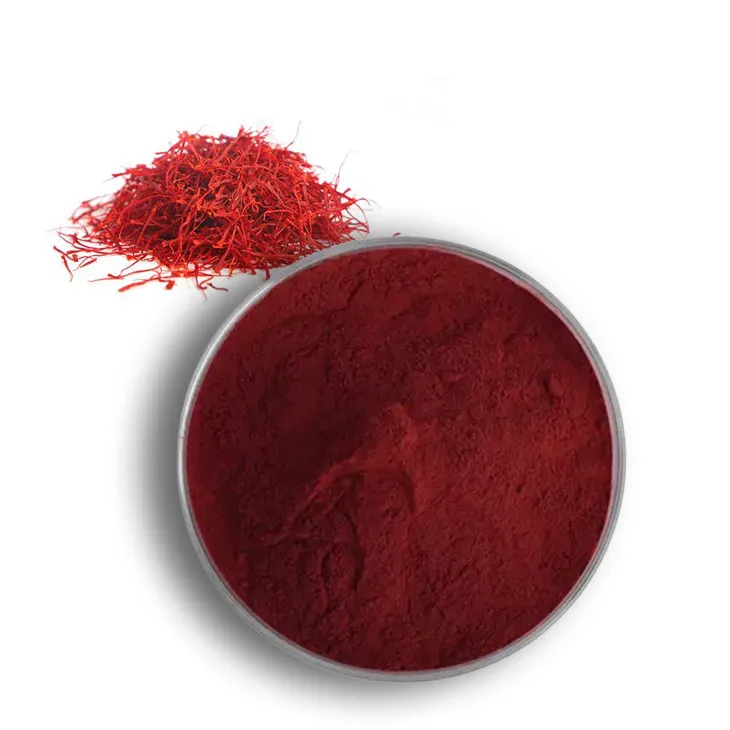
Saffron Extract Powder
2026-10-19
-
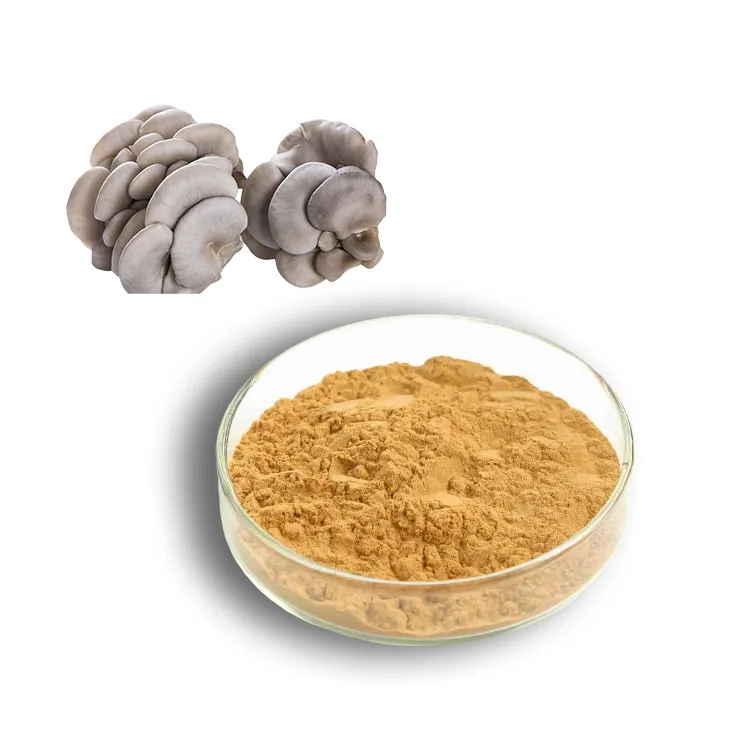
Oyster Mushroom Extract Powder
2026-10-19
-
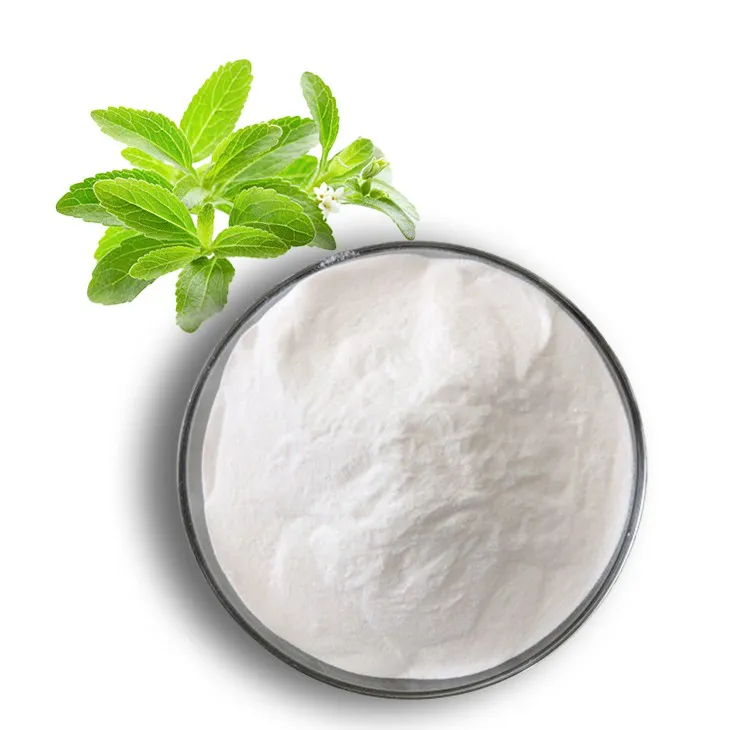
Stevia Extract
2026-10-19
-
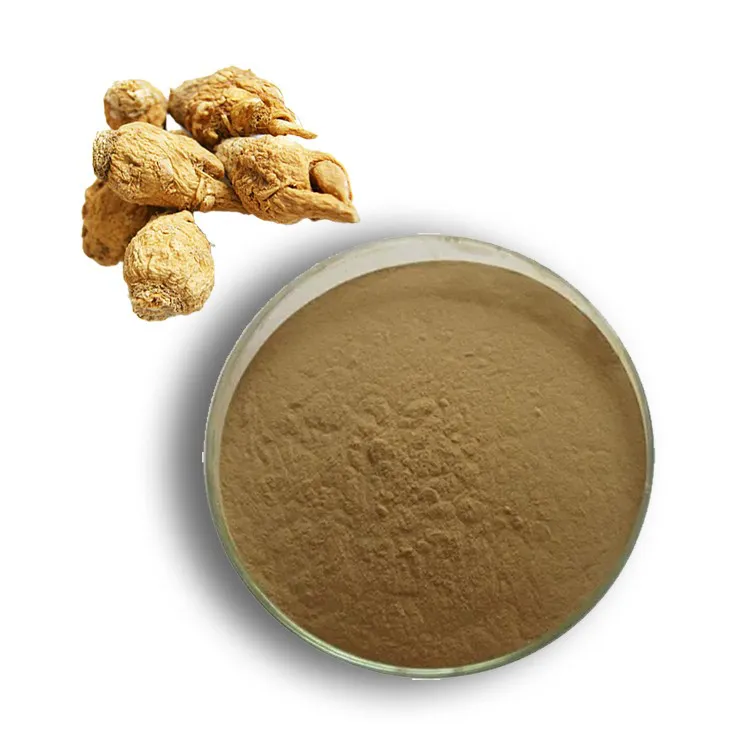
Maca Extract
2026-10-19
-
Citrus bioflavonoids
2026-10-19
-
Coconut Water Powder
2026-10-19
-
Artichoke Leaf Extract
2026-10-19