- 0086-571-85302990
- [email protected]



Rhodiola Rosea Extract: The Complete B2B Buyer's Guide to Sourcing Standardized Rosavins and Salidro
2026-10-03
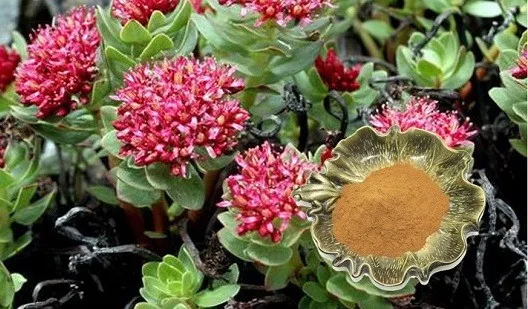
Rhodiola Rosea Extract: The Complete B2B Buyer's Guide to Sourcing Standardized Rosavins and Salidroside
2026-10-03
Related Product: Rhodiola Rosea Extract
Meta Information
Meta Title: Rhodiola Rosea Extract Manufacturer | Standardized Rosavins & Salidroside | Greensky Bio
Meta Description: Premium Rhodiola rosea extract manufacturer with standardized rosavins 3% and salidroside 1%. ISO 22000/BRCGS certified, 20+ years experience. Free samples & competitive bulk pricing for adaptogen supplements.
Introduction
The global adaptogen market has experienced explosive growth in recent years, projected to surpass $15 billion by 2028. At the forefront of this expansion is Rhodiola rosea — one of the most researched, widely recognized, and commercially successful adaptogenic herbs in the world. From premium stress-management supplements to nootropic formulations and sports nutrition products, Rhodiola rosea extract has become an indispensable ingredient for forward-thinking supplement brands.
However, not all Rhodiola extracts are created equal. The quality, standardization, and sourcing of raw materials directly impact product efficacy, regulatory compliance, and ultimately, brand reputation. For B2B buyers — including supplement manufacturers, nutraceutical formulators, and health product brands — selecting a reliable plant extract manufacturer with proven expertise in Rhodiola processing is a critical strategic decision.
This comprehensive buyer's guide covers everything you need to know about sourcing standardized Rhodiola rosea extract — from bioactive compounds and clinical evidence to extraction methods, quality specifications, and supplier evaluation criteria.
What Is Rhodiola Rosea Extract?
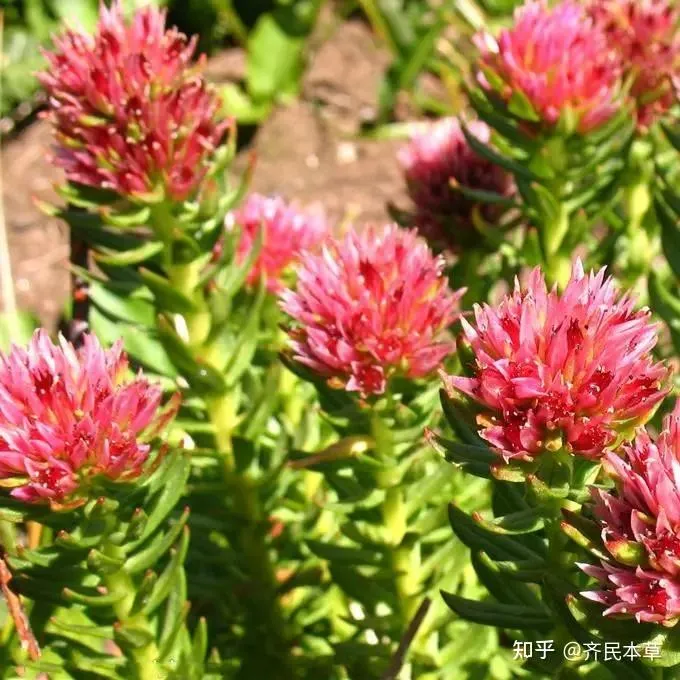
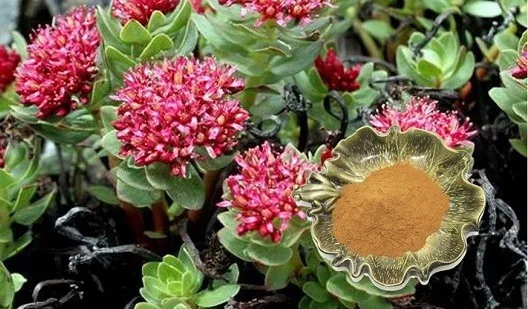
Rhodiola rosea, commonly known as "golden root" or "Arctic root," is a perennial flowering plant native to the cold, mountainous regions of Europe and Asia, including Siberia, Tibet, and Scandinavia. For centuries, traditional medicine systems in Russia, Scandinavia, and China have used Rhodiola to enhance physical endurance, mental resilience, and overall vitality.
Rhodiola rosea extract is a concentrated preparation derived from the root and rhizome of the Rhodiola rosea plant. Through advanced extraction and purification processes, manufacturers isolate and concentrate the bioactive compounds responsible for the herb's adaptogenic properties into a standardized powder or liquid form suitable for dietary supplement manufacturing.
The key to Rhodiola's commercial value lies in its standardization. Raw Rhodiola root contains varying concentrations of active compounds depending on growing conditions, harvest timing, and processing methods. A professional natural plant extract manufacturer ensures that every batch meets defined specifications for marker compound content — typically rosavins and salidroside — guaranteeing consistent efficacy for end consumers.
Key Bioactive Compounds in Rhodiola Rosea
Understanding the active constituents of Rhodiola rosea is essential for B2B buyers to evaluate product quality, define specification requirements, and communicate product value to consumers. The four primary groups of bioactive compounds include:
1. Rosavins (Rosavin, Rosin, Rosarin)
Rosavins are phenylpropanoid glycosides unique to Rhodiola rosea and serve as the primary chemical markers for species identification and quality assessment. The three main rosavins — rosavin, rosin, and rosarin — are found exclusively in this species and are critical indicators of authentic Rhodiola rosea extract. Industry-standard Rosaviola rosea extract is typically standardized to contain 3% rosavins (total of rosavin, rosin, and rosarin combined), as verified by HPLC analysis.
2. Salidroside (Rhodioloside)
Salidroside is a phenylethanoid glycoside and the second most important marker compound in Rhodiola rosea. While salidroside is also found in other Rhodiola species, it is particularly abundant in Rhodiola rosea roots. Standard extract specifications typically target 1% salidroside, though higher-standardization grades (up to 3% or more) are available for specialized applications. Salidroside has been extensively studied for its anti-fatigue, neuroprotective, and antioxidant properties.
3. Tyrosol
Tyrosol is a phenolic compound related to salidroside (salidroside is essentially the glucoside of tyrosol). It contributes to the overall antioxidant capacity of Rhodiola rosea extract and works synergistically with other bioactive compounds. While less commonly used as a primary standardization marker, tyrosol content is often included in full-spectrum analysis by quality-focused manufacturers.
4. Flavonoids and Phenolic Acids
Rhodiola rosea contains a diverse array of flavonoids including rhodionin, rhodiolin, and herbacetin, along with gallic acid, chlorogenic acid, and caffeic acid. These compounds contribute to the extract's overall antioxidant profile and support its adaptogenic effects. A comprehensive botanical extract manufacturer will test for total flavonoid content as part of a full quality profile.
Clinically Supported Health Benefits of Rhodiola Rosea Extract
The scientific evidence supporting Rhodiola rosea's health benefits is among the most robust in the adaptogen category. Understanding these validated benefits helps B2B buyers position their products effectively and communicate clear value propositions to consumers.
1. Stress Adaptation & Resilience
Rhodiola rosea is classified as a true adaptogen — a substance that enhances the body's non-specific resistance to stress. Multiple clinical studies have demonstrated that standardized Rhodiola extract (200–400mg/day, standardized to 3% rosavins and 1% salidroside) significantly reduces cortisol levels, improves stress-related symptom scores, and enhances the body's adaptive response to physical and mental stressors. This makes it a cornerstone ingredient in stress-management and adrenal-support supplement formulations.
2. Mental Performance & Cognitive Function
Clinical research has shown that Rhodiola rosea extract improves mental processing speed, attention, and short-term memory, particularly during periods of fatigue or stress. A landmark double-blind, placebo-controlled study published in Phytomedicine demonstrated significant improvements in cognitive performance in physicians working night shifts who received standardized Rhodiola extract. This evidence positions Rhodiola as a key ingredient in nootropic and brain-health product lines.
3. Physical Endurance & Athletic Performance
Multiple studies have demonstrated that Rhodiola rosea supplementation improves time to exhaustion, reduces perceived exertion, and enhances recovery following intense physical activity. The mechanism involves improved oxygen utilization, enhanced ATP production, and reduced exercise-induced oxidative damage. For sports nutrition brands, Rhodiola represents a natural, well-researched performance-support ingredient with a clean-label appeal.
4. Mood Support & Emotional Well-being
Clinical trials have shown that Rhodiola rosea extract can significantly improve symptoms of mild to moderate depression and anxiety. The extract modulates neurotransmitter systems — particularly serotonin, dopamine, and norepinephrine — supporting balanced mood regulation. This positions Rhodiola as a valuable component in mood-support and emotional wellness formulations.
5. Fatigue Reduction & Energy Support
Perhaps the most well-documented benefit of Rhodiola rosea is its ability to combat both physical and mental fatigue. Multiple randomized controlled trials have demonstrated significant reductions in fatigue scores among participants receiving standardized Rhodiola extract compared to placebo. This has driven strong demand for Rhodiola in energy, vitality, and anti-fatigue supplement categories.
Rhodiola Rosea Extraction and Production Process
Understanding the extraction process is crucial for B2B buyers to assess product quality, sustainability, and manufacturing capability. The production of high-quality Rhodiola rosea extract involves several critical stages:
Step 1: Raw Material Sourcing & Identification
Authentic Rhodiola rosea root and rhizome are sourced from certified growing regions, typically in high-altitude areas of China (Tibet, Yunnan), Siberia, or Scandinavia. Species identification is critical — Rhodiola rosea must be distinguished from other Rhodiola species (such as Rhodiola crenulata) through botanical and chemical authentication. A reputable plant extract manufacturer conducts rigorous raw material testing including macroscopic identification, TLC fingerprinting, and HPLC marker compound verification before processing.
Step 2: Cleaning, Drying & Milling
Raw roots are thoroughly cleaned to remove soil and debris, then dried at controlled temperatures to preserve heat-sensitive bioactive compounds. The dried material is milled to a uniform particle size to optimize extraction efficiency.
Step 3: Solvent Extraction
The milled Rhodiola root undergoes multi-stage solvent extraction, typically using food-grade ethanol-water mixtures. The extraction parameters — temperature, solvent ratio, extraction time, and number of stages — are precisely controlled to maximize yield of rosavins and salidroside while minimizing co-extraction of unwanted compounds. Advanced manufacturers use multi-functional extraction tanks (6-ton capacity or larger) with automated process control for batch-to-batch consistency.
Step 4: Concentration & Purification
The extraction liquid is concentrated using low-temperature vacuum concentration to protect heat-sensitive compounds. Further purification steps — including resin column chromatography, membrane filtration, or selective precipitation — may be employed to achieve the desired standardization levels.
Step 5: Drying & Standardization
The concentrated extract is dried using spray drying or vacuum drying technology to produce a fine, free-flowing powder. The dried extract is then analyzed and, if necessary, blended to achieve precise standardization to the target rosavin and salidroside levels. Every batch is tested in-house using HPLC before release.
Step 6: Quality Testing & Packaging
Final product testing includes marker compound quantification (HPLC), heavy metal analysis (ICP-MS or AAS), pesticide residue screening, microbial testing, and moisture content determination. A complete Certificate of Analysis (COA) accompanies each batch. The extract is then packaged in food-grade, moisture-proof packaging suitable for export.
Quality Specifications for Standardized Rhodiola Rosea Extract
The following table outlines typical quality specifications for commercial-grade Rhodiola rosea extract, which B2B buyers should use as a reference when evaluating suppliers:
| Parameter | Specification |
|---|---|
| Botanical Source | Rhodiola rosea L. root and rhizome |
| Rosavins (Total) | ≥ 3.0% (HPLC) |
| Salidroside | ≥ 1.0% (HPLC) |
| Appearance | Light brown to brown-yellow fine powder |
| Odor & Taste | Characteristic, slightly bitter |
| Mesh Size | 100% pass 80 mesh |
| Loss on Drying | ≤ 5.0% |
| Ash Content | ≤ 5.0% |
| Heavy Metals | Pb ≤ 1.0 ppm, As ≤ 0.5 ppm, Cd ≤ 0.5 ppm, Hg ≤ 0.1 ppm |
| Pesticide Residues | Complies with EU/USP standards |
| Microbial Limits | Total Plate Count < 10,000 CFU/g; Yeast & Mold < 100 CFU/g; E. coli, Salmonella: Negative |
| Solvent Residues | Complies with ICH Q3C guidelines |
| Shelf Life | 24 months (sealed, stored in cool, dry conditions) |
Note: Custom specifications are available. Higher-standardization grades (e.g., rosavins 5%, salidroside 3%) can be produced upon request.
Applications and Formulation Guidelines
Rhodiola rosea extract's versatility makes it suitable for a wide range of product categories. Understanding formulation best practices helps buyers maximize product efficacy and consumer satisfaction.
Dietary Supplements
Stress & Adaptogen Capsules/Tablets: 200–500mg per dose of standardized extract (3% rosavins, 1% salidroside), often combined with ashwagandha, holy basil, or L-theanine
Nootropic & Brain Health Formulas: 100–300mg per dose, paired with Bacopa monnieri, Ginkgo biloba, or phosphatidylserine
Energy & Vitality Products: 200–400mg per dose, combined with B-vitamins, CoQ10, or Green Tea Extract
Sports Nutrition: 200–600mg per dose, paired with creatine, beta-alanine, or cordyceps extract
Mood Support Blends: 200–400mg per dose, combined with saffron extract, 5-HTP, or magnesium
Functional Foods & Beverages
Adaptogenic energy drinks and shot concentrates
Stress-relief functional teas and herbal infusions
Fortified protein bars and wellness snacks
Adaptogenic coffee and tea blends
Formulation Tips
Dosing: Clinical studies most commonly use 200–600mg/day of standardized extract. Split dosing (morning and early afternoon) is recommended to avoid potential sleep disruption.
Synergy: Rhodiola pairs exceptionally well with other adaptogens (ashwagandha, eleuthero), nootropics (L-theanine, lion's mane), and antioxidant ingredients (vitamin C, CoQ10).
Stability: Rhodiola extract is relatively stable in dry formulations. For liquid products, ensure proper pH control (4.0–6.0) and consider adding a natural preservative system.
Flavor: Rhodiola has a mild, slightly bitter, earthy flavor. In gummy or beverage applications, natural flavoring systems can effectively mask the taste.
How to Evaluate a Rhodiola Rosea Extract Supplier
Choosing the right supplier is one of the most important decisions a B2B buyer will make. Here are the key criteria to evaluate:
1. Species Authentication & Raw Material Traceability
Ensure your supplier can provide documented proof of species identification (Rhodiola rosea L.) and geographic origin. Adulteration with other Rhodiola species is a known industry issue, and only a reliable botanical extract manufacturer with proper raw material controls can guarantee authenticity.
2. Standardization Verification
Request batch-specific HPLC chromatograms confirming rosavin and salidroside content. The supplier should have in-house HPLC capability and provide a complete COA for every batch. If a supplier cannot provide chromatograms, consider that a significant red flag.
3. Manufacturing Certifications
Look for ISO 22000, BRCGS, GMP, and organic certifications. These are essential for global market access, regulatory compliance, and retailer acceptance. Certifications also indicate that the manufacturer follows documented quality management systems.
4. Production Capacity & Consistency
Ensure the manufacturer has sufficient production capacity to meet your volume requirements consistently. Multi-functional extraction tanks (6-ton or larger), low-temperature concentration equipment, and controlled drying systems are indicators of a professional operation.
5. Independent Laboratory Testing
The best suppliers maintain independent laboratories equipped with GC, HPLC, UV spectrophotometry, and other analytical instruments. This enables comprehensive testing for marker compounds, heavy metals, pesticide residues, microbial contamination, and solvent residuals — all critical parameters for export-grade natural plant extract products.
6. Regulatory Documentation
For international trade, ensure the supplier can provide all necessary documentation including COA, MSDS, allergen statements, non-GMO declarations, and country-specific compliance certificates.
Why Choose Greensky Bio as Your Rhodiola Rosea Extract Supplier?
Hangzhou Greensky Biological Tech. Co., Ltd. is a trusted and established plant extract manufacturer with distinct advantages for B2B buyers seeking premium Rhodiola rosea extract:
Established in 2004: With over 20 years of experience in the research, development, production, and sales of natural plant extracts, Greensky Bio brings deep industry expertise and a proven track record to every partnership.
International Certifications: Our production facilities are ISO 22000, BRCGS, Ecocert Organic Standard, and SGS-GMP certified, ensuring that every batch meets the highest international quality and safety standards.
$30 Million Annual Exports: In 2023, our export value reached nearly $30 million USD, serving demanding markets across Europe, the United States, South Korea, and Russia — regions known for the strictest quality requirements in the industry.
Advanced Production Infrastructure: Our facility features multiple 6-ton multi-functional extraction tanks, high-efficiency low-temperature concentrators, spray drying towers, vacuum drying equipment, and separation columns — enabling precise control over every stage of the extraction process.
100,000-Class Clean Area: Our production environment meets GMP-standard cleanroom requirements, ensuring that our products are free from contamination and suitable for the most demanding food, supplement, and pharmaceutical applications.
Independent Quality Laboratory: We maintain a fully equipped independent laboratory with GC, HPLC, and UV analysis capabilities, providing comprehensive batch testing for marker compounds, heavy metals, pesticide residues, microbial limits, and solvent residuals. Every batch comes with a complete Certificate of Analysis.
Flexible Packaging & Custom Specifications: We offer custom packaging from 1kg sample bags to 25kg export cartons, and can produce extracts to your specific standardization requirements.
Technical Support: Our experienced team provides formulation guidance, technical documentation, and regulatory support to help you bring products to market faster.
Whether you need standardized Rhodiola rosea extract (3% rosavins, 1% salidroside) for your next product launch, or custom specifications for a specialized formulation, Greensky Bio has the capability, certifications, and experience to be your trusted long-term partner.
Frequently Asked Questions
Q: What is the difference between Rhodiola rosea and Rhodiola crenulata extract?
A: While both are Rhodiola species, they contain different bioactive compound profiles. Rhodiola rosea is characterized by the presence of rosavins (rosavin, rosin, rosarin), which are unique to this species and serve as key quality markers. Rhodiola crenulata, primarily found in the Himalayan region, contains higher levels of salidroside but lacks rosavins entirely. For adaptogenic supplements targeting stress management and mental performance, Rhodiola rosea is the preferred species due to its more comprehensive clinical evidence base and the synergistic effect of rosavins combined with salidroside.
Q: What is the recommended standardization level for commercial Rhodiola rosea extract?
A: The industry-standard specification for Rhodiola rosea extract is 3% total rosavins and 1% salidroside, which aligns with the ratios found in the raw root and is supported by the majority of clinical research. Higher standardization levels (e.g., 5% rosavins, 3% salidroside) are available for specialized applications but typically come at a higher cost. We recommend starting with the 3%/1% standard for most supplement formulations, as this provides the best balance of efficacy, cost, and regulatory acceptance.
Q: How should Rhodiola rosea extract be stored, and what is the shelf life?
A: Rhodiola rosea extract powder should be stored in sealed, moisture-proof, light-resistant packaging at room temperature (15–25°C / 59–77°F) in a dry environment. Under proper storage conditions, the extract maintains its potency and quality for 24 months. Avoid exposure to direct sunlight, high humidity, and extreme temperatures, as these can degrade the bioactive compounds over time.
Q: Can Greensky Bio provide custom standardization or blended Rhodiola formulations?
A: Yes. Beyond our standard 3% rosavins / 1% salidroside specification, we can produce Rhodiola rosea extract to custom standardization levels based on your formulation requirements. We also offer pre-blended adaptogenic formulas combining Rhodiola with complementary ingredients such as ashwagandha, eleuthero, or ginseng. Contact our technical team to discuss your specific needs — we provide free samples and competitive pricing for bulk orders.
Conclusion
Rhodiola rosea extract stands as one of the most scientifically validated, commercially proven, and consumer-demanded adaptogenic ingredients in the global dietary supplement market. From stress management and cognitive support to athletic performance and mood enhancement, the clinical evidence continues to expand — driving sustained growth and innovation across product categories.
For B2B buyers, the key to success lies in partnering with a reliable, certified, and experienced plant extract manufacturer who can deliver consistent quality, verified standardization, and comprehensive technical support. With over 20 years of expertise, international certifications, and a commitment to quality that spans from raw material sourcing to final product testing, Greensky Bio is positioned as your trusted partner for premium Rhodiola rosea extract.
Contact us today for free samples, competitive bulk pricing, and expert formulation guidance.
Disclaimer: This article is for informational purposes only and does not constitute medical advice. Consult healthcare professionals before using Rhodiola rosea supplements for therapeutic purposes.
TAGS: Rhodiola Rosea Extract, Adaptogen Extract, Rosavins, Salidroside, Plant Extract Manufacturer, Botanical Extract Supplier
- ▶ Hesperidin
- ▶ Citrus Bioflavonoids
- ▶ Plant Extract
- ▶ lycopene
- ▶ Diosmin
- ▶ Grape seed extract
- ▶ Sea buckthorn Juice Powder
- ▶ Fruit Juice Powder
- ▶ Hops Extract
- ▶ Artichoke Extract
- ▶ Mushroom extract
- ▶ Astaxanthin
- ▶ Green Tea Extract
- ▶ Curcumin
- ▶ Horse Chestnut Extract
- ▶ Other Product
- ▶ Boswellia Serrata Extract
- ▶ Resveratrol
- ▶ Marigold Extract
- ▶ Grape Leaf Extract
- ▶ New Product
- ▶ Aminolevulinic acid
- ▶ Cranberry Extract
- ▶ Red Yeast Rice
- ▶ Red Wine Extract
- ▶ blog
-
Sea buckthorn Juice Powder
2026-10-03
-
Centella Asiatica Extract
2026-10-03
-
White mustard seed extract
2026-10-03
-
Polygonum Cuspidatum Extract
2026-10-03
-
Agaricus Blazei Extract
2026-10-03
-
Citrus Aurantium Extract
2026-10-03
-
Acerola Extract
2026-10-03
-
Rose Hip Extract
2026-10-03
-
Bitter Melon Extract
2026-10-03
-
Shikone Extract
2026-10-03