- 0086-571-85302990
- [email protected]






Ginkgo Biloba Extract: The Complete Guide to Cognitive Health, Circulation, and Quality Standards
2026-10-03
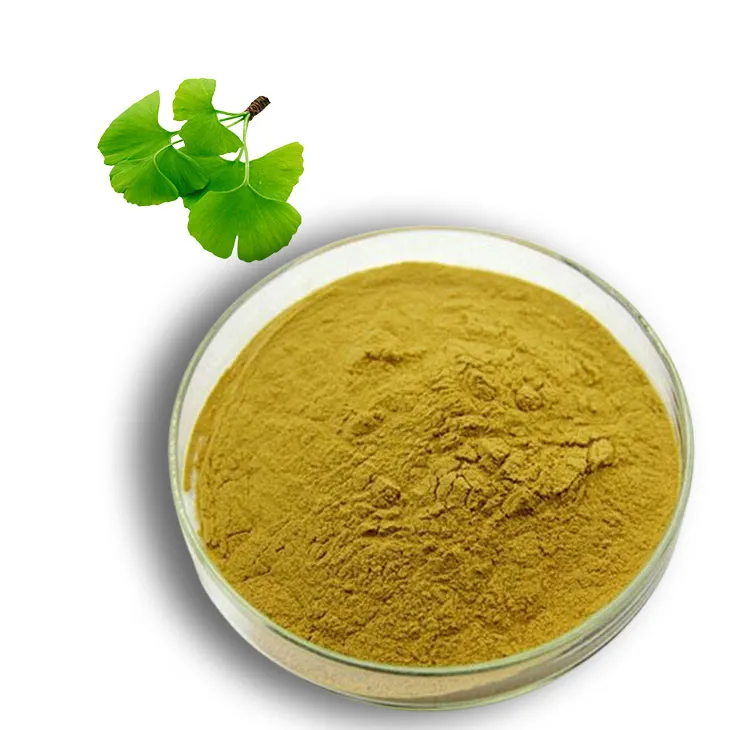
Ginkgo Biloba Extract: The Complete Guide to Cognitive Health, Circulation, and Quality Standards
Ginkgo biloba, one of the oldest living tree species on Earth, has been used in traditional medicine for over 5,000 years. Today, Ginkgo Biloba Extract is among the most widely consumed herbal supplements globally, with a market value exceeding $2 billion annually. This comprehensive guide covers everything B2B buyers, formulators, and health professionals need to know about sourcing, evaluating, and applying high-quality ginkgo extract.
What Is Ginkgo Biloba Extract?
Ginkgo Biloba Extract (GBE) is a standardized preparation derived from the dried leaves of Ginkgo biloba L., a deciduous tree native to China. The extract concentrates two primary classes of bioactive compounds: flavonoid glycosides and terpene lactones (ginkgolides and bilobalide). These compounds are responsible for the extract's well-documented effects on cerebral circulation, antioxidant defense, and neuroprotection.
Industry-standard GBE is typically standardized to 24% flavone glycosides and 6% terpene lactones (often referred to as "24/6 extract"). Higher-purity variants — such as 50:1 concentrated extracts — are available for specialized pharmaceutical applications.
Key Active Compounds and Their Functions
The therapeutic efficacy of Ginkgo Biloba Extract is attributed to a synergistic combination of bioactive molecules:
Flavonoid glycosides (24–40%): Including Quercetin, kaempferol, and isorhamnetin derivatives. These compounds provide potent antioxidant activity by scavenging free radicals, chelating metal ions, and upregulating endogenous antioxidant enzymes such as superoxide dismutase (SOD) and glutathione peroxidase.
Ginkgolides A, B, C, J (2.8–3.4%): Unique diterpene trilactones found almost exclusively in Ginkgo biloba. Ginkgolide B is the most pharmacologically active, acting as a platelet-activating factor (PAF) receptor antagonist — a mechanism critical for improving microcirculation and reducing platelet aggregation.
Bilobalide (2.6–3.2%): A sesquiterpene trilactone with demonstrated neuroprotective properties, including protection against glutamate-induced excitotoxicity and ischemic damage in animal models.
Organic acids (ginkgolic acids): These compounds are considered undesirable impurities and are strictly regulated to less than 5 ppm in pharmacopoeial-grade extracts due to potential allergenic properties.
Clinically Supported Health Benefits
Cognitive Function and Memory Support
The most extensively researched application of Ginkgo Biloba Extract is its effect on cognitive performance. Multiple meta-analyses have demonstrated that standardized GBE supplementation (120–240 mg/day) can improve:
Working memory and processing speed in healthy older adults
Attention and executive function in age-related cognitive decline
Behavioral symptoms and cognitive scores in mild to moderate dementia
The mechanism involves enhanced cerebral blood flow, improved neuronal membrane fluidity, and modulation of neurotransmitter systems (particularly cholinergic and dopaminergic pathways).
Cardiovascular and Peripheral Circulation
Ginkgo biloba's PAF-antagonist activity, combined with its vasodilatory effects via nitric oxide (NO) pathway modulation, makes it effective for:
Peripheral arterial disease (intermittent claudication)
Raynaud's phenomenon and cold extremities
Retinal microcirculation support in diabetic retinopathy
Tinnitus management (particularly vascular origin)
Antioxidant and Anti-inflammatory Protection
The flavonoid-rich profile of GBE provides broad-spectrum antioxidant protection, reducing oxidative stress markers and inflammatory cytokine production. This property is increasingly leveraged in skincare formulations targeting photoaging and in dietary supplements supporting healthy aging.
Advanced Extraction and Purification Methods
Producing pharmacopoeial-grade Ginkgo Biloba Extract requires a multi-stage extraction and purification process to achieve consistent active compound levels while removing ginkgolic acids to safe limits.
Conventional Solvent Extraction
The standard industrial process involves:
Leaf collection and drying: Mature leaves are harvested in autumn when flavonoid content peaks, then dried at controlled temperatures (40–50°C) to preserve thermolabile compounds.
Aqueous ethanol extraction: Dried leaves are extracted with 60–70% ethanol at 70–80°C, typically in 2–3 cycles, to dissolve both flavonoid glycosides and terpene lactones.
Filtration and concentration: The extract is filtered and concentrated under reduced pressure to produce a crude extract.
Macroporous resin purification: The crude extract is passed through macroporous adsorption resin columns to enrich flavonoids and terpene lactones while removing impurities including ginkgolic acids.
Spray drying: The purified extract is spray-dried to produce a free-flowing powder with consistent moisture content (≤5%).
Supercritical CO₂ Extraction
Emerging research demonstrates that supercritical CO₂ extraction can produce GBE with superior terpene lactone retention and minimal solvent residue. As a professional plant extract manufacturer, Greensky Bio employs advanced extraction technology to ensure maximum bioactive compound retention and product consistency.
Quality Standards and Specifications
Premium-grade Ginkgo Biloba Extract should meet or exceed the following specifications:
| Parameter | Pharmacopoeial Standard |
|---|---|
| Flavone glycosides | ≥24% (HPLC) |
| Terpene lactones | ≥6% (HPLC) |
| Ginkgolide A | ≥2.2% |
| Ginkgolide B | ≥0.8% |
| Ginkgolide C | ≥0.5% |
| Bilobalide | ≥2.6% |
| Ginkgolic acids | <5 ppm |
| Heavy metals | Pb <2 ppm, Cd <1 ppm, As <1 ppm, Hg <0.1 ppm |
| Moisture | ≤5.0% |
| Microbiological | TPC <1,000 CFU/g; E. coli, Salmonella: negative |
Reputable natural plant extract manufacturers provide comprehensive Certificates of Analysis (COA) for every batch, along with third-party testing reports verifying compliance with USP, EP, and ChP standards.
Applications in Dietary Supplements and Functional Foods
Ginkgo Biloba Extract is widely formulated in:
Capsules and tablets: Standardized 24/6 extract at 60–120 mg per serving
Softgels: Combined with phospholipids for enhanced bioavailability
Liquid drops and tinctures: For rapid absorption applications
Functional beverages: Energy and cognitive support drinks
Skincare products: Anti-aging serums and creams leveraging antioxidant properties
Pet supplements: Growing market for canine cognitive health
Why Choose Greensky Bio as Your Ginkgo Biloba Extract Supplier?
Hangzhou Greensky Biological Tech. Co., Ltd. is a professional plant extract manufacturer established in 2004, with over 20 years of experience in the research, development, production, and sales of natural plant extracts. Our key advantages include:
Certified production: ISO22000, BRCGS, Ecocert Organic Standard, SGS-GMP certified facilities
Advanced equipment: 6-ton multi-functional extraction tanks, high-efficiency low-temperature concentrators, spray drying towers, and vacuum drying systems
In-house laboratory: Equipped with GC, HPLC, UV, and other analytical instruments for rigorous quality control
100,000-class clean area: Ensuring products meet food-grade, radiation-free standards
Global export experience: Serving markets across Europe, the United States, South Korea, and Russia
Whether you need standardized 24/6 GBE for dietary supplement formulation or custom-specification extracts for pharmaceutical applications, our R&D team can develop solutions tailored to your exact requirements.
Frequently Asked Questions
Q: What is the standard dosage of Ginkgo Biloba Extract?
A: The most commonly studied and recommended dosage is 120–240 mg/day of standardized 24/6 extract, divided into 2–3 doses.
Q: How long does it take for Ginkgo Biloba Extract to show effects?
A: Clinical studies typically demonstrate measurable improvements after 4–8 weeks of consistent supplementation.
Q: Is Ginkgo Biloba Extract safe for long-term use?
A: GBE has been extensively studied and is generally recognized as safe for long-term use at recommended dosages. Consult a healthcare professional for specific medical conditions.
- ▶ Hesperidin
- ▶ Citrus Bioflavonoids
- ▶ Plant Extract
- ▶ lycopene
- ▶ Diosmin
- ▶ Grape seed extract
- ▶ Sea buckthorn Juice Powder
- ▶ Fruit Juice Powder
- ▶ Hops Extract
- ▶ Artichoke Extract
- ▶ Mushroom extract
- ▶ Astaxanthin
- ▶ Green Tea Extract
- ▶ Curcumin
- ▶ Horse Chestnut Extract
- ▶ Other Product
- ▶ Boswellia Serrata Extract
- ▶ Resveratrol
- ▶ Marigold Extract
- ▶ Grape Leaf Extract
- ▶ New Product
- ▶ Aminolevulinic acid
- ▶ Cranberry Extract
- ▶ Red Yeast Rice
- ▶ Red Wine Extract
- ▶ blog
-
Green coffee bean Extract
2026-10-03
-
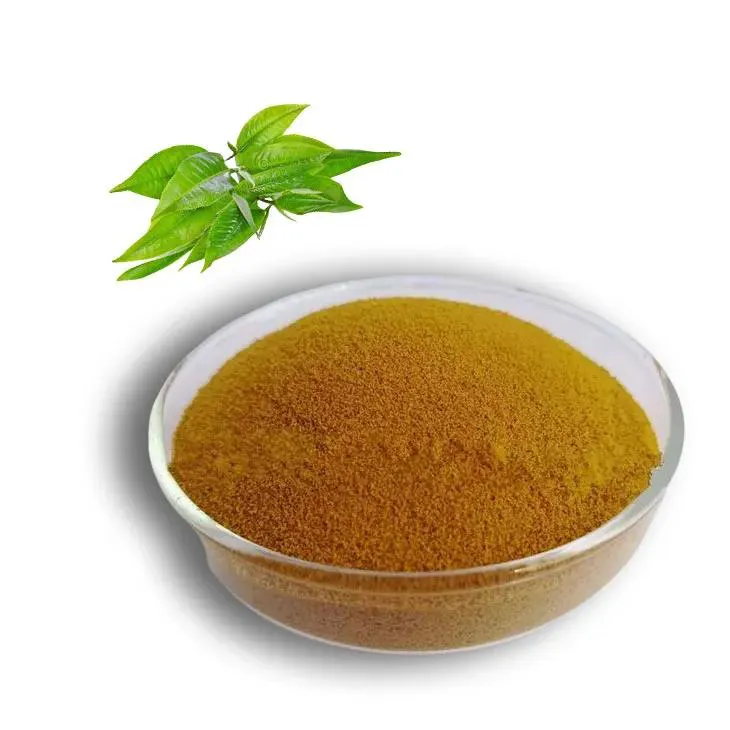
Green Tea Extract
2026-10-03
-
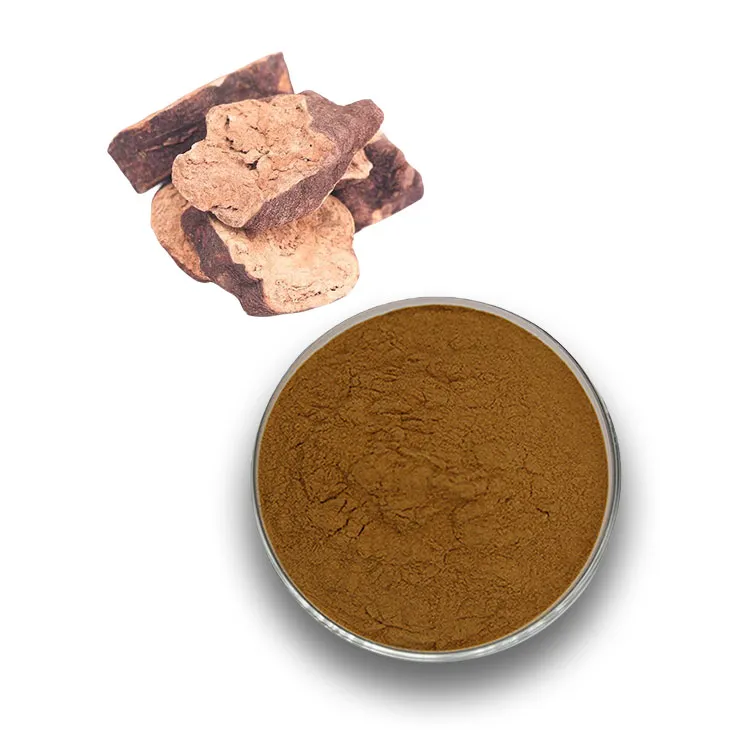
Polygonum multiflorum extract
2026-10-03
-
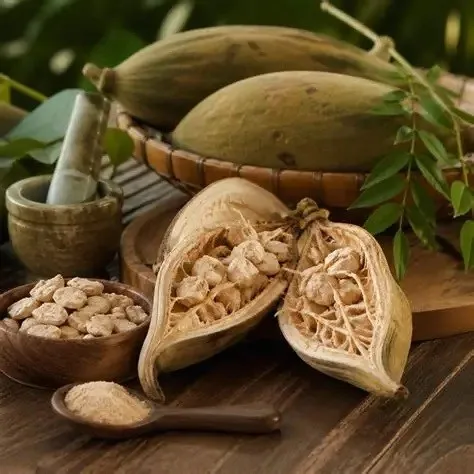
Baobab Fruit Extract
2026-10-03
-
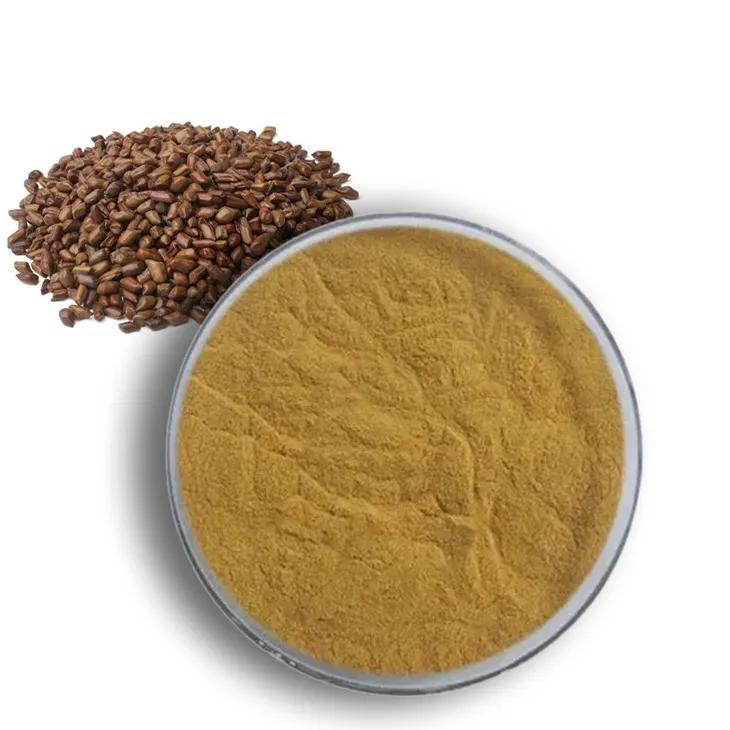
Cassia Seed Extract
2026-10-03
-
Lemon Balm Extract
2026-10-03
-
Panax Ginseng Leaf Extract
2026-10-03
-
Sea buckthorn Juice Powder
2026-10-03
-
Epimedium extract powder
2026-10-03
-
Liposomal Berberine HCl
2026-10-03
