- 0086-571-85302990
- [email protected]




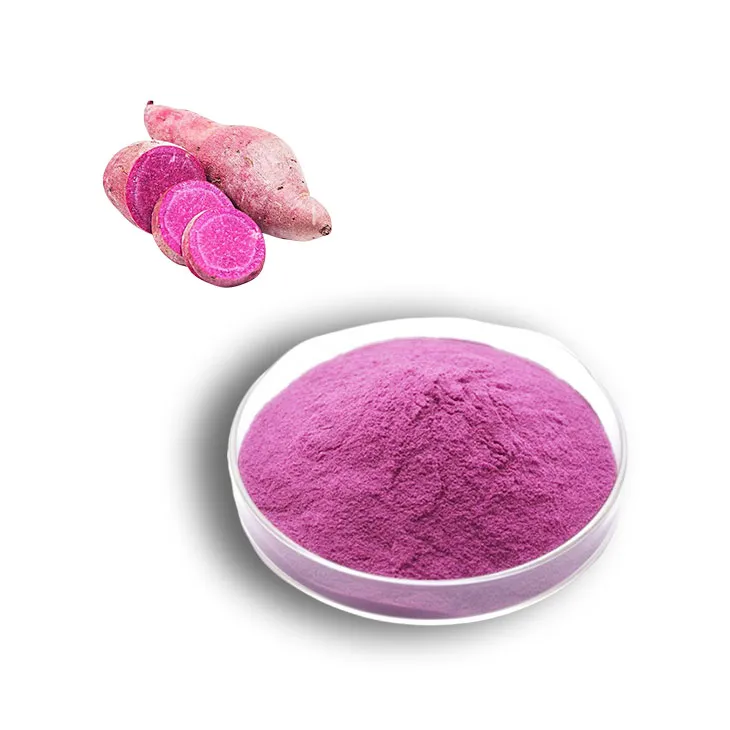
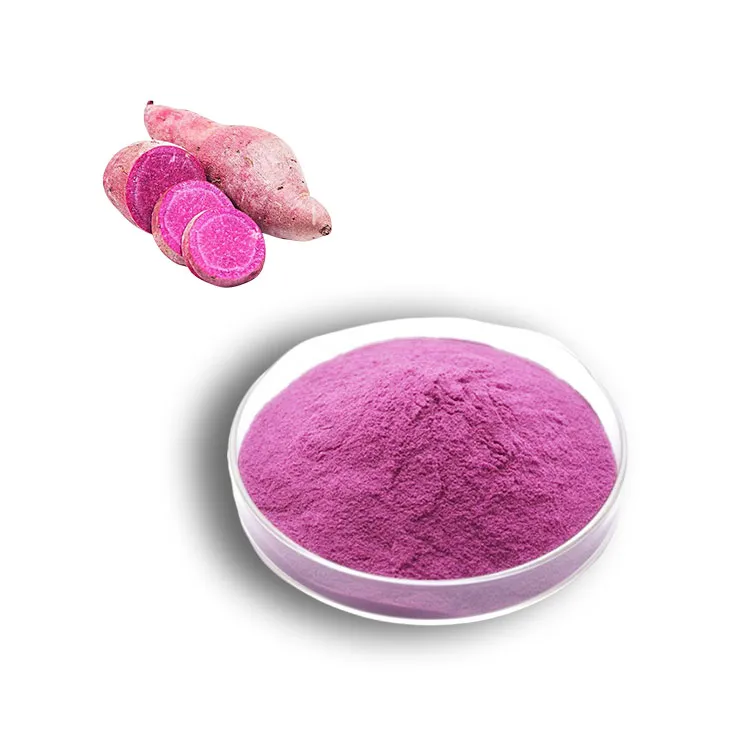
Purple Sweet Potato Extract
2026-08-17
Meta Description: Discover everything about Purple Sweet Potato Extract — rich in unique acylated anthocyanins for natural coloring, antioxidant supplements, and functional foods. Premium anthocyanin extract from Greensky Bio.
Meta Keywords: Purple Sweet Potato Extract, purple sweet potato anthocyanin, natural food colorant, acylated anthocyanins, Ipomoea batatas extract, natural purple color, antioxidant anthocyanin supplement, China purple sweet potato supplier
URL Slug: /plant_extract/purple-sweet-potato-extract-anthocyanins-complete-guide.html
Target Keywords:
Primary: "purple sweet potato extract", "purple sweet potato anthocyanin", "natural purple food color"
Secondary: "acylated anthocyanins extract", "natural food colorant purple", "antioxidant anthocyanin supplement"
Long-tail: "purple sweet potato anthocyanin 5% supplier", "heat-stable natural purple colorant", "organic purple sweet potato extract manufacturer"
1. Introduction
Purple sweet potato (Ipomoea batatas L. var. with purple flesh) is one of nature's richest sources of acylated anthocyanins — a unique class of anthocyanin pigments that are significantly more stable to heat, light, and pH changes than the non-acylated anthocyanins found in grapes and berries. Historically consumed in Okinawa (Japan) — one of the world's five "Blue Zones" known for exceptional longevity — purple sweet potato has now become a leading ingredient in the rapidly growing natural food colorant market and the premium antioxidant supplement category. Today, purple sweet potato extract bridges the gap between clean-label food manufacturing and evidence-based nutraceuticals.
Hangzhou Greensky Biological Tech Co., Ltd — a professional natural plant extract manufacturer established in 2004 — offers premium standardized purple sweet potato extract with verified anthocyanin content, backed by ISO22000, BRCGS, Ecocert Organic, and SGS-GMP certifications.
2. What Is Purple Sweet Potato Extract?
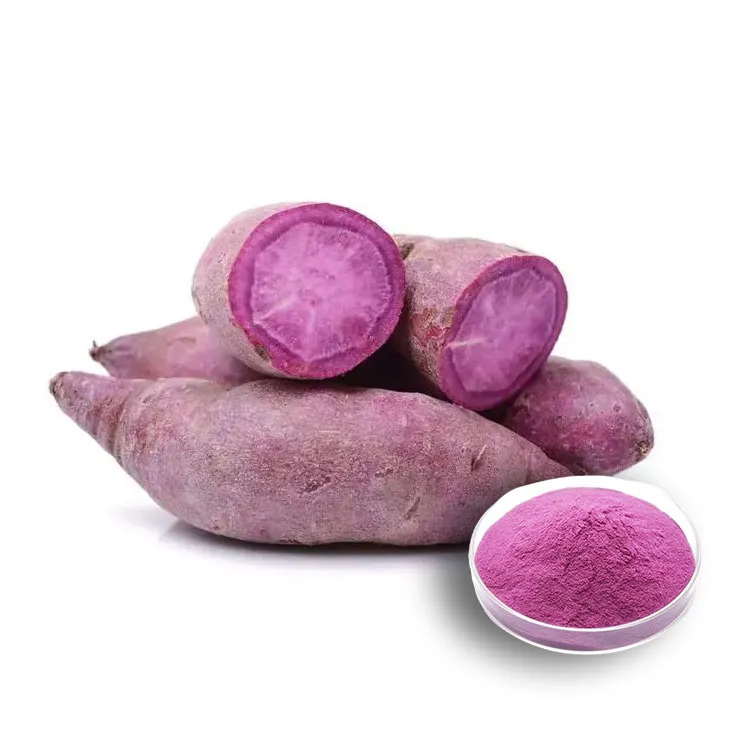
Purple sweet potato extract is a concentrated preparation of anthocyanin pigments derived from the purple-fleshed varieties of Ipomoea batatas L. Unlike the simple (non-acylated) anthocyanins found in most fruits, purple sweet potato anthocyanins are predominantly acylated with caffeic, ferulic, and p-hydroxybenzoic acids — a structural feature that confers exceptional stability and makes them the gold standard for natural food coloring applications.
2.1 Botanical Information
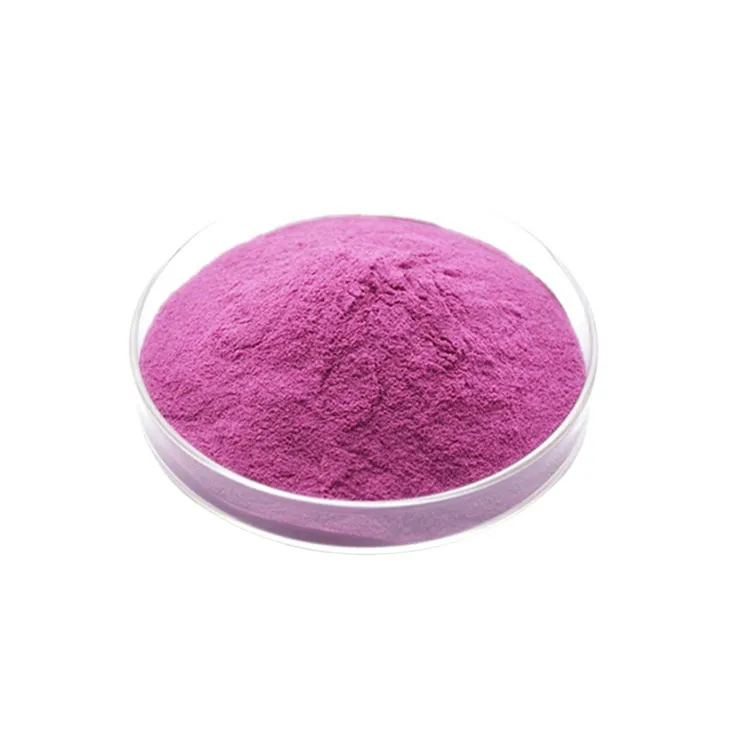
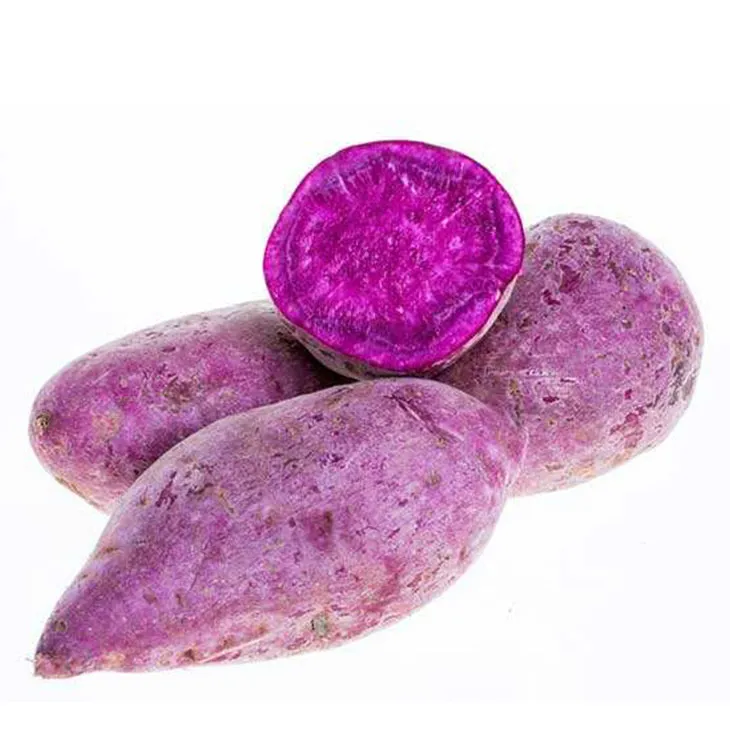
Item Details Latin Name Ipomoea batatas L. (purple-fleshed cultivars) Family Convolvulaceae Common Name Purple Sweet Potato, Okinawan Purple Sweet Potato, Murasaki Imo Source Plant Purple sweet potato tuber (root) Main Growing Regions China (Guangxi, Guangdong, Fujian), Japan (Okinawa), South Korea, Peru Extraction Part Purple tuber (root) Appearance Deep purple to burgundy powder or liquid Odor Mild, sweet, characteristic
2.2 Key Active Compounds: Acylated Anthocyanins
Compound Class Significance Cyanidin-3-sophoroside-5-glucoside acylates Acylated anthocyanin Primary pigment group (~60% of total anthocyanins) Peonidin-3-sophoroside-5-glucoside acylates Acylated anthocyanin Secondary pigment; contributes to color stability Caffeic acid acyl groups Acylating moiety Enhances thermal and pH stability Ferulic acid acyl groups Acylating moiety Contributes to light stability p-Hydroxybenzoic acid Acylating moiety Additional stabilization
Why acylated anthocyanins matter: The acyl groups act as "molecular shields" that protect the anthocyanin chromophore from degradation by heat, light, and pH changes. This makes purple sweet potato anthocyanins 2–3× more stable than non-acylated anthocyanins from grapes or elderberries — a critical advantage for food manufacturing.
2.3 Standard Specifications
Specification Standard Total Anthocyanins 0.5%, 1%, 2%, 5%, 10%, 25% (UV-Vis / HPLC) Color Value (E1% 1cm at 525 nm) ≥ 2.0 (powder); ≥ 0.5 (liquid) Moisture ≤ 5.0% (powder) Ash Content ≤ 10.0% (powder) Heavy Metals ≤ 10 ppm Arsenic (As) ≤ 1.0 ppm Microbiological Total plate count <10,000 CFU/g; E. coli negative; Salmonella negative
2.4 Production Process
Raw Material Selection: Purple-fleshed sweet potato tubers are selected for deep, uniform coloration and high anthocyanin content.
Washing & Peeling: Tubers are washed and peeled to remove soil and surface contaminants.
Slicing & Extraction: Sliced tubers are extracted with acidified water or ethanol-water solution at controlled temperatures to maximize anthocyanin recovery.
Filtration & Concentration: The extract is filtered and concentrated under vacuum to remove excess water and solvent.
Purification: Macroporous resin adsorption selectively concentrates anthocyanins while removing sugars, proteins, and other non-target compounds.
Drying: Spray drying (with maltodextrin carrier) or vacuum drying produces a stable powder with controlled color value.
Quality Testing: UV-Vis and HPLC analysis for anthocyanin content, color value measurement, microbiological screening, heavy metals, and pesticide residue testing.
2.5 Certificate of Analysis (Typical)
Test Item Result Specification Appearance Deep purple fine powder Complies Total Anthocyanins (UV-Vis) 5.2% ≥5% Color Value (E1% 1cm, 525 nm) 12.8 ≥10 Moisture 3.5% ≤5.0% Ash 6.2% ≤10.0% Heavy Metals <5 ppm ≤10 ppm Arsenic <0.5 ppm ≤1.0 ppm Total Plate Count 2,100 CFU/g <10,000 CFU/g E. coli Negative Negative Salmonella Negative Negative
3. Core Benefits & Mechanisms of Action
3.1 Superior Antioxidant Activity
Purple sweet potato anthocyanins are among the most potent natural antioxidants:
Mechanism: The anthocyanin molecule's polyphenolic structure enables multiple modes of antioxidant action:
Direct free radical scavenging: Donates electrons to neutralize reactive oxygen species (ROS) including hydroxyl radicals, superoxide anions, and peroxyl radicals
Metal chelation: Binds pro-oxidant transition metals (iron, copper) that catalyze lipid peroxidation
Enzyme modulation: Upregulates endogenous antioxidant enzymes including SOD, catalase, and glutathione peroxidase
Scientific Evidence:
A study by Suda et al. (2003, Journal of Agricultural and Food Chemistry, 51:6101–6105) demonstrated that acylated anthocyanins from purple sweet potato exhibited superior antioxidant activity compared to non-acylated anthocyanins from red cabbage, attributed to the additional electron-donating capacity of the acyl groups.
Purple sweet potato anthocyanins showed an ORAC (Oxygen Radical Absorbance Capacity) value significantly higher than many common antioxidant ingredients, including blueberry and Grape Seed Extracts (Food Chemistry, 2011).
3.2 Anti-Inflammatory Effects
Mechanism: Anthocyanins modulate multiple inflammatory pathways:
NF-κB inhibition: Suppresses the activation of nuclear factor kappa B, a master regulator of inflammatory gene expression (Journal of Nutritional Biochemistry, 2012)
COX-2 & iNOS suppression: Downregulates expression of cyclooxygenase-2 and inducible nitric oxide synthase, key enzymes in the inflammatory cascade
Cytokine modulation: Reduces production of pro-inflammatory cytokines (TNF-α, IL-6, IL-1β)
Clinical Evidence:
A human study (Lee et al., 2015, Nutrients, 7:3695–3708) found that purple sweet potato anthocyanin supplementation significantly reduced inflammatory markers (hs-CRP, TNF-α) in overweight and obese adults over 12 weeks.
3.3 Cardiovascular Health
Mechanism: Anthocyanins support cardiovascular health through multiple pathways:
Endothelial function: Improves nitric oxide bioavailability, promoting vasodilation and healthy blood pressure (American Journal of Clinical Nutrition, 2011)
LDL oxidation prevention: Protects LDL particles from oxidative modification — a key step in atherosclerotic plaque formation (Circulation, 2012)
Platelet aggregation inhibition: Reduces platelet stickiness, supporting healthy blood flow
Epidemiological Evidence:
The Nurses' Health Study (Cassidy et al., 2013, Circulation, 127:188–196) — a prospective cohort study of 93,600 women — found that high anthocyanin intake was associated with a 32% reduced risk of myocardial infarction.
3.4 Eye Health
Anthocyanins accumulate in retinal tissue and support visual function:
Mechanism:
Retinal protection: Anthocyanins protect photoreceptor cells from light-induced oxidative damage (Experimental Eye Research, 2010)
Capillary strengthening: Improves microcirculation in the retinal vasculature
Rhodopsin regeneration: Supports the regeneration of rhodopsin, the light-sensing pigment in rod cells, improving dark adaptation
Clinical Evidence:
Studies on anthocyanin-rich extracts have demonstrated improvements in visual fatigue, dark adaptation, and contrast sensitivity (Journal of Nutritional Science and Vitaminology, 2004).
3.5 Anti-Diabetic Potential
Emerging research supports purple sweet potato anthocyanins for metabolic health:
Mechanism:
α-glucosidase inhibition: Anthocyanins inhibit carbohydrate-digesting enzymes in the small intestine, slowing glucose absorption (Food Chemistry, 2013)
Insulin sensitivity: Improves insulin signaling pathways in peripheral tissues
Hepatic glucose metabolism: Modulates key enzymes involved in glucose production and utilization
Clinical Evidence:
A clinical trial (Suda et al., 2008) found that purple sweet potato beverage consumption significantly reduced postprandial blood glucose levels in healthy adults.
3.6 Skin Health & Anti-Aging
UV protection: Anthocyanins absorb UV radiation and neutralize UV-induced free radicals in skin cells
Collagen protection: Inhibits matrix metalloproteinases (MMPs) that degrade collagen (Journal of Dermatological Science, 2011)
Natural colorant for cosmetics: Provides natural purple/pink hues in cosmetic formulations
4. Wide-Ranging Applications
4.1 Natural Food Colorant (Primary Application)
Purple sweet potato anthocyanins are one of the most versatile natural food colorants available:
Food Category Application Advantage Beverages Juices, sports drinks, functional beverages Heat-stable; vibrant purple-red color Confectionery Gummies, hard candy, chocolates pH-stable; clean flavor profile Dairy products Yogurt, ice cream, milk beverages Acid-stable; no off-flavors Bakery Cakes, fillings, icings Baking-stable up to 180°C Jams & preserves Fruit spreads, jellies Excellent color retention Meat products Sausages, processed meats Clean-label alternative to synthetic reds Cereals & snacks Breakfast cereals, extruded snacks Process-stable; appealing color
Color Range: pH-dependent — red (pH 2–4) to purple (pH 5–7) to blue (pH 8+). The acylated structure provides significantly better color retention at neutral pH compared to non-acylated anthocyanins.
4.2 Dietary Supplements & Nutraceuticals
Antioxidant capsules & tablets: Positioned as premium natural antioxidant
Eye health formulas: Combined with lutein, zeaxanthin, and Bilberry Extract
Cardiovascular support supplements: Anthocyanin-rich formulations for heart health
Anti-aging supplements: Targeting oxidative stress and inflammation
Beauty-from-within supplements: Skin health and anti-aging positioning
Recommended daily intake: 50–200 mg of total anthocyanins per day
4.3 Cosmetics & Personal Care
Natural colorant: Provides purple-pink hues in lip products, creams, and soaps
Anti-aging serums: Anthocyanin antioxidant protection for skin cells
Eye creams: Targeting dark circles and fine lines through microcirculation support
Sun care products: UV-absorbing properties complement conventional sunscreens
4.4 Functional Foods
Superfood powders & smoothie blends: Added for antioxidant and color benefits
Energy bars: Natural coloring with antioxidant functionality
Functional beverages: Positioned as antioxidant-rich health drinks
Infant & children's foods: Clean-label natural coloring for kid-friendly products
5. Key Factors in Choosing a Quality Purple Sweet Potato Extract
5.1 Acylated vs. Non-Acylated Anthocyanins
This is the single most important quality factor:
Purple sweet potato anthocyanins are predominantly acylated — this is their key advantage
Non-acylated anthocyanins (from grapes, elderberries) degrade 2–3× faster under heat, light, and pH stress
Verify that your supplier provides acylated anthocyanins from purple sweet potato, not cheaper non-acylated sources
5.2 Color Stability Testing
Request stability data from your supplier:
Heat stability: Color retention after processing at target temperatures
Light stability: Color retention under UV/visible light exposure
pH stability: Color performance across the pH range of your application
Shelf-life data: Color retention over the intended product shelf life
5.3 Anthocyanin Concentration
Select the appropriate concentration for your application:
Low concentration (0.5–2%): Suitable for lightly colored beverages and confectionery
Medium concentration (5–10%): Standard for most food coloring and supplement applications
High concentration (25%+): Used in concentrated color preparations and high-potency supplements
5.4 Carrier Selection (for Powder Products)
Maltodextrin: Most common carrier; good flowability and cost-effective
Organic maltodextrin: For organic-certified products
Tapioca maltodextrin: Non-GMO and allergen-free option
The carrier-to-anthocyanin ratio affects both cost-in-use and final product performance
5.5 Regulatory Compliance
Purple sweet potato anthocyanins are approved for use as a natural food colorant in most major markets:
USA: Exempt from certification (21 CFR 73.3)
EU: Approved food additive E163 (anthocyanins)
Japan: Designated as a natural food colorant
China: Approved natural food colorant (GB 2760)
5.6 Why Greensky Bio?
Advantage Detail 20+ years of experience Established in 2004; deep expertise in natural colorants and anthocyanin extracts Full quality certifications ISO22000, BRCGS, Ecocert Organic, SGS-GMP, FDA registered Wide concentration range 0.5%, 1%, 2%, 5%, 10%, 25% anthocyanin options Stability testing data Heat, light, and pH stability data available for every product grade Custom formulations Can produce liquid or powder formats with specific carrier requirements Regulatory support Documentation for FDA, EFSA, and other regulatory submissions Consistent supply Year-round production from multiple verified sourcing regions
6. About Greensky Bio
Hangzhou Greensky Biological Tech Co., Ltd has been a leading manufacturer of natural plant extracts since 2004. With over two decades of experience, we specialize in:
Research & Development: Our in-house R&D center develops optimized extraction and purification methods for anthocyanin-rich botanicals, focusing on maximizing color value, stability, and bioavailability.
Quality Control: Every purple sweet potato extract batch undergoes comprehensive UV-Vis and HPLC analysis for anthocyanin content, color value measurement, stability testing, microbiological screening, heavy metals, and pesticide residues — at our facility and through independent third-party labs.
Customization: We offer custom anthocyanin concentrations, liquid or powder formats, carrier specifications, and proprietary blend formulation.
Global Compliance: Our products meet the regulatory standards of the US FDA, EFSA, and international bodies for both food colorant and dietary supplement applications.
Sustainable Sourcing: We maintain long-term relationships with purple sweet potato growers in China's primary cultivation regions, ensuring traceable, sustainably cultivated raw materials.
7. Conclusion & Call to Action
Purple sweet potato extract — powered by its unique acylated anthocyanins — represents the gold standard in natural food coloring and a scientifically validated antioxidant ingredient. Its superior heat, light, and pH stability make it the preferred choice for food manufacturers seeking clean-label color solutions, while its robust antioxidant, anti-inflammatory, and cardioprotective properties position it as a premium ingredient in the dietary supplement market. As the global shift away from synthetic colorants accelerates, purple sweet potato anthocyanins are poised for continued rapid growth.
If you are interested in Purple Sweet Potato Extract, contact us today for the latest pricing and free samples.
Multiple concentration options (0.5%, 1%, 2%, 5%, 10%, 25% anthocyanins)
Full COA, stability testing data, and organic certification available
Powder and liquid formats; custom carrier specifications
Free samples for qualified inquiries
Our expert team is ready to provide technical support, customized solutions, and competitive pricing for your purple sweet potato extract needs.
Email: [email protected] Website: www.greenskybio.com
8. Frequently Asked Questions (FAQ)
Q1: What makes purple sweet potato anthocyanins more stable than other anthocyanin sources?
A: Purple sweet potato anthocyanins are predominantly "acylated" — meaning they have organic acid groups (caffeic acid, ferulic acid, etc.) attached to the anthocyanin molecule. These acyl groups act as molecular shields, protecting the chromophore from degradation by heat, light, and pH changes. Non-acylated anthocyanins (from grapes, elderberries, black currants) lack this protection and degrade 2–3× faster.
Q2: What color range can I achieve with purple sweet potato extract?
A: The color is pH-dependent: red at pH 2–4, purple at pH 5–7, and blue at pH 8+. The acylated structure provides significantly better color retention at neutral pH (5–7) compared to non-acylated sources, making it suitable for a wider range of food applications.
Q3: Is purple sweet potato extract heat-stable for baking?
A: Yes. Acylated anthocyanins from purple sweet potato retain 70–85% of their color after baking at 180°C for 20 minutes, compared to 30–50% for non-acylated sources. We can provide specific stability data for your baking application.
Q4: What is the recommended use level in food products?
A: Typical use levels range from 0.01% to 0.1% in beverages, 0.05% to 0.2% in confectionery, and 0.1% to 0.5% in bakery products, depending on the desired color intensity. We can provide application-specific recommendations based on your product formulation.
Q5: Is purple sweet potato extract approved as a food colorant worldwide?
A: Yes. It is approved in the USA (21 CFR 73.3, exempt from certification), the EU (E163), Japan, China (GB 2760), and most other major markets. We provide full regulatory documentation for your compliance needs.
- ▶ Hesperidin
- ▶ Citrus Bioflavonoids
- ▶ Plant Extract
- ▶ lycopene
- ▶ Diosmin
- ▶ Grape seed extract
- ▶ Sea buckthorn Juice Powder
- ▶ Fruit Juice Powder
- ▶ Hops Extract
- ▶ Artichoke Extract
- ▶ Mushroom extract
- ▶ Astaxanthin
- ▶ Green Tea Extract
- ▶ Curcumin
- ▶ Horse Chestnut Extract
- ▶ Other Product
- ▶ Boswellia Serrata Extract
- ▶ Resveratrol
- ▶ Marigold Extract
- ▶ Grape Leaf Extract
- ▶ New Product
- ▶ Aminolevulinic acid
- ▶ Cranberry Extract
- ▶ Red Yeast Rice
- ▶ Red Wine Extract
- ▶ blog
-
White Peony Extract
2026-08-17
-
Almond Extract Powder
2026-08-17
-
Chia Seed Powder
2026-08-17
-
Bayberry Extract
2026-08-17
-
Curcumin
2026-08-17
-
Pine bark Extract Powder
2026-08-17
-
Grapefruit Seed Extract Powder
2026-08-17
-
Baicalin
2026-08-17
-
5-HTP (5-Hydroxytryptophan)
2026-08-17
-
Beetroot juice Powder
2026-08-17