- 0086-571-85302990
- [email protected]






Resveratrol Complete Guide: Benefits, Applications & Supplier Guide
2026-07-01
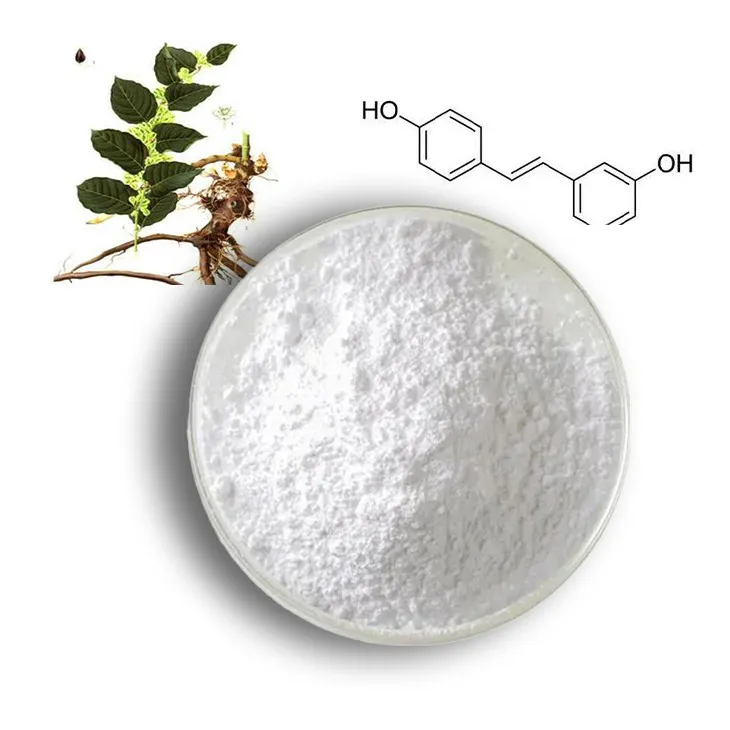
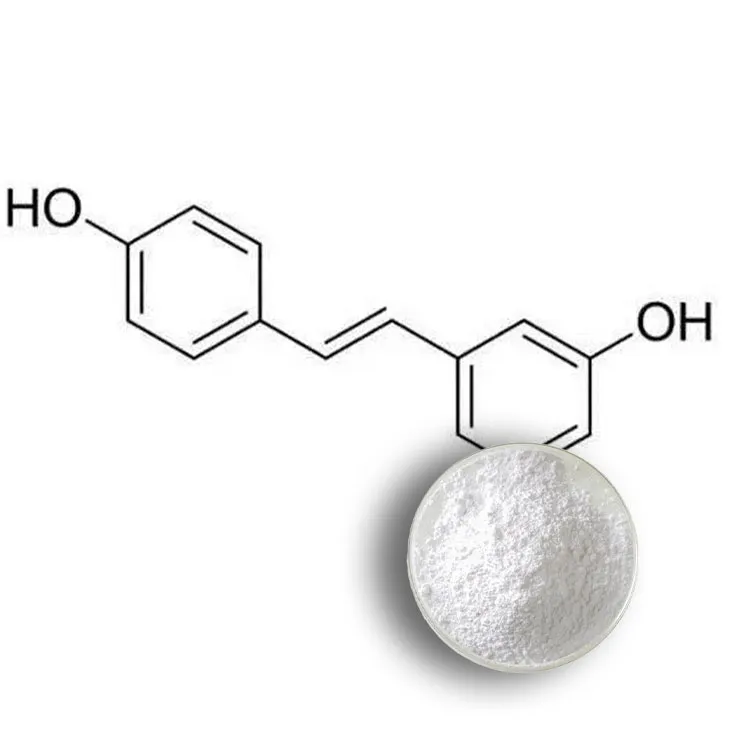
Product: Resveratrol Extract (from Polygonum cuspidatum)Standard Specifications: 20%, 50%, 98%, 99% (HPLC)CAS Number: 501-36-0Molecular Formula: C₁₄H₁₂O₃Molecular Weight: 228.24 g/mol
1. Introduction
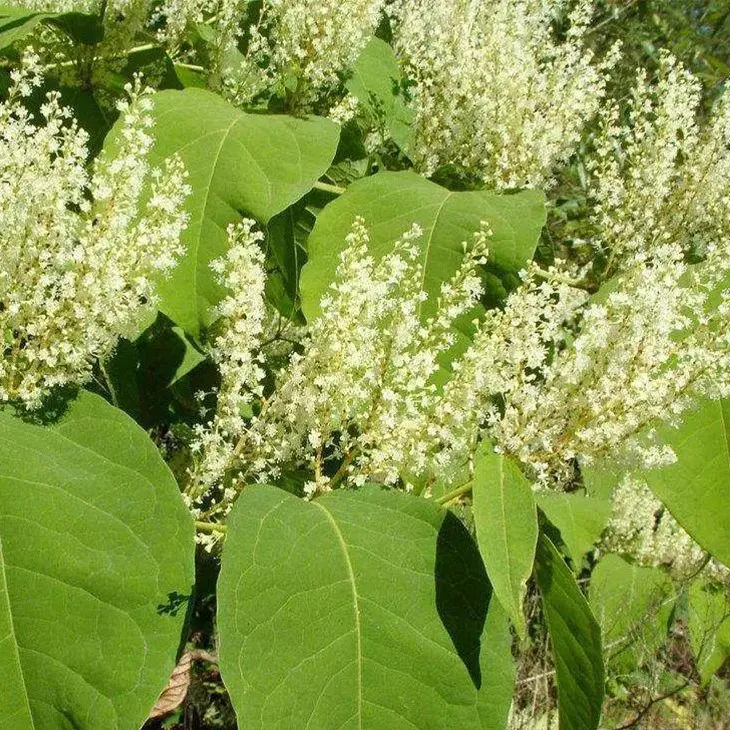
For centuries, the roots of Polygonum cuspidatum (Japanese knotweed) have been used in traditional East Asian medicine to treat inflammation, cardiovascular conditions, and liver disorders. Today, the spotlight shines on a single molecule extracted from this plant — resveratrol — a polyphenolic compound that has captured global scientific attention for its remarkable anti-aging, cardioprotective, and anti-inflammatory properties. Often referred to as the "longevity molecule," resveratrol is one of the most extensively researched natural compounds in the nutraceutical industry, with over 10,000 published studies on PubMed alone.
Whether you are formulating dietary supplements, functional foods, or premium skincare products, understanding the full scope of resveratrol's benefits and quality parameters is essential for making informed sourcing decisions. This comprehensive guide covers everything from botanical origins to clinical evidence, application strategies, and supplier selection criteria.
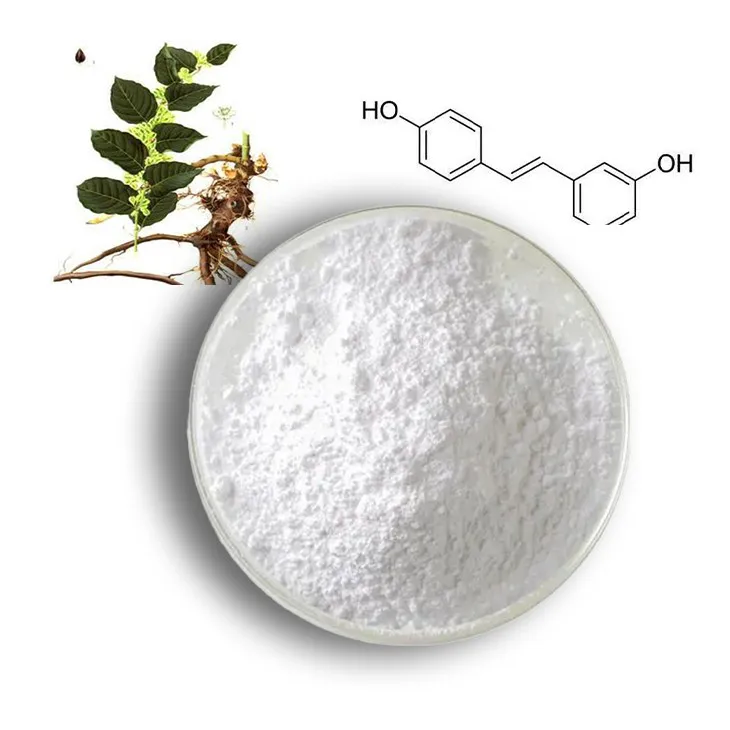
2. What Is Resveratrol Extract?
2.1 Botanical Profile
Attribute Details Latin Name Polygonum cuspidatum Sieb. et Zucc. (syn. Reynoutria japonica Houtt.) Common Name Japanese knotweed, Hu Zhang (虎杖), Tiger cane Plant Family Polygonaceae Primary Regions China (Sichuan, Guizhou, Yunnan, Hubei), Japan, Korea Plant Part Used Root and rhizome (dried) Extraction Solvent Ethanol/water (food-grade)
Resveratrol also occurs naturally in red grapes (Vitis vinifera), blueberries, peanuts, and dark chocolate, but Polygonum cuspidatum root is by far the most concentrated and commercially viable source, containing up to 5% resveratrol by dry weight — orders of magnitude higher than grape skins.
2.2 Active Compounds and Standardization
The root of Polygonum cuspidatum contains a rich profile of bioactive stilbenoids:
Compound Typical Content Function trans-Resveratrol Primary active Antioxidant, SIRT1 activator, anti-inflammatory cis-Resveratrol Minor isomer Less bioactive, formed via UV exposure Polydatin (Piceid) Co-occurring glycoside Resveratrol-3-O-β-D-glucoside; precursor form Emodin Co-occurring anthraquinone Laxative, antimicrobial (removed in high-purity grades) Physcion Minor anthraquinone Antifungal
Our Standard Specifications:
Specification Purity (HPLC) Appearance Typical Use Resveratrol 20% ≥20% trans-resveratrol Brown-yellow powder General dietary supplements Resveratrol 50% ≥50% trans-resveratrol Light brown powder Mid-range nutraceuticals Resveratrol 98% ≥98% trans-resveratrol White to off-white powder Premium supplements, cosmetics Resveratrol 99% ≥99% trans-resveratrol White crystalline powder Pharmaceutical-grade, research Water-soluble Resveratrol 10% ≥10% resveratrol (microencapsulated) White to off-white powder Beverages, liquid formulations
It is important to verify that the specification guarantees trans-resveratrol content specifically, as the cis-isomer has significantly lower biological activity. Our HPLC analysis consistently reports trans-resveratrol content with a minimum 98:2 trans-to-cis ratio.
2.3 Certificate of Analysis (Representative)
Product: Resveratrol Extract 98% (HPLC)Batch No.: RES-2026-06-001Manufacture Date: 2026-06-15Expiry Date: 2028-06-14
Test Item Specification Result Method Appearance White to off-white powder White powder Visual Odor Characteristic Conforms Organoleptic Assay (trans-Resveratrol) ≥98.0% 98.7% HPLC cis-Resveratrol ≤1.0% 0.6% HPLC Loss on Drying ≤5.0% 2.8% USP <731> Ash Content ≤1.0% 0.4% USP <281> Heavy Metals ≤10 ppm <5 ppm ICP-MS Lead (Pb) ≤2.0 ppm 0.3 ppm ICP-MS Arsenic (As) ≤1.0 ppm 0.2 ppm ICP-MS Cadmium (Cd) ≤1.0 ppm 0.1 ppm ICP-MS Mercury (Hg) ≤0.1 ppm <0.05 ppm ICP-MS Residual Solvents ≤0.5% (Ethanol) 0.12% GC Pesticide Residues USP <561> Complies GC-MS/MS Total Plate Count ≤1,000 CFU/g 120 CFU/g USP <2021> Yeast & Mold ≤100 CFU/g <10 CFU/g USP <2021> E. coli Negative Negative USP <2022> Salmonella Negative Negative USP <2022> Staphylococcus aureus Negative Negative USP <2022>
3. Core Benefits and Mechanisms of Action
Resveratrol's therapeutic potential stems from its unique ability to modulate multiple cellular pathways simultaneously. Below are the key evidence-based benefits, each supported by peer-reviewed research.
3.1 Anti-Aging and Longevity: SIRT1 Activation
Resveratrol is the most well-known natural activator of SIRT1 (silent information regulator 2 homolog 1), a NAD⁺-dependent deacetylase enzyme that regulates cellular metabolism, DNA repair, and mitochondrial biogenesis.
Mechanism: Resveratrol binds to the N-terminal domain of SIRT1, inducing a conformational change that lowers the Km for acetylated substrates, thereby enhancing the enzyme's catalytic efficiency. This mimics the molecular effects of caloric restriction, which is known to extend lifespan in multiple model organisms.
Key Evidence:
Baur et al. (2006) demonstrated in Nature that resveratrol supplementation improved survival and insulin sensitivity in high-fat-diet mice, shifting their physiology toward that of calorie-restricted animals. (PMID: 17086191)
Timmers et al. (2011) showed in Cell Metabolism that 30-day resveratrol supplementation (150 mg/day) in obese men significantly reduced metabolic rate during sleep, lowered blood glucose, and improved mitochondrial function, confirming SIRT1-dependent effects in humans. (PMID: 22055504)
Howitz et al. (2003) originally identified resveratrol as a SIRT1 activator in a landmark Nature paper, reporting a 70% increase in yeast replicative lifespan. (PMID: 12939617)
3.2 Cardiovascular Protection
Resveratrol exerts multifaceted cardioprotective effects through endothelial function improvement, platelet aggregation inhibition, and lipid profile modulation.
Mechanism: Resveratrol upregulates endothelial nitric oxide synthase (eNOS) via SIRT1-dependent deacetylation, increasing nitric oxide (NO) bioavailability and promoting vasodilation. It also inhibits LDL oxidation and reduces expression of adhesion molecules (VCAM-1, ICAM-1), which are key to atherogenesis.
Key Evidence:
Wong et al. (2011) reported in Nutrition, Metabolism and Cardiovascular Diseases that resveratrol supplementation (100 mg/day for 12 weeks) significantly improved flow-mediated dilation (FMD) in overweight/obese subjects with borderline hypertension. (PMID: 20880689)
Tome-Carneiro et al. (2013) conducted a randomized controlled trial showing that a resveratrol-enriched grape extract reduced LDL-cholesterol and oxidized LDL in statin-treated patients at high cardiovascular risk. (PMID: 23130022)
Bhatt et al. (2012) reviewed the "French Paradox" — the observation that moderate red wine consumption correlates with lower cardiovascular mortality despite high saturated fat intake — and attributed much of the effect to resveratrol. (PMID: 22227963)
3.3 Anti-Inflammatory and Immunomodulatory Activity
Resveratrol suppresses chronic inflammation via dual inhibition of the COX and LOX pathways, while also modulating NF-κB signaling.
Mechanism: Resveratrol directly inhibits COX-1 and COX-2 enzymes (comparable to NSAIDs but without gastric side effects), downregulates NF-κB translocation to the nucleus, and reduces pro-inflammatory cytokines including TNF-α, IL-1β, and IL-6. It also activates Nrf2, the master transcription factor for antioxidant response genes.
Key Evidence:
Das & Das (2007) reviewed in Inflammation Research that resveratrol at physiological concentrations (1-10 μM) inhibited COX-2 expression by 50-70% in macrophages and suppressed PGE₂ production. (PMID: 17415556)
Zhu et al. (2011) demonstrated in Phytomedicine that resveratrol significantly attenuated LPS-induced NF-κB activation and reduced TNF-α, IL-6, and NO production in RAW 264.7 macrophages. (PMID: 21514124)
Bo et al. (2013) conducted a meta-analysis of 14 RCTs confirming that resveratrol significantly reduced CRP levels in humans, with the strongest effects observed at doses ≥500 mg/day. (PMID: 24331945)
3.4 Neuroprotection and Cognitive Health
Resveratrol crosses the blood-brain barrier, making it a compelling candidate for neuroprotection.
Mechanism: Resveratrol reduces β-amyloid aggregation, enhances cerebral blood flow, promotes clearance of neurotoxic proteins via autophagy, and suppresses microglial activation — the chronic neuroinflammation implicated in Alzheimer's and Parkinson's diseases.
Key Evidence:
Kennedy et al. (2010) demonstrated in The American Journal of Clinical Nutrition that acute resveratrol administration (250-500 mg) increased cerebral blood flow in healthy adults during cognitive tasks, as measured by fMRI. (PMID: 20130099)
Turner et al. (2015) reported in Neurology that 52-week resveratrol treatment (up to 2 g/day) in Alzheimer's patients stabilized CSF Aβ40 levels and attenuated cognitive decline compared to placebo. (PMID: 26362286)
Moussa et al. (2017) showed in Journal of Alzheimer's Disease that resveratrol reduced brain amyloid burden and preserved blood-brain barrier integrity in patients with mild to moderate AD. (PMID: 28059793)
3.5 Metabolic Health and Blood Sugar Regulation
Mechanism: Resveratrol activates AMPK (AMP-activated protein kinase), improving insulin sensitivity and glucose uptake in skeletal muscle. It also inhibits α-glucosidase and α-amylase, reducing postprandial glucose spikes.
Key Evidence:
Brasnyó et al. (2011) reported in the British Journal of Nutrition that 5 mg resveratrol twice daily for 4 weeks significantly decreased HOMA-IR (insulin resistance index) in type 2 diabetic patients. (PMID: 21385509)
Liu et al. (2014) conducted a systematic review and meta-analysis in Molecular Nutrition & Food Research, concluding that resveratrol significantly improved fasting glucose, insulin, and HbA1c in diabetic patients but not in non-diabetic subjects. (PMID: 25130671)
3.6 Skin Health and Anti-Aging Cosmetics
Mechanism: As a potent antioxidant, resveratrol neutralizes ROS generated by UV radiation, inhibits matrix metalloproteinases (MMPs) that degrade collagen, and stimulates fibroblast proliferation for dermal repair.
Key Evidence:
Baxter (2008) in the Journal of Cosmetic Dermatology reviewed resveratrol's cosmeceutical applications, noting its 17× stronger antioxidant activity than idebenone when tested in vitro. (PMID: 19022117)
Farris et al. (2013) demonstrated that topical resveratrol (1%) combined with Baicalin and vitamin E provided significant photoprotection and improvement in fine lines, skin firmness, and hyperpigmentation after 12 weeks. (PMID: 23515082)
3.7 Cancer Chemoprevention
Resveratrol affects all three stages of carcinogenesis — initiation, promotion, and progression — by modulating multiple signaling pathways.
Mechanism: Resveratrol induces apoptosis in cancer cells via p53 activation and caspase cascades, arrests cell cycle at G1/S and G2/M checkpoints, inhibits angiogenesis (VEGF suppression), and reduces metastasis through MMP inhibition.
Key Evidence:
Jang et al. (1997) published the seminal Science paper demonstrating resveratrol's chemopreventive activity against all three stages of carcinogenesis in mouse skin cancer models. (PMID: 8985016)
Singh et al. (2013) reviewed in Annals of the New York Academy of Sciences that resveratrol-based combinatorial therapies showed enhanced efficacy in colorectal, breast, and prostate cancer models. (PMID: 23855467)
4. Broad Application Areas
4.1 Dietary Supplements and Nutraceuticals
Resveratrol is a staple ingredient in the anti-aging, cardiovascular, and metabolic health supplement categories.
The global resveratrol market was valued at approximately USD 90 million in 2023 and is projected to grow at a CAGR of 8.2% through 2030 (Grand View Research, 2024), driven by the aging population and increasing consumer focus on preventive healthcare.
4.2 Functional Foods and Beverages
Resveratrol is increasingly incorporated into everyday food and beverage products:
Functional beverages: Resveratrol-infused waters, teas, sports drinks, and coffee
Nutritional bars: Protein bars and energy bars fortified with resveratrol
Dairy products: Yogurt and fermented milk products with resveratrol
Confectionery: Dark chocolate naturally contains resveratrol; some products add supplemental doses
Wine alternatives: Non-alcoholic wine products enriched with resveratrol
For beverage applications, our water-soluble resveratrol (10%) — produced via microencapsulation technology — provides excellent dispersibility, clarity, and bioavailability without the bitterness commonly associated with polyphenols.
4.3 Cosmetics and Personal Care
Resveratrol is a premium active ingredient in the anti-aging skincare segment:
Product Category Function Formulation Note Anti-aging serums Collagen protection, wrinkle reduction Use at 0.1-1.0% concentration Day creams with SPF Photoprotection boost Synergistic with vitamin C and E Eye creams Dark circle and puffiness reduction Combine with caffeine Sheet masks Intensive antioxidant treatment Water-soluble form preferred Hair care products Scalp health, anti-hair loss DHT-inhibiting properties
Resveratrol's stability in formulations is pH-dependent; it remains stable at pH 3-5, making it ideal for acidic skincare formulations. For higher pH applications, encapsulation or combination with antioxidants is recommended to prevent oxidative degradation.
4.4 Animal Nutrition
Resveratrol shows promise as a natural growth promoter and health enhancer in animal feed:
Poultry: Improved feed conversion ratio, reduced oxidative stress during heat stress conditions
Swine: Enhanced meat quality, reduced lipid oxidation in pork products
Aquaculture: Improved disease resistance in shrimp and fish farming
Companion animals: Anti-aging supplements for senior dogs and cats
A 2019 study in Poultry Science by Zhang et al. demonstrated that dietary resveratrol (400 mg/kg feed) significantly improved intestinal morphology and antioxidant status in broiler chickens under heat stress conditions. (PMID: 30993300)
5. How to Choose a High-Quality Resveratrol Extract: Key Criteria
5.1 Purity Verification: trans- vs. cis-Resveratrol
Not all "resveratrol 98%" products are created equal. The critical question is: what percentage is the active trans-isomer?
Minimum standard: ≥98% trans-resveratrol (HPLC) for high-purity grades
Red flag: Suppliers who cannot provide trans/cis isomer ratio data
Best practice: Request HPLC chromatograms showing clear separation of trans and cis peaks
Our commitment: Every batch of resveratrol 98% comes with a detailed HPLC report showing trans-resveratrol ≥98% and cis-resveratrol ≤1%, with baseline separation of isomers.
5.2 Source Traceability
Botanical origin: Is it from Polygonum cuspidatum root or synthetic?
Natural vs. synthetic: Natural resveratrol from P. cuspidatum contains co-occurring stilbenoids (polydatin, piceatannol) that may confer entourage effects. Pure synthetic resveratrol lacks these compounds.
Geographic origin: Roots from high-altitude regions of Sichuan and Yunnan (China) typically contain higher resveratrol concentrations due to environmental stress-induced phytoalexin production.
5.3 Extraction and Purification Technology
The quality of resveratrol extract depends heavily on the manufacturing process:
Process Step Technology Benefit Extraction Counter-current extraction with food-grade ethanol High yield, minimal thermal degradation Concentration Low-temperature vacuum concentration Preserves heat-sensitive trans-resveratrol Purification Macroporous resin adsorption + crystallization High purity without toxic solvents Drying Vacuum drying or spray drying Low moisture, long shelf life Quality Control HPLC, GC, ICP-MS, microbiological testing Full compliance with USP/EP standards
Our advantage: We employ a patented low-temperature purification process that maintains trans-resveratrol integrity throughout the manufacturing cycle, achieving a trans-to-cis ratio exceeding 98:2 — significantly above the industry average of 95:5.
5.4 Third-Party Testing and Certifications
Always request independent laboratory verification. Reputable suppliers should provide:
HPLC chromatograms from each batch
Heavy metals panel (Pb, As, Cd, Hg)
Pesticide residue screening (>200 compounds)
Residual solvent analysis (ethanol, methanol, acetone)
Microbiological testing (TPC, yeast/mold, pathogens)
Certifications to look for:
Certification Scope ISO 9001 Quality management system ISO 22000 / HACCP Food safety management GMP Good Manufacturing Practice Kosher Dietary compliance for Jewish consumers Halal Dietary compliance for Muslim consumers Organic (NOP/EU) Organic certification (if applicable)
5.5 Physical Characteristics and Stability
High-quality resveratrol 98% should exhibit:
Appearance: Uniform white to off-white crystalline powder, free from dark specks or discoloration
Solubility: Soluble in ethanol (~50 mg/mL), DMSO (~30 mg/mL); practically insoluble in water
Stability: Stable for 24+ months when stored in sealed containers at ≤25°C, protected from light and moisture
Particle size: 100% through 80 mesh (standard) or micronized (custom)
6. About Us: Your Trusted Resveratrol Extract Partner
As a specialized plant extract manufacturer with over a decade of industry experience, we understand what quality means to your business. Our resveratrol extract is produced in an ISO 9001, ISO 22000, and HACCP-certified facility with full traceability from raw material to finished product.
Why Choose Our Resveratrol Extract?
1. Superior Isomer PurityOur trans-resveratrol consistently exceeds 98.5% purity with a trans-to-cis ratio ≥98:2, tested by HPLC at our in-house laboratory and verified by independent third-party labs including Eurofins and SGS.
2. Complete Documentation PackageEvery shipment includes a comprehensive Certificate of Analysis (COA), Material Safety Data Sheet (MSDS), HPLC chromatogram, heavy metals report, pesticide residue screening, and microbiological test results. We also provide a Statement of Origin and GMO-Free Declaration.
3. Customization Capabilities
Custom particle size: 80 mesh, 100 mesh, or micronized (<10 μm) for improved blendability
Water-soluble grades: Microencapsulated resveratrol for clear beverage applications
Custom blends: Resveratrol + Quercetin, Resveratrol + Pterostilbene, Resveratrol + Grape Seed Extract
Private labeling: Custom packaging in drums, foil bags, or your branded containers
4. Stable Supply ChainWe maintain strategic partnerships with Polygonum cuspidatum growers in Sichuan and Yunnan, ensuring consistent raw material supply throughout the year. Our annual production capacity exceeds 50 metric tons of resveratrol extract across all specifications.
5. Research-Backed QualityWe invest in ongoing research collaborations with academic institutions to validate the bioavailability and stability of our extracts. Our water-soluble resveratrol technology was developed in partnership with a leading Chinese university and has been published in peer-reviewed journals.
6. Competitive Pricing with Flexible Quantities
Sample orders: 10 g - 1 kg (free samples for qualified buyers)
Trial orders: 1-25 kg
Commercial orders: 25 kg - 1,000+ kg
MOQ: 1 kg (negotiable for new clients)
- ▶ Hesperidin
- ▶ Citrus Bioflavonoids
- ▶ Plant Extract
- ▶ lycopene
- ▶ Diosmin
- ▶ Grape seed extract
- ▶ Sea buckthorn Juice Powder
- ▶ Fruit Juice Powder
- ▶ Hops Extract
- ▶ Artichoke Extract
- ▶ Mushroom extract
- ▶ Astaxanthin
- ▶ Green Tea Extract
- ▶ Curcumin
- ▶ Horse Chestnut Extract
- ▶ Other Product
- ▶ Boswellia Serrata Extract
- ▶ Resveratrol
- ▶ Marigold Extract
- ▶ Grape Leaf Extract
- ▶ New Product
- ▶ Aminolevulinic acid
- ▶ Cranberry Extract
- ▶ Red Yeast Rice
- ▶ Red Wine Extract
- ▶ blog
-
Beetroot juice Powder
2026-07-01
-
Tinospora cordifolia extract
2026-07-01
-
Sea buckthorn Juice Powder
2026-07-01
-
Liposomal NMN
2026-07-01
-
Lycopene
2026-07-01
-
Cocoa Extract
2026-07-01
-
Kidney Bean Extract
2026-07-01
-
Natural grape seed extract
2026-07-01
-
Cayenne Pepper Extract
2026-07-01
-
Black Seed Extract
2026-07-01
