- 0086-571-85302990
- [email protected]




Milk Thistle Extract (Silymarin) Complete Guide: Liver Health Benefits, Applications & Supplier
2026-07-01
Meta Description: Discover the ultimate guide to Milk Thistle Extract (Silybum marianum) standardized to 80% Silymarin. Learn about its hepatoprotective mechanisms, clinical evidence, applications in supplements, food, cosmetics, and animal nutrition. Get expert advice on selecting a quality supplier with COA, third-party testing, and competitive pricing.
Target Keywords: Milk Thistle Extract, silymarin, Silybum marianum, liver health supplement, hepatoprotective, milk thistle supplier, silymarin 80%, botanical extract, NAFLD, natural liver detox
Introduction
For over 2,000 years, Milk Thistle (Silybum marianum L. Gaertn.) has been revered in traditional European medicine as a natural remedy for liver and gallbladder disorders. The plant's distinctive white-veined leaves and purple flowers have earned it a place in herbal pharmacopoeias across the Mediterranean, Middle East, and South Asia. Today, modern scientific research has validated its traditional use, identifying a powerful complex of flavonolignans—collectively known as silymarin—as the primary bioactive constituents responsible for its hepatoprotective, antioxidant, and anti-inflammatory effects.
With the global prevalence of non-alcoholic fatty liver disease (NAFLD) now affecting approximately 25% of the world's population, the demand for evidence-based liver support ingredients has surged. Milk Thistle Extract, particularly standardized to 80% silymarin, has emerged as one of the most thoroughly researched and commercially significant botanical ingredients in the nutraceutical industry.
In this comprehensive guide, we explore the science, applications, and supplier selection criteria for premium Milk Thistle Extract.
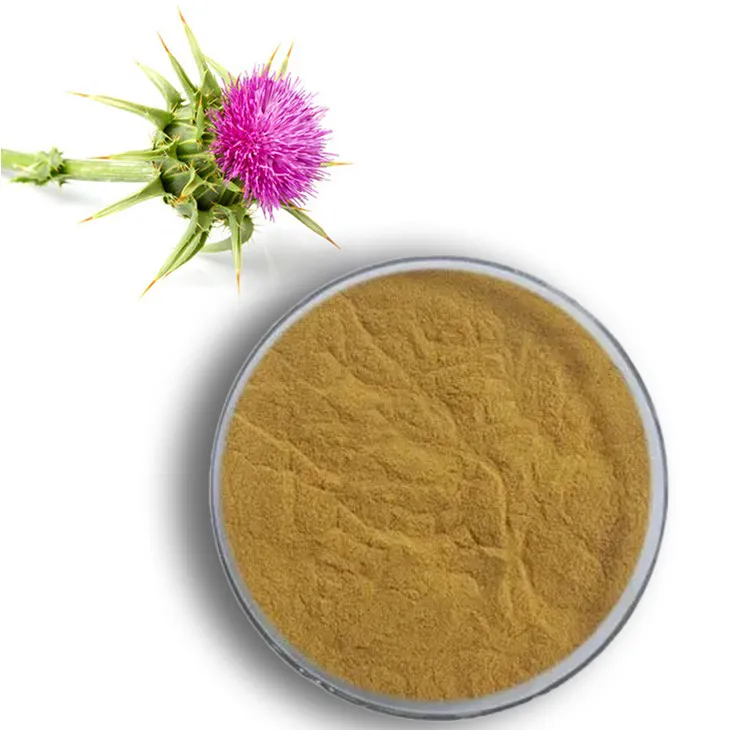
Part 1: What Is Milk Thistle Extract?
Botanical Profile
| Attribute | Detail |
|---|---|
| Scientific Name | Silybum marianum (L.) Gaertn. |
| Family | Asteraceae (Compositae) |
| Common Names | Milk Thistle, Holy Thistle, Mary Thistle, St. Mary's Thistle |
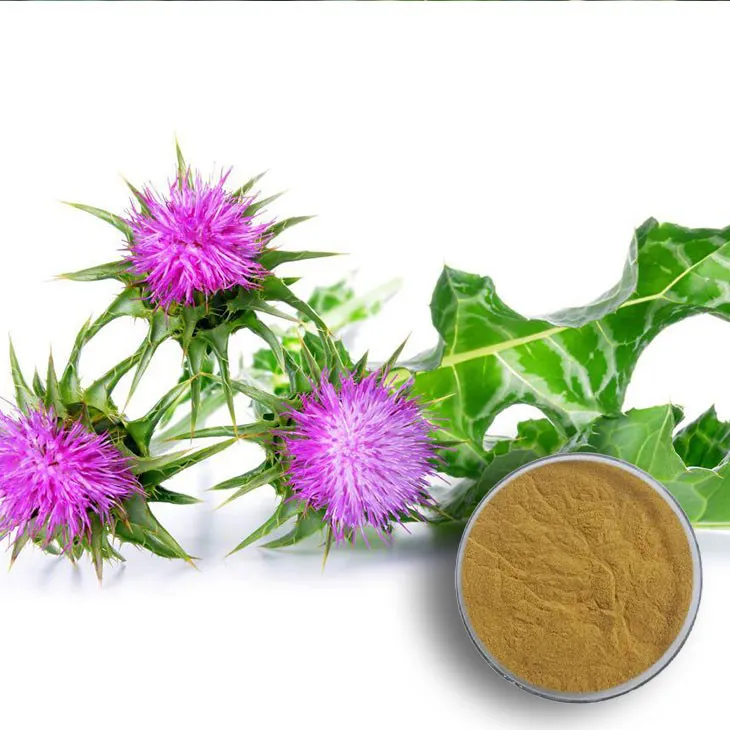
| Plant Description | Annual or biennial herb reaching 1.2–2.0 m in height; characterized by glossy green leaves with distinctive white marbling along the veins and vibrant purple flower heads |
| Native Range | Mediterranean region (Southern Europe, North Africa, Middle East); now widely naturalized across Europe, North America, South America, China, and Australia |
| Primary Cultivation Regions | China (Shandong, Jiangsu, Sichuan), Germany, Austria, Hungary, Argentina, India |
Plant Part Used
The ripe fruits (achenes) — commonly referred to as "seeds" — are the primary raw material for extraction. The seeds are harvested when fully mature (typically July–September), dried to a moisture content below 10%, and subjected to solvent extraction. The leaves and stems are not used for silymarin extraction, as the flavonolignan complex is concentrated exclusively in the fruit pericarp.
Active Constituents: The Silymarin Complex
Silymarin is not a single compound but a standardized mixture of flavonolignans extracted from the seeds. The key components and their typical proportions in a high-quality 80% silymarin extract are:
| Component | Proportion in Silymarin | Chemical Class | Key Pharmacological Role |
|---|---|---|---|
| Silybin A | 25–35% | Flavonolignan | Primary hepatoprotective agent; antioxidant, anti-fibrotic |
| Silybin B | 25–35% | Flavonolignan | Isomer of silybin A; comparable bioactivity |
| Isosilybin A | 5–10% | Flavonolignan | Antioxidant, anti-proliferative |
| Isosilybin B | 5–10% | Flavonolignan | Antioxidant, anti-inflammatory |
| Silychristin | 10–15% | Flavonolignan | Anti-inflammatory, anti-glycation |
| Silydianin | 5–10% | Flavonolignan | Antioxidant, hepatoprotective |
| Taxifolin | 2–5% | Flavanonol (precursor) | Antioxidant, anti-inflammatory |
Silybin (the sum of silybin A + silybin B) is widely regarded as the most pharmacologically potent component, typically constituting ≥50% of the total silymarin complex in premium extracts.
Our Standard Specifications
| Specification | Standard | Test Method |
|---|---|---|
| Extract Ratio (DER) | 30:1 | Gravimetric |
| Total Silymarin | ≥ 80% | HPLC-UV (λ = 288 nm) |
| Silybin A + B | ≥ 50% | HPLC-UV |
| Isosilybin A + B | 5–15% | HPLC-UV |
| Silychristin + Silydianin | 15–25% | HPLC-UV |
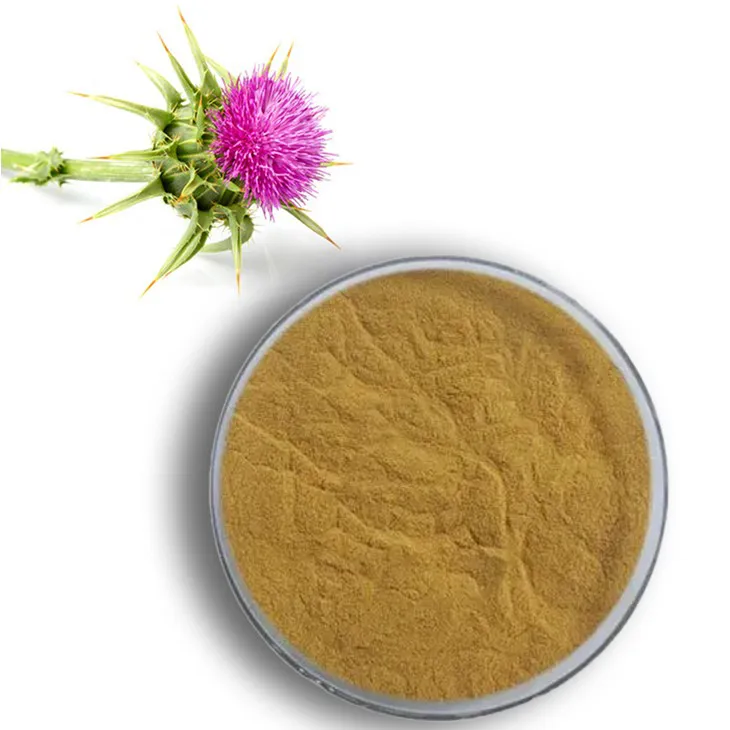
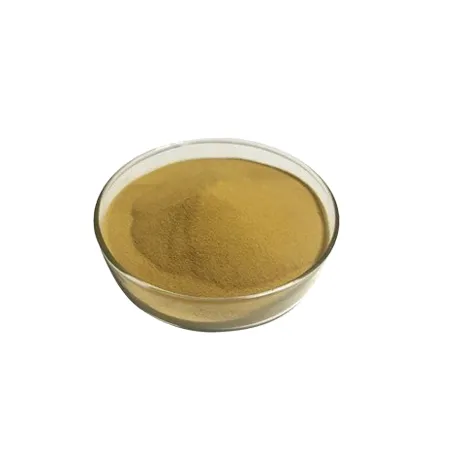
| Appearance | Light yellow to orange-yellow fine powder | Visual |
| Odor | Characteristic, slightly bitter | Sensory |
| Particle Size | 95% through 80 mesh | Sieve |
| Moisture | ≤ 5.0% | Loss on Drying (105°C) |
| Ash | ≤ 5.0% | Incineration |
| Heavy Metals | Pb ≤ 2.0, As ≤ 1.0, Hg ≤ 0.1, Cd ≤ 0.5 mg/kg | ICP-MS |
| Pesticide Residues | Compliant with EU 396/2005 | GC-MS / LC-MS/MS |
| Microbiology | TPC ≤ 10,000 CFU/g; M&Y ≤ 500 CFU/g; Pathogens: Negative | AOAC |
Certificate of Analysis (COA)
Every batch of our Milk Thistle Extract is accompanied by a comprehensive COA, including:
HPLC chromatogram showing silymarin component distribution
Heavy metal analysis (Pb, As, Hg, Cd)
Pesticide residue screening (500+ analytes)
Microbiological testing (TPC, mold/yeast, coliforms, Salmonella, S. aureus)
Solvent residue analysis (compliant with USP <467>)
Important Note on Color Variation: The color of Milk Thistle Extract may vary from light yellow to deep orange-yellow between batches. This is a normal phenomenon in botanical extracts and does not indicate any quality issue. Color variation arises from natural factors including harvest season, growing region, seed maturity, and minor oxidative changes during storage. The critical quality attribute is the silymarin content verified by HPLC, not the powder color. Both light and darker batches meet the same rigorous specification of ≥80% silymarin.
Part 2: Core Benefits & Mechanisms of Action
Silymarin's hepatoprotective effects are mediated through multiple complementary mechanisms, making it a uniquely versatile liver support ingredient.
2.1 Hepatoprotection & Liver Regeneration
Mechanism: Silymarin acts as a free radical scavenger and lipid peroxidation inhibitor at the hepatocyte membrane level. It specifically protects the outer membrane of liver cells by intercalating into the lipid bilayer, preventing the entry of hepatotoxins (including ethanol metabolites, carbon tetrachloride, and Amanita phalloides toxins). Additionally, silymarin stimulates RNA polymerase I activity, enhancing ribosomal protein synthesis and promoting hepatocyte regeneration.
Clinical Evidence:
A 2026 prospective single-arm study published in Drugs in Context (Sukeepaisarnjaroen et al.) demonstrated that silymarin combined with lifestyle intervention significantly improved liver enzyme profiles and metabolic parameters in NAFLD patients with metabolic syndrome (PMID: 41993723).
Research by Elgendy et al. (2025, Chemistry & Biodiversity) found that the combination of silymarin and Curcuminoids produced superior hepatoprotective effects compared to either agent alone in patients with hepatic impairment (PMID: 40513108).
A comparative study by Zozulya et al. (2025, Georgian Medical News) evaluated silymarin against fenofibrate, betaine, and ademetionine in a rat model of steatohepatitis, confirming silymarin's significant efficacy in reducing hepatic steatosis and inflammation (PMID: 41314208).
2.2 Potent Antioxidant Activity
Mechanism: Silymarin exerts antioxidant effects through three distinct pathways:
Direct radical scavenging — neutralizes superoxide (O₂⁻), hydroxyl (·OH), and peroxyl (ROO·) radicals
Metal chelation — binds free iron (Fe²⁺), preventing Fenton reaction-mediated oxidative damage
Enzyme modulation — upregulates endogenous antioxidant enzymes including superoxide dismutase (SOD), glutathione peroxidase (GPx), and catalase (CAT); increases intracellular glutathione (GSH) levels
The antioxidant capacity of silymarin is estimated to be 10 times more potent than vitamin E (α-tocopherol) on a molar basis in certain in vitro assays.
2.3 Anti-Inflammatory Action
Mechanism: Silymarin suppresses the NF-κB signaling pathway, a master regulator of inflammatory gene expression. By inhibiting IκB kinase (IKK) and preventing NF-κB nuclear translocation, silymarin reduces the production of pro-inflammatory cytokines including:
Tumor necrosis factor-alpha (TNF-α)
Interleukin-6 (IL-6)
Interleukin-1 beta (IL-1β)
Cyclooxygenase-2 (COX-2)
Inducible nitric oxide synthase (iNOS)
This anti-inflammatory cascade is particularly relevant in the context of NAFLD/NASH, where chronic low-grade inflammation drives disease progression from simple steatosis to steatohepatitis and fibrosis.
2.4 Anti-Fibrotic Effects
Mechanism: Silymarin inhibits the activation and proliferation of hepatic stellate cells (HSCs), the primary fibrogenic cells in the liver. By suppressing transforming growth factor-beta (TGF-β) signaling and reducing collagen type I deposition, silymarin slows or reverses liver fibrosis progression. This mechanism is supported by both in vitro studies on HSC lines and in vivo animal models of chemically induced liver fibrosis.
2.5 Metabolic Benefits (NAFLD/MAFLD)
Mechanism: Recent research highlights silymarin's role in metabolic regulation:
AMPK activation — improves insulin sensitivity and reduces hepatic gluconeogenesis
Lipid metabolism modulation — reduces hepatic triglyceride accumulation by inhibiting de novo lipogenesis and promoting fatty acid β-oxidation
Anti-steatotic effects — decreases hepatic lipid droplet formation
A 2026 study by Xu et al. (Journal of Nutritional Biochemistry) revealed that silymarin ameliorates MAFLD-associated ferroptosis by targeting xCT-mediated amino acid metabolism, representing a novel mechanism of action (PMID: 41654271). Additionally, Gao et al. (2026, International Journal of Molecular Sciences) demonstrated that silibinin (the primary component of silymarin) achieved a 48% reduction in NAFLD activity score in heat-stressed laying hens, with significantly decreased hepatic triglyceride content (PMID: 42196250).
2.6 Chemoprotective Potential
Mechanism: Silymarin modulates phase I and phase II detoxification enzymes in the liver. It inhibits cytochrome P450 (CYP) enzymes involved in the bioactivation of procarcinogens while inducing phase II detoxification enzymes (glutathione S-transferase, UDP-glucuronosyltransferase, quinone reductase) that facilitate the elimination of carcinogens. This dual modulation underpins silymarin's chemopreventive potential, particularly in the context of hepatocarcinogenesis.
2.7 Additional Benefits
| Benefit | Mechanism | Supporting Evidence |
|---|---|---|
| Neuroprotection | Reduces amyloid-β aggregation; inhibits oxidative stress in neuronal cells | Preclinical studies |
| Cardiometabolic Support | Improves lipid profile; reduces LDL oxidation; enhances endothelial function | Clinical trials |
| Skin Health | Topical antioxidant; UV protection; anti-glycation | In vitro & in vivo |
| Gallbladder Function | Promotes bile flow (choleretic); reduces bile lithogenicity | Traditional & clinical |
| Muscle Health | Combined with exercise, reduces fat infiltration in muscle tissue | Aghaei et al., 2026 (PMID: 41443115) |
Part 3: Wide-Ranging Applications
Milk Thistle Extract (80% silymarin) is a versatile ingredient that serves multiple industries. Understanding its application potential helps customers identify the right specification for their product development.
3.1 Pharmaceutical & Nutraceutical Supplements
This is the largest and most established market for Milk Thistle Extract.
| Application | Product Form | Typical Dosage (Silymarin) | Target Indication |
|---|---|---|---|
| Liver Health Capsules | Hard gelatin capsules, vegetarian capsules | 140–420 mg/day (divided into 2–3 doses) | General liver support, detoxification |
| Liver Detox Tablets | Compressed tablets, effervescent tablets | 200–400 mg/day | Hangover recovery, post-medication liver support |
| NAFLD/NASH Formulas | Softgels, capsules | 420–600 mg/day | Non-alcoholic fatty liver disease |
| Combination Liver Formulas | Capsules with N-acetylcysteine (NAC), artichoke, dandelion | 140–280 mg silymarin/day | Comprehensive liver health |
| Alcohol Metabolism Support | Capsules, liquid shots | 200–400 mg (acute) | Alcohol-induced liver stress |
| Mushroom Poisoning Adjunct | Intravenous silibinin (hospital use) | 20–50 mg/kg/day IV | Amanita phalloides poisoning |
Formulation Note: Silymarin has limited aqueous solubility and low oral bioavailability (estimated 20–50%). For enhanced bioavailability, consider:
Phospholipid complexation (e.g., silymarin-phosphatidylcholine complex, silybin-phospholipid complex)
Micronization (reducing particle size to <10 μm)
Solid dispersion with hydrophilic carriers
Self-emulsifying drug delivery systems (SEDDS)
3.2 Functional Foods & Beverages
| Application | Product Examples | Typical Addition Level |
|---|---|---|
| Functional Beverages | Detox teas, liver health shots, wellness drinks | 50–150 mg silymarin/serving |
| Energy & Protein Bars | Health bars with liver support positioning | 100–200 mg silymarin/bar |
| Meal Replacement Powders | Detox meal shakes, metabolic health powders | 100–200 mg silymarin/serving |
| Herbal Tea Blends | Milk thistle tea bags, detox infusion blends | 1–3 g milk thistle powder/tea bag |
Flavor Consideration: Milk Thistle Extract has a characteristic bitter taste. For beverage applications, flavor masking with citrus, mint, berry, or ginger is recommended. Microencapsulation can also help mitigate bitterness while improving stability.
3.3 Cosmetics & Personal Care
Milk Thistle Extract is gaining popularity in the cosmetic industry as a multifunctional active ingredient.
| Application | Product Type | Function | Recommended Use Level |
|---|---|---|---|
| Anti-Aging Serums | Facial serums, ampoules | Antioxidant; prevents collagen degradation; anti-glycation | 0.5–2.0% |
| UV Protection | Day creams, sunscreens | Photoprotective; reduces UV-induced DNA damage | 1.0–3.0% |
| Brightening Products | Spot correctors, brightening essences | Anti-inflammatory; reduces pigmentation | 0.5–1.0% |
| Acne Care | Acne serums, spot treatments | Anti-inflammatory; sebum regulation | 0.5–2.0% |
| Hair Care | Scalp treatments, anti-hair loss serums | Antioxidant; follicle protection | 0.5–1.5% |
| Body Care | Body lotions, hand creams | Anti-aging for body skin | 0.5–1.0% |
INCI Name: Silybum marianum Extract / Silymarin
Solubility for Cosmetics: Silymarin is soluble in ethanol, propylene glycol, and glycerin. For water-based formulations, pre-dissolution in a suitable co-solvent or use of liposomal/microencapsulated forms is recommended.
3.4 Animal Nutrition
The use of Milk Thistle Extract in animal feed is a growing market driven by the global trend toward natural alternatives to antibiotic growth promoters.
| Animal Species | Application | Benefit | Recommended Dosage (Extract) |
|---|---|---|---|
| Poultry (Broilers) | Feed additive | Hepatoprotection; improved growth performance; reduced heat stress | 100–500 mg/kg feed |
| Poultry (Layers) | Feed additive | Reduced fatty liver; improved egg quality | 200–500 mg/kg feed |
| Swine | Feed additive | Liver protection; improved feed conversion | 200–1,000 mg/kg feed |
| Dairy Cattle | Feed additive | Liver health during transition period; reduced ketosis | 10–50 g/head/day |
| Aquaculture | Feed additive | Hepatoprotection against aflatoxin-contaminated feed | 500–2,000 mg/kg feed |
| Companion Animals | Supplements | Liver support for aging dogs/cats; post-medication recovery | 50–200 mg/day (dog) |
Supporting Research: A 2026 study by Gao et al. demonstrated that silibinin supplementation significantly reduced hepatic lipid disruption in laying hens under heat stress, confirming the practical value of milk thistle in poultry nutrition (PMID: 42196250).
Part 4: How to Choose a Quality Milk Thistle Extract Supplier
Selecting the right supplier is critical to ensuring product quality, regulatory compliance, and supply chain reliability. Here are the key factors to evaluate:
4.1 Purity & Standardization (The Most Critical Factor)
Verify the silymarin content by HPLC — not UV spectrophotometry alone. HPLC provides component-level resolution (silybin A, silybin B, isosilybin, silychristin, silydianin), while UV may overestimate content due to interfering compounds.
Check the silybin A+B ratio — a minimum of 50% of total silymarin should be silybin A+B, as these are the most pharmacologically active components.
Request the HPLC chromatogram alongside the COA. A well-resolved chromatogram with clearly identifiable peaks for each silymarin component is a hallmark of quality.
Be aware of adulteration risks — some suppliers may spike with synthetic silybin or misrepresent lower-grade extracts. Third-party verification provides assurance.
4.2 Extraction Technology
The quality of silymarin is highly dependent on the extraction and purification process:
| Extraction Method | Advantages | Disadvantages |
|---|---|---|
| Ethanol-Water Extraction | Efficient for flavonolignans; food-grade solvent; cost-effective | Requires careful temperature control |
| Supercritical CO₂ Extraction | Solvent-free; high purity; excellent for lipophilic components | High capital cost; lower yield for glycosides |
| Acetone Extraction | High yield; good selectivity | Requires rigorous solvent removal; less preferred for "natural" positioning |
| Ultrasound-Assisted Extraction | Reduced time and temperature; higher yield | Scaling challenges |
Our Process: We employ optimized ethanol-water extraction at controlled temperatures (50–60°C) to maximize silymarin yield while preserving the natural component profile. The crude extract is purified through liquid-liquid partitioning and concentrated under vacuum (<50°C) to prevent thermal degradation. The final product is standardized by blending batches to achieve consistent ≥80% silymarin content.
4.3 Third-Party Testing & Transparency
A reliable supplier should:
Provide a comprehensive Certificate of Analysis (COA) for every batch
Offer third-party testing by accredited laboratories (SGS, Eurofins, Intertek) upon request
Share HPLC chromatograms and heavy metal/pesticide test reports
Maintain retained samples from each batch for future reference
Be transparent about batch-to-batch color variation (a normal phenomenon in botanical extracts, not a quality defect)
4.4 Certifications & Regulatory Compliance
Look for the following certifications, which indicate a supplier's commitment to quality management:
| Certification | What It Verifies |
|---|---|
| ISO 22000 / HACCP | Food safety management system |
| GMP (Good Manufacturing Practice) | Consistent production quality |
| Non-GMO Project Verified | No genetically modified organisms |
| USDA Organic / EU Organic | Organic cultivation and processing |
| Kosher / Halal | Religious dietary compliance |
| FDA Registration | Facility registered with US FDA |
4.5 Supply Chain Stability
Raw material sourcing — Where are the milk thistle seeds sourced from? Consistent quality depends on well-managed agricultural supply chains.
Batch consistency — Can the supplier demonstrate consistent silymarin content across multiple batches (e.g., last 10 batches)?
Production capacity — Can the supplier handle your volume requirements (from sample to commercial scale)?
Lead time — What is the typical lead time for sample orders, small batches, and bulk orders?
4.6 Color Variation: A Sign of Quality, Not a Defect
One of the most common questions we receive from new customers concerns the color difference between batches of Milk Thistle Extract. The color may range from light yellow to deep orange-yellow — and this is entirely normal.
Why does color vary?
| Factor | Impact on Color |
|---|---|
| Harvest Season | Different seasons produce different flavonoid profiles |
| Geographic Origin | Soil, climate, and altitude affect pigment content |
| Seed Maturity | Maturity level at harvest influences color intensity |
| Extraction Temperature | Higher temperatures produce darker extracts (Maillard reaction) |
| Oxidation During Storage | Mild oxidation over time naturally deepens color |
The key takeaway: Color is NOT a critical quality attribute (CQA) for Milk Thistle Extract. The silymarin content verified by HPLC, heavy metal levels, pesticide residues, and microbiological safety are the true indicators of quality. A darker batch is not inferior to a lighter one — both meet the same specification of ≥80% silymarin.
Part 5: About Us — Your Trusted Milk Thistle Extract Partner
As a specialized botanical extract manufacturer with years of industry experience, we are committed to delivering premium-quality Milk Thistle Extract that meets the most stringent international standards.
Our Advantages
1. Rigorous Quality Control
Every batch undergoes comprehensive testing:
HPLC analysis for silymarin component profiling (≥80% total, ≥50% silybin A+B)
ICP-MS for heavy metals (Pb, As, Hg, Cd)
GC-MS/LC-MS/MS for 500+ pesticide residues
Microbiological testing for pathogens
Solvent residue analysis per USP <467>
2. Research-Backed Formulations
We stay current with the latest scientific literature on silymarin and provide technical support to help you formulate effective products. Our team can advise on:
Optimal dosage forms and bioavailability enhancement strategies
Combination formulations with synergistic ingredients
Stability testing and shelf-life optimization
Regulatory documentation for global markets
3. Customization & Flexibility
We understand that every customer has unique requirements. We offer:
Custom extract ratios (DER from 10:1 to 30:1+)
Custom silymarin content (from 20% to 80%+)
Custom particle size distribution
Private labeling and custom packaging
Organic-certified options
4. Stable Supply Chain
We maintain strategic partnerships with milk thistle cultivators in key growing regions to ensure consistent raw material quality and supply year-round. Our production facilities are equipped to handle orders from 1 kg (sample) to 25 kg (commercial), with a typical lead time of:
Samples: 3–5 business days
Small batches (1–25 kg): 7–10 business days
Bulk orders (>25 kg): 15–20 business days
5. Global Certifications
Our facilities and products are certified to international standards:
ISO 22000 / HACCP
Non-GMO
Kosher & Halal
Organic (EU/USDA available upon request)
Part 6: Conclusion & Call to Action
Milk Thistle Extract (80% silymarin) is a scientifically validated, commercially proven botanical ingredient with diverse applications across nutraceuticals, functional foods, cosmetics, and animal nutrition. Its multi-target mechanisms—from hepatoprotection and antioxidant defense to anti-inflammatory and anti-fibrotic effects—make it one of the most versatile liver health ingredients available today.
- ▶ Hesperidin
- ▶ Citrus Bioflavonoids
- ▶ Plant Extract
- ▶ lycopene
- ▶ Diosmin
- ▶ Grape seed extract
- ▶ Sea buckthorn Juice Powder
- ▶ Fruit Juice Powder
- ▶ Hops Extract
- ▶ Artichoke Extract
- ▶ Mushroom extract
- ▶ Astaxanthin
- ▶ Green Tea Extract
- ▶ Curcumin
- ▶ Horse Chestnut Extract
- ▶ Other Product
- ▶ Boswellia Serrata Extract
- ▶ Resveratrol
- ▶ Marigold Extract
- ▶ Grape Leaf Extract
- ▶ New Product
- ▶ Aminolevulinic acid
- ▶ Cranberry Extract
- ▶ Red Yeast Rice
- ▶ Red Wine Extract
- ▶ blog
-
Passionflower Extract
2026-07-01
-
Golden Seal Extract
2026-07-01
-
Tormentil Extract
2026-07-01
-
Artichoke Leaf Extract
2026-07-01
-
Rose Hip Extract
2026-07-01
-
Cassia Seed Extract
2026-07-01
-
Hawthorn powder
2026-07-01
-
Lemon Balm Extract
2026-07-01
-
Echinacea Extract
2026-07-01
-
5-HTP (5-Hydroxytryptophan)
2026-07-01