- 0086-571-85302990
- [email protected]




What Is Green Tea Extract? EGCG Science, Health Benefits & B2B Sourcing Guide (2026)
2026-10-19
What Is Green Tea Extract? EGCG Science, Health Benefits & B2B Sourcing Guide (2026)
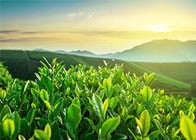
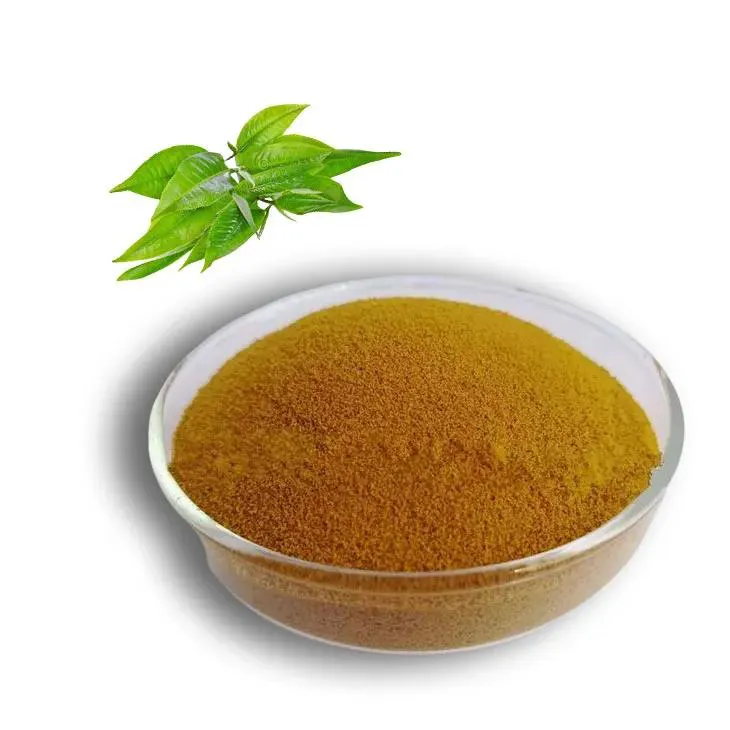
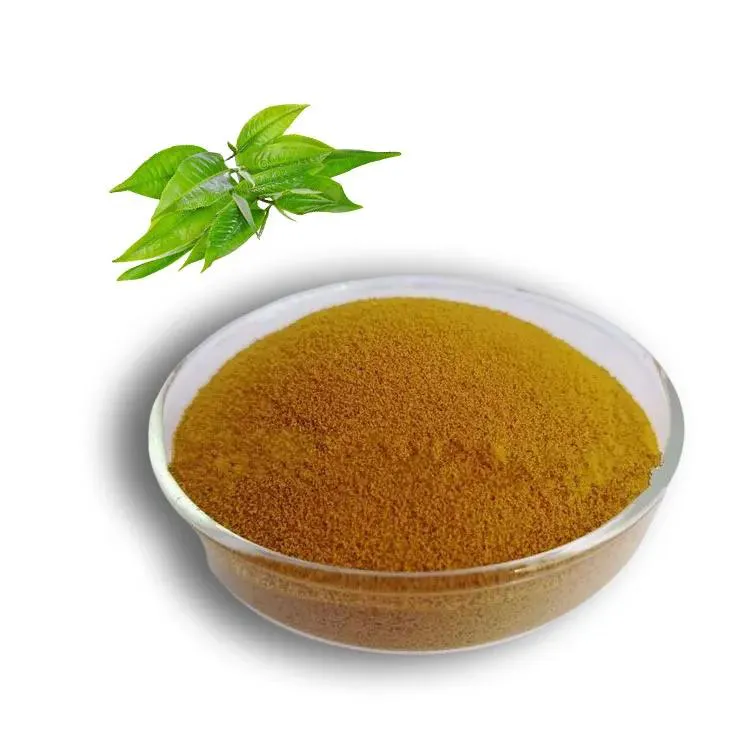
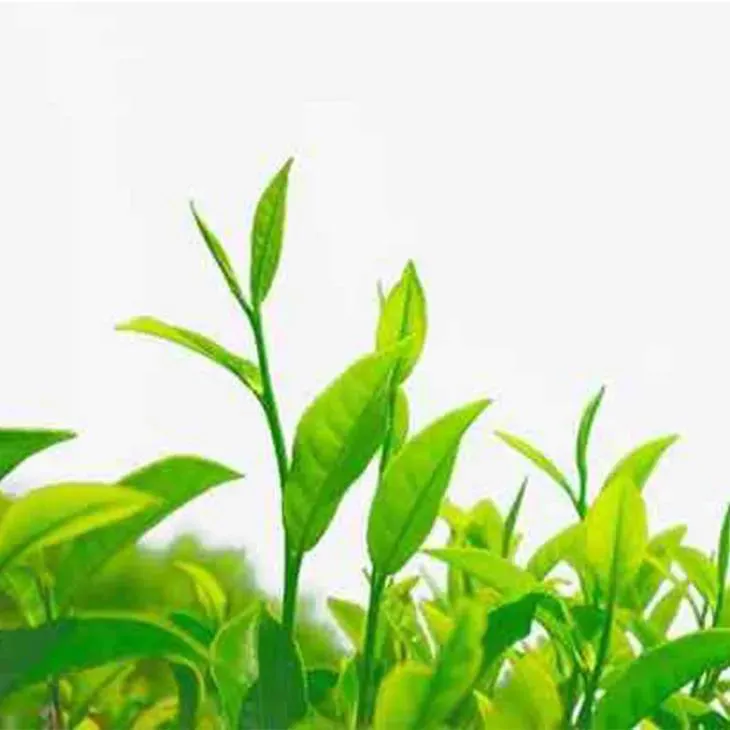
Green Tea Extract (GTE) has become one of the most widely used botanical ingredients in the global dietary supplement, functional food, and cosmetic industries. Derived from the leaves of Camellia sinensis — the same plant used to produce green, black, and oolong teas — Green Tea Extract concentrates the most bioactive compounds found in the fresh leaf, delivering a potent, standardized ingredient for B2B formulators.
As a professional natural plant extract manufacturer with over 20 years of experience, Greensky Bio supplies high-quality green tea extract standardized to various EGCG and polyphenol levels, serving clients across Europe, the United States, South Korea, and Russia.
The Science Behind Green Tea Extract: What Makes It Powerful?
Green tea contains a rich profile of bioactive compounds, but the most studied and commercially significant are catechins — a class of polyphenolic antioxidants. Among these, Epigallocatechin Gallate (EGCG) is the most abundant and pharmacologically active, typically accounting for 50–60% of total catechins in green tea extract.
Key Bioactive Compounds in Green Tea Extract
| Compound | Abbreviation | Approx. % in GTE | Primary Function |
|---|---|---|---|
| Epigallocatechin Gallate | EGCG | 30–50% | Potent antioxidant, metabolic support |
| Epicatechin Gallate | ECG | 5–15% | Cardiovascular health, anti-inflammatory |
| Epigallocatechin | EGC | 5–15% | Neuroprotective, anti-cancer potential |
| Epicatechin | EC | 3–10% | Vascular health, antioxidant |
| Caffeine | — | 2–5% | Energy, cognitive enhancement |
| L-Theanine | — | 1–3% | Calming, focus support |
The synergistic interaction between EGCG, other catechins, caffeine, and L-theanine is what makes green tea extract uniquely effective — offering both stimulatory and calming effects simultaneously, a combination rarely found in nature.
Health Benefits Backed by Scientific Research
1. Powerful Antioxidant Protection
EGCG is one of the most potent natural antioxidants known. Research published in the Journal of Nutrition demonstrates that EGCG's antioxidant capacity is approximately 25–100 times greater than that of vitamins C and E, making it an ideal ingredient for anti-aging supplements and skincare formulations.
2. Metabolic Health & Weight Management
Multiple clinical trials have shown that green tea extract can support healthy metabolism and fat oxidation. A meta-analysis in the American Journal of Clinical Nutrition found that green tea catechins combined with caffeine significantly increased energy expenditure by 4–5% and fat oxidation by 17% compared to placebo.
3. Cardiovascular Support
Population studies consistently link green tea consumption with reduced risk of cardiovascular disease. The mechanisms include improved endothelial function, reduced LDL oxidation, and modest blood pressure regulation — all attributed primarily to the catechin content.
4. Cognitive Function & Neuroprotection
The combination of L-theanine and caffeine in green tea extract promotes "alert calmness" — improved attention and working memory without the jitteriness associated with coffee. Emerging research also suggests EGCG may have neuroprotective properties relevant to age-related cognitive decline.
5. Skin Health & Anti-Aging
Topical and oral green tea extract applications have demonstrated UV-protective effects, reduced collagen degradation, and improved skin elasticity. The cosmetic industry increasingly incorporates GTE into anti-aging serums, sunscreens, and moisturizers.
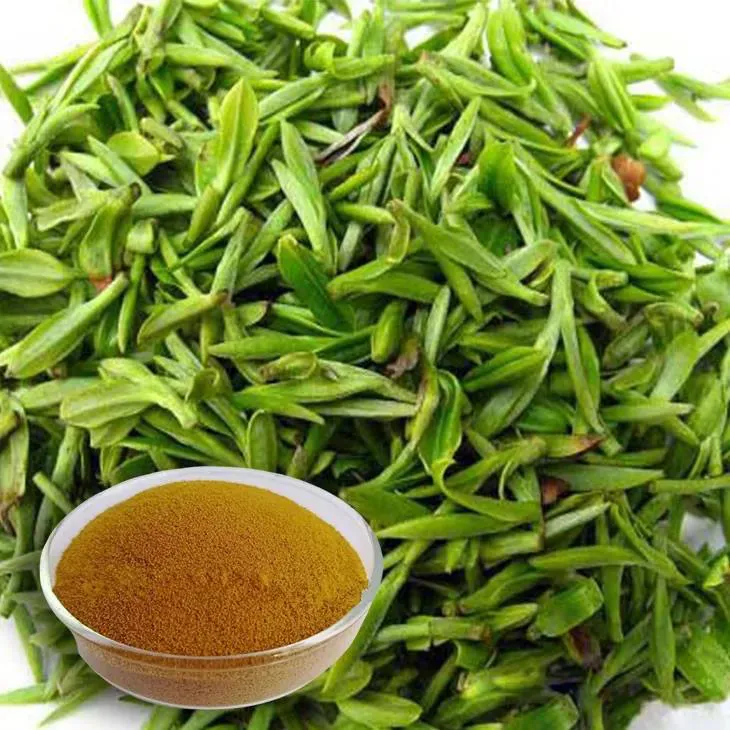
Standardization Levels: Choosing the Right Green Tea Extract for Your Product
One of the most critical decisions for B2B buyers is selecting the appropriate standardization level. Green tea extract is commonly standardized to the following specifications:
Green Tea Extract 50% Polyphenols / 30% EGCG — Entry-level standardization, suitable for general wellness supplements and functional beverages.
Green Tea Extract 80% Polyphenols / 50% EGCG — Mid-range, ideal for targeted metabolic support and sports nutrition products.
Green Tea Extract 95% Polyphenols / 70%+ EGCG — High-purity pharmaceutical grade, used in clinical research and premium supplement formulations.
Decaffeinated Green Tea Extract — EGCG-rich with caffeine removed (<0.5%), suitable for evening-use supplements and caffeine-sensitive formulations.
Quality Standards & Testing Protocols
When sourcing green tea extract for commercial use, quality verification is essential. Reputable manufacturers should provide comprehensive Certificates of Analysis (COA) including:
HPLC analysis confirming EGCG, total catechins, and polyphenol content
Pesticide residue testing — critical for green tea due to agricultural contamination risks
Heavy metal analysis (Pb, As, Cd, Hg)
Microbiological testing (total plate count, yeast/mold, E. coli, Salmonella)
Solvent residue testing (if solvent extraction is used)
Aflatoxin screening
At Greensky Bio, our Jiangxi production facility operates under ISO22000, BRCGS, Ecocert Organic Standard, and SGS-GMP certifications, ensuring every batch meets international food-grade and pharmaceutical standards. Our independent laboratory is equipped with GC, HPLC, and UV analytical instruments for comprehensive in-house quality control.
Green Tea Extract Applications by Industry
| Industry | Common Application | Recommended Standardization |
|---|---|---|
| Dietary Supplements | Capsules, tablets, softgels | 50–95% Polyphenols |
| Functional Beverages | Energy drinks, health teas | Decaffeinated or low-caffeine GTE |
| Cosmetics & Skincare | Serums, creams, sunscreens | 95% Polyphenols (topical grade) |
| Sports Nutrition | Pre-workout, fat burners | 80%+ Polyphenols / 50%+ EGCG |
| Functional Foods | Bars, gummies, powders | 50% Polyphenols (flavor-compatible) |
Why Source Green Tea Extract from Greensky Bio?
As a professional plant extract manufacturer established in 2004, Greensky Bio offers several advantages for B2B buyers:
20+ years of experience in plant extract R&D, production, and quality control
GMP-standard production facility in Jiangxi with 100,000-class clean area
Multiple certifications: ISO22000, BRCGS, Ecocert Organic, SGS-GMP
In-house laboratory with GC, HPLC, UV — every batch tested before shipment
Export experience to Europe, USA, South Korea, and Russia (~$30M annual export value)
Custom standardization — we can produce GTE to your specific EGCG/polyphenol requirements
Competitive pricing with direct factory supply — no intermediaries
Frequently Asked Questions
What is the difference between green tea extract and regular green tea?
Green tea extract concentrates the active compounds (catechins, EGCG) from the tea leaf, delivering 10–50 times the potency of brewed tea. While a cup of green tea contains approximately 50–100mg of catechins, a single green tea extract capsule can provide 300–500mg.
Is green tea extract safe?
Green tea extract is generally recognized as safe (GRAS) by the FDA when used at recommended dosages. The European Food Safety Authority (EFSA) recommends a maximum daily intake of 800mg EGCG from supplements. Always follow dosage guidelines and consult a healthcare professional.
What is the recommended daily dosage of green tea extract?
Typical dosages range from 250–500mg per day of standardized extract (providing 100–250mg EGCG). Clinical studies on metabolic benefits often use 300–600mg daily.
Can green tea extract be used in organic products?
Yes. Greensky Bio offers Ecocert-certified organic green tea extract, suitable for organic-labeled supplement and cosmetic products.
Get a Quote for Green Tea Extract
Whether you need standard 50% polyphenol GTE for a wellness supplement or high-purity 95% EGCG for a clinical-grade formulation, Greensky Bio can supply consistent, certified green tea extract at competitive prices.
Contact us today to request a sample, discuss your specifications, or receive a customized quote.
- ▶ Hesperidin
- ▶ Citrus Bioflavonoids
- ▶ Plant Extract
- ▶ lycopene
- ▶ Diosmin
- ▶ Grape seed extract
- ▶ Sea buckthorn Juice Powder
- ▶ Fruit Juice Powder
- ▶ Hops Extract
- ▶ Artichoke Extract
- ▶ Mushroom extract
- ▶ Astaxanthin
- ▶ Green Tea Extract
- ▶ Curcumin
- ▶ Horse Chestnut Extract
- ▶ Other Product
- ▶ Boswellia Serrata Extract
- ▶ Resveratrol
- ▶ Marigold Extract
- ▶ Grape Leaf Extract
- ▶ New Product
- ▶ Aminolevulinic acid
- ▶ Cranberry Extract
- ▶ Red Yeast Rice
- ▶ Red Wine Extract
- ▶ blog
-
Cactus Extract
2026-10-19
-
Troxerutin
2026-10-19
-
Yohimbine Bark Extract
2026-10-19
-
Red Vine Extract
2026-10-19
-
Cayenne Pepper Extract
2026-10-19
-
Feverfew Extract
2026-10-19
-
Withania Somnifera Extract
2026-10-19
-
Baicalin
2026-10-19
-
Agaricus Blazei Extract
2026-10-19
-
Red Wine Extract
2026-10-19