- 0086-571-85302990
- [email protected]




What Is Green Tea Extract? EGCG Science, Metabolic Health & B2B Sourcing Guide (2026)
2026-10-19
Meta Title: What Is Green Tea Extract? EGCG Science & B2B Sourcing Guide (2026)Meta Description: Complete B2B guide to Green Tea Extract and EGCG. Covers catechin science, metabolic health benefits, antioxidant capacity, extraction methods & quality sourcing for supplement manufacturers.Keywords: green tea extract manufacturer, EGCG bulk supplier, green tea catechin extract, polyphenol supplement wholesale, Camellia sinensis extract, green tea extract 98% EGCG, antioxidant plant extract, B2B green tea extract sourcing
What Is Green Tea Extract?
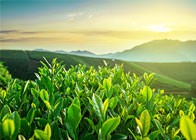
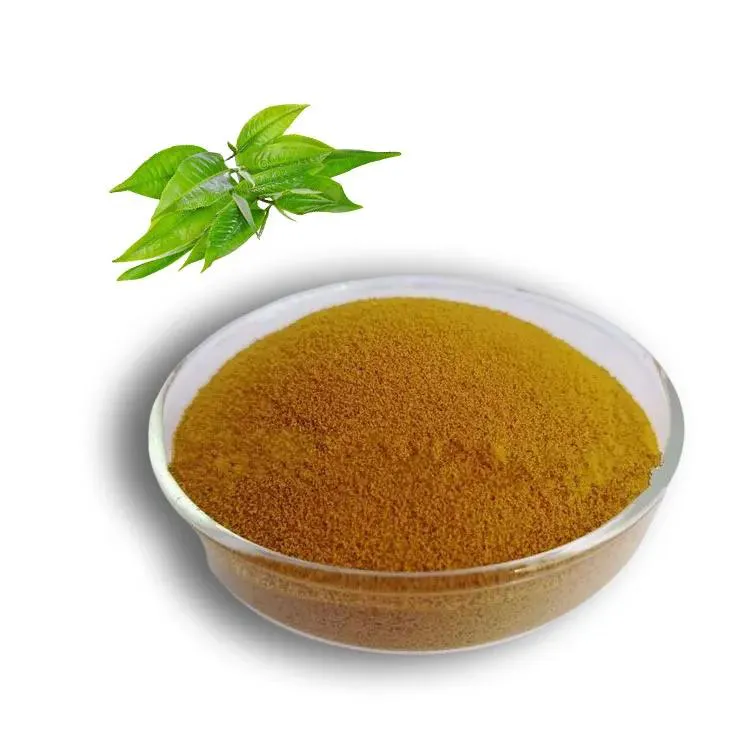
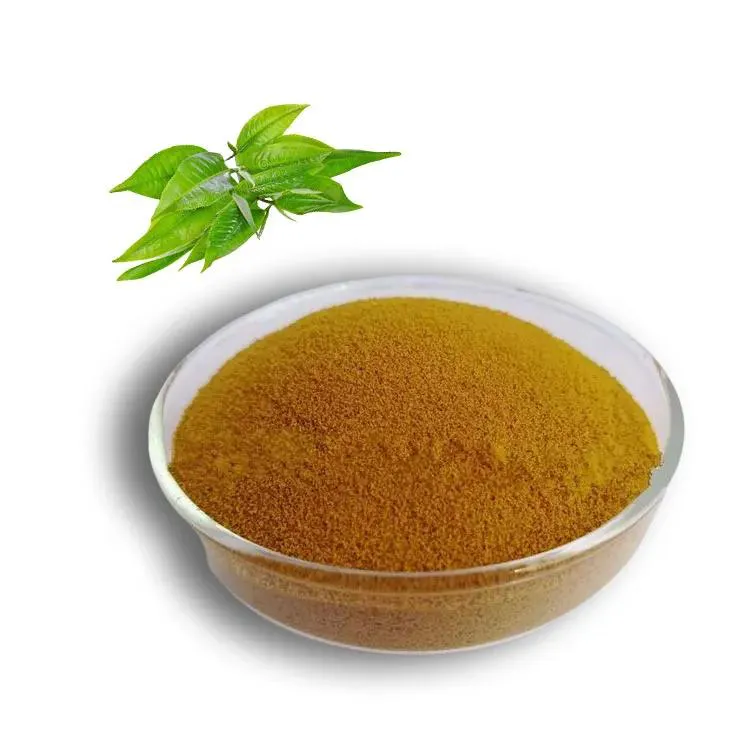
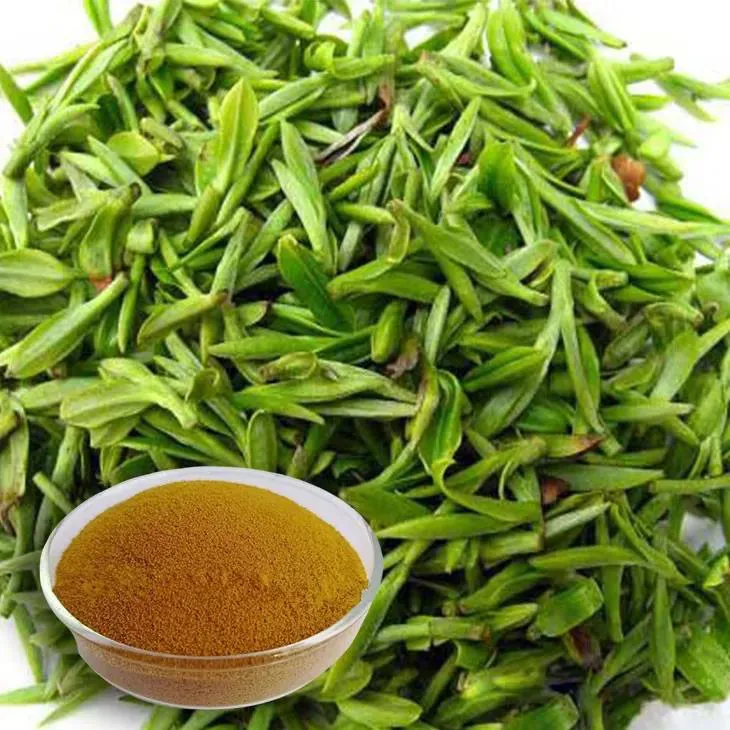
Green tea extract (GTE) is a concentrated botanical preparation derived from the leaves of Camellia sinensis, the same plant used to produce all types of true tea (green, black, oolong, and white). Unlike fermented teas, green tea is processed with minimal oxidation, preserving its rich profile of bioactive polyphenolic compounds — particularly catechins, a class of flavonoids with extraordinary antioxidant and metabolic health properties.
Green tea contains six major catechins:
Epigallocatechin gallate (EGCG) — the most abundant and bioactive catechin (50–80% of total catechins)
Epigallocatechin (EGC)
Epicatechin gallate (ECG)
Epicatechin (EC)
Gallocatechin gallate (GCG)
Gallocatechin (GC)
Among these, EGCG is the most extensively researched, with over 5,000 scientific publications documenting its biological activities, ranging from potent antioxidant capacity to metabolic regulation, neuroprotection, and cardiovascular support.
Standardized green tea extracts typically contain 50–98% total catechins and 30–98% EGCG, depending on the extraction method and intended application. The global green tea extract market is projected to reach USD 300–400 million by 2030, driven by expanding demand in dietary supplements, functional beverages, sports nutrition, cosmetics, and natural food preservatives.
This comprehensive guide covers the science of green tea catechins, their multi-system health benefits, extraction and standardization processes, quality parameters, and essential considerations for B2B sourcing from a certified manufacturer.
The Science of Green Tea Catechins: Mechanisms of Action
Unparalleled Antioxidant Capacity
Green tea catechins are among the most potent natural antioxidants identified:
Free radical scavenging: The galloyl group in EGCG provides exceptional electron-donating capacity, neutralizing reactive oxygen species (ROS) and reactive nitrogen species (RNS) with remarkable efficiency.
Metal chelation: Catechins chelate transition metals (Fe²⁺, Cu²⁺) that catalyze free radical formation via the Fenton reaction.
Endogenous antioxidant upregulation: EGCG activates the Nrf2 pathway, increasing expression of SOD, catalase, and glutathione peroxidase — amplifying the body's own antioxidant defense system.
ORAC value: Green tea extract has an Oxygen Radical Absorbance Capacity (ORAC) value exceeding 1,200,000 μmol TE/100g — significantly higher than most common fruits and vegetables.
Research in the Journal of the American College of Nutrition demonstrated that the antioxidant capacity of a single cup of green tea exceeds that of a serving of broccoli, spinach, carrots, or strawberries.
Metabolic Regulation via AMPK Activation
EGCG activates AMP-activated protein kinase (AMPK), a master metabolic regulator often called the "metabolic master switch":
Enhanced fat oxidation: AMPK activation promotes fatty acid oxidation in liver and muscle tissue, shifting energy utilization from carbohydrate to lipid sources.
Glucose metabolism: Improved insulin sensitivity and glucose uptake via GLUT4 translocation.
Mitochondrial biogenesis: Increased PGC-1α expression promotes mitochondrial density and function.
Thermogenesis: EGCG synergizes with caffeine (naturally present in green tea) to enhance norepinephrine-mediated thermogenesis and fat oxidation.
A meta-analysis published in the American Journal of Clinical Nutrition (2018) confirmed that green tea catechins combined with caffeine produce statistically significant increases in fat oxidation (17% increase during exercise) and energy expenditure.
Anti-Inflammatory Modulation
EGCG modulates inflammatory signaling through multiple pathways:
NF-κB suppression: Inhibition of the NF-κB pathway reduces expression of pro-inflammatory cytokines (TNF-α, IL-1β, IL-6).
COX-2 and iNOS inhibition: Reduced expression of cyclooxygenase-2 and inducible nitric oxide synthase.
MAPK pathway modulation: Regulation of p38, JNK, and ERK signaling cascades.
Top Science-Supported Benefits of Green Tea Extract
1. Weight Management & Metabolic Health
Green tea extract is one of the most clinically validated botanical ingredients for weight management:
Fat oxidation enhancement: EGCG inhibits catechol-O-methyltransferase (COMT), prolonging norepinephrine activity and increasing fat breakdown.
Clinical evidence: Multiple RCTs demonstrate modest but significant weight loss (1–3 kg over 12 weeks) with green tea extract supplementation (250–500 mg EGCG/day).
Visceral fat reduction: Studies show preferential reduction in abdominal/visceral fat, the most metabolically harmful fat depot.
Metabolic syndrome support: Improved lipid profiles, reduced fasting glucose, and enhanced insulin sensitivity in metabolic syndrome populations.
The European Food Safety Authority (EFSA) has acknowledged the relationship between green tea catechins and maintenance of normal body weight, based on extensive clinical evidence.
2. Cardiovascular Health
Green tea catechins support cardiovascular function through multiple mechanisms:
LDL cholesterol reduction: Meta-analyses show significant reductions in LDL cholesterol (approximately 5–10 mg/dL) with green tea extract supplementation.
Blood pressure support: Mild but significant reductions in systolic and diastolic blood pressure.
Endothelial function: Improved flow-mediated dilation (FMD), indicating enhanced vascular health.
Platelet aggregation inhibition: Reduced platelet aggregation supports healthy blood flow.
Atherosclerosis prevention: EGCG inhibits oxidized LDL formation and reduces foam cell development in arterial walls.
A large-scale Japanese cohort study (over 40,000 participants) found that consuming 5+ cups of green tea daily was associated with significantly reduced cardiovascular mortality.
3. Cognitive Health & Neuroprotection
Green tea catechins provide targeted neuroprotective benefits:
Blood-brain barrier penetration: EGCG crosses the blood-brain barrier, providing direct antioxidant protection to neural tissue.
Amyloid-beta modulation: EGCG remodels amyloid-beta fibrils into non-toxic forms, potentially reducing Alzheimer's disease pathology.
Alpha-synuclein protection: Inhibition of alpha-synuclein aggregation relevant to Parkinson's disease.
Neurogenesis support: Increased BDNF expression promotes hippocampal neurogenesis and cognitive function.
Caffeine + L-theanine synergy: The natural combination of caffeine and L-theanine in green tea provides calm alertness — improved attention without the jitteriness associated with coffee.
4. Liver Health Support
Green tea extract supports hepatic function through antioxidant and anti-inflammatory pathways:
Hepatoprotection: EGCG protects liver cells from toxin-induced damage in preclinical models.
Non-alcoholic fatty liver disease (NAFLD): Clinical studies show improved liver enzyme levels (ALT, AST) and reduced hepatic fat accumulation with green tea extract supplementation.
Lipid metabolism: Enhanced hepatic fatty acid oxidation and reduced de novo lipogenesis.
5. Skin Health & Photoprotection
Green tea catechins support skin health through multiple pathways:
UV photoprotection: Topical and oral green tea extract reduce UV-induced skin damage, erythema, and DNA damage.
Collagen preservation: Inhibition of MMP-1 and MMP-3 protects collagen from UV-induced degradation.
Anti-acne activity: EGCG's antimicrobial and anti-inflammatory properties reduce acne lesion severity.
Anti-glycation: Catechins inhibit advanced glycation end-product (AGE) formation, protecting skin proteins from glycation damage.
Green Tea Extract Production: From Leaf to Standardized Extract
Raw Material Selection
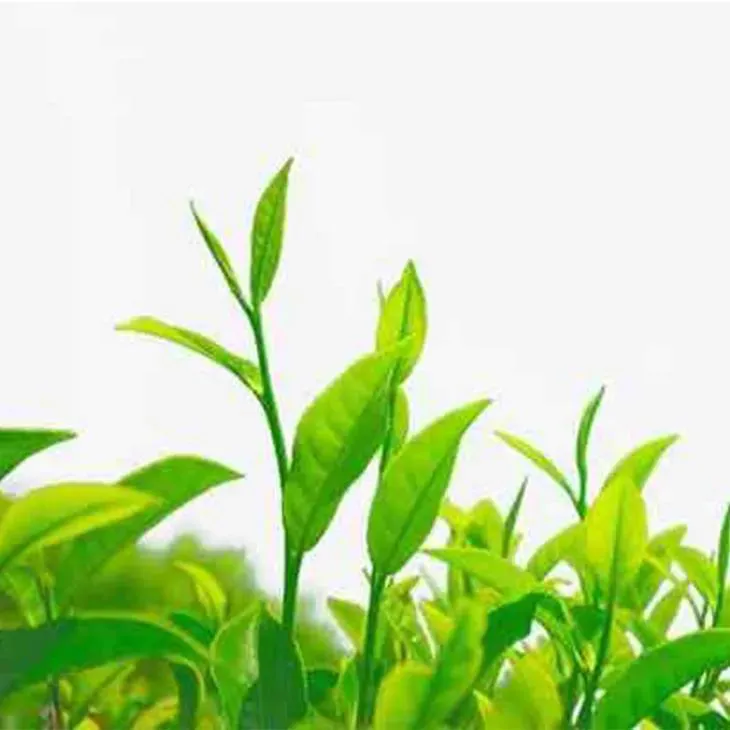
Premium green tea extract requires carefully sourced Camellia sinensis leaves:
Cultivar selection: Specific cultivars (e.g., Yabukita, Benifuuki) are selected for high catechin content.
Growing conditions: Altitude, soil composition, and climate significantly affect catechin profiles. Higher-altitude teas typically have higher EGCG concentrations.
Harvest timing: First-flush (spring harvest) leaves contain the highest catechin concentrations.
Processing: Leaves are rapidly steamed or pan-fired after harvest to prevent oxidation and preserve catechin content.
Extraction & Standardization Process
Step Description 1. Leaf preparation Dried green tea leaves are milled to increase surface area for extraction 2. Water extraction Hot water extraction dissolves water-soluble catechins, caffeine, and L-theanine 3. Filtration Insoluble plant material is removed through multi-stage filtration 4. Solvent extraction Ethyl acetate or other food-grade solvents selectively partition catechins from the aqueous extract 5. Concentration Solvent is recovered under reduced pressure; catechin-rich concentrate is obtained 6. Spray drying Concentrate is spray-dried to produce standardized green tea extract powder 7. Standardization Extract is blended or further processed to achieve target catechin and EGCG specifications 8. Quality testing Comprehensive analysis per finished product specifications
Caffeine Removal Options
Depending on the intended application, green tea extract may be offered in:
Full-spectrum: Retains natural caffeine content (typically 3–5% of extract weight)
Decaffeinated: Caffeine reduced to <0.5% using water-based or supercritical CO₂ decaffeination processes
Caffeine-free: Specialty processing removes virtually all caffeine while preserving catechin content
GreenSky Bio offers multiple green tea extract specifications to suit different application requirements.
Quality Standards & Testing
Key Specifications for Standardized Green Tea Extract
Parameter Standard Total Catechins ≥50%, ≥80%, or ≥98% (HPLC) EGCG Content ≥30%, ≥50%, or ≥98% (HPLC) Caffeine 3–5% (full-spectrum) or <0.5% (decaffeinated) Appearance Light yellow to brown fine powder Loss on Drying ≤5.0% Heavy Metals Pb ≤2 ppm, As ≤1 ppm, Cd ≤1 ppm, Hg ≤0.1 ppm Pesticide Residues Compliant with EU/USP limits (extensive panel testing) Microbiological Total plate count <1,000 CFU/g; E. coli negative; Salmonella negative; Yeast/Mold <100 CFU/g Solvent Residues Compliant with ICH Q3C guidelines
Important Safety Considerations
At very high doses (≥800 mg EGCG/day in fasting conditions), green tea extract has been associated with rare cases of hepatotoxicity. GreenSky Bio provides comprehensive safety documentation and recommends appropriate dosing guidelines to B2B partners. EFSA has concluded that EGCG intakes up to 800 mg/day from supplements are generally safe for the general adult population.
B2B Sourcing: Key Considerations for Buyers
What to Verify When Sourcing Green Tea Extract
Catechin profile: Request full HPLC chromatogram showing individual catechin proportions (EGCG, EGC, ECG, EC) — not just total catechins.
Caffeine specification: Confirm whether the product is full-spectrum, decaffeinated, or caffeine-free, and verify caffeine content analytically.
Pesticide residue testing: Green tea is susceptible to pesticide contamination; request comprehensive multi-residue screening (100+ compounds).
EGCG stability: EGCG is sensitive to heat, light, and alkaline pH; request stability data and appropriate packaging specifications.
Heavy metal screening: Essential given potential soil contamination in tea-growing regions.
Regulatory compliance: Ensure compliance with target market regulations, including EFSA safety assessments and FDA GRAS status.
GreenSky Bio's Advantages
20+ years experience in natural plant extract R&D and production
ISO22000, BRCGS, Ecocert, SGS-GMP certified production facilities
Independent laboratory equipped with HPLC, GC, UV for comprehensive quality testing
Multiple specifications available — from 50% total catechins to 98% EGCG, with or without caffeine
Global export experience — main markets include Europe, USA, South Korea, and Russia
Comprehensive documentation — COA, MSDS, allergen statements, and regulatory support
- ▶ Hesperidin
- ▶ Citrus Bioflavonoids
- ▶ Plant Extract
- ▶ lycopene
- ▶ Diosmin
- ▶ Grape seed extract
- ▶ Sea buckthorn Juice Powder
- ▶ Fruit Juice Powder
- ▶ Hops Extract
- ▶ Artichoke Extract
- ▶ Mushroom extract
- ▶ Astaxanthin
- ▶ Green Tea Extract
- ▶ Curcumin
- ▶ Horse Chestnut Extract
- ▶ Other Product
- ▶ Boswellia Serrata Extract
- ▶ Resveratrol
- ▶ Marigold Extract
- ▶ Grape Leaf Extract
- ▶ New Product
- ▶ Aminolevulinic acid
- ▶ Cranberry Extract
- ▶ Red Yeast Rice
- ▶ Red Wine Extract
- ▶ blog
-
Andrographis Paniculata Extract Powder
2026-10-19
-
Red Wine Extract
2026-10-19
-
Mulberry Extract
2026-10-19
-
Beetroot Powder
2026-10-19
-
Almond Extract Powder
2026-10-19
-
Pine bark Extract Powder
2026-10-19
-
Plantain extract
2026-10-19
-
Selenium yeast
2026-10-19
-
Gamma-Aminobutyric Acid
2026-10-19
-
Baicalin
2026-10-19