- 0086-571-85302990
- [email protected]



Green Tea Extract
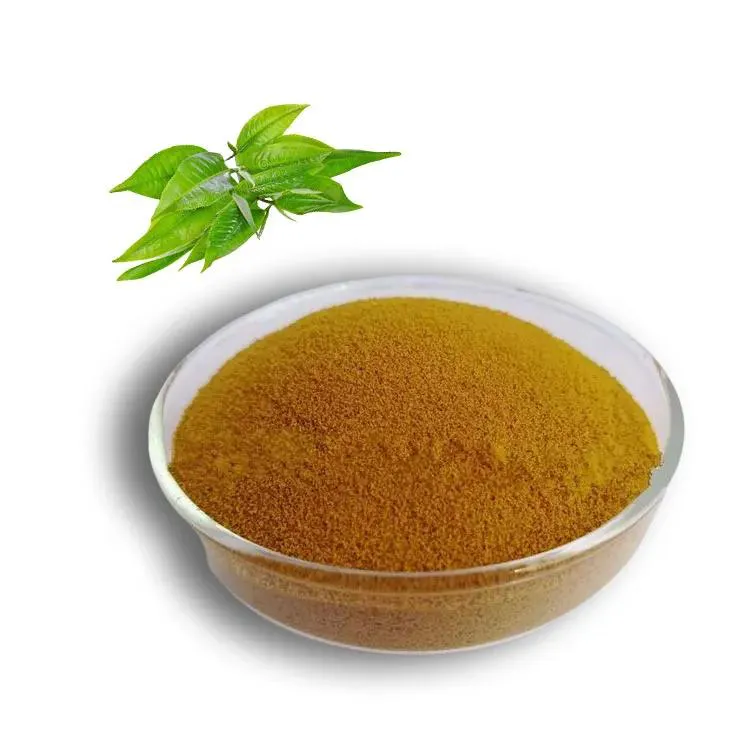
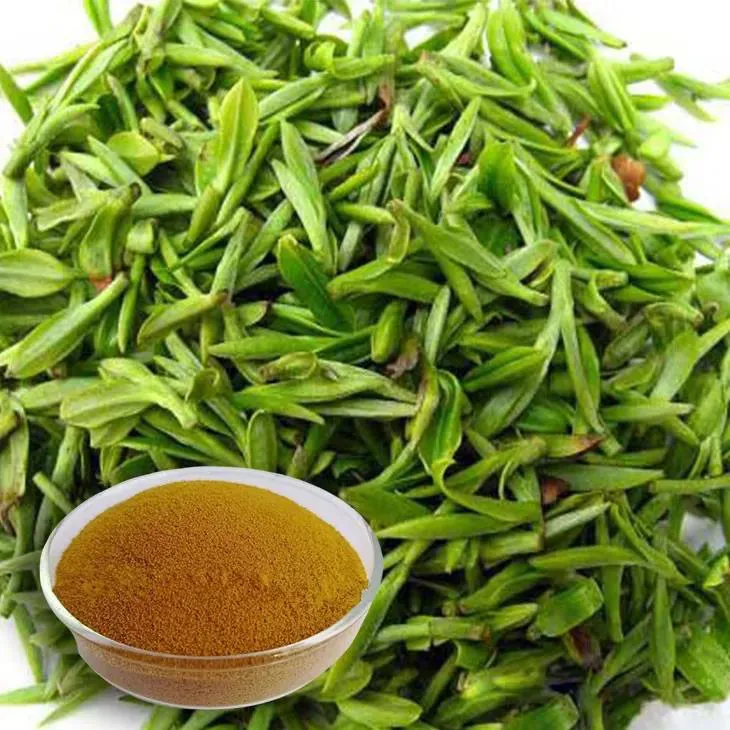
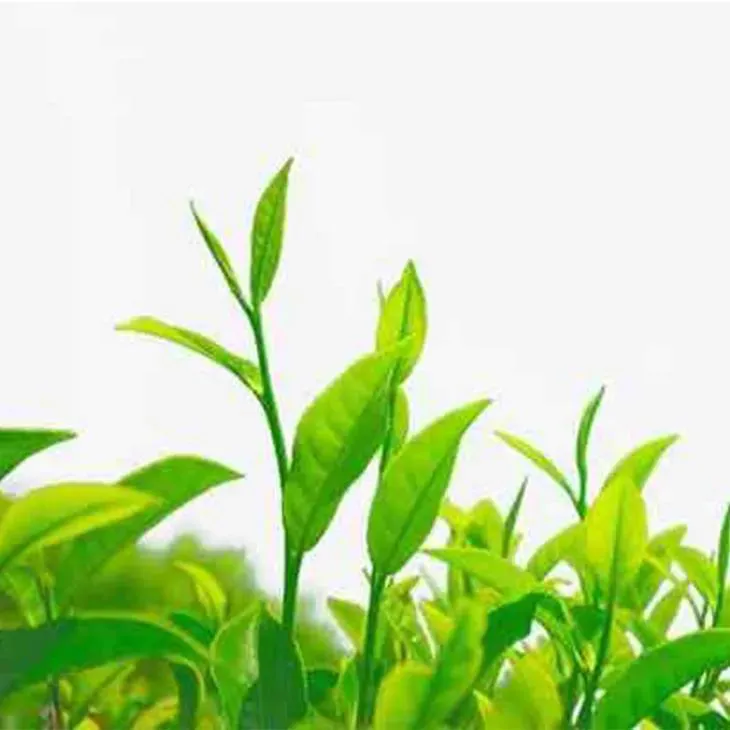
Table of Contents
What Is Green Tea Extract and Why Is It the Most Researched Botanical Ingredient?
Catechins: The Active Polyphenols Behind Green Tea's Benefits
Clinical Evidence for Weight Management and Metabolic Health
Neuroprotective and Cognitive Benefits of Green Tea Catechins
Cardiovascular Health: How Green Tea Extract Supports Heart Function
Quality Standards and Certifications for Green Tea Extract
How to Source Premium Green Tea Extract: A Buyer's Checklist
Applications in Supplements, Beverages, and Cosmetics
Safety, Dosage, and Regulatory Compliance
Why Choose Greensky as Your Green Tea Extract Supplier
1. What Is Green Tea Extract and Why Is It the Most Researched Botanical Ingredient?
Green tea (Camellia sinensis) is one of the most widely consumed beverages worldwide, second only to water. Unlike black tea or oolong tea, green tea leaves are minimally oxidized during processing, preserving their rich polyphenol content — particularly catechins, the compounds responsible for green tea's celebrated health benefits.
Green tea extract (GTE) is a concentrated preparation of these bioactive compounds, standardized to specific levels of total polyphenols and epigallocatechin gallate (EGCG). In 2026, the global green tea extract market exceeds USD 200 million, driven by demand in dietary supplements, functional beverages, cosmetics, and food preservation.
With over 20,000 scientific publications on green tea and its constituents, GTE is arguably the most extensively researched botanical extract in modern science — making it a trusted and versatile ingredient for B2B formulators.
2. Catechins: The Active Polyphenols Behind Green Tea's Benefits
Green tea contains four major catechins, each contributing distinct biological activities:
Catechin Abbreviation % of Total Catechins Key Activity Epigallocatechin gallate EGCG 50–60% Most potent antioxidant and anti-inflammatory Epigallocatechin EGC 10–20% Antioxidant, anticancer research Epicatechin gallate ECG 10–15% Antimicrobial, cardiovascular support Epicatechin EC 5–10% Vascular health, antioxidant
EGCG: The Star Molecule
Epigallocatechin gallate (EGCG) is the most abundant and biologically active catechin in green tea. Its molecular structure contains eight hydroxyl groups, enabling powerful free radical scavenging and multiple enzyme-modulating activities:
AMPK activation: Supports fat metabolism and energy expenditure
NF-κB inhibition: Reduces chronic inflammation
Telomerase modulation: Potential longevity and cellular health effects
Acetylcholinesterase inhibition: Cognitive support and neuroprotection
Premium green tea extracts are typically standardized to:
50–95% total polyphenols (UV method)
30–50% total catechins (HPLC)
15–45% EGCG (HPLC)
Other Bioactive Components
L-theanine: An amino acid that promotes relaxation and synergizes with caffeine for calm alertness
Natural caffeine: 2–5% in standard extracts, providing mild stimulant effects
Vitamins and minerals: Trace amounts of vitamins B2, E, and minerals
3. Clinical Evidence for Weight Management and Metabolic Health
3.1 Fat Oxidation and Energy Expenditure
Multiple randomized controlled trials have demonstrated that green tea extract increases:
Fat oxidation rate: By 12–17% during moderate-intensity exercise
Resting energy expenditure: By 3–4% (approximately 70–100 additional calories burned per day)
Thermogenesis: Via catechin-induced sympathetic nervous system activation
A landmark study published in the American Journal of Clinical Nutrition found that participants receiving GTE (containing 270 mg EGCG + 150 mg caffeine) burned significantly more calories over 24 hours compared to placebo.
3.2 Body Composition and Weight Loss
A 2024 meta-analysis of 18 RCTs (n = 1,945) concluded that:
Green tea extract supplementation resulted in an average 1.3 kg greater weight loss vs. placebo over 12 weeks
Visceral fat reduction was particularly significant in Asian populations
Effects were dose-dependent, with optimal results at 300–500 mg EGCG/day
3.3 Blood Sugar Regulation
EGCG has been shown to:
Inhibit α-amylase and α-glucosidase enzymes, slowing carbohydrate digestion
Improve insulin sensitivity in peripheral tissues
Reduce postprandial glucose spikes when consumed with meals
This makes green tea extract a valuable ingredient in metabolic health and diabetes support formulas.
3.4 Lipid Management
Clinical studies demonstrate GTE's ability to:
Reduce LDL cholesterol by 5–10 mg/dL
Lower triglyceride levels
Maintain or slightly increase HDL cholesterol
Reduce oxidative modification of LDL particles
4. Neuroprotective and Cognitive Benefits of Green Tea Catechins
4.1 Brain Health Mechanisms
EGCG crosses the blood-brain barrier and exerts multiple neuroprotective effects:
Antioxidant protection: Neutralizes ROS in neural tissue
Iron chelation: Reduces iron-catalyzed oxidative damage (relevant to neurodegenerative diseases)
Protein misfolding inhibition: Interferes with amyloid-beta and alpha-synuclein aggregation
Neurogenesis promotion: Stimulates BDNF expression and hippocampal neurogenesis
4.2 Cognitive Performance
The combination of EGCG + L-theanine + caffeine in green tea extract produces synergistic cognitive benefits:
Improved attention and reaction time
Enhanced working memory
Reduced mental fatigue during sustained cognitive tasks
"Calm alertness" — focused attention without jitters
Research published in Psychopharmacology demonstrated that the EGCG-L-theanine combination improved cognitive flexibility and reduced mind-wandering during demanding tasks.
4.3 Neurodegenerative Disease Research
Epidemiological studies suggest regular green tea consumption is associated with:
35% reduced risk of cognitive decline in older adults
Lower incidence of Alzheimer's disease in green tea-consuming populations
Potential protective effects against Parkinson's disease (via α-synuclein modulation)
5. Cardiovascular Health: How Green Tea Extract Supports Heart Function
5.1 Endothelial Function
EGCG improves endothelial function through multiple mechanisms:
eNOS activation: Increases nitric oxide production, promoting vasodilation
Oxidized LDL reduction: Protects LDL particles from oxidative damage
Platelet aggregation inhibition: Reduces excessive clotting tendency
5.2 Blood Pressure Support
A 2025 meta-analysis of 10 RCTs found that green tea catechin supplementation produced:
Systolic blood pressure reduction: −2.1 mmHg (statistically significant)
Diastolic blood pressure reduction: −1.7 mmHg
Greatest effects in individuals with elevated baseline blood pressure
5.3 Cardiovascular Disease Risk
Epidemiological data from large cohort studies consistently show:
Green tea drinkers have 31% lower risk of cardiovascular disease
The protective effect is dose-dependent (3–5 cups/day optimal)
EGCG-mediated mechanisms include anti-inflammatory, anti-thrombotic, and lipid-lowering effects
6. Quality Standards and Certifications for Green Tea Extract
6.1 Key Quality Parameters
Parameter Specification Test Method Total Polyphenols ≥50–95% (as gallic acid) UV Spectrophotometry Total Catechins ≥30–50% (HPLC) HPLC-UV EGCG ≥15–45% (HPLC) HPLC-UV Caffeine <1% (decaffeinated) or 2–5% (standard) HPLC Loss on Drying ≤5.0% USP <731> Heavy Metals Pb < 1.0 ppm, As < 1.0 ppm, Cd < 0.5 ppm, Hg < 0.1 ppm ICP-MS Pesticide Residues Compliant with EU/USP limits GC-MS/LC-MS Microbiological Total plate count < 1,000 CFU/g USP <2021> Aflatoxins B1 < 5 ppb; Total < 20 ppb HPLC-FLD
6.2 Critical Quality Considerations
Tea origin matters: Green tea from different regions has distinct catechin profiles:
Chinese teas (Zhejiang, Anhui, Fujian): Higher EGCG, balanced catechin ratio
Japanese teas (Shizuoka, Kagoshima): Higher L-theanine content
Indian teas (Assam, Darjeeling): Robust polyphenol profile
Harvest timing: Spring-harvested (first flush) tea leaves contain the highest catechin concentrations.
Decaffeination process: Ethyl acetate, supercritical CO2, or water-based methods affect catechin retention. Premium extracts retain >90% of catechins after decaffeination.
6.3 Essential Certifications
ISO 22000 / HACCP: Food safety management
BRCGS: Global food safety standard
Ecocert Organic: For organic green tea sourcing
HALAL / Kosher: Religious dietary compliance
FDA Registration: US market access
GMP: Good Manufacturing Practice
7. How to Source Premium Green Tea Extract: A Buyer's Checklist
7.1 Define Your Specifications
Before sourcing, clarify your requirements:
Standardization level: 50%, 80%, or 98% polyphenols?
EGCG content: Specific percentage required?
Caffeine level: Standard (2–5%), low (<1%), or decaffeinated (<0.1%)?
Application format: Capsule, beverage, cosmetic, or food?
Certification needs: Organic, HALAL, Kosher, or non-GMO?
7.2 Evaluate Supplier Capabilities
Extraction method: Water extraction vs. ethanol extraction vs. supercritical CO2 — each affects the catechin profile and residual solvent levels.
Standardization accuracy: Verify HPLC testing for catechin quantification, not just UV total polyphenol measurement.
Batch consistency: Request COAs from multiple production batches to assess standardization precision.
Contaminant control: Green tea is susceptible to pesticide residues and heavy metals. Ensure your supplier has comprehensive contaminant screening programs.
7.3 Red Flags to Avoid
No HPLC catechin profile data (only UV total polyphenols)
Inconsistent EGCG content between batches
Unusually low pricing (may indicate adulteration with synthetic EGCG)
Missing pesticide residue testing (critical for green tea)
No traceability documentation for raw tea leaf sourcing
8. Applications in Supplements, Beverages, and Cosmetics
8.1 Dietary Supplements
Weight management formulas: Combined with caffeine, garcinia, or CLA
Antioxidant blends: With vitamin C, vitamin E, and other polyphenol-rich extracts
Cardiovascular support: Combined with CoQ10, omega-3, or plant sterols
Cognitive support formulas: Paired with L-theanine, ginkgo, or bacopa
8.2 Functional Beverages
Ready-to-drink (RTD) green tea: Natural catechin fortification
Energy drinks: Natural caffeine + EGCG for clean energy
Sports drinks: Antioxidant recovery support
Wellness shots: Concentrated green tea extract in 60 mL formats
8.3 Cosmetics and Personal Care
Anti-aging serums: EGCG's antioxidant and collagen-protective effects
Sun protection: Topical EGCG provides UV damage mitigation
Acne treatments: Antimicrobial and anti-inflammatory properties
Scalp health: In hair care products for scalp inflammation management
8.4 Food Preservation
Natural antioxidant: Extends shelf life of oils, meat, and baked goods
Antimicrobial: Inhibits foodborne pathogens
Color protection: Prevents browning in fresh-cut fruits
9. Safety, Dosage, and Regulatory Compliance
9.1 Recommended Dosage
Application Typical Daily Dose EGCG Content General antioxidant support 250–500 mg extract 50–150 mg EGCG Weight management 500–1,000 mg extract 150–400 mg EGCG Cardiovascular support 300–600 mg extract 100–250 mg EGCG Cognitive support 200–400 mg extract 50–150 mg EGCG
9.2 Safety Considerations
Hepatotoxicity concern: EFSA has noted rare cases of liver injury at very high EGCG intakes (>800 mg/day from supplements). Recommended to take with food and stay within 800 mg EGCG/day limit.
Caffeine sensitivity: Standard extracts contain natural caffeine; decaffeinated options available for sensitive individuals.
Drug interactions: May interact with blood thinners, beta-blockers, and certain chemotherapy drugs.
Pregnancy: Generally safe at dietary intake levels; supplement doses should be discussed with healthcare provider.
9.3 Regulatory Status
United States: GRAS status for food use; dietary supplement ingredient under DSHEA
European Union: EFSA has issued guidance on EGCG safety; supplements should disclose EGCG content
China: Approved as both food ingredient and health food raw material
Japan: Widely used in FOSHU (Foods for Specified Health Uses) products
10. Why Choose Greensky as Your Green Tea Extract Supplier
Hangzhou Greensky Biological Tech. Co., Ltd. has over 20 years of experience in natural plant extraction, with comprehensive capabilities from raw material sourcing to finished extract production.
Our Green Tea Extract Advantages:
Premium raw material sourcing: Direct partnerships with tea-growing regions in China (Zhejiang, Anhui, Fujian)
Multiple standardization options: 50%, 80%, 98% polyphenols; various EGCG levels; decaffeinated grades
Advanced extraction technology: Ethanol extraction with precise catechin preservation
Comprehensive quality testing: HPLC for full catechin profile (EGCG, EGC, ECG, EC); pesticide residue screening; heavy metal analysis
ISO 22000, BRCGS, Ecocert Organic, HALAL, Kosher certified
GMP-standard production with 100,000-class clean area
Annual capacity: 500+ tons of plant extracts from our Jiangxi facility
Global export experience: Serving European, American, Korean, and Russian markets
Custom Solutions:
Custom standardization to your specifications
Decaffeinated green tea extract (ethyl acetate or CO2 process)
Organic certified green tea extract
Combination extracts (green tea + other botanicals)
Competitive pricing with flexible MOQ for product development
Contact us for samples, technical specifications, or a customized quote.
Greensky Biological Tech — For the Greensky people to provide a happy life, to make greater contribution to human health.
Keywords
| Specification Item | Description |
|---|---|
| Product Name | Green Tea Extract |
| CAS Number | 84650-60-2 |
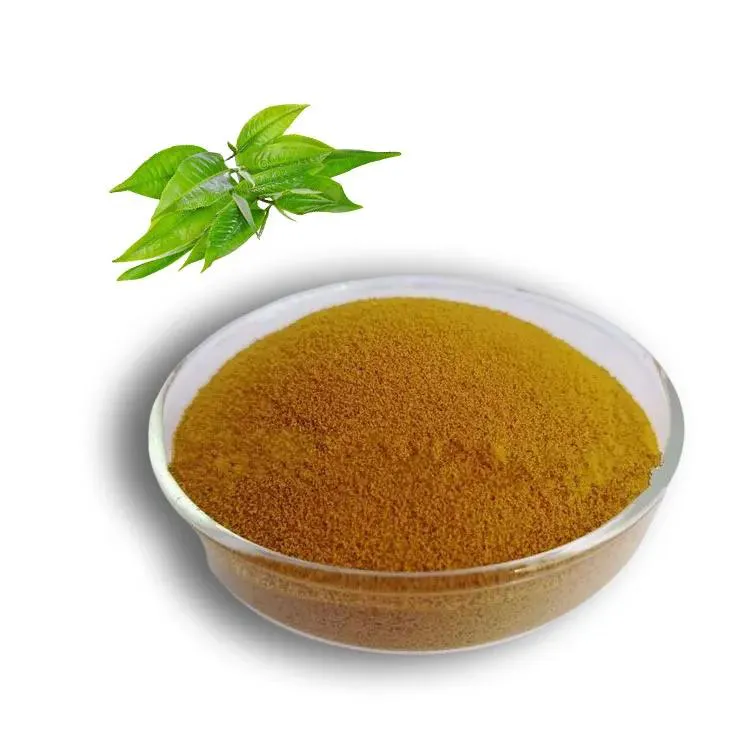
| Appearance | Brown fine powder |
| Specification | 98% Polyphenols, 80% Catechins, 50% EGCG |
| Form | Powder |
| Source | Extracted from the leaves of Camellia Sinensis |
| Applications | Health supplements, food & beverage, cosmetics, pharmaceuticals |
| Storage Conditions | Stored in a cool, dry place, avoiding exposure to sunlight and moisture |
| Packaging | Safe and compliant with transport standards |
| Supply Capacity | Customized based on demand |
| Shipping | Express/Air/Sea |
| Delivery Time | Dependent on order volume and destination |
| Price | Based on specifications and demand |
| Minimum Order Quantity | Contact for quotation |