- 0086-571-85302990
- [email protected]




Grape Seed Extract OPC: Complete Guide to Proanthocyanidin Antioxidants, Cardiovascular Health & B2B
2026-11-08
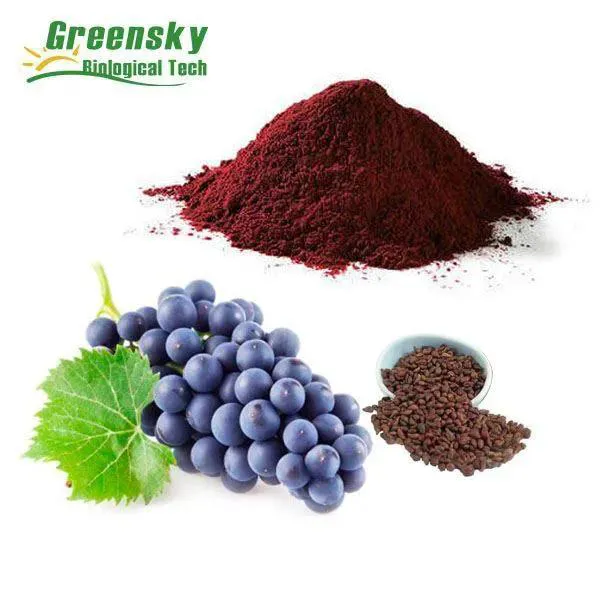
Table of Contents
What Is Grape Seed Extract and Why Are OPCs Among the Most Potent Natural Antioxidants?
Understanding Proanthocyanidins: Monomers, Oligomers and Polymers
Cardiovascular Health: Blood Pressure, Endothelial Function and Vein Health
Skin Health, Anti-Aging and Collagen Protection
Brain Health, Vision and Emerging Research Areas
Quality Standards: OPC Content, Polymer Profile and Testing Methods
B2B Sourcing Guide: How to Choose a Grape Seed Extract Supplier
GreenSky: Premium Grape Seed Extract Production
What Is Grape Seed Extract and Why Are OPCs Among the Most Potent Natural Antioxidants?
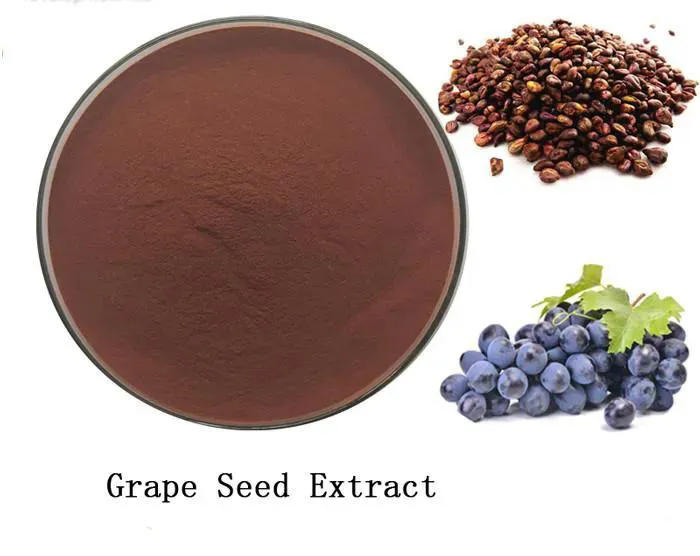
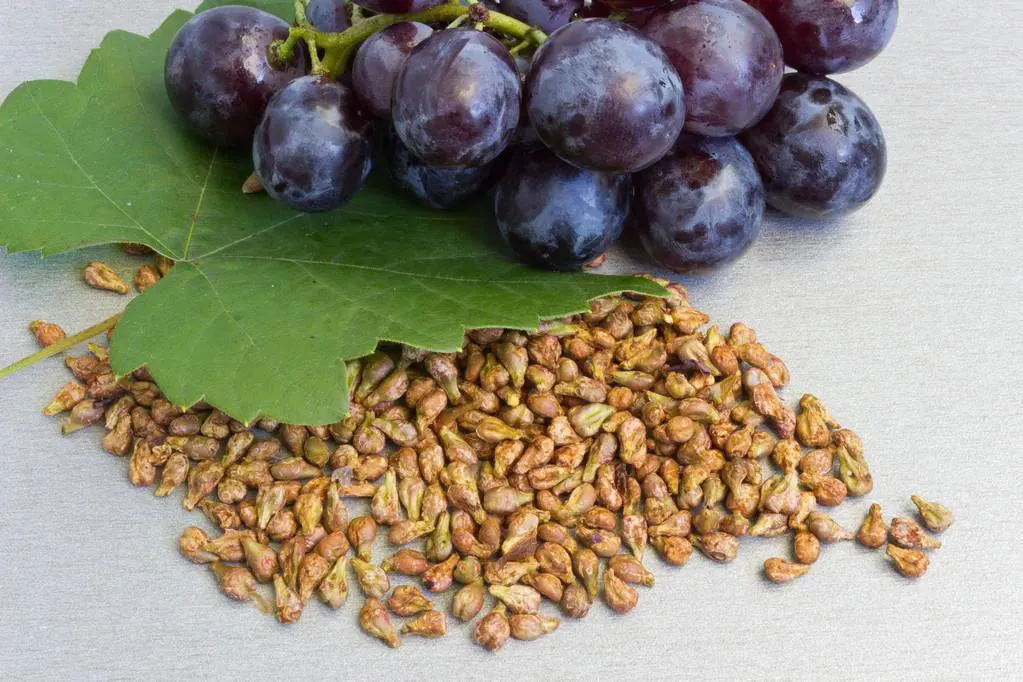
Grape seed extract (GSE) is derived from the seeds of Vitis vinifera L., the common grape vine. While grape seeds were historically discarded as waste by the wine and juice industries, they are now recognized as one of the richest natural sources of oligomeric proanthocyanidins (OPCs) — a class of polyphenolic compounds with extraordinary antioxidant activity.
OPCs in grape seed extract demonstrate antioxidant capacity 20–50 times greater than vitamins C and E on a per-milligram basis. This potency, combined with their ability to cross the blood-brain barrier, strengthen collagen structures, and improve endothelial function, makes grape seed extract one of the most versatile and valuable botanical ingredients in the supplement and cosmetic industries.
The global grape seed extract market is projected to reach USD 260 million by 2028, growing at a CAGR of 6.5%. Applications span dietary supplements, functional foods, cosmetics, and nutraceuticals.
Understanding Proanthocyanidins: Monomers, Oligomers and Polymers
Proanthocyanidins are condensed tannins composed of flavan-3-ol units (primarily catechin and epicatechin). They are classified by their degree of polymerization (DP):
| Classification | DP Range | Bioavailability | Key Activities |
|---|---|---|---|
| Monomers | DP 1 (catechin, epicatechin) | High (absorbed in small intestine) | Direct antioxidant, anti-inflammatory |
| Oligomers (OPCs) | DP 2–5 | Moderate (partially absorbed) | Vascular protection, collagen strengthening |
| Polymers (condensed tannins) | DP >5 | Low (reach colon) | Prebiotic effects, gut microbiota modulation |
The term "OPC" specifically refers to dimers through pentamers (DP 2–5), which represent the most bioavailable and therapeutically relevant fraction of grape seed extract. High-quality extracts standardize to ≥95% OPCs (vanillin method) or provide detailed procyanidin profiles by HPLC-MS.
B2B buying tip: The vanillin method (AOAC) overestimates OPC content by measuring total flavanols, not just oligomers. For accurate quantification, request HPLC analysis showing the distribution of DP 1–5 compounds. Premium extracts typically contain 40–60% true oligomeric proanthocyanidins.
Cardiovascular Health: Blood Pressure, Endothelial Function and Vein Health
Blood Pressure Reduction
A 2016 meta-analysis of 16 RCTs (n=810) found that grape seed extract supplementation (150–300 mg/day) reduced systolic blood pressure by 5.8 mmHg and diastolic blood pressure by 2.3 mmHg in prehypertensive and hypertensive subjects. A 2021 update covering 21 trials confirmed these findings, with larger effects in younger participants and those with higher baseline blood pressure.
Endothelial Function
Grape seed extract improves endothelial function by increasing nitric oxide (NO) bioavailability and reducing oxidative stress in vascular endothelial cells. Clinical studies demonstrate improvements in flow-mediated dilation (FMD) — the gold standard measure of endothelial health — with doses as low as 100 mg/day over 4 weeks.
Chronic Venous Insufficiency (CVI)
Grape seed extract (OPC-rich) is widely used in Europe for CVI management. Multiple RCTs show that 150–300 mg/day reduces leg swelling, heaviness, and pain in patients with venous insufficiency. A 2020 systematic review of 8 trials confirmed significant improvements in leg volume measurements and symptom scores compared to placebo.
LDL Cholesterol Oxidation
OPCs inhibit the oxidation of LDL cholesterol — a critical step in atherosclerosis development. Clinical studies show that grape seed extract supplementation (100–300 mg/day for 4–12 weeks) reduces oxidized LDL levels by 12–20%, an effect not achieved by statin therapy alone.
Skin Health, Anti-Aging and Collagen Protection
Collagen and Elastin Protection
OPCs bind to collagen and elastin fibers, protecting them from enzymatic degradation by collagenase and elastase. This stabilizes the extracellular matrix and maintains skin firmness and elasticity. In vitro studies show grape seed extract inhibits collagenase activity by up to 75% at concentrations achievable through oral supplementation.
UV Photoprotection
Clinical trials demonstrate that oral grape seed extract (100–300 mg/day) reduces UV-induced skin damage, including erythema, sunburn cell formation, and DNA damage. A 2022 RCT found that 200 mg/day for 8 weeks reduced UV-induced erythema by 22% and improved skin hydration by 18%.
Hyperpigmentation and Melasma
Grape seed extract inhibits tyrosinase activity and reduces melanin production. A 2021 clinical study found that a topical formulation containing 2% grape seed extract improved melasma severity index by 32% over 8 weeks, with no adverse effects.
Wound Healing and Scar Reduction
Animal studies and preliminary human trials suggest that topical grape seed extract accelerates wound healing and reduces scar formation by promoting collagen remodeling and reducing oxidative stress at the wound site.
Brain Health, Vision and Emerging Research Areas
Cognitive Function
OPCs cross the blood-brain barrier and demonstrate neuroprotective effects in preclinical models. A 2023 pilot study found that 150 mg/day of grape seed extract improved attention and working memory in adults aged 55–75 over 12 weeks, with reductions in oxidative stress biomarkers.
Eye Health
Grape seed extract strengthens capillary walls in the retina and reduces oxidative damage to ocular tissues. Clinical studies show benefits for diabetic retinopathy, with improvements in visual acuity and reductions in retinal microvascular leakage at doses of 150 mg/day.
Exercise Performance and Recovery
Recent research suggests grape seed extract improves exercise performance and accelerates recovery by reducing exercise-induced oxidative stress and inflammation. A 2024 RCT found that 300 mg/day for 4 weeks improved time-to-exhaustion by 8% and reduced post-exercise muscle damage markers by 25%.
Quality Standards: OPC Content, Polymer Profile and Testing Methods
When sourcing grape seed extract, verify these quality parameters:
Total proanthocyanidins — 85–95% (vanillin method, AOAC); request HPLC profile showing DP 1–5 distribution
True OPC content (DP 2–5) — 40–60% (HPLC-MS); the most therapeutically relevant fraction
Monomer content — catechin and epicatechin levels indicate extraction quality
Polymer content (DP >5) — typically 20–30%; higher levels indicate less refined extract
Residual solvents — ethanol/water or acetone/water extraction; verify by GC
Heavy metals — Pb < 2 ppm, As < 0.5 ppm, Cd < 0.5 ppm, Hg < 0.1 ppm
Pesticide residues — multi-residue screening per EU MRLs
Microbiological safety — total plate count < 1,000 CFU/g, yeast/mold < 100 CFU/g
Certifications — ISO 22000, GMP, Kosher, Halal, organic
B2B Sourcing Guide: How to Choose a Grape Seed Extract Supplier
Key considerations for grape seed extract procurement:
Raw material source — Grape seeds from wine-producing regions (France, Italy, China) offer the highest OPC content; verify the cultivar and growing conditions
Extraction method — Ethanol/water extraction is preferred for supplement-grade products; acetone extraction may yield higher OPC but requires more rigorous solvent residue testing
Standardization method — Understand whether the supplier uses vanillin assay (overestimates) or HPLC (more accurate); request both
Particle size — For capsules: 80–100 mesh; for beverages: water-soluble spray-dried format with carrier (maltodextrin)
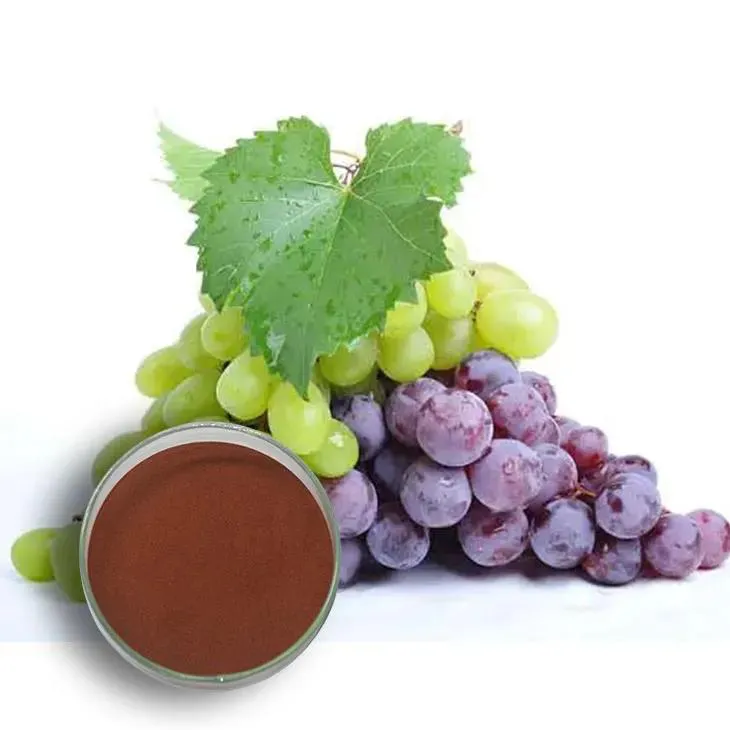
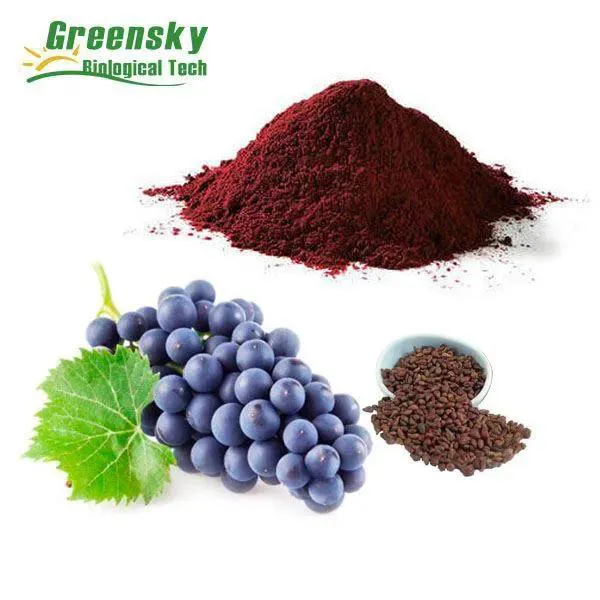
Color specifications — Grape seed extract color varies from light pink to deep red; specify color requirements for your application
Stability data — OPCs are relatively stable but can oxidize over time; request 24-month stability data
GreenSky: Premium Grape Seed Extract Production
Hangzhou Greensky Biological Tech. Co., Ltd. manufactures premium grape seed extract with standardized proanthocyanidin content under ISO 22000, BRCGS, Ecocert Organic, and SGS-GMP certified conditions.
Our product range includes:
Grape Seed Extract 85%–95% Total Proanthocyanidins (vanillin method)
OPC-standardized extract with HPLC-verified DP 2–5 profile
Water-soluble grape seed extract (spray-dried, beverage-grade)
Custom standardization and particle size specifications
With over 20 years of plant extract manufacturing experience, independent laboratory testing (HPLC, GC, UV), and established export channels to Europe, the United States, South Korea, and Russia, GreenSky delivers consistent, high-quality grape seed extract at competitive prices. Contact us today for samples, COAs, and customized quotations.
- ▶ Hesperidin
- ▶ Citrus Bioflavonoids
- ▶ Plant Extract
- ▶ lycopene
- ▶ Diosmin
- ▶ Grape seed extract
- ▶ Sea buckthorn Juice Powder
- ▶ Fruit Juice Powder
- ▶ Hops Extract
- ▶ Artichoke Extract
- ▶ Mushroom extract
- ▶ Astaxanthin
- ▶ Green Tea Extract
- ▶ Curcumin
- ▶ Horse Chestnut Extract
- ▶ Other Product
- ▶ Boswellia Serrata Extract
- ▶ Resveratrol
- ▶ Marigold Extract
- ▶ Grape Leaf Extract
- ▶ New Product
- ▶ Aminolevulinic acid
- ▶ Cranberry Extract
- ▶ Red Yeast Rice
- ▶ Red Wine Extract
- ▶ blog
-
PQQ ( Pyrroloquinoline Quinone)
2026-11-08
-
Lavender Extract
2026-11-08
-
Chaste Berry Extract
2026-11-08
-
Black Pepper Extract
2026-11-08
-
Chia Seed Powder
2026-11-08
-
Curcumin
2026-11-08
-
Maitake Mushroom Extract
2026-11-08
-
Artichoke Leaf Extract
2026-11-08
-
Mulberry leaf Extract
2026-11-08
-
Boswellia Serrata Extract
2026-11-08