- 0086-571-85302990
- sales@greenskybio.com





lycopene extraction methods
2023-08-21
Extraction method of Lycopene
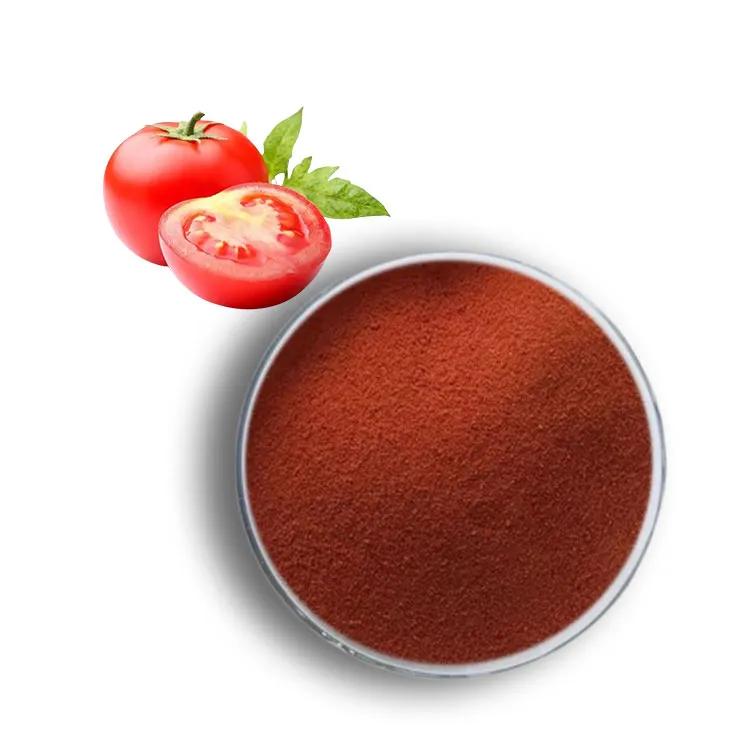
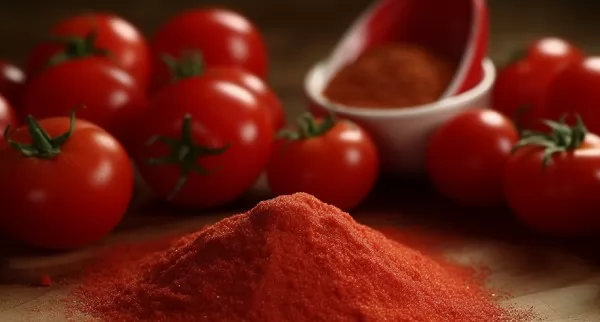
Lycopene is a natural carotenoid found primarily in tomatoes and other red and orange fruits and vegetables. Due to its powerful antioxidant and health benefits, Lycopene has received a lot of attention in the food and health supplement industry. Some commonly used lycopene extraction methods are introduced below.
1. Organic solvent extraction
This is the most traditional and widely used method. Commonly used organic solvents include n-hexane, acetone and diethyl ether. In this method, tomato pulp is minced and mixed with an organic solvent, then the lycopene is collected by distillation or filtration.
2. Supercritical Fluid Extraction
Supercritical Fluid Extraction uses CO at high pressure and temperature 2 as a solvent. This method can extract lycopene at a lower temperature, thereby avoiding the use of organic solvents and retaining the antioxidant properties of lycopene.
3. Enzyme-assisted extraction
Enzyme-assisted extraction utilizes specific enzymes to break down cell walls, thereby releasing lycopene more easily. This method is often used in combination with organic solvent extraction to increase extraction efficiency.
4. Microwave-assisted extraction method
Microwave-assisted extraction uses microwave energy to heat and excite plant cells, causing them to release Lycopene. This method is faster and more efficient than traditional thermal extraction methods.
5. Ultrasonic-assisted extraction
Ultrasonic-assisted extraction uses high-frequency sound wave vibrations to break the cell wall and release lycopene from the cells. This method is used in combination with organic solvents or water.
6. Water extraction
Water extraction is a more environmentally friendly method that does not use organic solvents. However, since lycopene is hydrophobic, the extraction efficiency of this method is usually low.
Irrespective of the extraction method chosen, ensure that the stability and functionality of the lycopene is maintained throughout the process. Furthermore, each method has its advantages and limitations, so selection of an appropriate method should be based on a specific application and a cost-benefit analysis.
TAGS:
- ▶ Hesperidin
- ▶ Citrus Bioflavonoids
- ▶ Plant Extract
- ▶ lycopene
- ▶ Diosmin
- ▶ Grape seed extract
- ▶ Sea buckthorn Juice Powder
- ▶ Fruit Juice Powder
- ▶ Hops Extract
- ▶ Artichoke Extract
- ▶ Mushroom extract
- ▶ Astaxanthin
- ▶ Green Tea Extract
- ▶ Curcumin
- ▶ Horse Chestnut Extract
- ▶ Other Product
- ▶ Boswellia Serrata Extract
- ▶ Resveratrol
- ▶ Marigold Extract
- ▶ Grape Leaf Extract
- ▶ New Product
- ▶ Aminolevulinic acid
- ▶ Cranberry Extract
- ▶ Red Yeast Rice
- ▶ Red Wine Extract
-
Green coffee bean Extract
2023-08-21
-
Chaste Berry Extract
2023-08-21
-
Lemon Extract
2023-08-21
-
Centella Asiatica Extract
2023-08-21
-
Lemon Balm Extract
2023-08-21
-
Wheat Germ Extract
2023-08-21
-
Peppermint Extract Powder
2023-08-21
-
Mangosteen extract powder
2023-08-21
-
Curcuma Longa Extract
2023-08-21
-
Bitter Melon Extract
2023-08-21