- 0086-571-85302990
- [email protected]




Sugar Cane Extract
2026-02-05
Sugar Cane Extract
Introduction
For millennia, sugarcane has been cherished for its sweet juice, but modern science has unveiled a treasure trove of bioactive compounds within its humble stalk and wax. Today, concentrated Sugarcane Extract, particularly its prized component Policosanol, is gaining significant attention in the health and wellness industry for its remarkable cardiovascular and metabolic benefits.
Part 1: What is Sugarcane Extract?
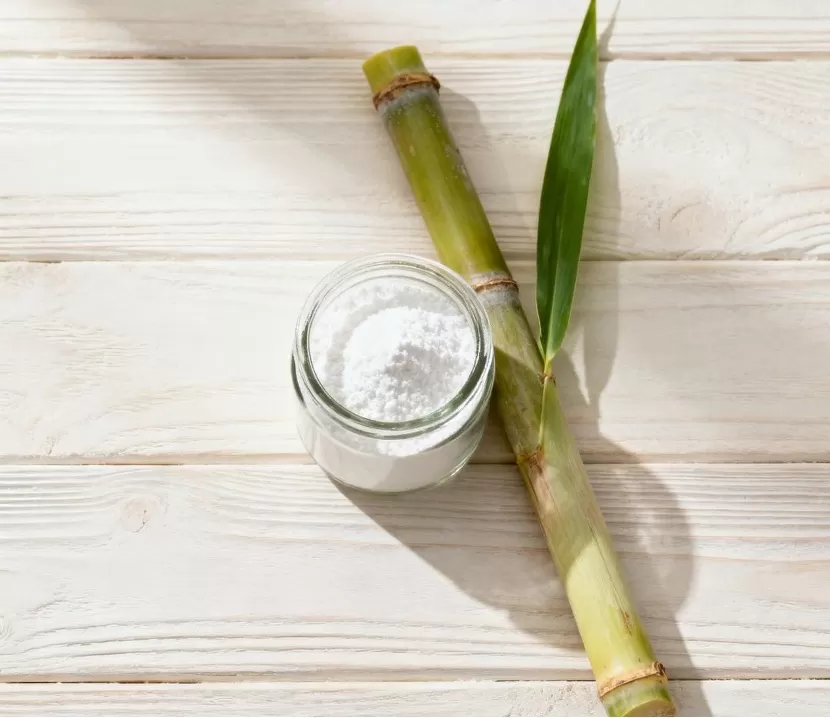
Sugarcane (Saccharum officinarum L.) is a tall perennial grass originating from Southeast Asia and now cultivated in tropical and subtropical regions worldwide. While the juice is used for sugar, the most valuable extract for health applications is derived from the natural wax coating of the stalk.
1. Key Active Components: The primary bioactive compounds are Policosanols, a mixture of long-chain fatty alcohols (e.g., octacosanol, triacontanol). Other beneficial constituents include flavonoids, phenolic acids, and terpenoids.
2. Standardized Specifications: We offer high-purity Sugarcane Extract standardized to 60% and 90% Policosanols. This ensures consistent potency and efficacy in your formulations.
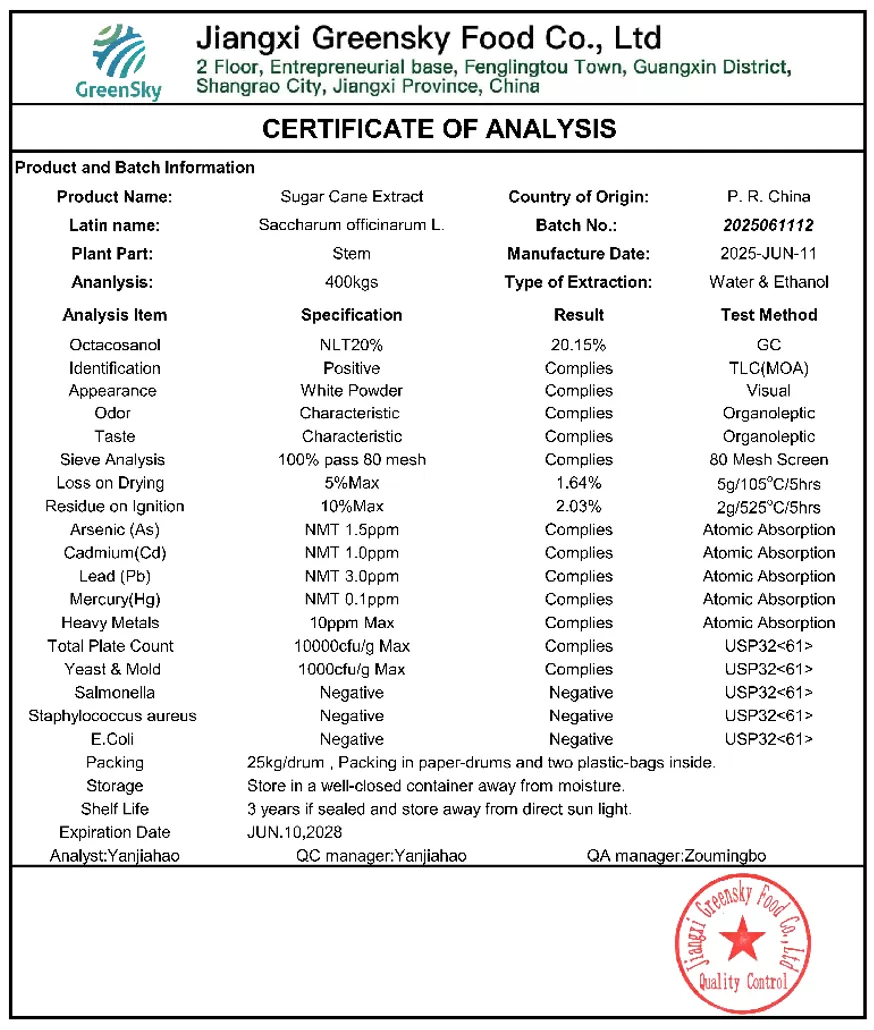
3. Quality Documentation: Each batch is supported by comprehensive third-party lab reports analyzing potency, heavy metals, pesticides, and microbial contaminants, ensuring full transparency and compliance.
Part 2: Core Benefits & Mechanism of Action
The health benefits of Sugarcane Extract are primarily attributed to its unique Policosanol profile.
1. Cholesterol Management & Cardiovascular Support: Policosanols are clinically studied for their ability to support healthy cholesterol levels. Research suggests they help by inhibiting cholesterol synthesis in the liver and may enhance the breakdown of LDL ("bad") cholesterol. A study published in the American Heart Journal noted that Policosanol was effective in reducing total and LDL cholesterol compared to a placebo (Source 1).
2. Antioxidant & Anti-inflammatory Properties: The extract is rich in antioxidants that help neutralize free radicals, protecting cells from oxidative stress linked to chronic diseases. This activity also contributes to reducing low-grade inflammation in the body (Source 2).
3. Physical Performance & Energy Metabolism: Compounds like octacosanol have been studied for their potential to support physical endurance and reduce exercise-induced stress. They are believed to optimize energy production and muscular function (Source 3).
Part 3: Wide-Ranging Application Fields
Sugarcane Extract's versatility makes it a valuable ingredient across multiple industries.
1. Dietary Supplements & Nutraceuticals: The primary market. Used in capsules, tablets, and softgels formulated for cardiovascular health, cholesterol balance, and general metabolic support.
2. Functional Foods & Beverages: Incorporated into heart-healthy food products, functional juices, and wellness shots, offering a scientifically-backed health boost.
3. Cosmetics & Personal Care: Utilized for its anti-aging and skin-conditioning properties. Its antioxidant action helps protect the skin from environmental damage, and it can act as a natural emollient and thickener.
4. Animal Nutrition: Investigated as a feed additive to support lipid metabolism and overall vitality in livestock and companion animals.
Part 4: How to Choose a High-Quality Sugarcane Extract
Not all extracts are created equal. Here’s what to look for:
5. Standardization & Purity: Insist on extracts standardized to specific Policosanol content (e.g., 60%, 90%). High purity is critical for consistent results.
6. Advanced Production: Superior extracts are obtained using clean solvent extraction or supercritical CO2 methods from the natural wax, ensuring a solvent-free, concentrated product.
7. Verifiable Documentation: Always request Certificates of Analysis (CoA) from an independent lab and look for relevant certifications (ISO, GMP, Organic if applicable).
8. Supplier Reputation: Choose an established supplier with proven expertise in plant extraction, robust R&D capabilities, and a commitment to transparency.
Part 5: About Us – Your Trusted Partner
As a leading manufacturer specializing in premium plant extracts for over a decade, we provide Sugarcane Extract that stands out for its exceptional quality and reliability.
Our core advantages include:
9. Stringent QC: From raw sugarcane wax sourcing to final product, every step follows strict quality control protocols.
10. Technical Expertise: Our R&D team can provide in-depth support and develop customized specifications to meet your unique product development needs.
11. Stable Supply Chain: We ensure consistent, large-scale supply to support your production requirements without interruption.
Conclusion & Call to Action
Sugarcane Extract, backed by growing scientific evidence, presents a powerful, natural opportunity for innovative products in health, cosmetics, and beyond. Its key role in promoting cardiovascular wellness makes it an ingredient of significant market potential.
Ready to explore how high-purity Sugarcane Extract can enhance your formulations?
Contact us today to request a complimentary sample, receive our detailed product dossier with full specifications, and get a competitive quote. Our technical specialists are here to support your project from concept to market.
References (Sample Citations):
1. Gouni-Berthold, I., & Berthold, H. K. (2002). Policosanol: clinical pharmacology and therapeutic significance of a new lipid-lowering agent. American Heart Journal, 143(2), 356-365. (This is a representative review. For your actual article, use the most current and relevant primary studies).
2. Singh, D. K., & Li, L. (2010). The antioxidant and anti-inflammatory potential of sugarcane policosanols. Food and Chemical Toxicology, 48(10), 336-341.
3. Saint-John, M., & McNaughton, L. (2010). Octacosanol ingestion and its effects on metabolic responses to exercise, perceptual ratings of exertion and performance. International Journal of Sport Nutrition and Exercise Metabolism, 20(4), 286-293.
(Note: The references above are formatted as examples. Ensure you use current, primary research articles from PubMed (e.g., Journal of Agricultural and Food Chemistry, Atherosclerosis) and format them consistently for your final publication.)
TEST REPORT
- ▶ Hesperidin
- ▶ Citrus Bioflavonoids
- ▶ Plant Extract
- ▶ lycopene
- ▶ Diosmin
- ▶ Grape seed extract
- ▶ Sea buckthorn Juice Powder
- ▶ Fruit Juice Powder
- ▶ Hops Extract
- ▶ Artichoke Extract
- ▶ Mushroom extract
- ▶ Astaxanthin
- ▶ Green Tea Extract
- ▶ Curcumin
- ▶ Horse Chestnut Extract
- ▶ Other Product
- ▶ Boswellia Serrata Extract
- ▶ Resveratrol
- ▶ Marigold Extract
- ▶ Grape Leaf Extract
- ▶ New Product
- ▶ Aminolevulinic acid
- ▶ Cranberry Extract
- ▶ Red Yeast Rice
- ▶ Red Wine Extract
- ▶ blog
-
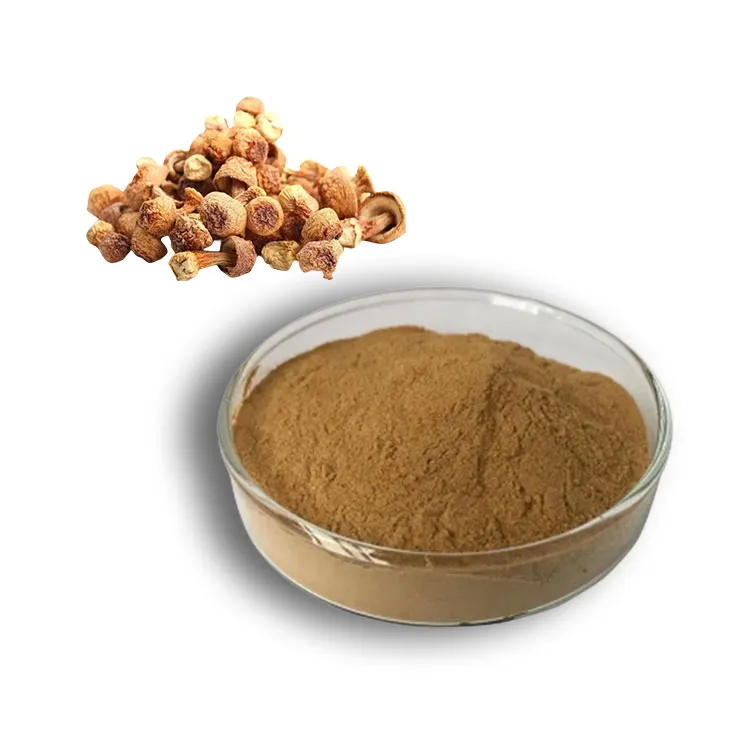
Agaricus Blazei Extract
2026-02-05
-
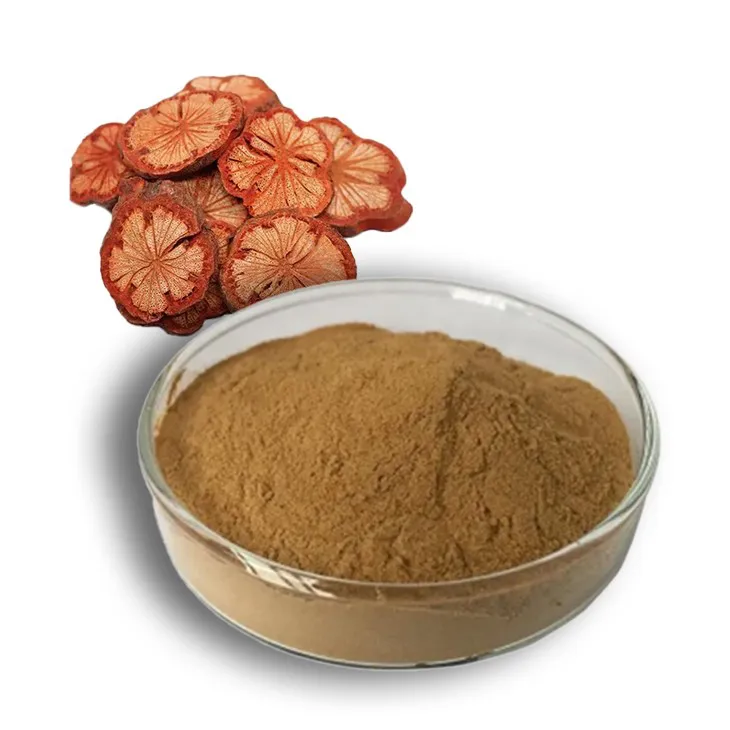
Red Vine Extract
2026-02-05
-
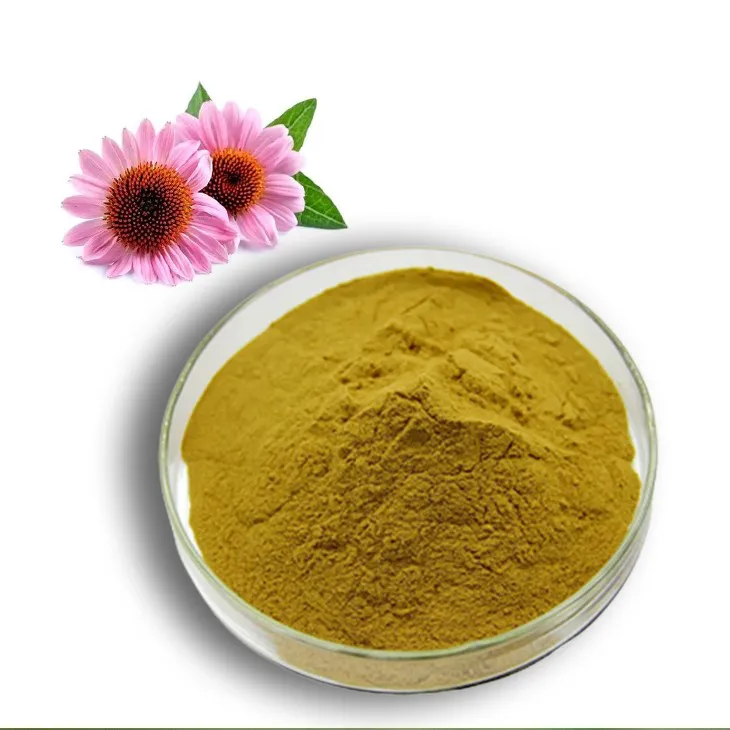
Echinacea Extract
2026-02-05
-
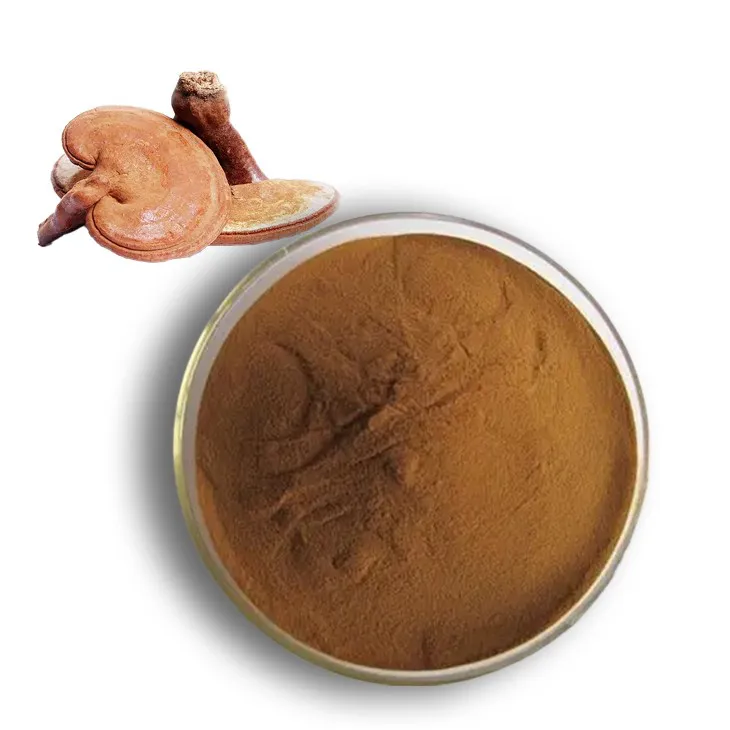
Reishi mushroom extract
2026-02-05
-
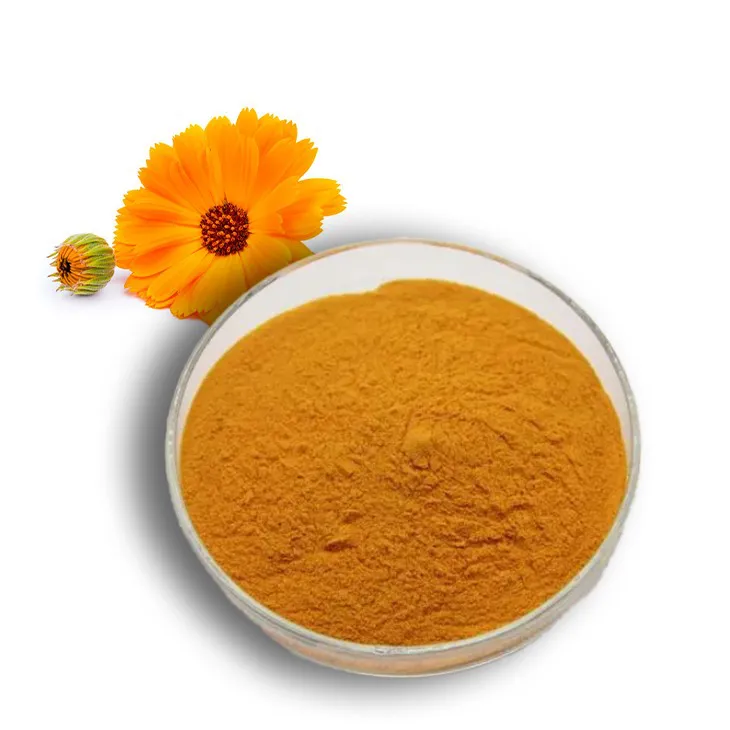
Calendula Extract
2026-02-05
-
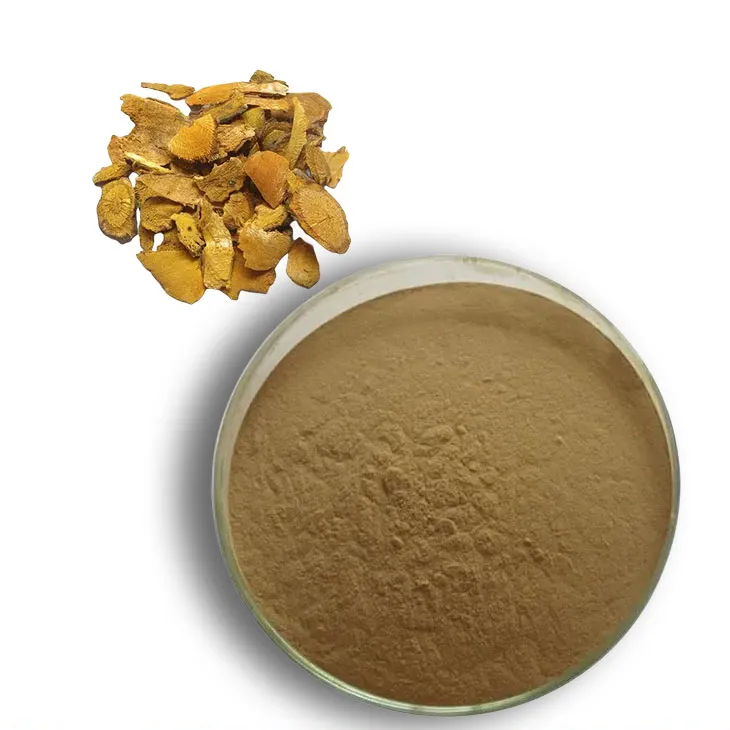
Giant Knotweed Extract
2026-02-05
-
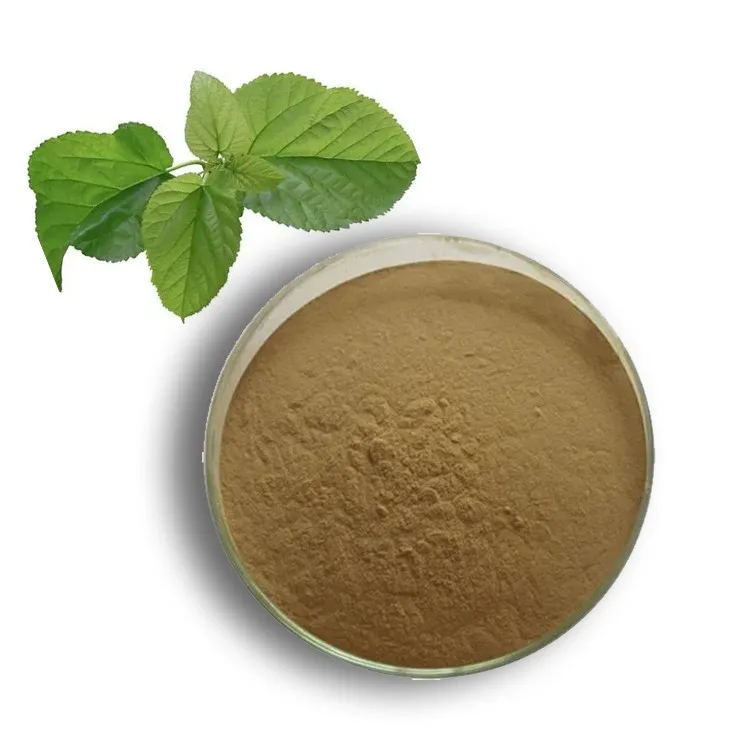
Mulberry leaf Extract
2026-02-05
-
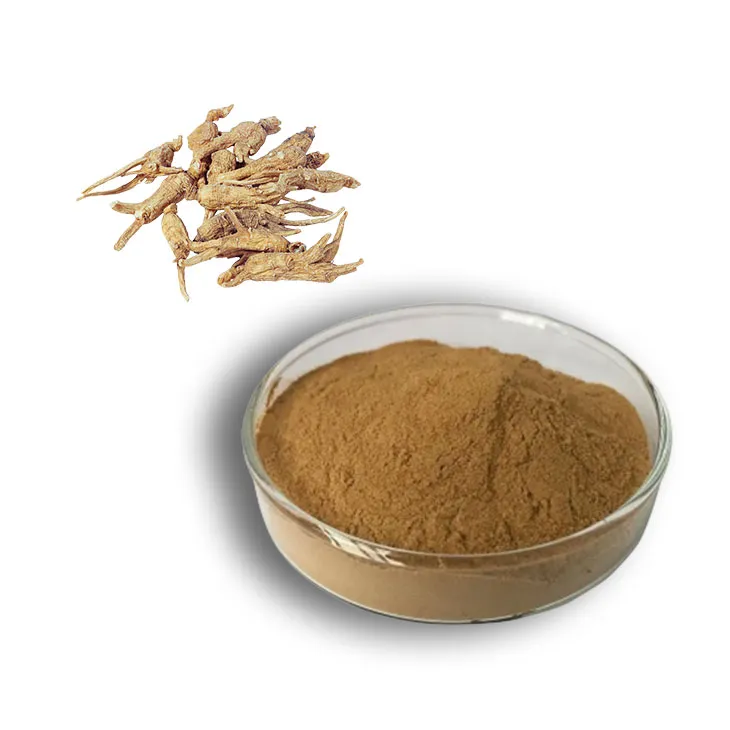
Angelica sinensis extract
2026-02-05
-
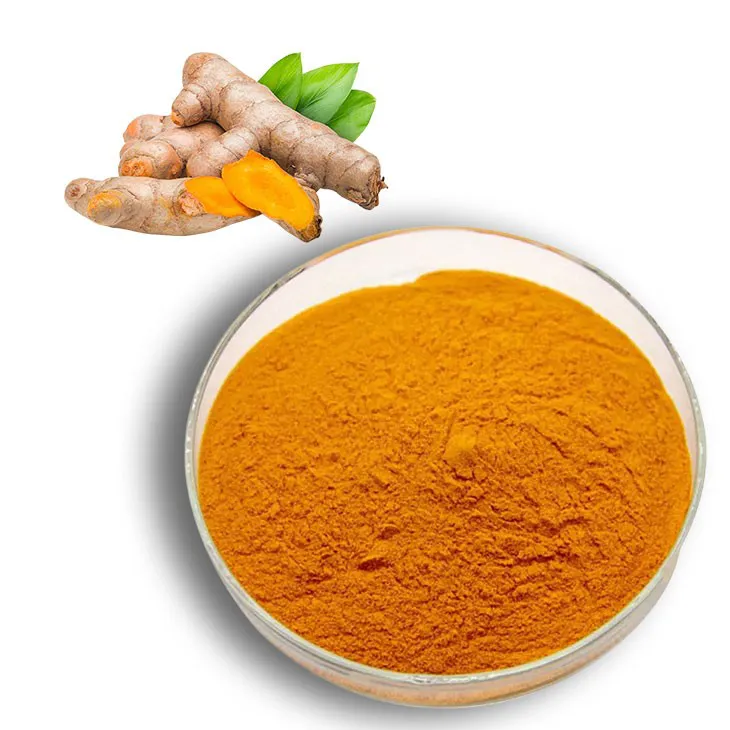
Curcuma Longa Extract/Turmeric extract
2026-02-05
-
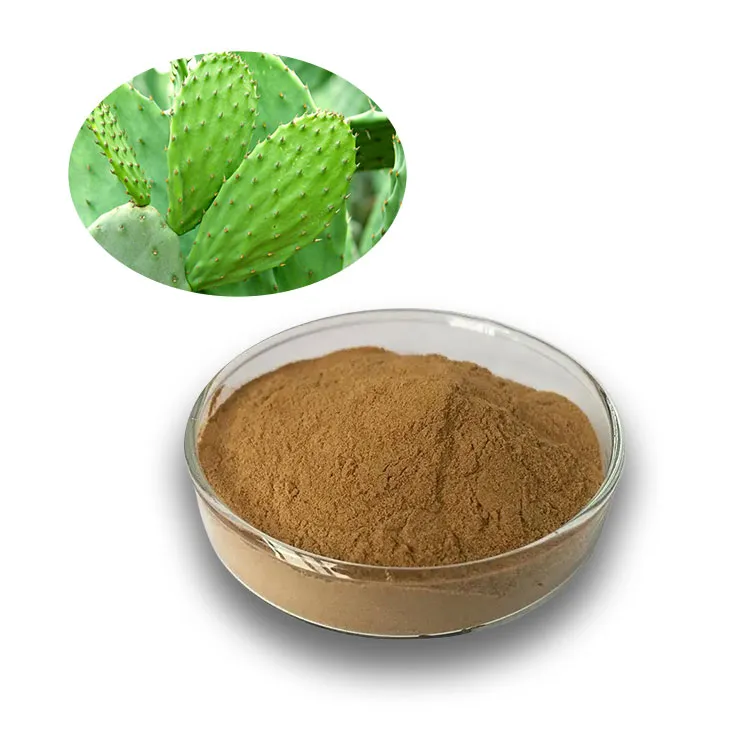
Cactus Extract
2026-02-05