- 0086-571-85302990
- [email protected]




Phellodendron Amurense Extract
2026-01-30
Phellodendron Amurense Extract
1. Introduction
Phellodendron Amurense Extract, derived from the bark of Phellodendron amurense, is a berberine-rich botanical ingredient widely used for metabolic support and broad-spectrum wellness formulations. Berberine has been extensively studied for helping maintain healthy blood glucose and lipid metabolism, while also showing anti-inflammatory and microbiome-modulating potential—making this extract a strong fit for nutraceutical and functional health applications.
2. What Is Phellodendron Amurense Extract?
Botanical Source
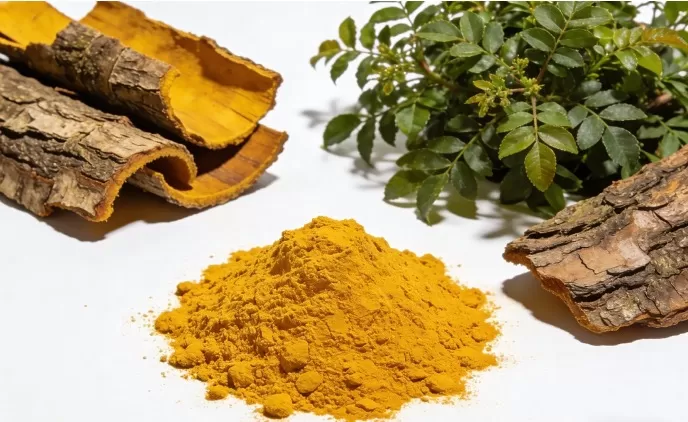
Phellodendron Amurense Extract is produced from Phellodendron amurense (Amur cork tree), a traditional botanical used in East Asian herbal practice and valued today primarily for its isoquinoline alkaloids—especially berberine.
Quality & Safety Testing (COA Highlights)
Identity (TLC), appearance (yellow powder), mesh, loss on drying, ash, heavy metals, pesticide residues, and microbiological limits are tested and reported as compliant/negative where applicable (e.g., E. coli negative; Salmonellanegative). Packaging is 25kg/drum, with a stated 3-year shelf life.
3. Key Health Benefits & Mechanisms of Action
1) Blood Glucose & Insulin Sensitivity Support
Berberine has clinical evidence supporting its role in improving glycemic control in people with type 2 diabetes, with outcomes commonly reported for fasting blood glucose and related metabolic indicators. A randomized clinical study found berberine produced meaningful glucose-lowering effects and also showed favorable impacts on lipid metabolism in T2DM patients. PubMed+1
A broader systematic review/meta-analysis also concluded berberine appeared effective for hyperglycaemia management (often as monotherapy or adjunct therapy), with no serious adverse effects commonly reported in included trials. PubMed
2) Lipid Metabolism & Cardiometabolic Support
Berberine has been studied for supporting healthier blood lipid profiles, including reductions in total cholesterol and LDL-C in aggregated clinical evidence. Meta-analyses report statistically significant lipid-lowering effects across randomized trials. PubMed+1
Mechanistically, berberine is also documented to influence hepatic LDL receptor regulation through pathways distinct from statins in experimental research, supporting its positioning in cardiometabolic formulas. PubMed
3) Anti-inflammatory Signaling Modulation
Berberine is widely described as a natural modulator of inflammatory signaling, with evidence discussing actions across pathways such as NF-κB, JAK/STAT, and MAPK. This underpins its frequent use in inflammation-balance and metabolic-inflammation formulations. PubMed
4) Gut Microbiome Interaction & Metabolic Link
Human research suggests berberine’s metabolic effects can be mediated in part through gut microbiome-related mechanisms, connecting microbiota changes with glycemic outcomes. This supports applications in “gut–metabolism axis” product concepts. PubMed+1
5) Microbial Balance & Antimicrobial Adjuvant Potential
Berberine has a long history of use in contexts involving microbial challenges, and modern studies discuss antimicrobial mechanisms and potential synergy with conventional agents in certain settings. PMC+1
4. Applications of Phellodendron Amurense Extract
Dietary Supplements & Nutraceuticals
Commonly used in formulas targeting glucose metabolism, lipid support, and overall metabolic wellness, including “carb control,” “metabolic balance,” and “cardio-metabolic” blends.
Functional Health Formulations
Often positioned in products linking gut health and metabolic outcomes, or in multi-ingredient systems designed around inflammation-metabolism interactions (e.g., AMPK/NF-κB-related positioning, where compliant).
R&D / Pharmaceutical Ingredient Research
Because berberine is a well-studied alkaloid, high-purity berberine-standardized extracts are also used for product development, mechanism research, and formulation optimization.
5. How to Choose a High-Quality Phellodendron Amurense Extract
A high-quality berberine-standardized extract should clearly state the active specification and test method (ideally HPLC), provide identity confirmation (e.g., TLC), and disclose core physical controls such as appearance, odor/taste, particle size/mesh, and moisture/ash limits. It should also come with a complete safety panel covering heavy metals, pesticide residues, and microbiology, plus clear packaging, storage conditions, and shelf-life traceability.
6. About Us — Why Choose GreenSky Biological Technology?
With 21 years of experience in natural plant extracts, Hangzhou GreenSky Biological Technology is a trusted manufacturer supplying global food, supplement, and cosmetic brands. Established in 2004, we operate two professional factories -- a fermentation plant in Hangzhou and an extraction plant in Jiangxi — supported by a 3000+ sqm production base and a 1000 sqm fully equipped R&D center.
Our Advantages:
• Professional Expertise
Over two decades of focus on botanical extracts, delivering stable and high-grade ingredients such as Milk Thistle Extract and other functional actives.
• Reliable Quality
Strict HPLC testing, GMP-grade facilities, complete traceability, and multiple international certifications including HALAL, KOSHER, SGS, ISO, ECOCERT, BRCGS, and ISO22000.
• Flexible Customization
Support for various concentrations, purities, ratios, and particle sizes, including water-soluble forms and OEM/ODM services.
• Strong Supply Capacity
Annual output of 1000+ tons, ensuring stable and continuous supply from our Jiangxi production base and Hangzhou headquarters.
• Dedicated R&D Support
A complete laboratory system for quality testing, product development, and technical support.
7. Conclusion & Call-to-Action
Phellodendron Amurense Extract standardized to high-purity berberine is a scientifically supported ingredient for metabolic health positioning, with evidence spanning glycemic support, lipid metabolism benefits, inflammation pathway modulation, and microbiome-related mechanisms. If you’re developing next-generation metabolic or gut–metabolism formulas, this ingredient offers both strong market familiarity and research depth.
Contact us now for a FREE SAMPLE and a competitive quotation. Our expert team will guide you toward the perfect ingredient solution.
References
Yin J, Xing H, Ye J. Efficacy of berberine in patients with type 2 diabetes mellitus. Metabolism. 2008. PMID: 18442638. PubMed+1
Dong H, Wang N, Zhao L, Lu F. Berberine in the treatment of type 2 diabetes mellitus: a systematic review and meta-analysis. 2012. PMID: 23118793. PubMed+1
Dong H, Zhao Y, Zhao L, Lu F. The effects of berberine on blood lipids: a systemic review and meta-analysis of randomized controlled trials. 2013. PMID: 23512497. PubMed
Ju J, Li J, Lin Q, Xu H. Efficacy and safety of berberine for dyslipidaemias: a systematic review and meta-analysis. 2018. PMID: 30466986. PubMed
Kong W, Wei J, Abidi P, et al. Berberine is a novel cholesterol-lowering drug working through a unique mechanism distinct from statins. Nat Med. 2004. PMID: 15531889. PubMed
Mohammadian Haftcheshmeh SM, Momtazi-Borojeni AA, et al. Berberine as a natural modulator of inflammatory signaling pathways in the immune system. Phytother Res. 2022. PMID: 35142403. PubMed
Zhang Y, Gu Y, Ren H, et al. Gut microbiome-related effects of berberine and probiotics on type 2 diabetes (human study; metagenomics/metabolomics). Nat Commun. 2020. PMID: 33024120. PubMed+1
Neag MA, Mocan A, Echeverría J, et al. Berberine: Botanical occurrence, traditional uses, extraction methods, and relevance to health applications. 2018. (PMC) PMC
Zhou H, et al. Potentiation and mechanism of berberine as an antibiotic adjuvant (review). 2023. PMID: 38023403.
Test report

- ▶ Hesperidin
- ▶ Citrus Bioflavonoids
- ▶ Plant Extract
- ▶ lycopene
- ▶ Diosmin
- ▶ Grape seed extract
- ▶ Sea buckthorn Juice Powder
- ▶ Fruit Juice Powder
- ▶ Hops Extract
- ▶ Artichoke Extract
- ▶ Mushroom extract
- ▶ Astaxanthin
- ▶ Green Tea Extract
- ▶ Curcumin
- ▶ Horse Chestnut Extract
- ▶ Other Product
- ▶ Boswellia Serrata Extract
- ▶ Resveratrol
- ▶ Marigold Extract
- ▶ Grape Leaf Extract
- ▶ New Product
- ▶ Aminolevulinic acid
- ▶ Cranberry Extract
- ▶ Red Yeast Rice
- ▶ Red Wine Extract
- ▶ blog
-
Kidney Bean Extract
2026-01-30
-
Curcumin
2026-01-30
-
Feverfew Extract
2026-01-30
-
5-HTP (5-Hydroxytryptophan)
2026-01-30
-
Aguaje Extract
2026-01-30
-
Cat Claw Extract
2026-01-30
-
Dandelion Leaf Extract
2026-01-30
-
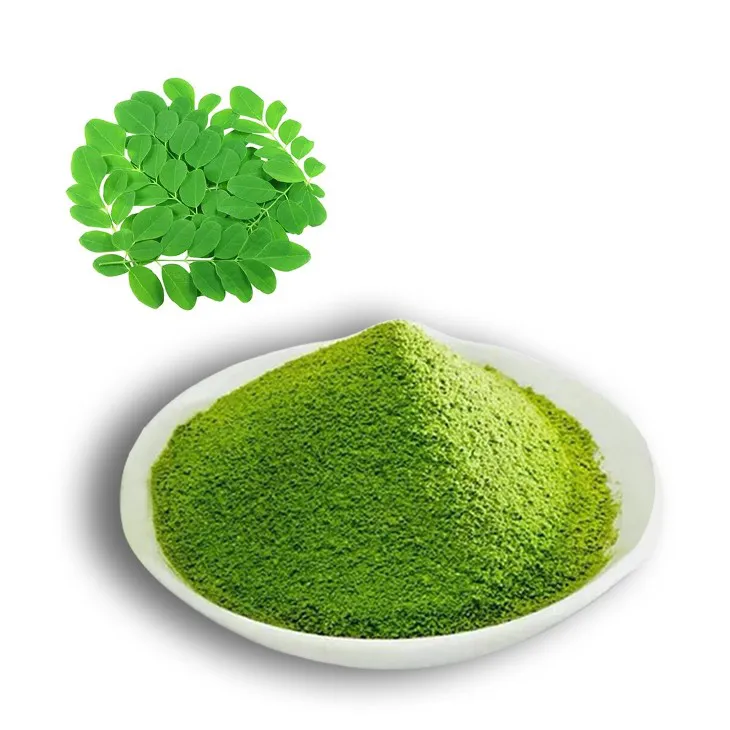
Moringa powder
2026-01-30
-
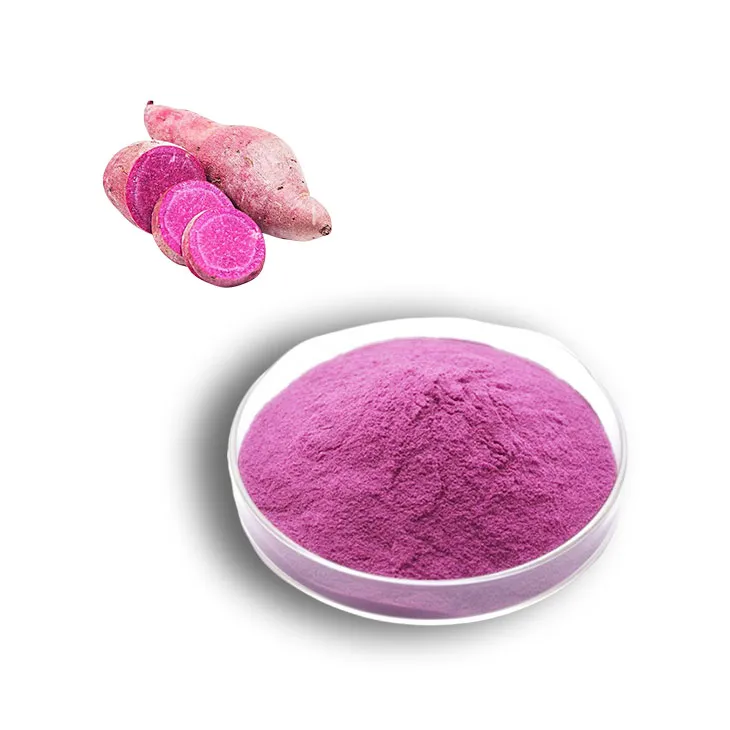
Purple Sweet Potato Extract
2026-01-30
-
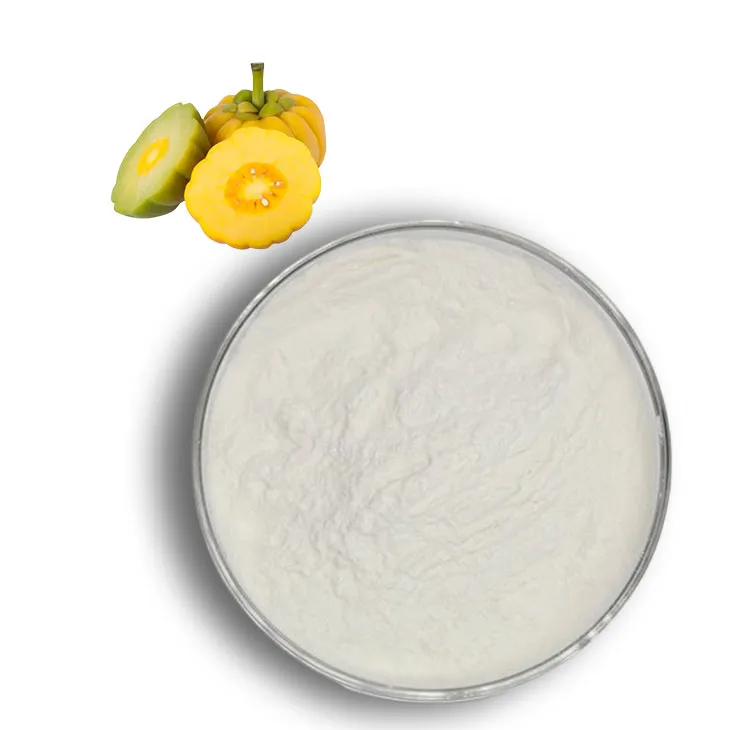
Garcinia Cambogia Extract
2026-01-30