- 0086-571-85302990
- [email protected]






Aralia Root Extract
2026-01-27
Aralia Root Extract
Introduction
For generations, the Aralia plant has been a part of regional wellness traditions, valued for its supportive properties. Modern science has now validated its potential, focusing on Aralia Root Extract as a rich source of unique bioactive compounds with significant relevance for today's health and supplement industries.
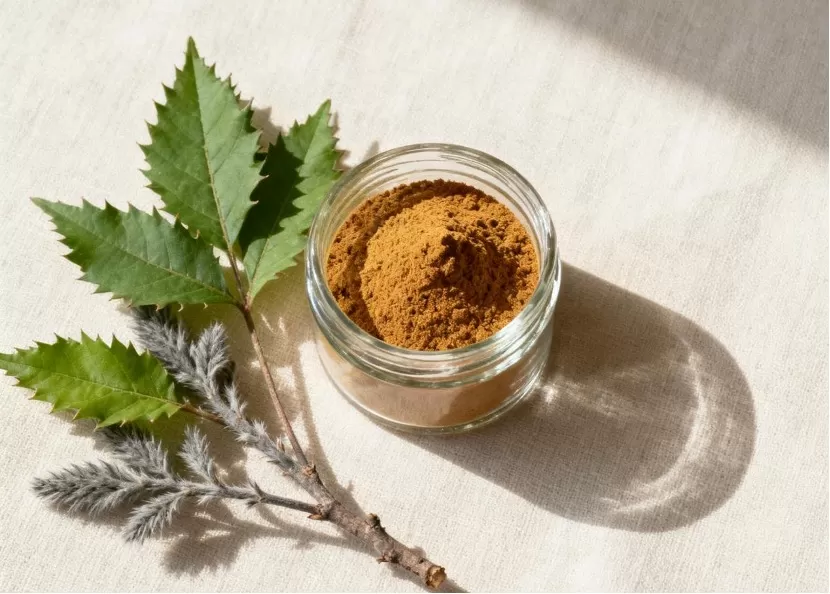
Part 1: What is Aralia Root Extract?
l Botanical Introduction: This extract is specifically derived from Aralia chinensis L., commonly known as Chinese Angelica Tree. It is a distinct species native to and widely distributed across forests and mountainous regions in China.
l Part Used: The extract is obtained specifically from the root and rhizome of the plant.
l Key Active Constituents: The efficacy is primarily attributed to its rich profile of triterpenoid saponins, with oleanolic acid and aralosides being key markers. It also contains valuable polysaccharides, polyphenols, and flavonoids, which contribute to its broad-spectrum activity.
l Standard Specifications: We supply Aralia Root Extract with a standard specification of ≥10% Total Saponins (calculated as oleanolic acid). Other ratios such as 4:1 or 10:1 are available for custom orders.
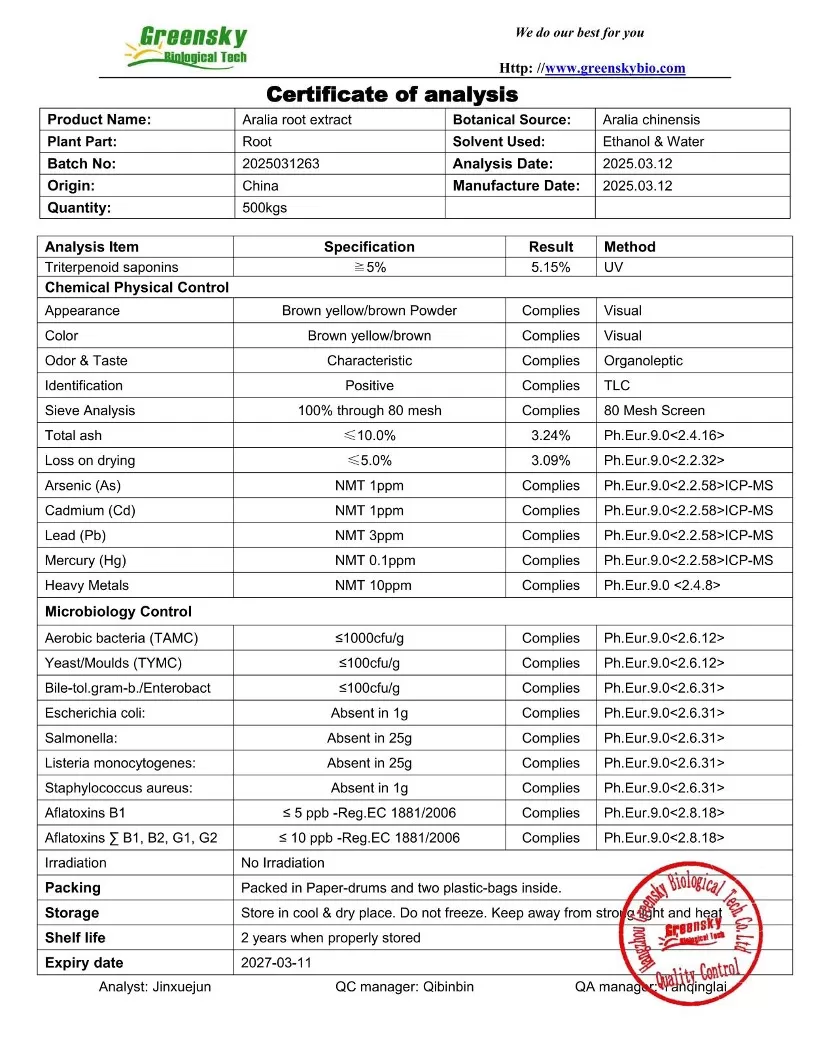
l Quality Assurance: Comprehensive third-party laboratory test reports are provided with each batch, verifying active potency, safety (residual solvents, heavy metals, microbial limits), and compliance with stringent quality standards.
Part 2: Core Benefits & Mechanisms of Action
Scientific investigations into Aralia chinensis root reveal several compelling benefits:
l Anti-inflammatory & Analgesic (Pain-Relieving) Effects: This is one of its most documented traditional uses. Research indicates that the saponins and other compounds can significantly inhibit the production of pro-inflammatory mediators like prostaglandins and cytokines (e.g., TNF-α, IL-6), helping to alleviate inflammatory responses and associated discomfort.
l Hepatoprotective (Liver-Supporting) Activity: Studies suggest the extract can protect liver cells from chemical-induced damage. Its mechanism is linked to enhancing antioxidant defenses (elevating glutathione and SOD levels) within the liver, thereby stabilizing cell membranes and promoting detoxification processes.
l Immunomodulatory Properties: The polysaccharides in Aralia root are known to act as immunomodulators. They can stimulate the proliferation of immune cells like lymphocytes and enhance the phagocytic activity of macrophages, thereby supporting a balanced and robust immune system function.
l Antioxidant Defense: The extract exhibits strong free radical scavenging capacity against various reactive oxygen species (ROS). This antioxidant action helps protect cells and tissues from oxidative stress, a foundational mechanism for its anti-aging and general protective benefits.
Part 3: Wide-Ranging Application Fields
The multifaceted profile of this extract opens doors to diverse markets:
l Pharmaceuticals & Nutraceuticals: Used in formulations aimed at supporting joint health, managing inflammatory conditions, promoting liver detoxification, and boosting overall immune defense. Commonly found in capsule, tablet, or liquid extract forms.
l Functional Foods & Beverages: Incorporated into herbal teas, wellness tonics, and functional drink blends designed for daily inflammation management, recovery, and holistic health support.
l Cosmetic & Personal Care: Valued in skincare for its anti-inflammatory and antioxidant properties, making it a suitable active ingredient in products designed for soothing irritated skin, reducing redness, and protecting against environmental stressors.
l Veterinary & Animal Health: Applied in supplements for pets and livestock to support immune function and promote overall vitality.
Part 4: How to Choose a High-Quality Aralia chinensis Root Extract
Ensuring premium quality is critical for efficacy and safety:
n Specific Standardization: Prioritize extracts standardized to key active groups like Total Saponins for consistent biological activity.
n Advanced Production: Look for suppliers utilizing modern extraction and purification technologies (e.g., ethanol/water extraction, macroporous resin purification) that preserve the integrity of heat-sensitive compounds.
n Transparent Documentation: Insist on current Certificates of Analysis (CoA) from reputable labs. Certifications such as GMP, ISO 22000, or organic (if applicable) are strong indicators of a reliable supply chain.
n Supplier Provenance: Partner with suppliers who specialize in authentic Chinese botanicals, can provide clear traceability to the raw material source, and possess strong technical support capabilities.
Part 5: Why Partner With Us?
As a specialist in authentic Chinese botanical extracts, we deliver Aralia Root Extract that meets the highest benchmarks:
n Authentic & Sustainable Sourcing: We source directly from cultivated regions in China, ensuring authentic Aralia chinensis raw material with full traceability.
n Science-Backed Quality: Our production follows pharmacopeia-grade protocols, and we provide extensive analytical data to support your product development and regulatory needs.
n Customization & Partnership: We offer tailored specifications and work collaboratively as your technical partner, from formulation advice to stable, scalable supply.
Conclusion & Call to Action
Aralia Root Extract bridges traditional herbal knowledge and modern scientific validation, offering a potent, multi-target ingredient for health and wellness innovations.
Interested in integrating this high-quality, scientifically-backed extract into your next product? Contact us today to request a complimentary sample, a detailed specification sheet, and a competitive quotation. Our technical team is ready to support your project's success.
References (Cited from PubMed/Scientific Literature):
1. Zhang, C., et al. (2018). "Anti-inflammatory and analgesic effects of the ethanol extract of Aralia chinensis L. rhizome in animal models." Journal of Ethnopharmacology, 224, 288-294. (Demonstrates the anti-inflammatory and pain-relieving properties).
2. Li, Y., et al. (2016). "Hepatoprotective effects of total saponins from Aralia chinensis against carbon tetrachloride-induced liver injury in mice." Pharmaceutical Biology, 54(2), 371-378. (Explores the liver-protective mechanisms of its saponins).
3. Wang, Z., et al. (2014). "Immunomodulatory activity of the polysaccharides from the roots of Aralia chinensis." International Journal of Biological Macromolecules, 69, 180-185. (Details the immune-enhancing effects of its polysaccharides).
4. Zheng, X., et al. (2012). "Antioxidant activity and chemical components of different parts of Aralia chinensis." Chemistry & Biodiversity, 9(9), 1844-1852. (Analyzes and confirms the antioxidant capacity across different plant parts).
5. Cheng, G., et al. (2013). "Triterpenoid saponins from the roots of Aralia chinensis and their cytotoxic activity." Planta Medica, 79(11), 972-978. (Identifies specific saponin compounds and their bioactive potential).
TEST REPORT
- ▶ Hesperidin
- ▶ Citrus Bioflavonoids
- ▶ Plant Extract
- ▶ lycopene
- ▶ Diosmin
- ▶ Grape seed extract
- ▶ Sea buckthorn Juice Powder
- ▶ Fruit Juice Powder
- ▶ Hops Extract
- ▶ Artichoke Extract
- ▶ Mushroom extract
- ▶ Astaxanthin
- ▶ Green Tea Extract
- ▶ Curcumin
- ▶ Horse Chestnut Extract
- ▶ Other Product
- ▶ Boswellia Serrata Extract
- ▶ Resveratrol
- ▶ Marigold Extract
- ▶ Grape Leaf Extract
- ▶ New Product
- ▶ Aminolevulinic acid
- ▶ Cranberry Extract
- ▶ Red Yeast Rice
- ▶ Red Wine Extract
- ▶ blog
-
Uridine-5'-monophosphate Disodium salt
2026-01-27
-
Medicinal Marshmallow Extract
2026-01-27
-
Longan Extract
2026-01-27
-
Shikonin
2026-01-27
-
Black Garlic Extract
2026-01-27
-
Nutmeg Extract
2026-01-27
-
Citrus bioflavonoids
2026-01-27
-
Ginger Extract
2026-01-27
-
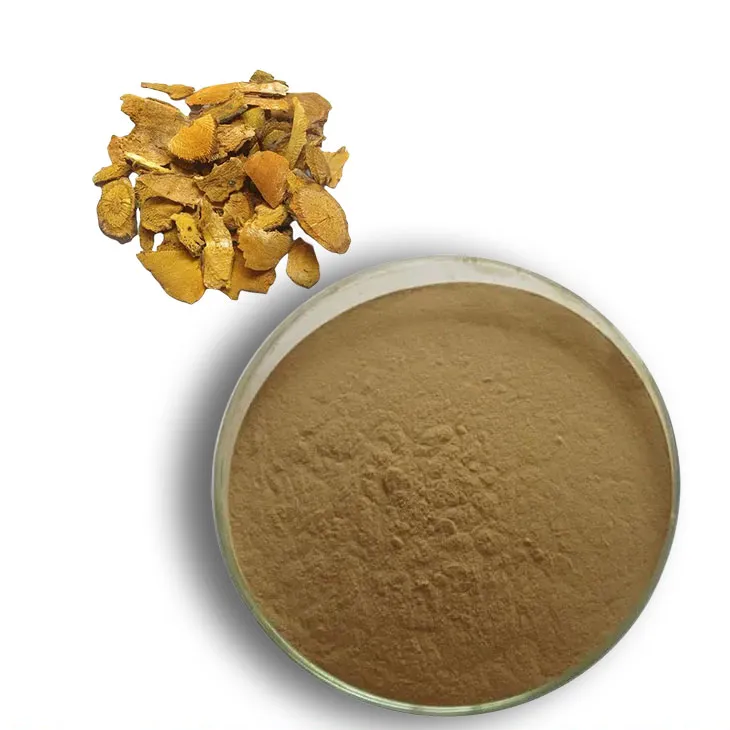
Polygonum Cuspidatum Extract
2026-01-27
-
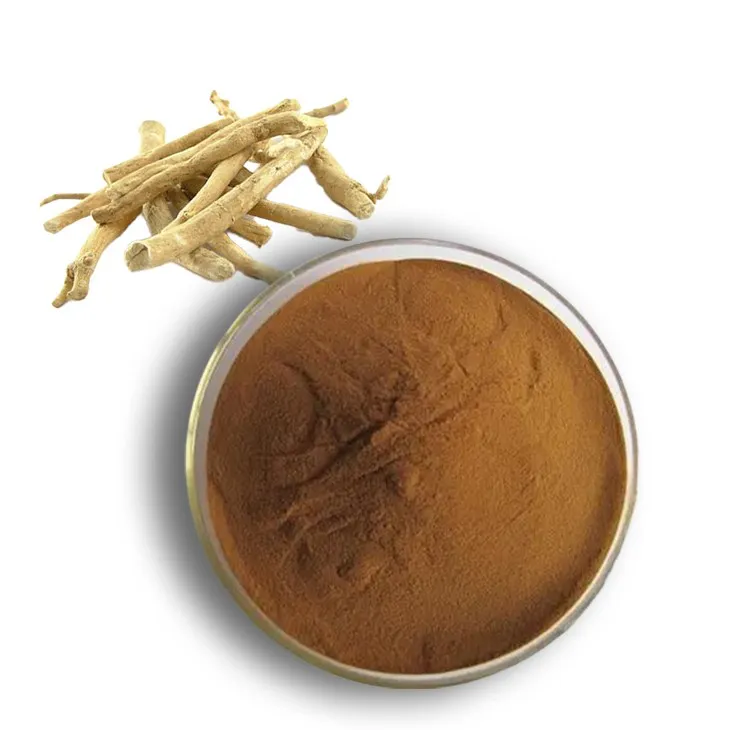
Withania Somnifera Extract
2026-01-27
