- 0086-571-85302990
- [email protected]




Curcumin Extract: Complete Guide to Anti-Inflammatory Benefits, Bioavailability Science & B2B Sourci
2026-11-14
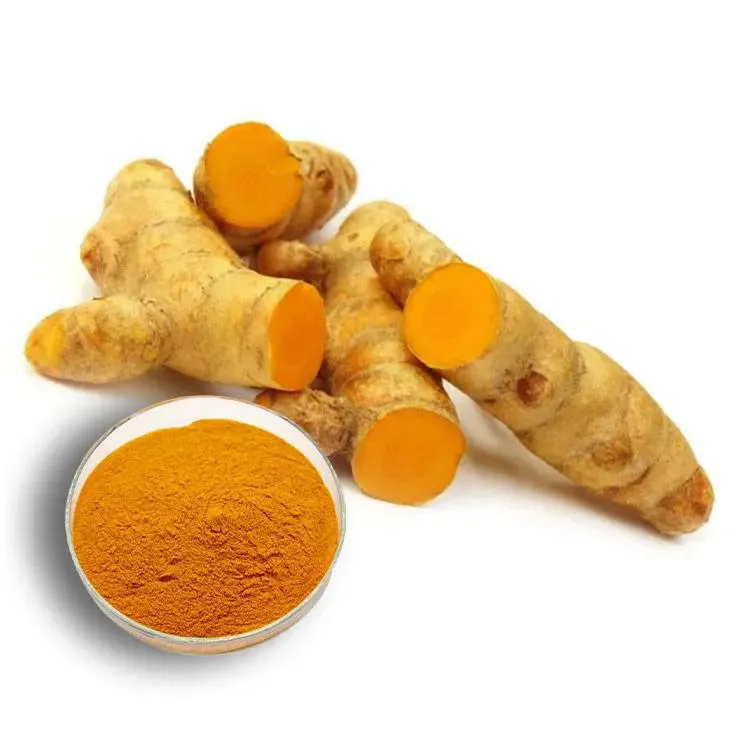
Table of Contents
What Is Curcumin Extract and Why Is It the Most Researched Natural Anti-Inflammatory?
Clinical Evidence for Inflammation, Joint Health, and Metabolic Support
The Bioavailability Challenge: How to Make Curcumin Work
Quality Markers: How to Identify Premium Curcumin Extract
Curcumin Extract Applications in Supplements, Food, and Cosmetics
How Greensky Produces High-Quality Curcumin Extract
B2B Sourcing Guide: What to Look for in a Curcumin Extract Supplier
Frequently Asked Questions
What Is Curcumin Extract and Why Is It the Most Researched Natural Anti-Inflammatory?
Curcumin extract is the primary bioactive compound derived from the rhizome of Curcuma longa, commonly known as turmeric. It belongs to the curcuminoid family — a group of polyphenolic pigments responsible for turmeric's vibrant golden-orange color. With over 12,000 peer-reviewed publications, curcumin stands as one of the most extensively studied natural compounds in modern nutritional science.
As a natural plant extract manufacturer with over 20 years of experience, Hangzhou Greensky Biological Tech. Co., Ltd. produces standardized curcumin extract using advanced purification technologies, serving clients across Europe, the United States, South Korea, and Russia.
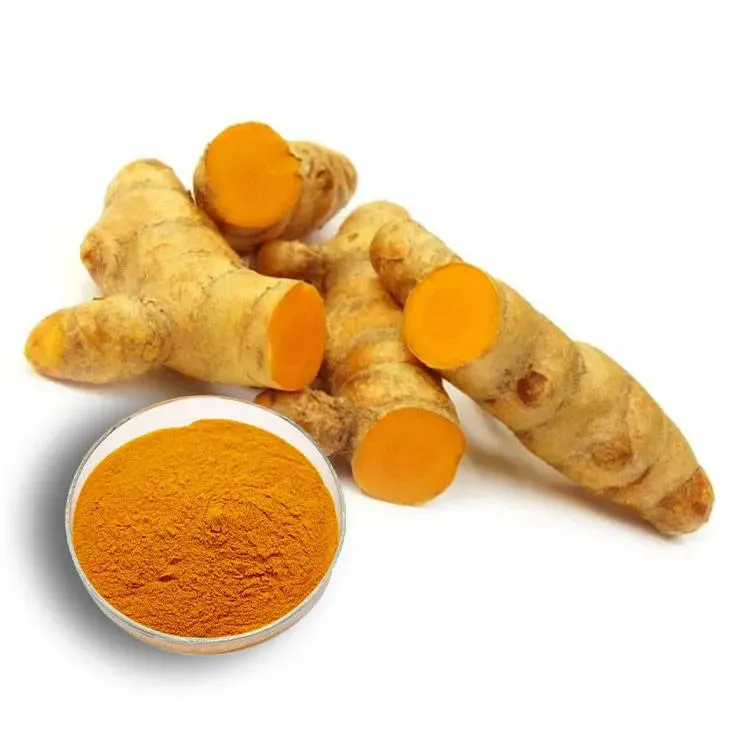
The Science of Curcuminoids: Curcumin, DMC, and BDMC
Natural curcumin extract contains three major curcuminoids:
Curcumin (diferuloylmethane) — The most abundant and biologically active curcuminoid, typically comprising 70–80% of total curcuminoids in standardized extracts. It is responsible for the majority of curcumin's anti-inflammatory and antioxidant activity.
Demethoxycurcumin (DMC) — A structurally related compound with distinct pharmacokinetic properties. Research suggests DMC may have superior cellular uptake compared to curcumin itself.
Bisdemethoxycurcumin (BDMC) — The least abundant but still biologically active component. BDMC has demonstrated unique anti-proliferative properties in preclinical studies.
Standardization Ratios
Commercial curcumin extracts are typically standardized to specific curcuminoid concentrations:
Specification Curcuminoid Content Common Use 95% Curcuminoids 95% total curcuminoids Pharmaceutical & premium supplements 80% Curcuminoids 80% total curcuminoids Standard dietary supplements Full-spectrum Turmeric Extract 3–5% curcuminoids Food-grade applications
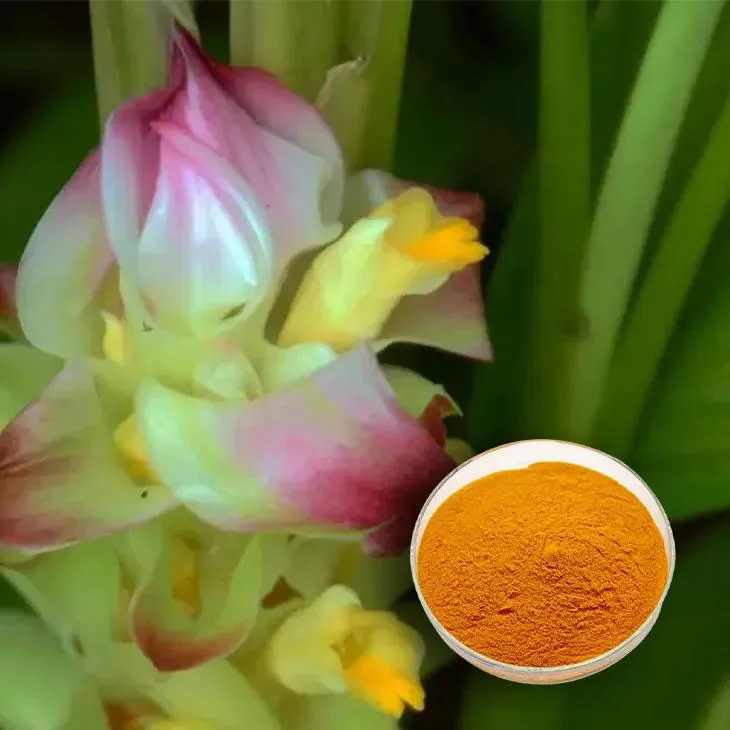
Clinical Evidence for Inflammation, Joint Health, and Metabolic Support
Inflammation and NF-κB Pathway
Curcumin's most well-documented mechanism is its ability to modulate the NF-κB signaling pathway — a master regulator of inflammatory gene expression. Multiple randomized controlled trials (RCTs) have demonstrated that curcumin supplementation significantly reduces circulating levels of inflammatory markers including:
C-reactive protein (CRP) — Meta-analyses show a significant reduction in CRP levels with curcumin supplementation (≥80 mg/day).
TNF-α and IL-6 — Pro-inflammatory cytokines suppressed by curcumin's interference with NF-κB nuclear translocation.
COX-2 and LOX — Cyclooxygenase and lipoxygenase enzymes inhibited by curcumin, providing a dual-pathway anti-inflammatory effect similar to NSAIDs but without gastrointestinal side effects.
Joint Health and Osteoarthritis
A landmark 2016 RCT published in the Journal of Medicinal Food found that 1,000 mg/day of curcumin extract produced pain relief comparable to 1,200 mg/day of ibuprofen in patients with knee osteoarthritis — without the GI adverse events associated with NSAID use.
Metabolic and Cardiovascular Support
Emerging clinical data supports curcumin's role in:
Endothelial function — Curcumin improves nitric oxide bioavailability, supporting healthy blood vessel function.
Lipid metabolism — Curcumin supplementation has been associated with modest improvements in LDL cholesterol and triglyceride profiles.
Blood glucose regulation — Curcumin may improve insulin sensitivity through AMPK pathway activation.
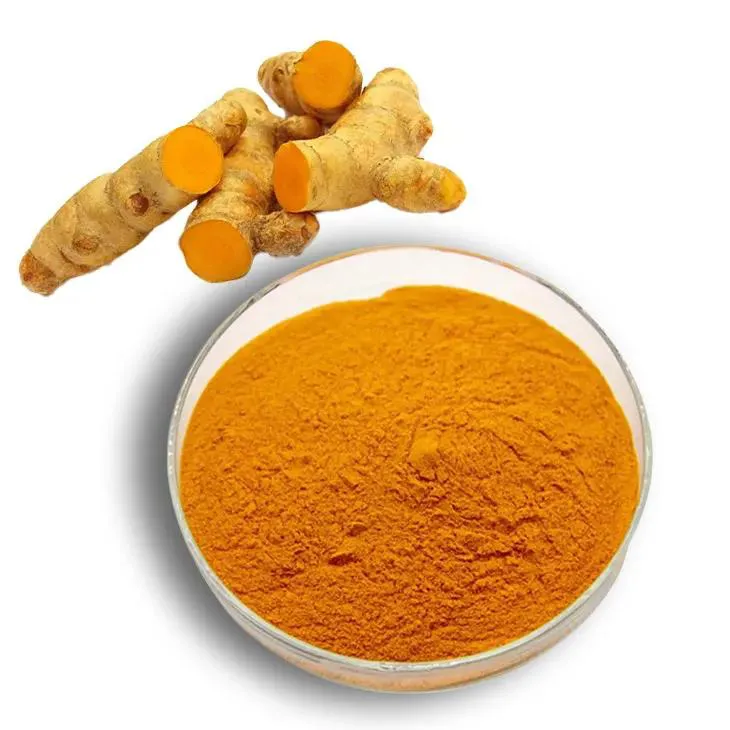
The Bioavailability Challenge: How to Make Curcumin Work
Curcumin is notoriously poorly absorbed. It has low water solubility, rapid hepatic metabolism, and fast systemic elimination. This has driven decades of research into bioavailability enhancement strategies.
Proven Enhancement Methods
1. Piperine (Black Pepper Extract)Piperine inhibits hepatic glucuronidation, the primary metabolic pathway that eliminates curcumin. A seminal study showed that 20 mg of piperine combined with 2 g of curcumin increased bioavailability by 2,000%.
2. Phytosome Technology (Curcumin-Phospholipid Complex)Binding curcumin to phosphatidylcholine creates a phytosome complex that significantly improves intestinal absorption. Phytosomal curcumin has demonstrated up to 29× greater bioavailability compared to standard curcumin extract.
3. Micellar and Liposomal FormulationsWater-soluble curcumin technologies — including micellar dispersions and liposomal encapsulation — dramatically improve dissolution and absorption in the aqueous environment of the GI tract.
4. Nanoparticle DeliveryNano-curcumin formulations using particle sizes below 200 nm have shown enhanced tissue penetration and sustained plasma concentrations.
At Greensky, we offer curcumin extract in multiple formulations to meet diverse product requirements — from standard 95% curcuminoids to advanced bioavailability-enhanced versions.
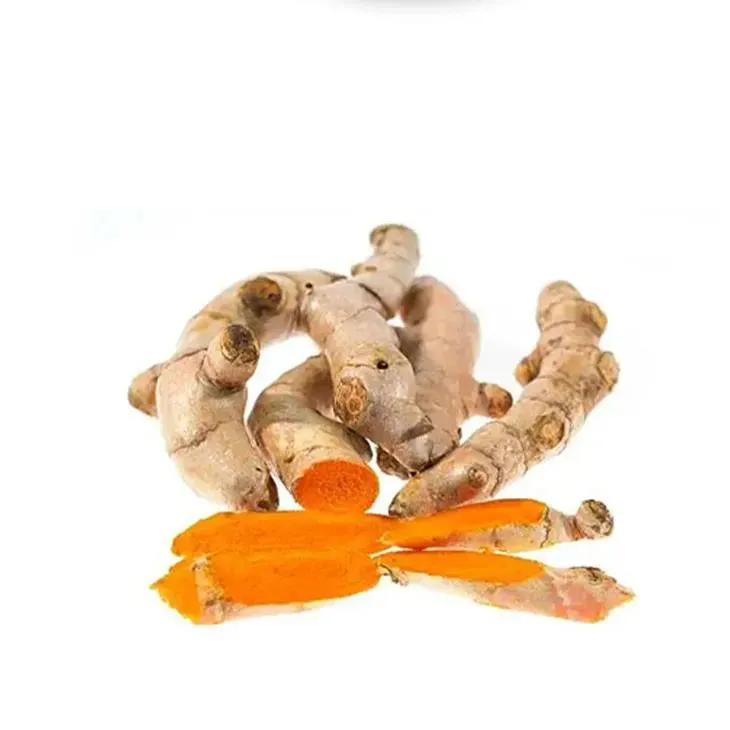
Quality Markers: How to Identify Premium Curcumin Extract
When sourcing curcumin extract, evaluate these critical quality parameters:
HPLC Assay — Verify curcuminoid content via validated HPLC methodology (not UV spectrophotometry alone). Look for individual curcuminoid quantification (curcumin, DMC, BDMC).
Heavy Metals — Lead < 1.0 ppm, Arsenic < 0.5 ppm, Cadmium < 0.5 ppm, Mercury < 0.1 ppm.
Pesticide Residues — Should meet EU maximum residue level (MRL) standards.
Solvent Residues — Ensure compliance with ICH Q3C guidelines for residual solvents.
Microbiological Limits — Total plate count < 1,000 CFU/g, yeast & mold < 100 CFU/g, absence of E. coli, Salmonella, and Staphylococcus aureus.
Particle Size — D90 < 50 μm for optimal dissolution and formulation compatibility.
Curcumin Extract Applications in Supplements, Food, and Cosmetics
Dietary Supplements
Curcumin is the cornerstone ingredient in joint health, inflammation support, and general wellness supplement formulations. Common delivery formats include capsules, tablets, softgels, and gummies.
Functional Foods and Beverages
Turmeric and curcumin are increasingly incorporated into functional beverages, golden milk formulations, energy bars, and fortified foods. Water-soluble curcumin technologies enable clear beverage applications.
Cosmetic and Personal Care
Curcumin's antioxidant and anti-inflammatory properties make it valuable in anti-aging skincare, soothing formulations for sensitive skin, and scalp health products.
How Greensky Produces High-Quality Curcumin Extract
Jiangxi Greensky Food Co., Ltd. manufactures curcumin extract in a facility designed to GMP standards, equipped with:
Multiple 6-ton multi-functional extraction tanks for efficient large-scale processing
High-efficiency low-temperature concentrators to preserve thermally sensitive curcuminoids
Spray drying towers and vacuum drying systems for optimal powder characteristics
100,000-class clean area ensuring food-grade production conditions
Independent analytical laboratory with HPLC, GC, and UV instrumentation for rigorous quality control
Every batch is tested for curcuminoid profile, heavy metals, pesticides, microbiology, and physical specifications before release.
B2B Sourcing Guide: What to Look for in a Curcumin Extract Supplier
When evaluating a curcumin extract supplier, consider:
Certifications — ISO 22000, BRCGS, Ecocert Organic, GMP, HALAL, and Kosher certifications demonstrate commitment to quality management systems.
Analytical Capability — In-house HPLC testing ensures accurate curcuminoid quantification and batch-to-batch consistency.
Production Capacity — Verify the supplier can meet your volume requirements with consistent quality.
Regulatory Documentation — COA, SDS, allergen statements, non-GMO declarations, and organic certificates should be readily available.
Technical Support — A reliable supplier provides formulation guidance, stability data, and regulatory support for your target markets.
Export Experience — Greensky's export value of nearly $30 million USD demonstrates proven capability in international markets, with established supply chains to Europe, North America, and Asia.
Frequently Asked Questions
Q1: What is the recommended daily dosage of curcumin extract?A: Clinical studies typically use 500–2,000 mg/day of standardized curcumin extract (95% curcuminoids). For enhanced bioavailability formulations, effective doses may be lower (250–500 mg/day).
Q2: Is curcumin extract safe for long-term use?A: Curcumin has an excellent safety profile. The WHO has established an acceptable daily intake (ADI) of 0–3 mg/kg body weight. Most clinical trials have used curcumin for periods of 8–12 months without significant adverse effects.
Q3: Can curcumin extract be used in vegan and halal products?A: Yes. Curcumin is derived from the turmeric rhizome and is inherently vegan. Greensky's curcumin extracts are HALAL and Kosher certified, suitable for diverse dietary requirements.
Q4: What is the shelf life of curcumin extract powder?A: When stored in a cool, dry place in sealed packaging, curcumin extract powder typically maintains specification for 24 months. Accelerated stability testing data is available upon request.
Q5: Does Greensky offer custom curcumin formulations?A: Yes. We can produce curcumin extract to custom specifications, including specific curcuminoid ratios, particle sizes, and bioavailability-enhanced formulations tailored to your product requirements.
- ▶ Hesperidin
- ▶ Citrus Bioflavonoids
- ▶ Plant Extract
- ▶ lycopene
- ▶ Diosmin
- ▶ Grape seed extract
- ▶ Sea buckthorn Juice Powder
- ▶ Fruit Juice Powder
- ▶ Hops Extract
- ▶ Artichoke Extract
- ▶ Mushroom extract
- ▶ Astaxanthin
- ▶ Green Tea Extract
- ▶ Curcumin
- ▶ Horse Chestnut Extract
- ▶ Other Product
- ▶ Boswellia Serrata Extract
- ▶ Resveratrol
- ▶ Marigold Extract
- ▶ Grape Leaf Extract
- ▶ New Product
- ▶ Aminolevulinic acid
- ▶ Cranberry Extract
- ▶ Red Yeast Rice
- ▶ Red Wine Extract
- ▶ blog
-
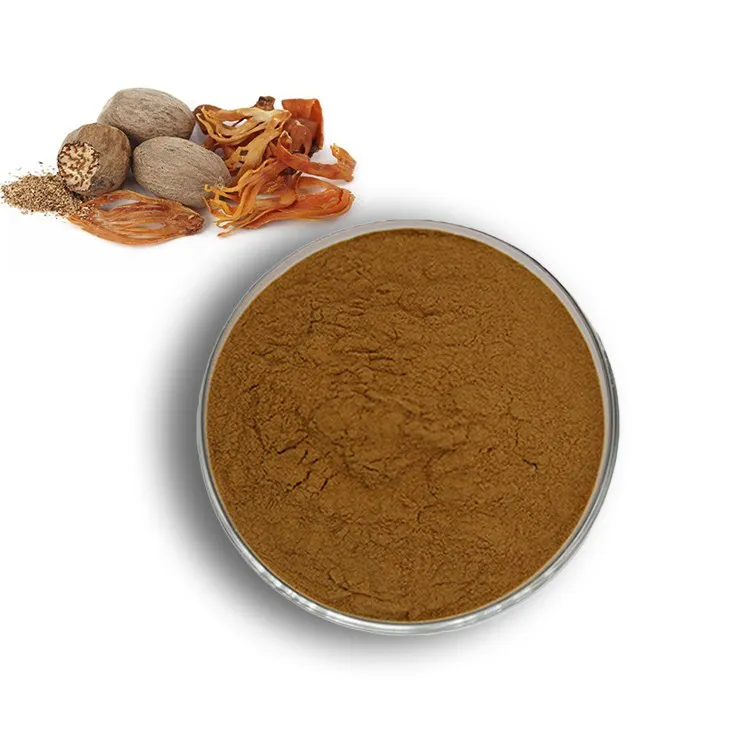
Nutmeg Extract
2026-11-14
-
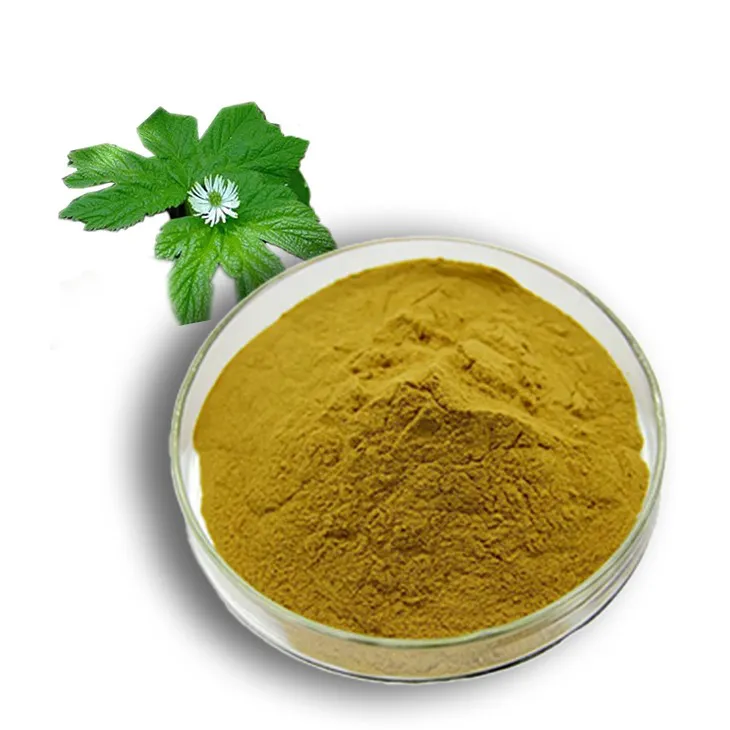
Golden Seal Extract
2026-11-14
-
5-HTP (5-Hydroxytryptophan)
2026-11-14
-
Stevia Extract
2026-11-14
-
Grapefruit Seed Extract Powder
2026-11-14
-
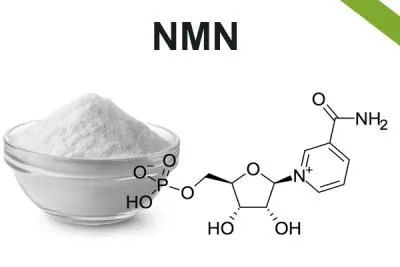
NMN (Nicotinamide Mononucleotide)
2026-11-14
-
Hericium erinaceus extract powder
2026-11-14
-
Beetroot Powder
2026-11-14
-
Saw Palmetto Extract
2026-11-14
-
Curcumin
2026-11-14