- 0086-571-85302990
- [email protected]




Curcumin Extract: Complete Guide to Anti-Inflammatory Science, Bioavailability & B2B Sourcing (2026)
2026-11-08
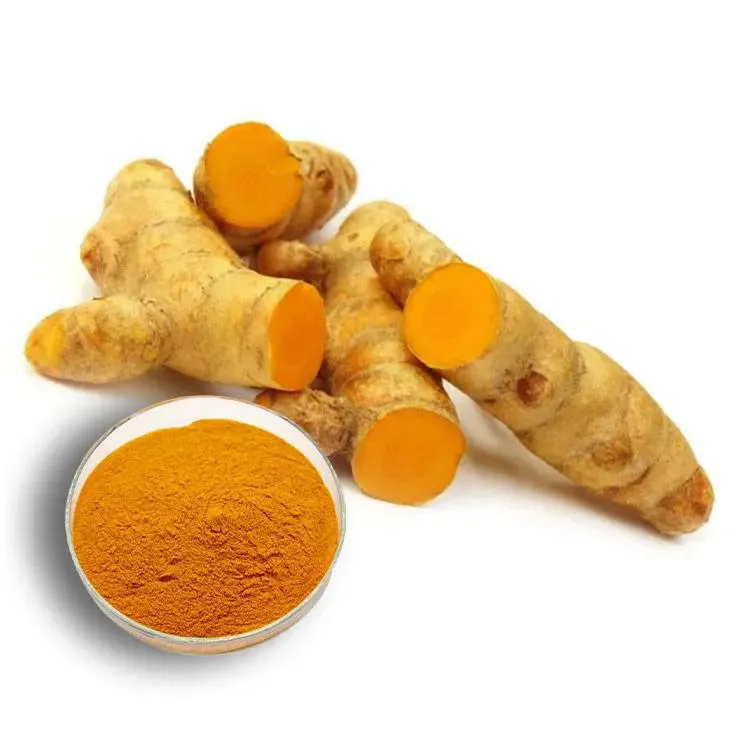
Table of Contents
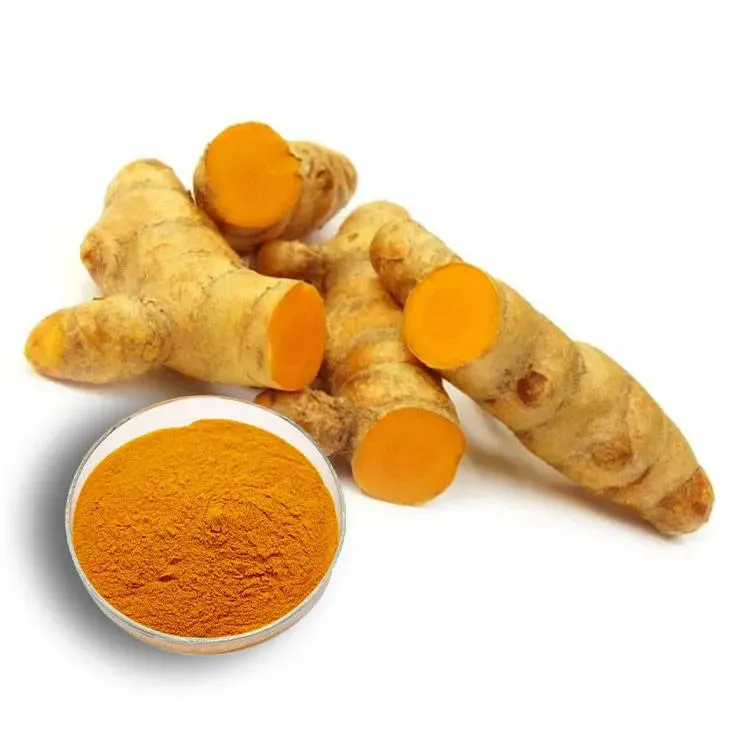
What Is Curcumin Extract and Why Is It the Leading Anti-Inflammatory Compound?
Curcumin is the primary bioactive polyphenol found in Curcuma longa (turmeric), a perennial herb of the Zingiberaceae family native to Southeast Asia. It has been used in Ayurvedic and Traditional Chinese Medicine for over 4,000 years and is now one of the most extensively researched botanical compounds in the world, with over 12,000 peer-reviewed publications.
Curcumin (diferuloylmethane, C₂₁H₂₀O₆) is responsible for turmeric's vibrant golden-yellow color and accounts for approximately 2–8% of most turmeric preparations. It belongs to a group of compounds called curcuminoids, which also include demethoxycurcumin and bisdemethoxycurcumin.
For B2B buyers in the dietary supplement, functional food, and cosmetic industries, Curcumin Extract represents a premium, high-demand ingredient with proven health benefits and a rapidly expanding global market — projected to reach USD 132.8 million by 2030.
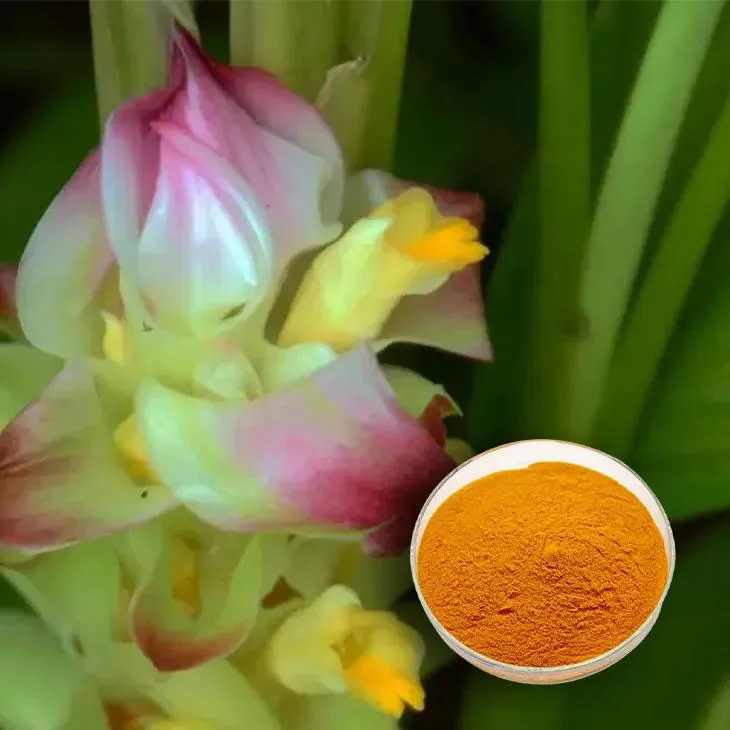
Active Compounds: Curcuminoids, Turmericol, and Essential Oils
A high-quality turmeric extract contains multiple bioactive fractions:
Compound Typical Content Primary Function Curcumin 75–95% (standardized) Anti-inflammatory, antioxidant Demethoxycurcumin 10–20% Anti-inflammatory, neuroprotective Bisdemethoxycurcumin 2–6% Antioxidant, antimicrobial Turmerone (aromatic turmerone) Variable Anti-inflammatory, neurogenesis support Essential oils (turmerol, zingiberene) Variable Bioavailability enhancement, antimicrobial
Standardization levels commonly available:
95% Curcuminoids — pharmaceutical and premium supplement grade
50% Curcuminoids — standard supplement grade
Full-spectrum extracts — retain natural curcuminoid ratios plus essential oils for enhanced bioavailability
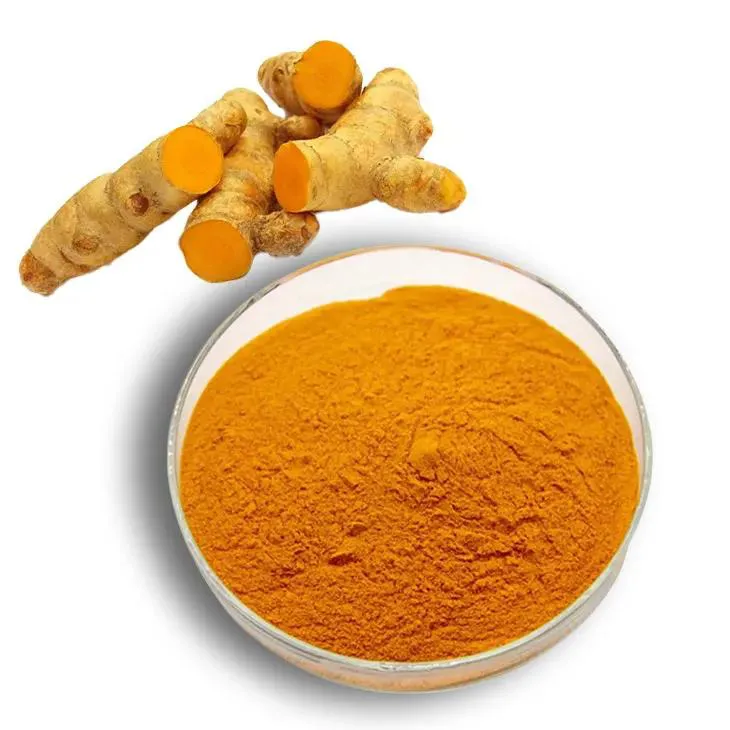
Clinical Evidence for Inflammation Reduction and Joint Health
Inflammatory Pathway Modulation
Curcumin's anti-inflammatory mechanism is multi-target, which distinguishes it from single-pathway NSAIDs:
NF-κB Inhibition — Curcumin blocks the nuclear factor kappa-B pathway, a master regulator of inflammatory gene expression. This reduces the production of pro-inflammatory cytokines including TNF-α, IL-1β, and IL-6.
COX-2 and LOX Inhibition — Similar to conventional anti-inflammatory drugs, curcumin downregulates cyclooxygenase-2 and lipoxygenase enzymes, reducing prostaglandin and leukotriene synthesis.
Nrf2 Pathway Activation — Curcumin activates the Nrf2 antioxidant response pathway, upregulating endogenous antioxidant enzymes (SOD, catalase, glutathione peroxidase).
Joint Health and Osteoarthritis
Multiple randomized controlled trials (RCTs) have demonstrated curcumin's efficacy in osteoarthritis management:
A 2016 meta-analysis of 8 RCTs (n=468) found Curcumin Extract significantly reduced WOMAC pain scores compared to placebo (p < 0.001).
In a comparative study, 1,000 mg/day of curcumin (with piperine) was as effective as 100 mg/day of diclofenac in reducing knee osteoarthritis symptoms, with fewer gastrointestinal adverse events.
The European Society for Clinical and Economic Aspects of Osteoporosis and Osteoarthritis (ESCEO) has acknowledged curcumin as a viable background therapy for knee OA.
Exercise-Induced Muscle Damage
Research published in the European Journal of Applied Physiology (2020) showed that 200 mg/day of highly bioavailable curcumin reduced markers of muscle damage (CK, LDH) and improved recovery time in endurance athletes by 25–35%.
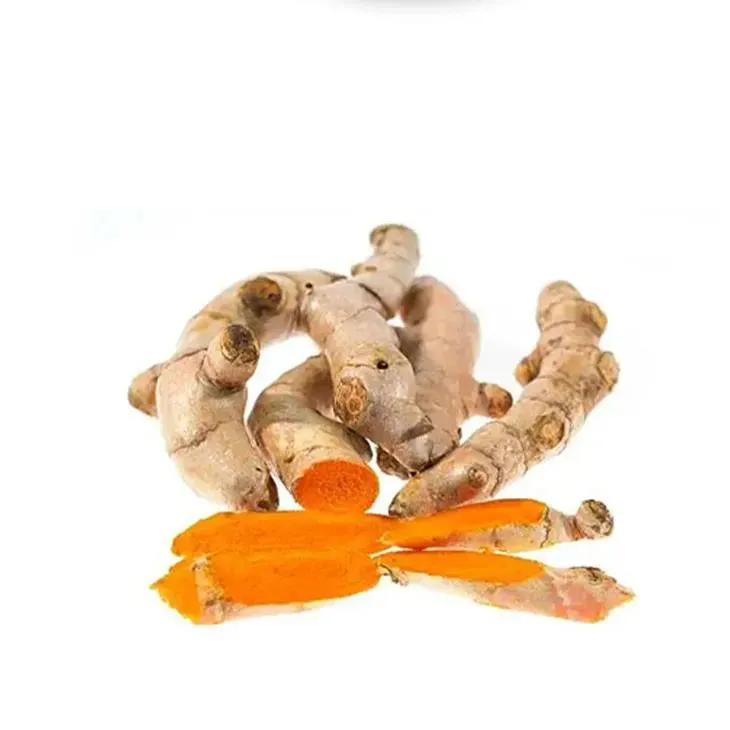
The Bioavailability Challenge: Piperine, Liposomal and Nanoparticle Solutions
The single biggest challenge with curcumin is its poor oral bioavailability — caused by low water solubility, rapid hepatic metabolism, and fast systemic elimination.
Proven Bioavailability Enhancement Strategies
1. Piperine (Bioperine®) CombinationThe landmark study by Shoba et al. (1998) demonstrated that adding 20 mg of piperine to 2,000 mg of curcumin increased bioavailability by 2,000% in humans. This remains the most cost-effective enhancement method.
2. Liposomal CurcuminEncapsulation in phospholipid liposomes (e.g., Meriva®) improves absorption by protecting curcumin from gastric degradation and enhancing lymphatic uptake. Clinical studies show 29x higher bioavailability vs. unformulated curcumin.
3. Nanoparticle/Micellar FormulationsTechnology such as NovaSOL® uses mixed micelle technology to create water-dispersible curcumin, achieving up to 185x higher bioavailability. This format is increasingly popular in beverage and gummy applications.
4. Turmeric Essential Oil ComplexFull-spectrum extracts that retain natural turmeric essential oils demonstrate 7x higher absorption than isolated curcumin, as the oils act as natural absorption enhancers.
B2B Recommendation
For B2B buyers, the choice of formulation depends on the end-product:
Capsules/tablets: 95% curcuminoids + piperine or phospholipid complex
Gummies/beverages: Micellar or water-dispersible curcumin
Topical cosmetics: Liposomal curcumin for enhanced skin penetration
Curcumin for Metabolic Health and Cardiovascular Support
Blood Lipid Management
A 2017 meta-analysis of 7 RCTs (n=649) found curcumin supplementation significantly:
Reduced LDL cholesterol by 12–18 mg/dL
Reduced triglycerides by 14–29 mg/dL
Increased HDL cholesterol by 3–6 mg/dL
Endothelial Function
Research in Nutrition Research (2019) demonstrated that curcumin improves endothelial function to a degree comparable to exercise and statin therapy, by upregulating endothelial nitric oxide synthase (eNOS) activity.
Blood Sugar Regulation
Curcumin has been shown to improve insulin sensitivity and reduce HbA1c in pre-diabetic populations. A study in Diabetes Care (2012) found that 250 mg/day of curcuminoid supplementation for 9 months reduced the incidence of pre-diabetes progressing to Type 2 diabetes to 0% vs. 16.4% in the placebo group.
Quality Markers: How to Identify Premium Curcumin Extract
When sourcing curcumin extract, B2B buyers should verify the following quality parameters:
Parameter Specification Test Method Curcuminoid content ≥95% (HPLC) HPLC-UV Heavy metals Pb < 1.0 ppm, As < 0.5 ppm, Cd < 0.5 ppm, Hg < 0.1 ppm ICP-MS Pesticide residues Compliant with EU/USP limits GC-MS / LC-MS/MS Microbiological limits TPC < 1,000 CFU/g, Yeast/Mold < 100 CFU/g, E. coli/Salmonella: ND USP <61> Solvent residues Compliant with ICH Q3C GC-FID Moisture < 5.0% Loss on drying Particle size D90 < 45 µm (for capsules) Laser diffraction Color value E10 (1%, 1 cm) ≥ 1,700 UV-Vis spectrophotometry
Manufacturing Process: From Turmeric Root to Standardized Extract
1. Raw Material SelectionPremium curcumin starts with high-curcumin turmeric varieties (typically from India, China, or Southeast Asia) with curcumin content ≥ 5% in dried rhizomes.
2. Cleaning and DryingFresh turmeric rhizomes are washed, sliced, and dried at controlled temperatures (< 60°C) to preserve curcuminoid integrity.
3. ExtractionSolvent extraction (ethanol or ethyl acetate) or supercritical CO₂ extraction to isolate curcuminoids from the dried rhizome.
4. Purification and StandardizationCrude extract is purified through crystallization or chromatography and standardized to target curcuminoid levels (typically 95%) using HPLC analysis.
5. Drying and MillingSpray drying or vacuum drying followed by micronization to achieve target particle size.
6. Quality ControlFull panel testing including HPLC assay, heavy metals, microbiological, pesticide residues, and solvent residues.
Certifications and Compliance for B2B Buyers
Reputable curcumin extract manufacturers should hold:
ISO 22000 / HACCP — Food safety management
BRCGS — Global food safety standard
Ecocert Organic — For organic-certified extracts
Kosher & Halal — Religious dietary compliance
FDA Registration — US market access
Novel Food (EU) — European market compliance
Applications in Dietary Supplements, Foods and Cosmetics
Dietary Supplements
Joint health formulas (often combined with boswellia, glucosamine, MSM)
General inflammation support
Cardiovascular health
Cognitive health (curcumin crosses the blood-brain barrier)
Sports recovery
Functional Foods & Beverages
Golden milk / turmeric lattes
Functional shots and juices
Gummy supplements (requires water-dispersible curcumin)
Cosmetics & Personal Care
Anti-aging serums (antioxidant protection)
Brightening creams (skin tone evening)
Anti-acne formulations (antimicrobial properties)
Sourcing Curcumin Extract from China: What B2B Buyers Need to Know
China is one of the world's major producers of turmeric extract, with significant production capacity in provinces including Fujian, Hunan, and Sichuan. When sourcing from Chinese manufacturers:
Key Considerations
GAP-Cultivated Raw Materials — Verify the manufacturer sources turmeric from Good Agricultural Practice (GAP) farms to ensure consistent curcumin content and low heavy metal risk.
In-House Testing Capability — Reputable suppliers operate independent laboratories with HPLC, GC-MS, and ICP-MS equipment for comprehensive quality verification.
Batch-to-Batch Consistency — Request historical COAs (Certificates of Analysis) for 5–10 consecutive batches to verify consistency in curcuminoid content and impurity profiles.
Supply Chain Transparency — Leading manufacturers provide full traceability from cultivation to finished extract, including planting location, harvest date, and extraction batch records.
Custom Formulation Capability — Premium suppliers offer custom standardization levels (e.g., 50%, 80%, 95% curcuminoids) and formulation partnerships (liposomal, micellar, piperine-enhanced).
At Greensky Bio
Hangzhou Greensky Biological Tech. Co., Ltd. specializes in natural plant extracts with over 20 years of experience. Our Jiangxi production facility operates under ISO 22000, BRCGS, Ecocert Organic, and SGS-GMP certifications, ensuring every batch meets the highest international standards. We provide comprehensive COAs, custom standardization options, and reliable supply for global B2B customers.
- ▶ Hesperidin
- ▶ Citrus Bioflavonoids
- ▶ Plant Extract
- ▶ lycopene
- ▶ Diosmin
- ▶ Grape seed extract
- ▶ Sea buckthorn Juice Powder
- ▶ Fruit Juice Powder
- ▶ Hops Extract
- ▶ Artichoke Extract
- ▶ Mushroom extract
- ▶ Astaxanthin
- ▶ Green Tea Extract
- ▶ Curcumin
- ▶ Horse Chestnut Extract
- ▶ Other Product
- ▶ Boswellia Serrata Extract
- ▶ Resveratrol
- ▶ Marigold Extract
- ▶ Grape Leaf Extract
- ▶ New Product
- ▶ Aminolevulinic acid
- ▶ Cranberry Extract
- ▶ Red Yeast Rice
- ▶ Red Wine Extract
- ▶ blog
-
Bitter Melon Extract
2026-11-08
-
Black Garlic Extract
2026-11-08
-
Hawthorn powder
2026-11-08
-
Resveratrol
2026-11-08
-
Troxerutin
2026-11-08
-
Shikonin
2026-11-08
-
Propolis Extract Powder
2026-11-08
-
Bamboo Leaf extract
2026-11-08
-
Nutmeg Extract
2026-11-08
-
Cat Claw Extract
2026-11-08