- 0086-571-85302990
- [email protected]




What Is Turmeric Extract? Curcumin Science, Anti-Inflammatory Benefits & B2B Sourcing Guide (2026)
2026-10-19
Meta Title: What Is Turmeric Extract? Curcumin Science & B2B Sourcing Guide (2026)Meta Description: Complete B2B guide to turmeric extract and Curcumin. Covers anti-inflammatory science, bioavailability enhancement, extraction methods, quality standards & sourcing for supplement manufacturers.Keywords: turmeric extract manufacturer, curcumin bulk supplier, curcumin 95% extract, anti-inflammatory plant extract, natural curcuminoid powder, turmeric root extract wholesale, curcumin bioavailability, Curcuma Longa Extract, B2B turmeric extract sourcing
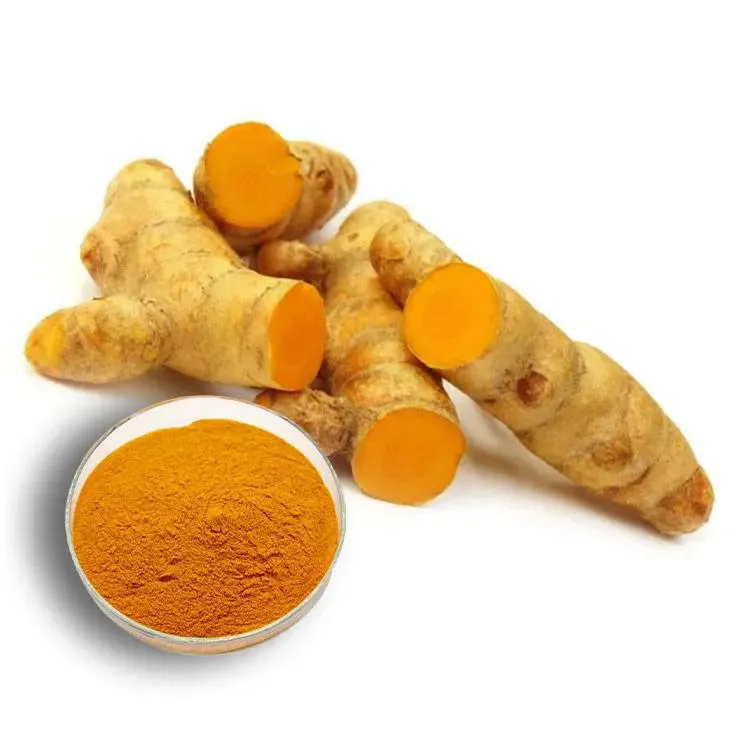
What Is Turmeric Extract?
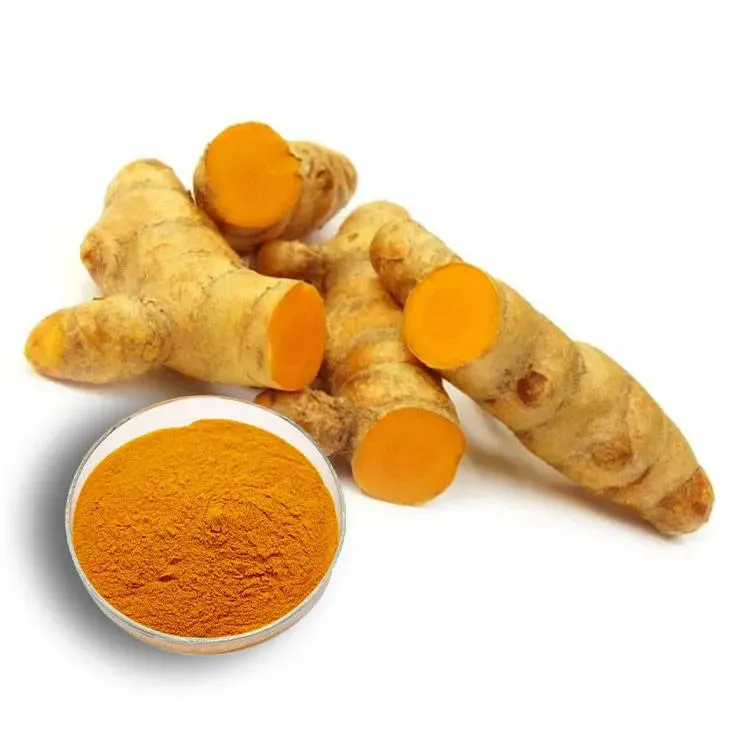
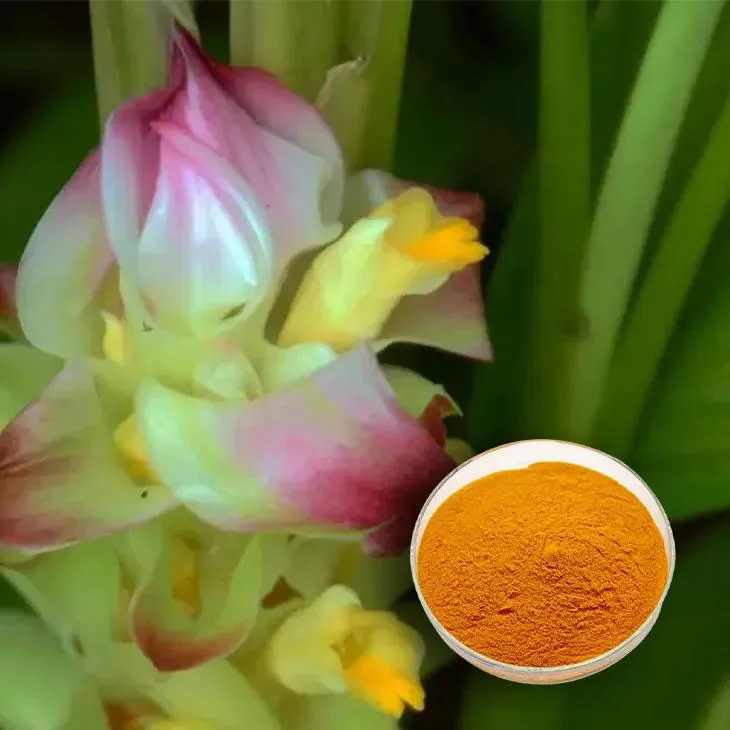
Turmeric extract is a concentrated botanical preparation derived from the rhizomes of Curcuma longa, a perennial herb belonging to the ginger family (Zingiberaceae). For over 4,000 years, turmeric has been a cornerstone of Ayurvedic and traditional Chinese medicine, valued for its vibrant golden-yellow color and remarkable therapeutic properties.
The primary active constituents of turmeric extract are curcuminoids — a group of naturally occurring polyphenolic compounds comprising curcumin (diferuloylmethane, approximately 77%), demethoxycurcumin (approximately 17%), and bisdemethoxycurcumin (approximately 6%). Among these, curcumin is the most extensively studied, with over 12,000 peer-reviewed publications documenting its biological activities.
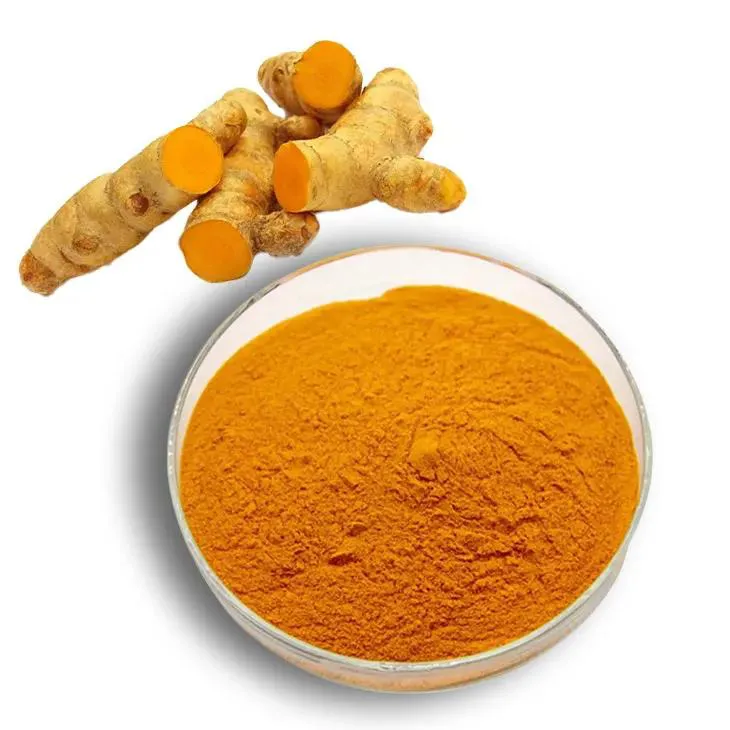
For dietary supplement manufacturers, nutraceutical formulators, and functional food developers, standardized turmeric extract (typically 95% curcuminoids) represents one of the most commercially significant and scientifically validated botanical ingredients in the global market. The global turmeric extract market is projected to reach USD 150–200 million by 2030, driven by growing consumer demand for natural anti-inflammatory solutions, joint health supplements, and clean-label functional ingredients.
This comprehensive guide explores the science of curcumin, its multi-system health benefits, bioavailability enhancement strategies, extraction methods, quality parameters, and essential considerations for B2B sourcing from a certified manufacturer.
The Science of Curcumin: Mechanisms of Action
Potent Anti-Inflammatory Activity
Curcumin's most celebrated property is its ability to modulate inflammation at the molecular level through multiple pathways:
NF-κB inhibition: Curcumin blocks the activation of nuclear factor-kappa B, a master transcription factor that regulates the expression of pro-inflammatory genes including TNF-α, IL-1β, IL-6, and COX-2.
COX-2 and LOX suppression: Curcumin reduces the activity of cyclooxygenase-2 and lipoxygenase enzymes, key mediators of the inflammatory cascade.
MAPK pathway modulation: Curcumin influences mitogen-activated protein kinase signaling, affecting cell proliferation, differentiation, and inflammatory responses.
Cytokine reduction: Clinical studies demonstrate significant reductions in circulating inflammatory markers (CRP, IL-6, TNF-α) following curcumin supplementation.
A landmark meta-analysis published in the Journal of Medicinal Food (2016) reviewed 15 randomized controlled trials and confirmed that curcumin supplementation significantly reduces circulating CRP, IL-6, and TNF-α levels — providing strong clinical evidence for its anti-inflammatory efficacy.
Powerful Antioxidant Capacity
Curcumin neutralizes free radicals through its phenolic hydroxyl groups and conjugated double-bond system:
Direct scavenging of reactive oxygen species (ROS) and reactive nitrogen species (RNS)
Upregulation of endogenous antioxidant enzymes (SOD, catalase, glutathione peroxidase) via Nrf2 pathway activation
Protection of cellular lipids, proteins, and DNA from oxidative damage
Nrf2 Pathway Activation
Curcumin activates the Nrf2 (nuclear factor erythroid 2-related factor 2) pathway, which regulates the expression of over 200 cytoprotective genes, including:
Heme oxygenase-1 (HO-1)
NAD(P)H quinone oxidoreductase 1 (NQO1)
Glutamate-cysteine ligase (GCL)
This makes curcumin a "master regulator" of cellular antioxidant defense — not just a direct scavenger, but an amplifier of the body's own protective mechanisms.
Top Science-Supported Benefits of Turmeric Extract
1. Joint Health & Osteoarthritis Management
Turmeric extract is one of the most widely used botanical ingredients for joint health:
Pain reduction: Multiple RCTs demonstrate curcumin's efficacy in reducing osteoarthritis pain, comparable to NSAIDs in some studies, without gastrointestinal side effects.
Inflammatory marker reduction: Studies show decreased CRP, IL-6, and ESR levels in osteoarthritis patients following curcumin supplementation (500–1,500 mg/day).
Functional improvement: Improved WOMAC (Western Ontario and McMaster Universities Osteoarthritis Index) scores, indicating better joint function and reduced stiffness.
Safety profile: Unlike NSAIDs, curcumin does not cause gastric ulceration or cardiovascular risk at standard doses.
A 2016 meta-analysis in the Journal of Medicinal Food found that 1,000 mg/day of curcumin provided pain relief comparable to ibuprofen in knee osteoarthritis patients, with significantly fewer adverse events.
2. Digestive Health & Gut Barrier Support
Curcumin supports gastrointestinal health through multiple mechanisms:
Anti-inflammatory action in the gut: Modulates NF-κB signaling in intestinal epithelial cells, reducing mucosal inflammation.
Gut barrier integrity: Enhances tight junction protein expression, reducing intestinal permeability ("leaky gut").
Microbiome modulation: Promotes beneficial bacterial growth while suppressing pathogenic organisms.
IBD support: Clinical evidence supports curcumin as an adjunct therapy in ulcerative colitis and Crohn's disease management.
3. Metabolic Health & Blood Sugar Support
Emerging research highlights curcumin's metabolic benefits:
Insulin sensitivity: Improved HOMA-IR scores in prediabetic and type 2 diabetic populations.
Lipid profile improvement: Reductions in total cholesterol, LDL cholesterol, and triglycerides in clinical trials.
Adipose tissue modulation: Suppression of adipogenesis and promotion of fatty acid oxidation.
Diabetes prevention: A landmark Thai study (Chuengsamarn et al., 2012) showed that curcumin supplementation (1.5 g/day, 9 months) prevented the progression from prediabetes to type 2 diabetes — zero cases in the curcumin group vs. 16.4% in placebo.
4. Brain Health & Cognitive Support
Curcumin crosses the blood-brain barrier and provides neuroprotective benefits:
Amyloid-beta modulation: Reduces amyloid plaque formation associated with Alzheimer's disease pathology.
BDNF elevation: Increases brain-derived neurotrophic factor, supporting neurogenesis and synaptic plasticity.
Anti-neuroinflammation: Suppresses microglial activation and neuroinflammatory cascades.
Mood support: Clinical trials demonstrate curcumin's efficacy as an adjunct treatment for depression, comparable to fluoxetine in some studies.
5. Skin Health & Photoprotection
Curcumin supports skin health through anti-inflammatory and antioxidant pathways:
UV photoprotection through ROS scavenging and NF-κB inhibition
Anti-acne activity via antimicrobial and anti-inflammatory effects
Wound healing support through enhanced collagen synthesis and angiogenesis
The Bioavailability Challenge and Solutions
The Problem: Poor Oral Bioavailability
Native curcumin has notoriously poor oral bioavailability due to:
Low aqueous solubility
Rapid metabolism in the liver (glucuronidation and sulfation)
Quick systemic elimination
Limited intestinal absorption
This means that unformulated curcumin powder may deliver less than 1% of the ingested dose into systemic circulation.
Evidence-Based Bioavailability Enhancement Strategies
Strategy Bioavailability Improvement Description Piperine (Bioperine®) co-administration 2,000% increase (20×) Piperine inhibits glucuronidation in the liver and intestine, dramatically extending curcumin's half-life Liposomal curcumin 8–10× improvement Curcumin encapsulated in phospholipid vesicles for enhanced cellular delivery Phytosome (curcumin-phosphatidylcholine complex) 20–30× improvement Molecular complexation with phospholipids improves solubility and absorption Micellar/nanoparticle curcumin 10–50× improvement Water-dispersible curcumin in micellar or nanoparticle form for superior absorption Turmeric essential oil + curcumin 7–10× improvement Natural turmerones in turmeric oil enhance curcumin bioavailability synergistically
GreenSky Bio supplies both standard 95% curcuminoid extract and advanced bioavailability-enhanced formulations, enabling manufacturers to choose the optimal format for their product positioning and price point.
Turmeric Extract Production: From Rhizome to Standardized Powder
Raw Material Sourcing
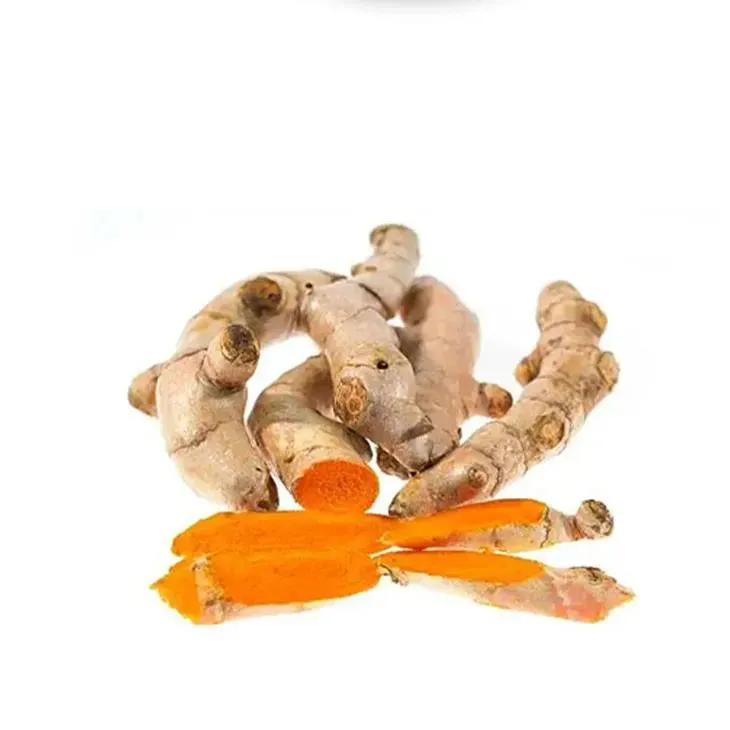
Premium turmeric extract begins with carefully selected Curcuma longa rhizomes:
Geographic origin: India (Erode, Sangli), Myanmar, and Southeast Asia are the primary growing regions with optimal curcumin content.
Harvest timing: Rhizomes are harvested 7–10 months after planting when curcuminoid content peaks.
Quality criteria: High curcuminoid content (3–5% in raw rhizome), low heavy metals, no pesticide residues, and proper curing/drying.
Extraction Process
Step Description 1. Cleaning & drying Fresh rhizomes are washed, boiled/steamed (to gelatinize starch), and dried to <10% moisture 2. Milling Dried rhizomes are ground to fine powder (80–100 mesh) 3. Solvent extraction Powder is extracted with food-grade ethanol or ethyl acetate to dissolve curcuminoids 4. Concentration Solvent is recovered and the extract is concentrated under reduced pressure 5. Crystallization Curcuminoids are crystallized to achieve standardized potency (typically 95% curcuminoids) 6. Drying & milling Crystallized curcumin is dried and milled to specification 7. Quality testing Comprehensive analysis per finished product specifications
GreenSky Bio implements GMP-standard production throughout the extraction process, ensuring consistent quality from raw material to finished extract.
Quality Standards & Testing
Key Specifications for 95% Curcuminoids Extract
Parameter Standard Curcuminoid Content ≥95% (HPLC) Individual Curcuminoids Curcumin ≥70%, Demethoxycurcumin ≥15%, Bisdemethoxycurcumin ≥8% Appearance Bright orange-yellow crystalline powder Loss on Drying ≤2.0% Ash Content ≤1.0% Heavy Metals Pb ≤2 ppm, As ≤1 ppm, Cd ≤1 ppm, Hg ≤0.1 ppm Pesticide Residues Compliant with EU/USP limits Microbiological Total plate count <1,000 CFU/g; E. coli negative; Salmonella negative Solvent Residues Compliant with ICH Q3C guidelines
Certifications
GreenSky Bio's turmeric extract production is supported by ISO22000, BRCGS, Ecocert Organic Standard, and SGS-GMP certifications, ensuring compliance with international quality and food safety standards.
B2B Sourcing: Key Considerations for Buyers
What to Verify When Sourcing Turmeric Extract
Curcuminoid profile: Confirm HPLC analysis showing curcumin, demethoxycurcumin, and bisdemethoxycurcumin proportions — not just total curcuminoids.
Heavy metal screening: Essential given turmeric's tendency to accumulate lead and other heavy metals from soil.
Adulteration testing: Verify testing for synthetic dyes (metanil yellow, lead chromate) and starch adulteration — common issues in the turmeric supply chain.
Bioavailability format: Determine whether standard 95% extract or enhanced-bioavailability format best suits your product positioning.
Supply chain traceability: Request documentation of raw material origin, extraction batch records, and third-party testing reports.
Regulatory compliance: Ensure compliance with target market regulations (FDA GRAS, EU Novel Food, FSSAI, etc.).
GreenSky Bio's Advantages
20+ years experience in natural plant extract R&D and production
ISO22000, BRCGS, Ecocert, SGS-GMP certified production facilities
Independent laboratory equipped with HPLC, GC, UV for comprehensive quality testing
Annual production capacity of 500+ tons of herb extracts
Global export experience — main markets include Europe, USA, South Korea, and Russia
Custom specification support — tailored curcuminoid ratios and bioavailability formats
- ▶ Hesperidin
- ▶ Citrus Bioflavonoids
- ▶ Plant Extract
- ▶ lycopene
- ▶ Diosmin
- ▶ Grape seed extract
- ▶ Sea buckthorn Juice Powder
- ▶ Fruit Juice Powder
- ▶ Hops Extract
- ▶ Artichoke Extract
- ▶ Mushroom extract
- ▶ Astaxanthin
- ▶ Green Tea Extract
- ▶ Curcumin
- ▶ Horse Chestnut Extract
- ▶ Other Product
- ▶ Boswellia Serrata Extract
- ▶ Resveratrol
- ▶ Marigold Extract
- ▶ Grape Leaf Extract
- ▶ New Product
- ▶ Aminolevulinic acid
- ▶ Cranberry Extract
- ▶ Red Yeast Rice
- ▶ Red Wine Extract
- ▶ blog
-
Scutellaria Extract
2026-10-19
-
Buckthorn bark extract
2026-10-19
-
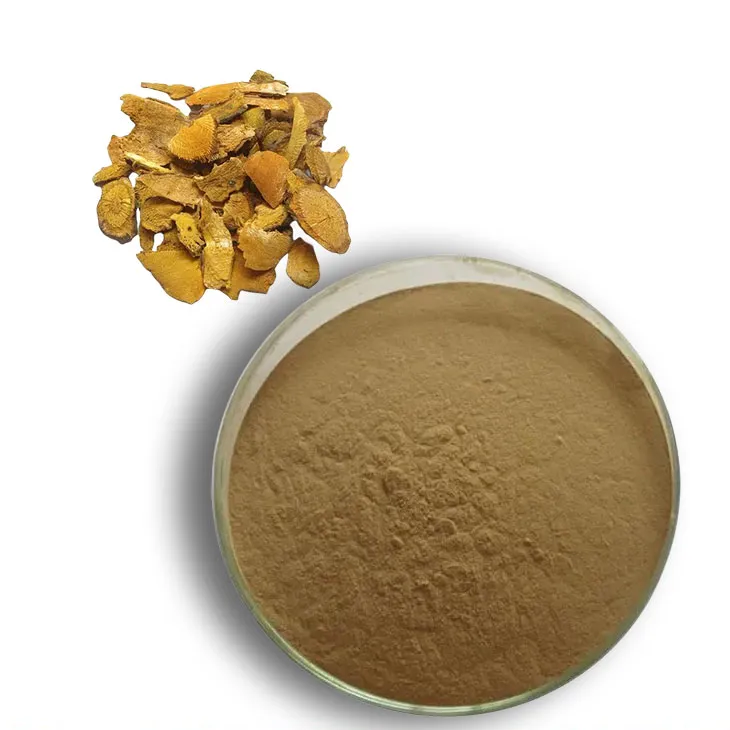
Polygonum Cuspidatum Extract
2026-10-19
-
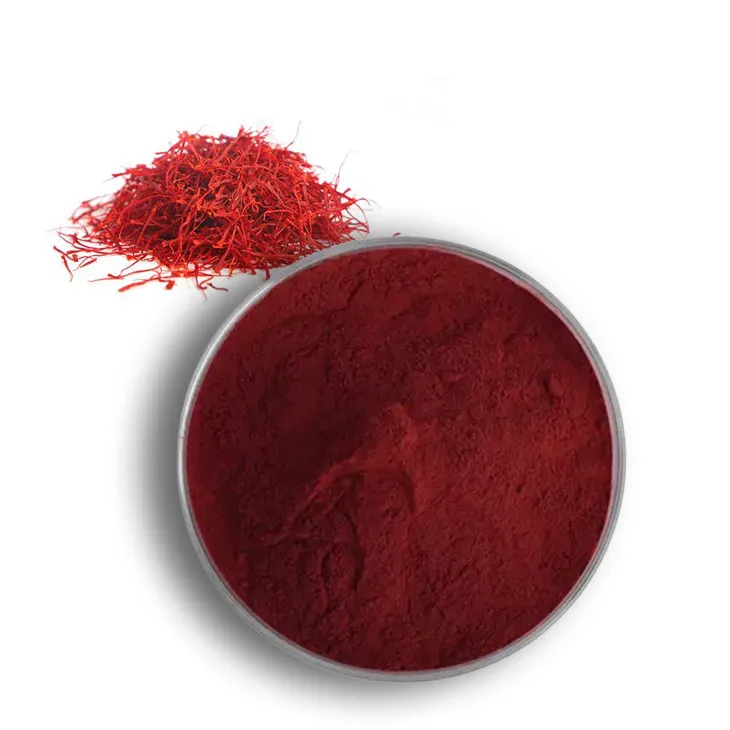
Saffron Extract Powder
2026-10-19
-
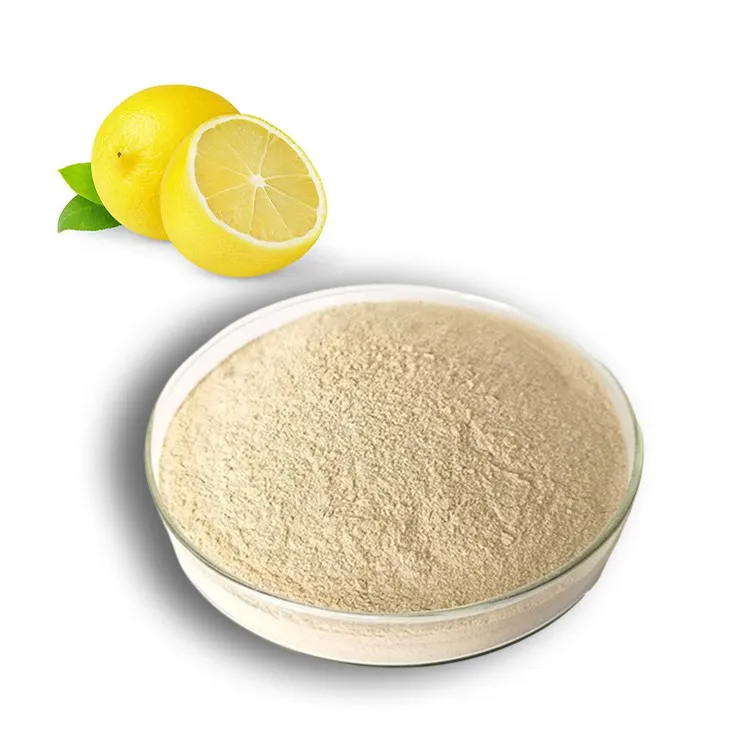
Lemon Extract
2026-10-19
-
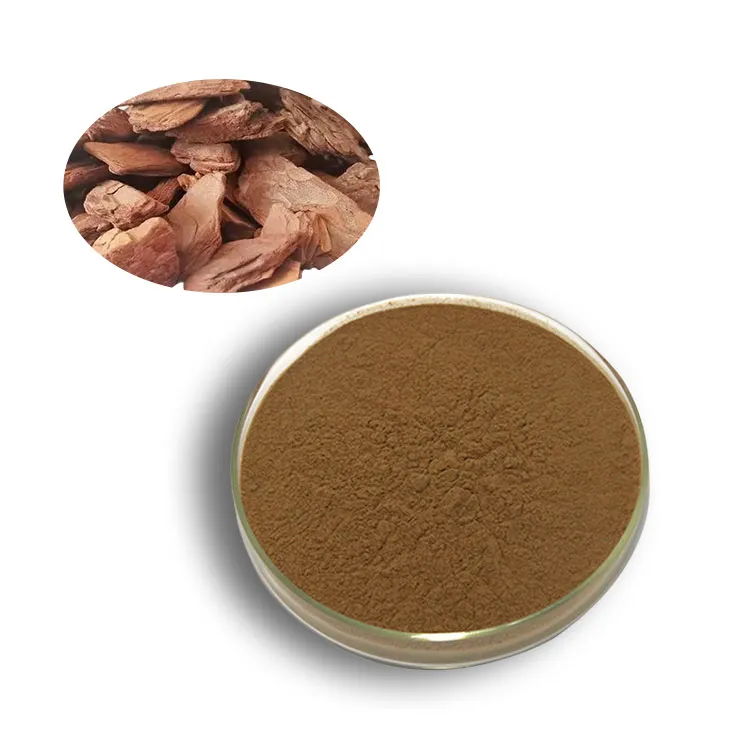
Pine bark Extract Powder
2026-10-19
-
Phellodendron Extract
2026-10-19
-
Magnolia Bark Extract
2026-10-19
-
Maitake Mushroom Extract
2026-10-19
-
Rose Hip Extract
2026-10-19