- 0086-571-85302990
- [email protected]




Curcumin (Turmeric Extract): The Complete B2B Buyer's Guide to Sourcing High-Purity Curcuminoids
2026-10-03
Curcumin (Turmeric Extract): The Complete B2B Buyer's Guide to Sourcing High-Purity Curcuminoids
In the global nutraceutical market, few botanical ingredients have achieved the sustained commercial success and scientific validation of Curcumin (turmeric extract). From dietary supplements targeting joint health and inflammation management to functional foods and cosmetics, curcuminoids have become a cornerstone raw material for brands worldwide. Yet as demand surges, sourcing high-quality, consistent Curcumin Extract at commercial scale has never been more critical — or more complex.
This guide provides procurement professionals, product developers, and quality managers at supplement brands and nutraceutical manufacturers with everything needed to evaluate, specify, and procure high-purity curcuminoids from [natural plant extract](https://www.greenskybio.com/) suppliers. Whether you are formulating a new anti-inflammatory capsule, upgrading an existing turmeric product line, or qualifying a new supplier, the information below will help you make informed purchasing decisions.
What Is Curcumin (Turmeric Extract)?
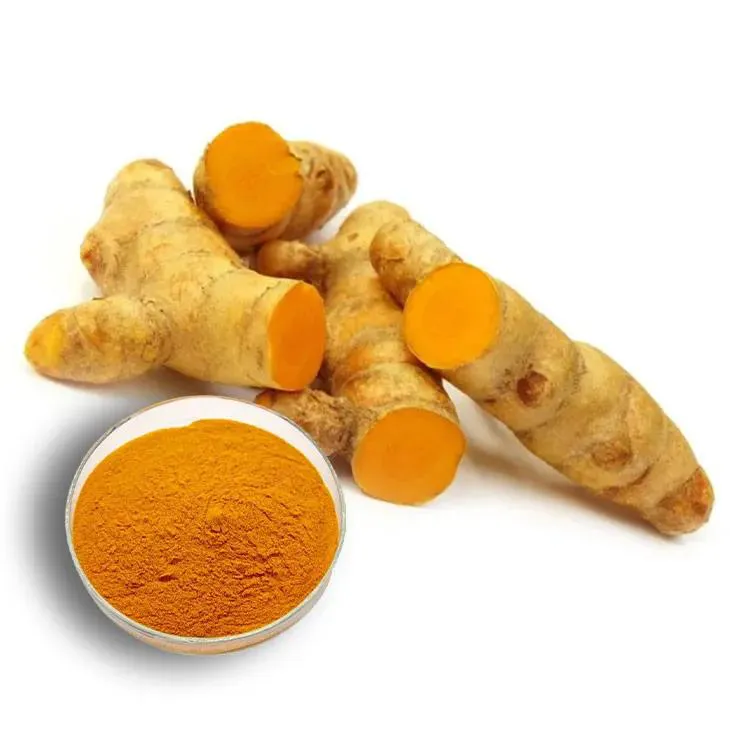
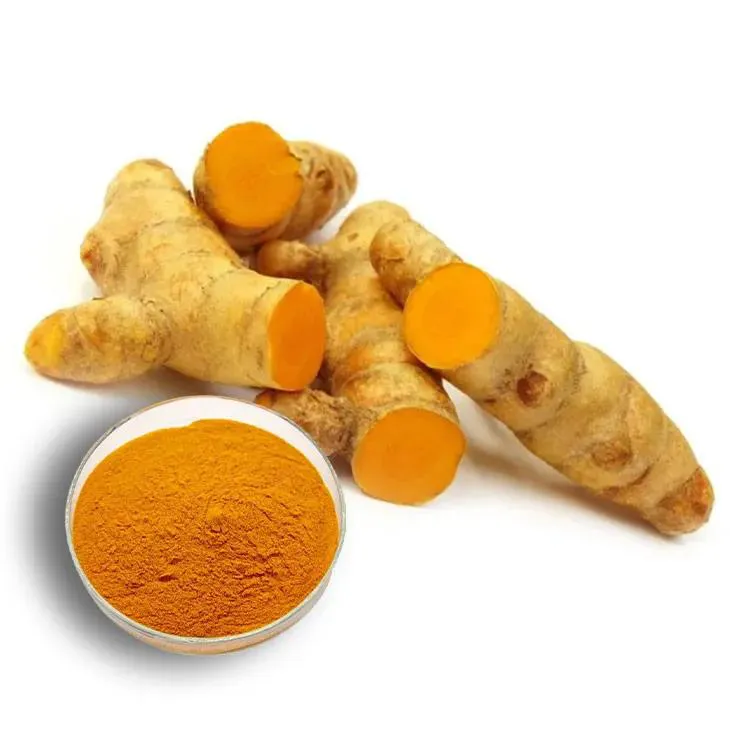
Curcumin is the principal bioactive compound found in the rhizomes of Curcuma longa L., a perennial herbaceous plant belonging to the Zingiberaceae (ginger) family. Commonly known as turmeric, this plant has been used for millennia in Ayurvedic and traditional Chinese medicine. Modern science has confirmed that the therapeutic properties of turmeric derive primarily from a group of polyphenolic compounds collectively called curcuminoids.
Commercial turmeric extract is produced through solvent extraction or supercritical CO₂ extraction of dried Curcuma longa rhizomes, followed by concentration and standardization to specific curcuminoid content levels. The resulting product is a bright orange-yellow powder that is standardized to contain defined percentages of total curcuminoids, typically ranging from 5% to 95% depending on the intended application.
It is important to distinguish between turmeric powder (dried, ground rhizome with approximately 2-5% total curcuminoids) and turmeric extract / Curcumin Extract (concentrated, standardized preparation). For most B2B applications in the supplement and pharmaceutical industries, standardized extracts are preferred because they deliver consistent, quantified active compound levels per dose.
When sourcing from a [plant extract manufacturer](https://www.greenskybio.com/), buyers should always request a Certificate of Analysis (CoA) specifying the exact curcuminoid profile, not just "turmeric extract" as a generic designation.
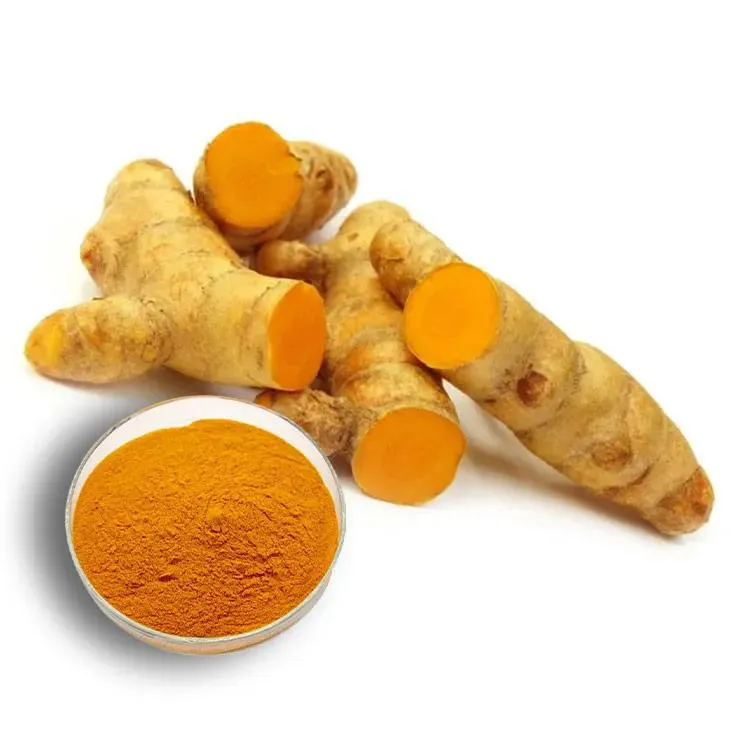
Key Bioactive Compounds in Turmeric Extract
Understanding the curcuminoid profile is essential for product specification and quality control. The three primary curcuminoids in Curcuma longa extract are:
Curcumin (Diferuloylmethane, C₂₁H₂₀O₆)
Curcumin is the most abundant and extensively studied curcuminoid, typically comprising 70-80% of total curcuminoids in standardized extracts. It is a diarylheptanoid with a molecular weight of 368.38 g/mol. Curcumin is responsible for the majority of the anti-inflammatory, antioxidant, and NF-κB inhibitory activity documented in clinical and preclinical studies. It exhibits a characteristic yellow-orange color and is the primary marker compound used for quality standardization.
Demethoxycurcumin (C₂₀H₁₈O₅)
Demethoxycurcumin typically accounts for 15-20% of total curcuminoids. Structurally similar to curcumin but with one fewer methoxy group, it retains significant anti-inflammatory and antioxidant properties. Research suggests demethoxycurcumin may have superior cellular uptake compared to curcumin itself, making it an important contributor to the overall bioactivity of turmeric extract. It is routinely quantified alongside curcumin in HPLC-based quality testing.
Bisdemethoxycurcumin (C₁₉H₁₆O₄)
Bisdemethoxycurcumin is the least abundant of the three major curcuminoids, typically representing 2-10% of total curcuminoids. Despite its lower concentration, bisdemethoxycurcumin has demonstrated unique biological activity, including anti-angiogenic and antimicrobial effects. Its presence in a standardized Curcumin Extract profile indicates a full-spectrum extraction process that preserves the natural compound ratio of the source rhizome.
The total curcuminoid content — the sum of all three compounds — is the standard metric for grading turmeric extract quality. High-purity curcumin extracts are standardized to 95% total curcuminoids by HPLC, while food-grade and general supplement extracts range from 5% to 50%.
In addition to curcuminoids, turmeric rhizomes contain turmerones (aromatic turmerone, alpha-turmerone, and beta-turmerone), which are volatile sesquiterpenes with their own bioactive properties. Full-spectrum turmeric extracts that retain both curcuminoids and turmerones are gaining popularity in the market, though they require different extraction and stabilization processes. A reliable [botanical extract](https://www.greenskybio.com/) supplier can produce both standardized curcuminoid extracts and full-spectrum preparations depending on your formulation needs.
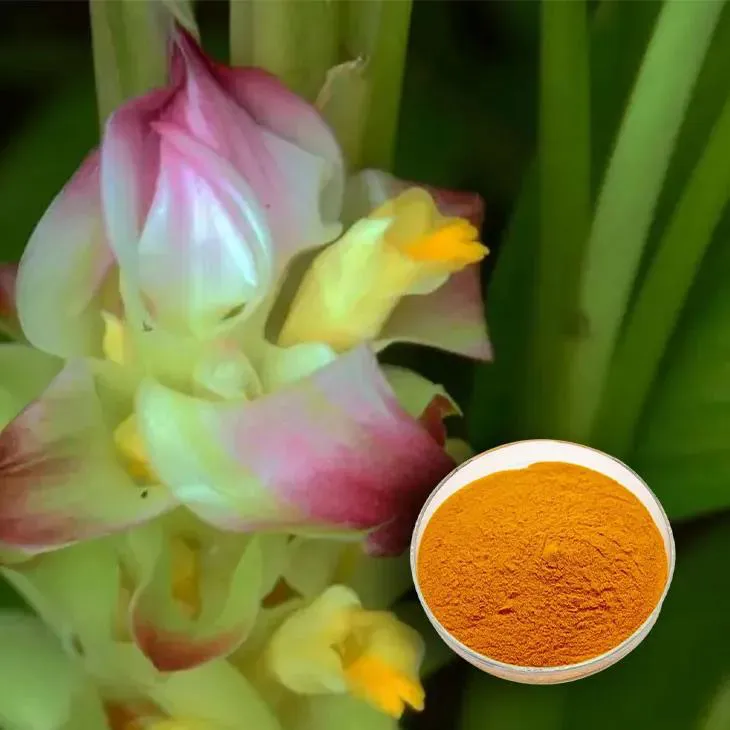
Clinically Supported Health Benefits of Curcumin
The commercial demand for curcumin is driven by a substantial body of clinical evidence. Understanding the science behind these benefits helps product developers position turmeric-based supplements effectively and justify raw material investment.
Anti-Inflammatory Activity
Curcumin's anti-inflammatory mechanism is among the most well-documented of any natural compound. It inhibits the activity of nuclear factor-kappa B (NF-κB), a transcription factor that regulates the expression of genes involved in inflammation. Curcumin also downregulates cyclooxygenase-2 (COX-2), lipoxygenase (LOX), and inducible nitric oxide synthase (iNOS). Multiple randomized controlled trials have demonstrated that curcumin supplementation at doses of 500-1,500 mg/day significantly reduces inflammatory biomarkers including C-reactive protein (CRP), interleukin-6 (IL-6), and tumor necrosis factor-alpha (TNF-α).
Antioxidant and Free Radical Scavenging
The phenolic structure of curcuminoids confers potent free radical scavenging capacity. Curcumin directly neutralizes reactive oxygen species (ROS) and reactive nitrogen species (RNS), while also upregulating endogenous antioxidant enzymes including superoxide dismutase (SOD), catalase, and glutathione peroxidase. The Oxygen Radical Absorbance Capacity (ORAC) value of pure curcumin exceeds 100,000 µmol TE/100g, placing it among the most powerful natural antioxidants available for supplement formulation.
Joint Health and Mobility
Clinical studies specifically targeting osteoarthritis and rheumatoid arthritis patients have shown that curcumin supplementation improves joint function and reduces pain scores. A landmark study published in the Journal of Medicinal Food found that 1,000 mg/day of curcumin extract was comparable to ibuprofen in reducing WOMAC (Western Ontario and McMaster Universities Osteoarthritis Index) pain scores in knee osteoarthritis patients, with a superior gastrointestinal tolerability profile. This evidence base has made curcumin a leading natural ingredient in the joint health supplement category, which exceeded USD 3.5 billion in global retail sales in 2023.
Cognitive and Neuroprotective Support
Emerging clinical evidence suggests curcumin may support brain health through multiple mechanisms, including amyloid-beta plaque modulation, brain-derived neurotrophic factor (BDNF) upregulation, and neuroinflammation reduction. While this area of research is still evolving, several curcumin-based cognitive support products have entered the market, driven by growing consumer interest in brain health and healthy aging.
Digestive Health and Gut Microbiome
Curcumin has been studied for its role in supporting gastrointestinal health, including management of symptoms associated with irritable bowel syndrome (IBS) and inflammatory bowel disease (IBD). Its antimicrobial properties also contribute to healthy gut microbiome balance. These findings have positioned curcumin as a dual-purpose ingredient in the digestive health supplement segment.
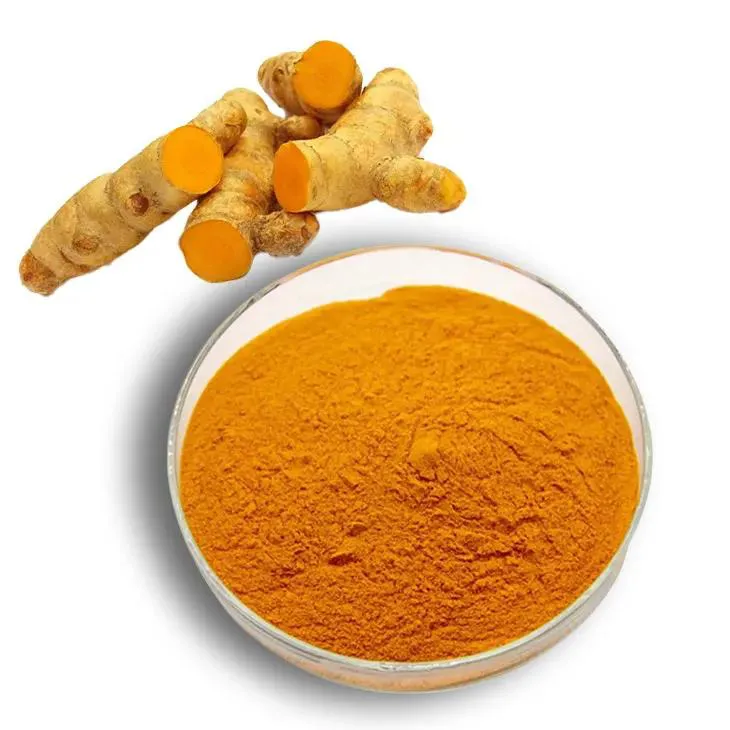
Extraction and Production Process: Industrial-Scale Manufacturing
Understanding how curcumin extract is manufactured at industrial scale is critical for evaluating supplier capability and product quality. The production of commercial-grade curcuminoids involves several sequential stages, each of which affects the final product's purity, bioactivity, and consistency.
Stage 1: Raw Material Sourcing and Inspection
The process begins with dried Curcuma longa rhizomes, primarily sourced from India, China, and Southeast Asia. Quality of the starting material directly impacts extraction yield and curcuminoid profile. Leading suppliers perform incoming inspection for moisture content (typically <10%), curcuminoid content (2-5% in raw rhizome), heavy metals, pesticide residues, and microbial load before accepting raw material batches.
Stage 2: Extraction
The primary extraction of curcuminoids from turmeric rhizomes is typically performed using food-grade ethanol or acetone as the extraction solvent. The process involves:
Grinding and milling of dried rhizomes to increase surface area for efficient extraction
Solvent extraction in multi-functional extraction tanks, typically at controlled temperatures (50-70°C) over 2-4 extraction cycles
Filtration and concentration of the extract to remove solvent and crude impurities, yielding a concentrated oleoresin or crude extract
Industrial-scale operations use multi-functional extraction tanks (commonly 2-6 ton capacity) with precise temperature and agitation control to maximize yield while preserving curcuminoid integrity. The choice of solvent affects both yield and regulatory compliance — ethanol-extracted products are preferred for dietary supplement and food applications due to their clean-label status.
Stage 3: Purification and Standardization
The crude turmeric extract undergoes further purification to achieve the target curcuminoid concentration. This may involve:
Crystallization to isolate curcuminoids from other extract components
Recrystallization for high-purity products (95%+ curcuminoids)
Standardization by blending crystallized curcumin with lower-purity extract or carrier materials to achieve exact specification levels (e.g., 5%, 25%, 50%, 95%)
Microencapsulation for enhanced water solubility and bioavailability (optional, depending on product format)
Stage 4: Quality Control and Testing
Every batch of curcumin extract should undergo comprehensive quality testing in an independent laboratory equipped with HPLC (High Performance Liquid Chromatography) for curcuminoid quantification, GC (Gas Chromatography) for residual solvent analysis, UV spectrophotometry for total curcuminoid screening, and ICP-MS for heavy metal analysis. Microbiological testing covers total plate count, yeast and mold, E. coli, Salmonella, and Staphylococcus aureus.
A reputable [natural plant extract](https://www.greenskybio.com/) manufacturer maintains a complete quality management system covering incoming raw materials, in-process controls, and finished product release — with full traceability from raw material lot to finished batch.
Stage 5: Drying, Milling, and Packaging
The purified and standardized extract is dried (typically spray drying or vacuum drying) and milled to a consistent particle size (usually 80-120 mesh for capsule and tablet formulations). Final packaging is performed in food-grade, moisture-proof containers — typically 25 kg fiber drums with double polyethylene liners — under controlled clean area conditions to prevent contamination.
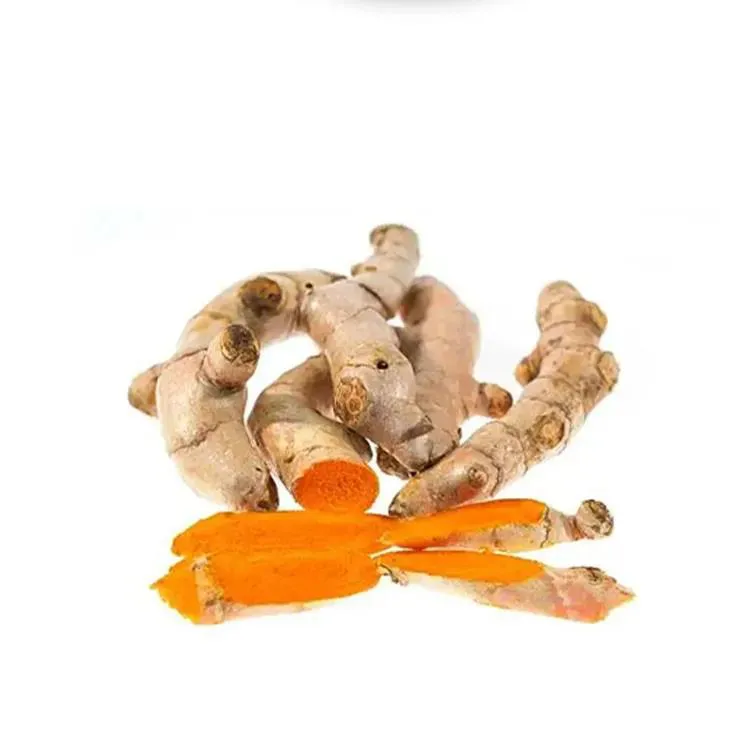
Quality Specifications for Curcumin (Turmeric Extract)
When procuring curcumin extract, buyers should establish clear specifications with their supplier. The table below outlines typical quality parameters for a 95% curcuminoid extract — the highest purity grade commonly available for dietary supplement and pharmaceutical applications.
| Parameter | Specification | Test Method |
|---|---|---|
| Botanical Source | Curcuma longa L. rhizome | Macroscopic / Microscopic |
| Appearance | Orange-yellow to deep orange fine powder | Visual |
| Total Curcuminoids (HPLC) | ≥ 95.0% | HPLC-UV |
| Curcumin | ≥ 70.0% | HPLC-UV |
| Demethoxycurcumin | 15.0% - 20.0% | HPLC-UV |
| Bisdemethoxycurcumin | 2.0% - 10.0% | HPLC-UV |
| Loss on Drying | ≤ 5.0% | USP <731> |
| Residue on Ignition (Ash) | ≤ 1.0% | USP <281> |
| Heavy Metals (Total) | ≤ 10 ppm | ICP-MS |
| Lead (Pb) | ≤ 2.0 ppm | ICP-MS |
| Arsenic (As) | ≤ 1.0 ppm | ICP-MS |
| Cadmium (Cd) | ≤ 1.0 ppm | ICP-MS |
| Mercury (Hg) | ≤ 0.1 ppm | ICP-MS |
| Residual Solvents | Complies with ICH Q3C limits | GC-FID / GC-MS |
| Pesticide Residues | Complies with EU/USP limits | GC-MS / LC-MS/MS |
| Total Plate Count | ≤ 1,000 CFU/g | USP <2021> |
| Yeast & Mold | ≤ 100 CFU/g | USP <2021> |
| E. coli | Negative in 1g | USP <2022> |
| Salmonella | Negative in 25g | USP <2022> |
| Particle Size | 100% through 80 mesh | Sieve analysis |
For lower-grade curcumin extracts (5%, 25%, 50%), the total curcuminoid specification is adjusted accordingly, and carrier materials such as maltodextrin or silicon dioxide may be included. Buyers should always request both a specification sheet and a batch-specific Certificate of Analysis (CoA) before placing an order. A trustworthy [plant extract manufacturer](https://www.greenskybio.com/) will provide these documents transparently and upon request.
Applications and Formulation Guidelines
Curcumin extract is one of the most versatile botanical ingredients in the nutraceutical industry. Its applications span multiple product categories and delivery formats. Below are the primary B2B application areas and practical formulation considerations.
Dietary Supplements
Capsules and tablets represent the largest market for curcumin extract. Standard dosing ranges from 250 mg to 1,000 mg per serving of curcumin extract (standardized to 95% curcuminoids). For enhanced bioavailability, formulators increasingly combine curcumin with:
Piperine (black pepper extract) — shown in clinical studies to increase curcumin bioavailability by up to 2,000% through inhibition of glucuronidation in the liver and intestinal wall
Phospholipid complexes (e.g., phytosome technology) — improve absorption through lipid-based delivery
Micellar and nanoparticle formulations — enhance water dispersibility and intestinal absorption
Liposomal encapsulation — provides targeted delivery and improved stability
For capsule formulations, curcumin extract's natural flow properties should be considered. High-purity (95%) curcumin can be cohesive; adding flow agents such as silicon dioxide (0.5-1.0%) or magnesium stearate (1-2%) is standard practice.
Functional Foods and Beverages
Curcumin's vibrant color and health positioning make it attractive for functional food applications. However, its poor water solubility presents formulation challenges. Water-dispersible curcumin grades (typically 1-10% curcuminoid content with solubilizing carriers) are available for beverage, dairy, and confectionery applications. Usage levels in functional foods typically range from 10-100 mg curcuminoids per serving.
Cosmetics and Personal Care
The antioxidant and anti-inflammatory properties of curcumin have driven its adoption in skin care formulations. Turmeric extract is used in creams, serums, masks, and cleansers targeting anti-aging, brightening, and acne management. Cosmetic-grade curcumin is typically standardized to 5-25% curcuminoids and must meet cosmetic ingredient regulations including REACH compliance for EU markets.
Pharmaceutical and Medical Nutrition
Pharmaceutical-grade curcumin (95%+ with pharmacopeial compliance) is used in clinical research and medical nutrition products. Specifications for this grade include pharmacopeial monograph compliance (USP, EP, or ChP), stringent impurity profiling, and batch-to-batch consistency verified through fingerprint chromatography.
When selecting a [botanical extract](https://www.greenskybio.com/) supplier for any of these applications, ensure the supplier can provide the appropriate grade — from food-grade turmeric extract to pharmaceutical-grade curcumin — and has the regulatory documentation (DMF, CEP, or Kosher/Halal certificates) required for your target market.
Why Choose Greensky Bio as Your Curcumin / Turmeric Extract Supplier?
Selecting the right turmeric extract supplier is one of the most consequential procurement decisions a supplement brand can make. Product quality, regulatory compliance, supply reliability, and technical support all depend on your manufacturing partner. Here is why Greensky Bio stands out as a trusted [plant extract manufacturer](https://www.greenskybio.com/) for curcumin and turmeric extract:
Established Track Record Since 2004
With over 20 years of experience in the botanical extract industry, Greensky Bio has built deep expertise in curcumin extraction, purification, and standardization. Two decades of continuous operation means the company has refined its processes through thousands of production batches, giving you confidence in product consistency and supply reliability.
Internationally Recognized Certifications
Greensky Bio's quality management system is certified to the highest international standards:
ISO 22000 — Food Safety Management System
BRCGS — Global Standard for Food Safety (Grade A audited)
Ecocert — Organic certification for organic-grade turmeric extracts
SGS-GMP — Good Manufacturing Practice certification audited by SGS
These certifications ensure that every batch of curcumin extract is produced under controlled, documented, and auditable conditions — a requirement for supplying to regulated markets in Europe, North America, and beyond.
$30 Million in Annual Exports, Global Market Reach
Greensky Bio exports over USD 30 million in botanical extracts annually, serving customers across Europe, the United States, South Korea, Russia, and other key nutraceutical markets. This scale of international trade demonstrates both production capacity and the ability to meet diverse regulatory requirements across jurisdictions.
Industrial-Scale Manufacturing Infrastructure
The production facility features 6-ton multi-functional extraction tanks capable of handling large-volume curcumin production runs with precise process control. A 100,000-class clean area (equivalent to ISO Class 8) ensures that drying, milling, and packaging operations are conducted under controlled environmental conditions, minimizing microbial and particulate contamination risks.
Independent Quality Control Laboratory
Greensky Bio operates an independent quality control laboratory equipped with advanced analytical instrumentation including:
HPLC (High Performance Liquid Chromatography) — for precise curcuminoid quantification and fingerprint profiling
GC (Gas Chromatography) — for residual solvent and volatile compound analysis
UV Spectrophotometry — for rapid total curcuminoid screening
This in-house analytical capability ensures that every batch is tested and released against specification before shipment, reducing the risk of quality failures at the buyer's end.
Technical Support and Custom Solutions
Beyond standard curcumin extract grades, Greensky Bio's R&D team can develop custom specifications including tailored curcuminoid ratios, enhanced-bioavailability formulations, organic-certified products, and application-specific blends. This flexibility makes Greensky Bio a strategic partner rather than just a commodity supplier.
For procurement teams evaluating [natural plant extract](https://www.greenskybio.com/) suppliers, Greensky Bio offers the combination of proven scale, certified quality, global experience, and technical capability required to support a growing curcumin product line.
Frequently Asked Questions
Q1: What is the difference between turmeric powder and curcumin extract?
A: Turmeric powder is simply dried and ground Curcuma longa rhizome, containing approximately 2-5% total curcuminoids by weight. Curcumin extract, by contrast, is a concentrated and standardized preparation where the curcuminoid content has been enriched through extraction and purification processes. Curcumin extracts are available in various standardized grades (5%, 25%, 50%, 95% total curcuminoids). For dietary supplements requiring a defined, consistent dose of active compounds, curcumin extract is the appropriate choice. Turmeric powder may be suitable for culinary applications or products where the full rhizome matrix (including fiber and non-curcuminoid compounds) is desired.
Q2: How can I verify the quality of a curcumin extract before placing a large order?
A: We recommend a multi-step verification process: (1) Request a current Certificate of Analysis (CoA) from a recent production batch and verify that curcumin, demethoxycurcumin, and bisdemethoxycurcumin are individually quantified by HPLC; (2) Request the supplier's quality certifications (ISO 22000, BRCGS, GMP, etc.); (3) Order a pre-shipment sample for in-house or third-party testing to confirm the specifications match the CoA; (4) Verify the supplier's heavy metal and pesticide residue testing capabilities, as turmeric rhizomes can accumulate contaminants from soil; (5) Check for regulatory documentation relevant to your target market (e.g., FDA facility registration for US imports, REACH compliance for EU). A reputable [botanical extract](https://www.greenskybio.com/) supplier will provide all of these documents without hesitation.
Q3: What is the recommended shelf life and storage conditions for curcumin extract?
A: High-purity curcumin extract (95% curcuminoids) typically has a shelf life of 24-36 months when stored properly. Recommended storage conditions are: sealed in original packaging, in a cool (below 25°C), dry, and dark environment. Curcumin is sensitive to light and alkaline conditions, which can cause degradation. Exposure to moisture should be minimized, as curcumin powder is hygroscopic. For extended storage beyond 12 months, consider nitrogen-flushed packaging. Always conduct stability testing on your finished product formulation to confirm shelf life claims for your specific application.
Q4: Can curcumin extract be used in organic-certified supplements?
A: Yes, provided the curcumin extract is produced from organically certified Curcuma longa rhizomes and the extraction and processing methods comply with organic standards (e.g., USDA NOP, EU Organic, or equivalent). The extraction solvent must be on the approved list for organic processing — typically ethanol is acceptable. Greensky Bio offers Ecocert-certified organic turmeric extract that meets these requirements. When sourcing organic curcumin, ensure the supplier can provide valid organic certificates and transaction certificates for each shipment to maintain your product's organic chain of custody.
- ▶ Hesperidin
- ▶ Citrus Bioflavonoids
- ▶ Plant Extract
- ▶ lycopene
- ▶ Diosmin
- ▶ Grape seed extract
- ▶ Sea buckthorn Juice Powder
- ▶ Fruit Juice Powder
- ▶ Hops Extract
- ▶ Artichoke Extract
- ▶ Mushroom extract
- ▶ Astaxanthin
- ▶ Green Tea Extract
- ▶ Curcumin
- ▶ Horse Chestnut Extract
- ▶ Other Product
- ▶ Boswellia Serrata Extract
- ▶ Resveratrol
- ▶ Marigold Extract
- ▶ Grape Leaf Extract
- ▶ New Product
- ▶ Aminolevulinic acid
- ▶ Cranberry Extract
- ▶ Red Yeast Rice
- ▶ Red Wine Extract
- ▶ blog
-
Pueraria Lobata Extract
2026-10-03
-
Boswellia Serrata Extract
2026-10-03
-
Citrus bioflavonoids
2026-10-03
-
Elderberry Extract
2026-10-03
-
Tamarind extract powder
2026-10-03
-
Red Wine Extract
2026-10-03
-
Peppermint Extract Powder
2026-10-03
-
Nettle Root Extract
2026-10-03
-
Thunder God Vine Extract
2026-10-03
-
Feverfew Extract
2026-10-03