- 0086-571-85302990
- [email protected]






Curcumin Extract Complete Guide: Benefits, Bioavailability & Supplier Guide
2026-07-01
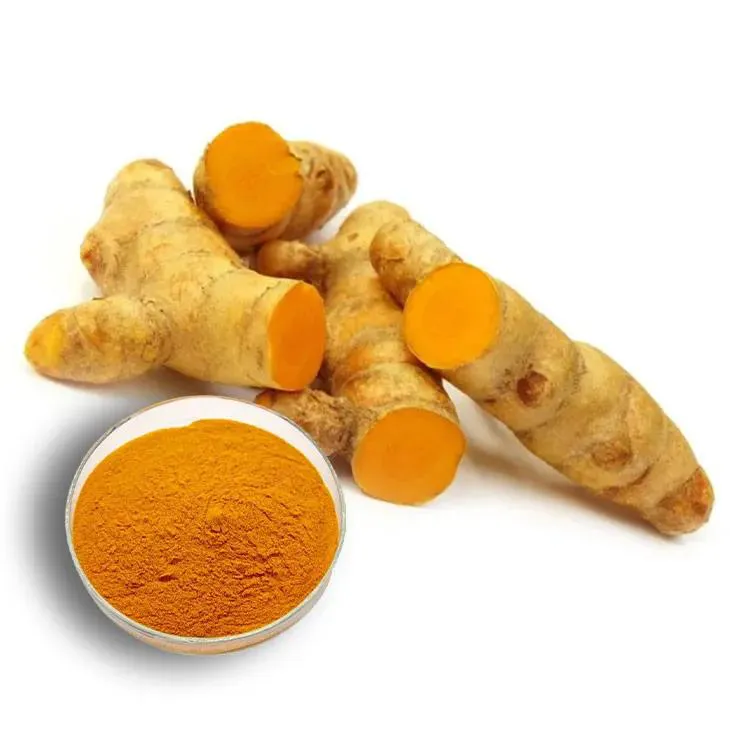
Product: Curcumin Extract (from Curcuma longa L.)Standard Specifications: 10%, 95% (HPLC), Water-soluble 10%, Turmeric OleoresinCAS Number: 458-37-7Molecular Formula: C₂₁H₂₀O₆Molecular Weight: 368.38 g/mol
1. Introduction
Turmeric — the golden spice that gives curry its distinctive color — has been a cornerstone of Ayurvedic and Traditional Chinese Medicine for over 4,000 years. Modern science has now isolated the key bioactive compounds responsible for its therapeutic effects: Curcuminoids, a family of polyphenolic compounds dominated by curcumin. With over 16,000 scientific publications indexed on PubMed and more than 200 clinical trials, curcumin is one of the most extensively studied natural compounds in the world.
From joint health and inflammation management to cognitive function and metabolic support, curcumin's clinical applications continue to expand. However, the single greatest challenge in curcumin formulation — bioavailability — has driven remarkable innovation in extraction and delivery technologies. This guide covers everything you need to know about sourcing, formulating, and marketing Curcumin Extract products in 2026 and beyond.
2. What Is Curcumin Extract?
2.1 Botanical Profile
| Attribute | Details |
|---|---|
| Latin Name | Curcuma longa L. |
| Common Name | Turmeric, Indian saffron, Haldi, Jiang Huang (姜黄) |
| Plant Family | Zingiberaceae (ginger family) |
| Primary Regions | India (Andhra Pradesh, Tamil Nadu, Maharashtra), China (Sichuan, Yunnan, Guangxi), Indonesia, Vietnam |
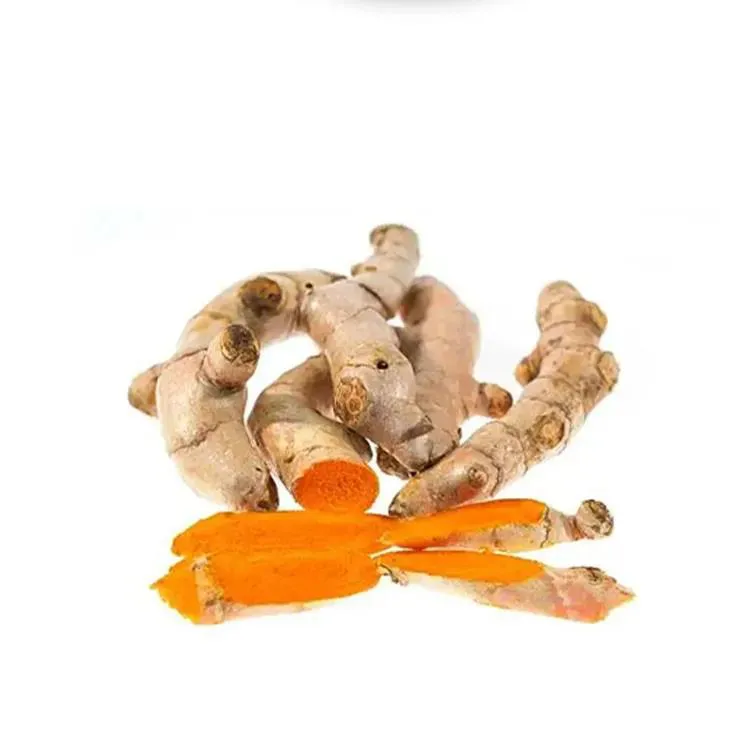
| Plant Part Used | Rhizome (underground stem) |
| Extraction Solvent | Ethanol, ethyl acetate, or supercritical CO₂ |
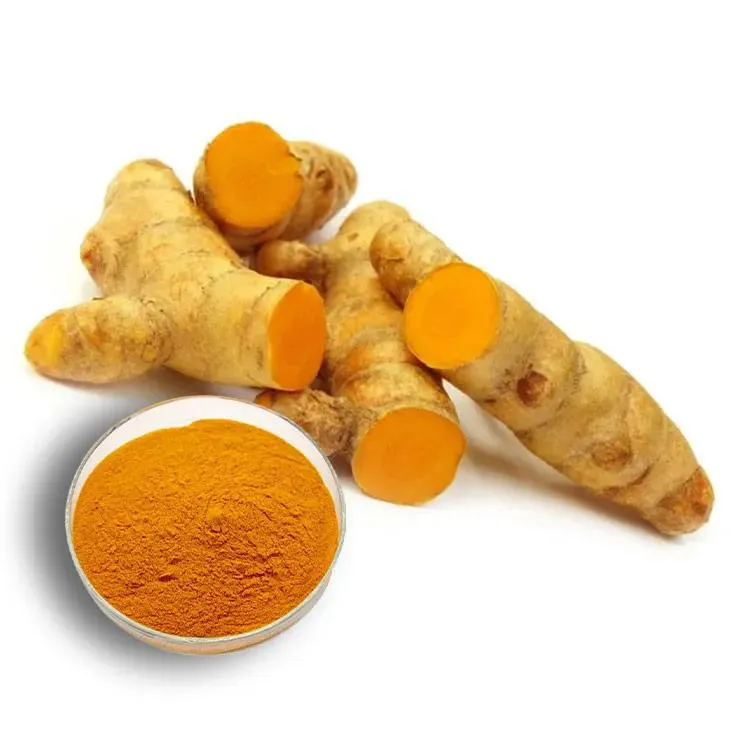
The turmeric rhizome contains 2-9% curcuminoids by dry weight, depending on cultivar, growing conditions, and harvest time. Indian turmeric (Curcuma longa var. Alleppey) typically yields higher curcuminoid content (5-8%) than other varieties, while Chinese turmeric from Sichuan is known for its high volatile oil content.
2.2 Active Compounds: The Curcuminoid Complex
Commercial "curcumin 95%" is actually a mixture of three structurally related curcuminoids:
| Compound | Typical % in 95% Extract | CAS Number | Relative Bioactivity |
|---|---|---|---|
| Curcumin (diferuloylmethane) | 70-80% | 458-37-7 | Primary active; most studied |
| Demethoxycurcumin (DMC) | 15-20% | 22608-11-3 | Enhanced stability; superior neuroprotection |
| Bisdemethoxycurcumin (BDMC) | 2-5% | 24939-17-1 | Highest cellular uptake; potent anticancer |
Additionally, turmeric oleoresin contains turmerones (ar-turmerone, α-turmerone, β-turmerone), volatile sesquiterpenoids with their own pharmacological activities, including neurogenesis stimulation and bioavailability enhancement.
2.3 Our Standard Specifications
| Specification | Curcuminoid Content (HPLC) | Appearance | Typical Use |
|---|---|---|---|
| Turmeric Powder (Organic) | 3-5% curcuminoids | Yellow-orange powder | Food ingredient, spice |
| Curcumin Extract 10% | ≥10% curcuminoids | Orange-yellow powder | Dietary supplements |
| Curcumin Extract 95% | ≥95% curcuminoids (by UV-Vis) | Orange crystalline powder | Premium supplements |
| Curcumin 95% (HPLC) | ≥95% total curcuminoids, ≥70% curcumin | Orange crystalline powder | Pharmaceutical-grade |
| Water-soluble Curcumin 10% | ≥10% curcuminoids (dispersible) | Orange-yellow powder | Beverages, liquid supplements |
| Turmeric Oleoresin | 30-45% curcuminoids + 15-25% volatile oil | Dark orange viscous liquid | Food flavoring, functional foods |
2.4 Certificate of Analysis (Representative)
Product: Curcumin Extract 95% (HPLC)Batch No.: CUR-2026-06-008Manufacture Date: 2026-06-10Expiry Date: 2028-06-09
| Test Item | Specification | Result | Method |
|---|---|---|---|
| Appearance | Orange-yellow crystalline powder | Conforms | Visual |
| Odor | Characteristic turmeric | Conforms | Organoleptic |
| Total Curcuminoids (HPLC) | ≥95.0% | 96.2% | HPLC |
| Curcumin | ≥70.0% | 74.8% | HPLC |
| Demethoxycurcumin | 15-25% | 18.4% | HPLC |
| Bisdemethoxycurcumin | 2-8% | 3.0% | HPLC |
| Loss on Drying | ≤5.0% | 3.1% | USP <731> |
| Ash Content | ≤2.0% | 0.7% | USP <281> |
| Heavy Metals | ≤10 ppm | <5 ppm | ICP-MS |
| Lead (Pb) | ≤2.0 ppm | 0.4 ppm | ICP-MS |
| Arsenic (As) | ≤1.0 ppm | 0.3 ppm | ICP-MS |
| Cadmium (Cd) | ≤1.0 ppm | 0.1 ppm | ICP-MS |
| Mercury (Hg) | ≤0.1 ppm | <0.05 ppm | ICP-MS |
| Residual Solvents | ≤0.5% (Ethanol) | 0.18% | GC |
| Pesticide Residues | USP <561> | Complies | GC-MS/MS |
| Total Plate Count | ≤1,000 CFU/g | 85 CFU/g | USP <2021> |
| Yeast & Mold | ≤100 CFU/g | <10 CFU/g | USP <2021> |
| E. coli | Negative | Negative | USP <2022> |
| Salmonella | Negative | Negative | USP <2022> |
3. Core Benefits and Mechanisms of Action
3.1 Potent Anti-Inflammatory Activity
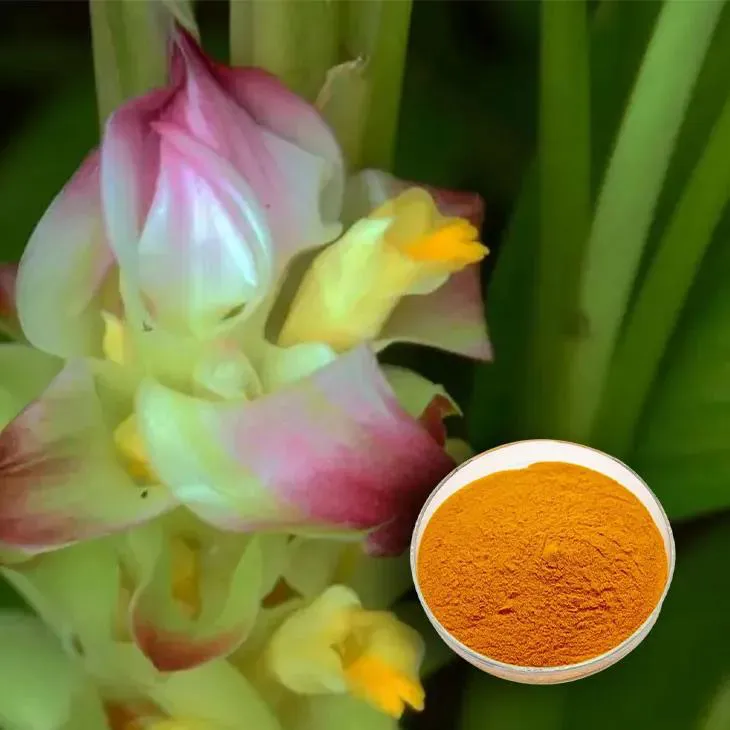
Curcumin is one of the most comprehensively studied natural anti-inflammatory agents, with a mechanism of action that rivals — yet differs from — pharmaceutical NSAIDs.
Mechanism: Curcumin inhibits multiple inflammatory signaling pathways simultaneously. It downregulates NF-κB (nuclear factor kappa-light-chain-enhancer of activated B cells), the master transcription factor that controls the expression of over 500 pro-inflammatory genes. It also directly inhibits COX-2, 5-LOX, and iNOS enzymes, suppresses TNF-α, IL-1β, IL-6, and MCP-1 production, and reduces NLRP3 inflammasome activation.
Key Evidence:
Aggarwal et al. (2013) in BioFactors provided a comprehensive review establishing curcumin as a "multi-targeted" agent that simultaneously modulates dozens of molecular targets involved in inflammation. (PMID: 23303633)
Chandran & Goel (2012) demonstrated in Phytotherapy Research that a bioavailable curcumin formulation (BCM-95, 500 mg twice daily) significantly reduced pain and improved function in rheumatoid arthritis patients, with effects comparable to diclofenac (50 mg) but without gastric side effects. (PMID: 22407780)
Panahi et al. (2014) conducted a randomized controlled trial in Phytotherapy Research showing that curcumin (1,500 mg/day for 8 weeks) significantly reduced serum CRP, IL-6, and TNF-α levels in patients with metabolic syndrome. (PMID: 24357072)
3.2 Powerful Antioxidant Defense
Mechanism: Curcumin's polyphenolic structure enables it to directly scavenge reactive oxygen species (ROS) including superoxide anion, hydroxyl radical, and singlet oxygen. Additionally, curcumin upregulates endogenous antioxidant enzymes — superoxide dismutase (SOD), catalase (CAT), glutathione peroxidase (GPx), and heme oxygenase-1 (HO-1) — via Nrf2 pathway activation.
Key Evidence:
Menon & Sudheer (2007) reviewed in Advances in Experimental Medicine and Biology that curcumin's antioxidant capacity was 2-5 times stronger than vitamin E on a molar basis, and its metal-chelating properties contributed additional protection against iron- and copper-induced lipid peroxidation. (PMID: 17569217)
Sahebkar et al. (2015) conducted a systematic review and meta-analysis of RCTs, confirming that curcumin supplementation significantly increased serum SOD and CAT activity while reducing malondialdehyde (MDA) levels. (PMID: 25360858)
3.3 Joint Health and Osteoarthritis Management
Curcumin has emerged as a leading natural alternative for joint health, with multiple clinical trials demonstrating efficacy comparable to standard pharmaceutical interventions.
Mechanism: Curcumin inhibits MMP-3 and MMP-13 (matrix metalloproteinases that degrade cartilage collagen), suppresses ADAMTS-5 (aggrecanase), reduces chondrocyte apoptosis, and decreases synovial inflammation.
Key Evidence:
Henrotin et al. (2014) in Arthritis Research & Therapy demonstrated that bioavailable curcumin (Meriva®, 200 mg/day) significantly reduced the WOMAC pain score by 52% and improved the 6-minute walk test distance by 330% in knee OA patients over 8 months. (PMID: 24302616)
Shep et al. (2019) reported in Trials that curcumin (500 mg TID) was non-inferior to diclofenac (50 mg BID) for knee OA pain relief, with significantly fewer adverse events (13% vs. 38% reporting GI issues). (PMID: 31014373)
Daily et al. (2016) published a systematic review and meta-analysis of 8 RCTs in the Journal of Medicinal Food, concluding that turmeric/curcumin extracts provide statistically significant improvement in pain and physical function in knee OA patients. (PMID: 27533649)
3.4 Cognitive Function and Neuroprotection
Mechanism: Curcumin reduces β-amyloid plaque aggregation, promotes disaggregation of existing plaques, chelates redox-active metals (iron, copper, zinc) that catalyze oxidative damage, and increases brain-derived neurotrophic factor (BDNF) levels — a key protein involved in neurogenesis and synaptic plasticity.
Key Evidence:
Small et al. (2018) in the American Journal of Geriatric Psychiatry conducted a double-blind, placebo-controlled trial showing that a bioavailable curcumin formulation (Theracurmin®, 90 mg twice daily for 18 months) significantly improved memory and attention in non-demented adults, with a 28% improvement in memory recall over baseline. Brain PET scans showed significantly reduced amyloid and tau accumulation in the amygdala and hypothalamus. (PMID: 29246725)
Cox et al. (2015) in the Journal of Psychopharmacology demonstrated that acute curcumin administration (400 mg) improved sustained attention and working memory and reduced mental fatigue in healthy older adults (60-85 years) within 1 hour of ingestion. (PMID: 25277322)
Rainey-Smith et al. (2016) in the British Journal of Nutrition reported that curcumin supplementation was associated with improved cognitive performance in community-dwelling older adults over 12 months. (PMID: 27197832)
3.5 Metabolic Health: Blood Sugar, Lipids, and Weight Management
Mechanism: Curcumin activates AMPK, improves insulin receptor sensitivity, reduces hepatic gluconeogenesis, inhibits adipocyte differentiation, and enhances β-cell function in the pancreas.
Key Evidence:
Chuengsamarn et al. (2012) in Diabetes Care demonstrated that curcumin (1,500 mg/day for 9 months) prevented the progression of prediabetes to type 2 diabetes in a randomized controlled trial: 0% of the curcumin group developed T2DM vs. 16.4% of the placebo group. (PMID: 22773702)
Panahi et al. (2016) in Complementary Therapies in Medicine showed that curcumin (1 g/day for 8 weeks) significantly reduced BMI, body weight, and waist circumference in patients with metabolic syndrome. (PMID: 27461979)
Sahebkar (2014) conducted a meta-analysis of 7 RCTs in Phytotherapy Research, demonstrating that curcumin significantly reduced serum triglycerides and increased HDL cholesterol. (PMID: 24648302)
3.6 Gut Health and Digestive Support
Mechanism: Curcumin modulates gut microbiota composition, maintains intestinal barrier integrity by upregulating tight junction proteins (occludin, ZO-1), reduces gut permeability, and suppresses inflammatory bowel disease (IBD) activity through NF-κB inhibition in intestinal epithelial cells.
Key Evidence:
Hanai et al. (2006) in Clinical Gastroenterology and Hepatology demonstrated that curcumin (1 g twice daily) significantly reduced relapse rates in ulcerative colitis patients maintained on mesalamine, with only 4.65% relapse at 6 months vs. 20.5% in the placebo group. (PMID: 17070700)
Lang et al. (2015) in Clinical Gastroenterology and Hepatology showed that a combination of curcumin and mesalamine was superior to mesalamine alone for inducing remission in mild-to-moderate ulcerative colitis. (PMID: 25818079)
3.7 The Bioavailability Challenge and Solutions
The Problem: Native curcumin has extremely poor oral bioavailability due to:
Low aqueous solubility (~11 ng/mL at pH 5.0)
Rapid metabolism via glucuronidation and sulfation in the liver and intestinal wall
Poor absorption across the intestinal epithelium
Rapid systemic elimination (half-life ~25-30 minutes)
The Solutions: We offer multiple bioavailability-enhanced formulations:
| Technology | Mechanism | Enhancement Factor | Best For |
|---|---|---|---|
| Curcumin + Piperine | Piperine inhibits glucuronidation (UGT enzymes) | 20× (Shoba et al., 1998) | General supplements |
| Phospholipid complex (Meriva®-type) | Lecithin increases intestinal absorption | 29× (Cuomo et al., 2011) | Joint health |
| Solid lipid nanoparticles | Nano-encapsulation improves lymphatic transport | 50× | High-end formulations |
| Water-soluble microencapsulation | Maltodextrin/gum arabic matrix | 10-15× aqueous dispersion | Beverages, powders |
| Turmeric oleoresin | Natural volatile oil synergism | 7-8× | Food applications |
Key Evidence:
Shoba et al. (1998) in Planta Medica demonstrated that piperine (20 mg) co-administration increased curcumin bioavailability by 2,000% in humans. This landmark study established the curcumin-piperine combination as the industry standard. (PMID: 9619120)
Cuomo et al. (2011) in the Journal of Natural Products showed that phospholipid-complexed curcumin (Meriva®) achieved 29-fold higher plasma levels than unformulated curcumin. (PMID: 21413691)
4. Broad Application Areas
4.1 Dietary Supplements
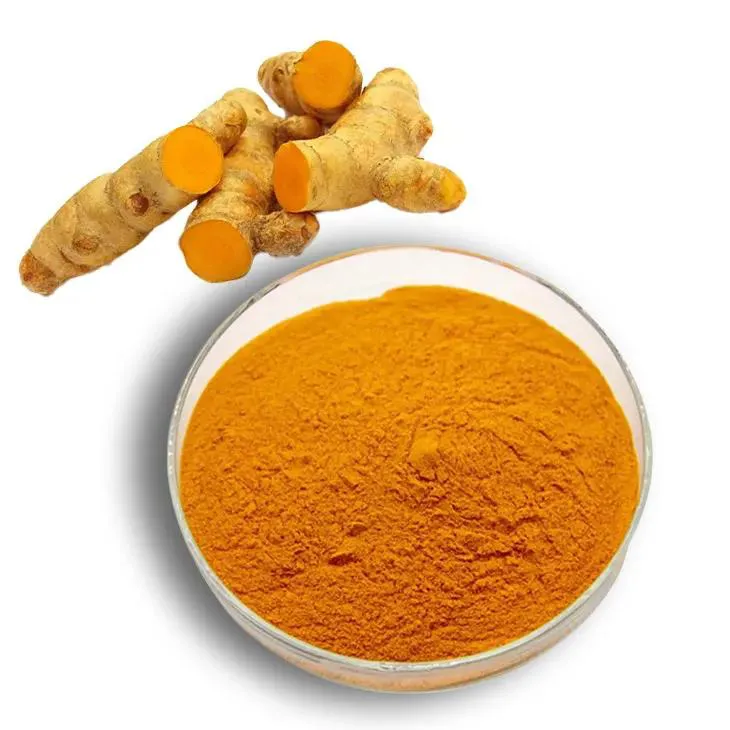
Curcumin dominates the joint health, anti-inflammatory, and general wellness supplement categories:
| Product Format | Typical Dosage | Market Segment |
|---|---|---|
| Capsules/Tablets | 500-1,000 mg/day | Anti-inflammatory, joint health |
| Softgels | 250-500 mg | Enhanced absorption with oil |
| Gummies | 50-100 mg/gummy | Convenience format, younger consumers |
| Powder blends | 500-1,500 mg/serving | Sports nutrition, green drinks |
| Liposomal liquids | 100-250 mg/dose | Premium bioavailability |
The global curcumin market was valued at approximately USD 170 million in 2023 and is projected to reach USD 310 million by 2030, growing at a CAGR of 8.9% (Grand View Research, 2024).
4.2 Functional Foods and Beverages
Golden milk lattes: Ready-to-drink turmeric lattes and instant mixes
Wellness shots: Concentrated turmeric-ginger wellness shots (1-2 oz)
Smoothie boosters: Single-serve powder packets for smoothie fortification
Tea blends: Turmeric-ginger, turmeric-lemon, turmeric-chai herbal teas
Protein bars: Turmeric-infused functional nutrition bars
Plant-based meats: Natural colorant and antioxidant in meat alternatives
Our water-soluble curcumin 10% is specifically designed for beverage applications, providing vibrant yellow color and functional benefits without sedimentation or oil separation.
4.3 Cosmetics and Personal Care
Curcumin's anti-inflammatory, antioxidant, and antimicrobial properties make it a versatile cosmetic ingredient:
| Application | Primary Benefit | Usage Level |
|---|---|---|
| Anti-acne formulations | Anti-inflammatory, antimicrobial (P. acnes) | 0.1-0.5% |
| Brightening serums | Tyrosinase inhibition, melanin reduction | 0.05-0.2% |
| Anti-aging creams | Antioxidant, MMP inhibition | 0.1-1.0% |
| Sunscreen boosters | UV protection enhancement | 0.5-1.0% |
| Scalp treatments | Antifungal (Malassezia), anti-inflammatory | 0.2-0.5% |
Formulation note: Curcumin's intense yellow color can be a challenge in leave-on products. Our tetrahydrocurcumin (THC) — a colorless hydrogenated derivative — offers equivalent antioxidant activity without staining, making it ideal for premium skincare formulations.
4.4 Animal Nutrition
Poultry: Natural yolk pigmentation, improved gut health, antibiotic alternative
Aquaculture: Anti-inflammatory in shrimp, improved feed conversion
Swine: Reduced oxidative stress during weaning, improved growth performance
Companion animals: Joint health chews for dogs and cats, anti-inflammatory for aging pets
4.5 Natural Food Coloring
Turmeric oleoresin (E100) is a widely accepted natural food colorant. Our turmeric oleoresin products provide consistent curcumin content (30-45%) and are available in both oil-soluble and water-dispersible forms for applications in:
Dairy products (yogurt, cheese, ice cream)
Baked goods (bread, cakes, pastries)
Confectionery (candies, gummies)
Beverages (sports drinks, juices)
Savory products (sauces, seasonings, instant noodles)
5. How to Choose a High-Quality Curcumin Extract: Key Criteria
5.1 Curcuminoid Profile Analysis
Not all "95% curcumin" products are the same. Key distinctions:
UV-Vis vs. HPLC assay: UV-Vis spectrophotometric methods overestimate curcuminoid content because they cannot distinguish between curcuminoids and other absorbing compounds. Always request HPLC results showing the three individual curcuminoids.
Curcumin ratio: A high-quality extract should contain ≥70% curcumin, 15-20% DMC, and 2-5% BDMC. Extracts with unusually high DMC or BDMC may indicate poor-quality raw material or adulteration.
Synthetic curcumin: Some suppliers offer synthetic curcumin (99% pure, single compound). While analytically pure, it lacks the natural curcuminoid ratio and may not perform identically in clinical applications.
5.2 Heavy Metal Testing
Turmeric rhizomes are known accumulators of heavy metals, particularly lead and cadmium, from soil. The Bangladesh and India turmeric supply chains have been associated with lead chromate adulteration (used to enhance yellow color). This is a serious safety concern.
Our commitment: We screen every batch for lead chromate adulteration using ICP-MS, with a limit of detection of 0.05 ppm. We source turmeric exclusively from controlled cultivation regions in Sichuan, China, where soil heavy metal levels are routinely monitored.
5.3 Pesticide Residues
Turmeric is susceptible to fungal diseases and insect pests, leading to heavy pesticide use in some regions. We test for >200 pesticide residues by GC-MS/MS and LC-MS/MS, complying with USP <561> and EU Regulation 396/2005.
5.4 Solvent Residue Testing
Curcumin extraction typically uses ethanol, ethyl acetate, or acetone. We exclusively use food-grade ethanol and verify residual solvent levels by GC headspace analysis.
5.5 Bioavailability Enhancement Options
The most important question for formulators: What bioavailability technology is used?
| Supplier Question | Why It Matters |
|---|---|
| Do you offer curcumin with piperine (Bioperine®)? | 20× bioavailability enhancement |
| Do you have phospholipid-complexed curcumin? | 29× absorption, ideal for joint health |
| Can you provide water-soluble/dispersible curcumin? | Essential for beverages and RTD products |
| What is the particle size distribution? | Micronization improves dissolution and absorption |
| Do you offer turmeric oleoresin with full volatile oil? | Natural synergy for food applications |
5.6 Certifications
| Certification | Relevance |
|---|---|
| ISO 22000 / HACCP | Food safety management |
| GMP | Manufacturing quality |
| Organic (USDA NOP, EU Organic) | Organic product lines |
| Non-GMO Project Verified | Non-GMO verification |
| Kosher / Halal | Dietary compliance |
| BRC / FSSC 22000 | Global food safety (for major retailers) |
6. About Us: Your Curcumin Extract Partner
As a dedicated plant extract manufacturer, we bring deep expertise in curcuminoid chemistry, extraction technology, and bioavailability optimization to every kilogram we produce.
Why Choose Our Curcumin Extract?
1. Verified Curcuminoid ProfileEvery batch is analyzed by HPLC with a detailed report showing individual curcumin, DMC, and BDMC content. We guarantee total curcuminoids ≥95% with curcumin ≥70% — and we consistently exceed these specifications.
2. Multiple Bioavailability PlatformsWe offer a complete range of bioavailability-enhanced curcumin products:
Curcumin 95% + Piperine 95% (pre-blended at 100:1 ratio)
Phospholipid-complexed curcumin (20% curcuminoids, 29× bioavailability)
Water-soluble curcumin 10% (microencapsulated, cold-water dispersible)
Nano-curcumin (solid lipid nanoparticles, particle size <200 nm)
Tetrahydrocurcumin (colorless, 98% purity, for cosmetics)
3. Lead-Free GuaranteeWe were among the first Chinese manufacturers to implement routine lead chromate screening in our turmeric QC protocol. Every batch is tested — no exceptions.
4. Flexible Supply Chain
Raw material: Direct partnerships with turmeric growers in Sichuan (organic) and Yunnan (conventional)
Annual capacity: 100+ metric tons of curcumin 95%
Inventory: 10+ tons of 95% curcumin in stock for immediate shipment
Lead time: 3-7 working days for standard orders, 15-20 days for custom formulations
5. Customization Services
Custom particle size: 80 mesh, 100 mesh, micronized (<20 μm)
Custom blends: Curcumin + Boswellia, Curcumin + Ginger, Curcumin + Black Pepper
Custom packaging: 1 kg, 5 kg, 25 kg; foil bags, fiber drums, or your branded containers
Private labeling: Full OEM/ODM services available
6. Documentation ExcellenceEvery shipment includes:
Certificate of Analysis (COA) with HPLC chromatogram
Heavy metals report (ICP-MS)
Pesticide residue screening (>200 compounds)
Residual solvent analysis
Microbiological test report
GMO-Free Declaration
Statement of Origin
Allergen Statement
- ▶ Hesperidin
- ▶ Citrus Bioflavonoids
- ▶ Plant Extract
- ▶ lycopene
- ▶ Diosmin
- ▶ Grape seed extract
- ▶ Sea buckthorn Juice Powder
- ▶ Fruit Juice Powder
- ▶ Hops Extract
- ▶ Artichoke Extract
- ▶ Mushroom extract
- ▶ Astaxanthin
- ▶ Green Tea Extract
- ▶ Curcumin
- ▶ Horse Chestnut Extract
- ▶ Other Product
- ▶ Boswellia Serrata Extract
- ▶ Resveratrol
- ▶ Marigold Extract
- ▶ Grape Leaf Extract
- ▶ New Product
- ▶ Aminolevulinic acid
- ▶ Cranberry Extract
- ▶ Red Yeast Rice
- ▶ Red Wine Extract
- ▶ blog
-
Astaxanthin
2026-07-01
-
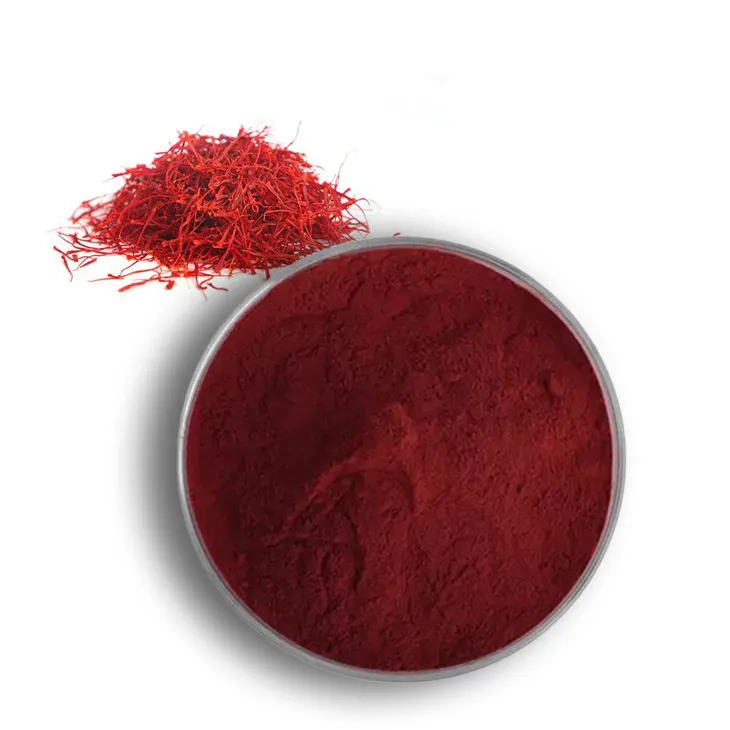
Saffron Extract Powder
2026-07-01
-
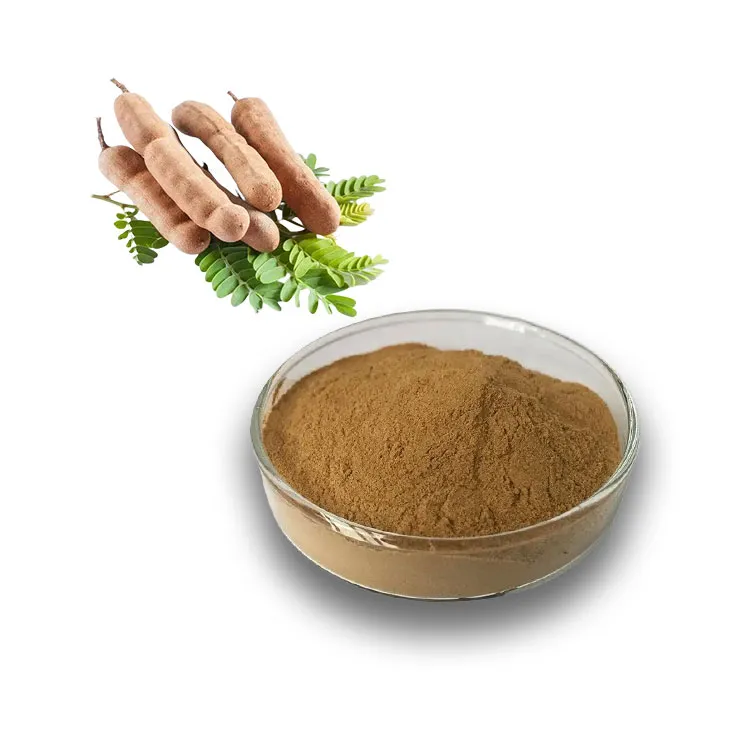
Tamarind extract powder
2026-07-01
-
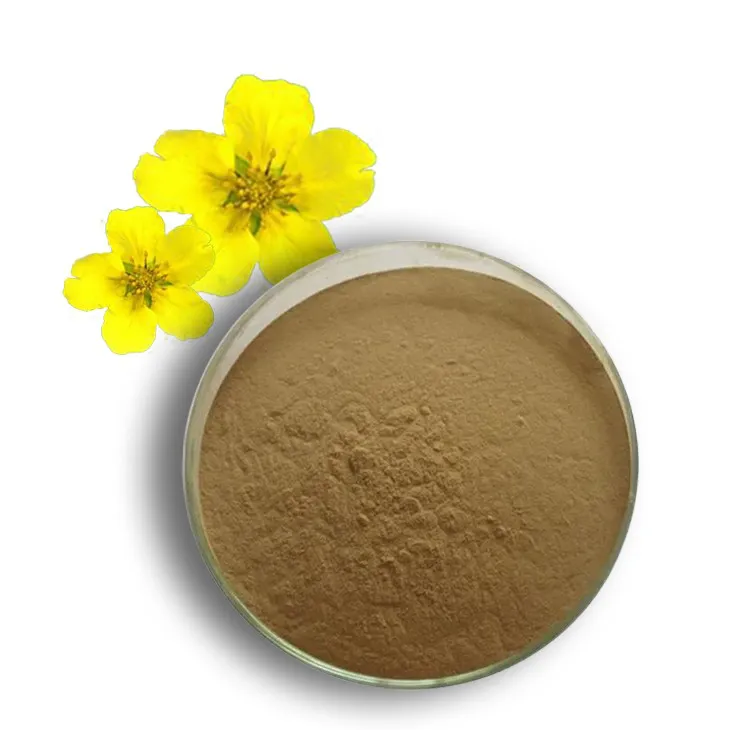
Tormentil Extract
2026-07-01
-
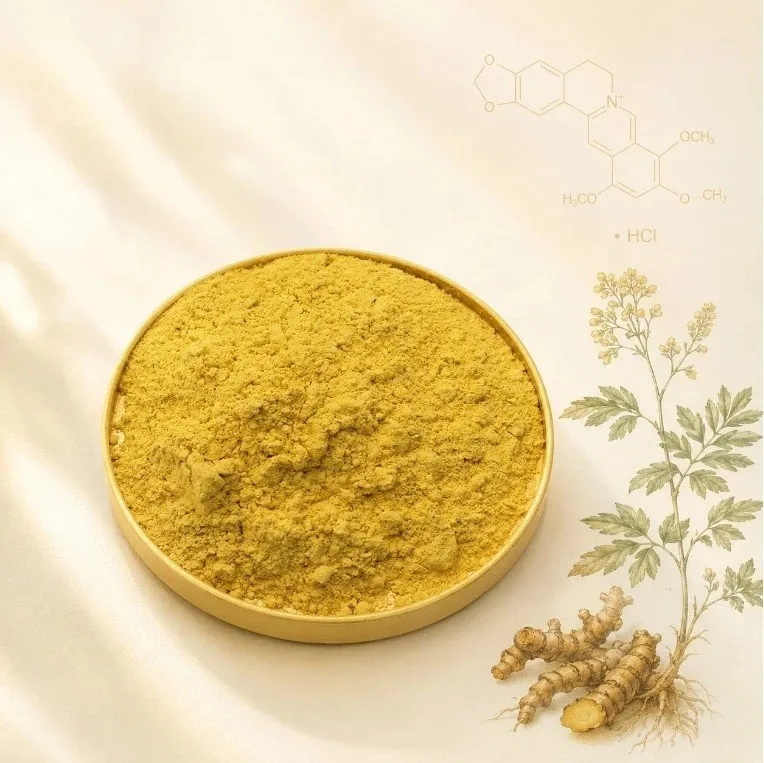
Liposomal Berberine HCl
2026-07-01
-
Oyster Mushroom Extract Powder
2026-07-01
-
Milk Thistle Extract
2026-07-01
-
Konjac Powder
2026-07-01
-
Kidney Bean Extract
2026-07-01
-
Citrus bioflavonoids
2026-07-01
