- 0086-571-85302990
- [email protected]





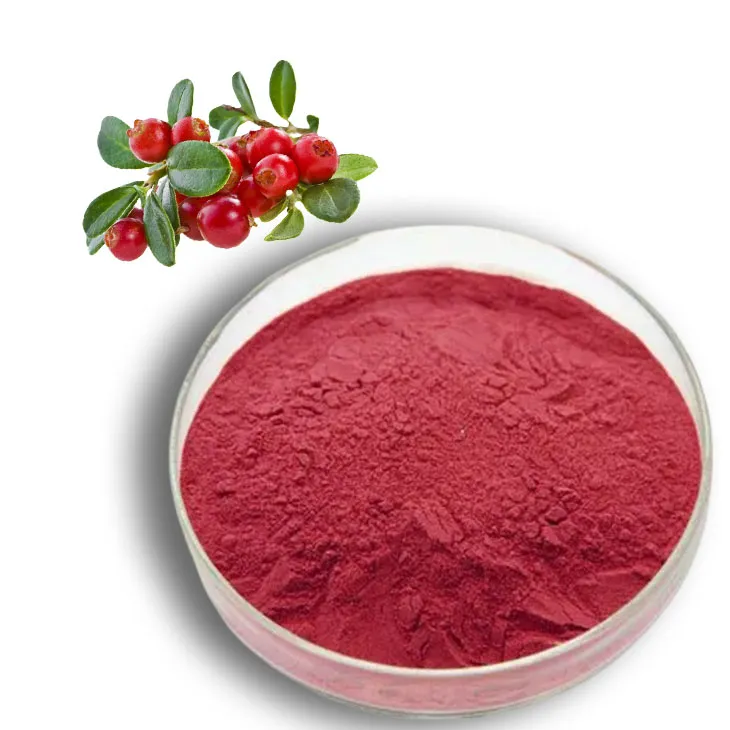
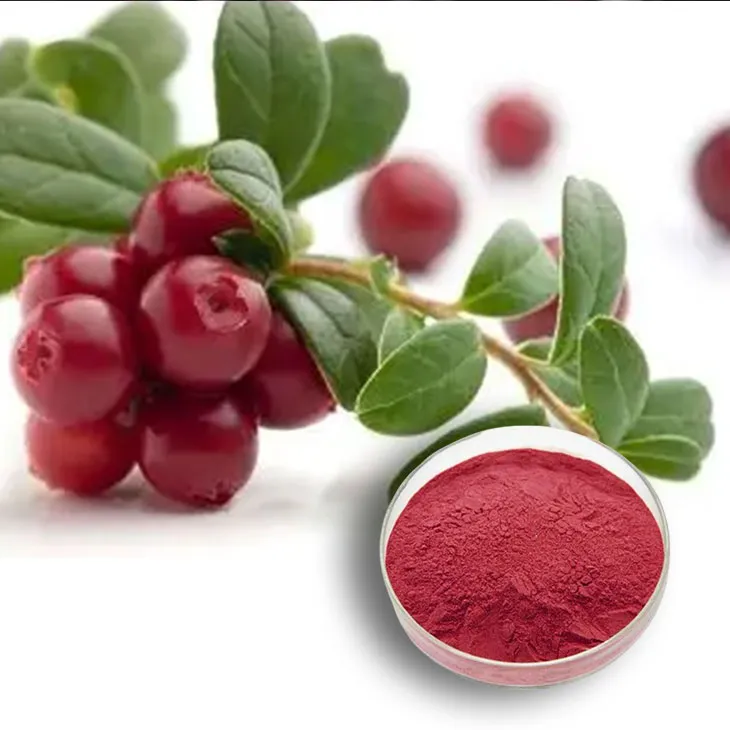
Cranberry Extract
1. Introduction
Cranberry (Vaccinium macrocarpon Aiton), a vibrant red berry native to North America, has been valued for centuries — from Native American traditional medicine to modern clinical research — for its unique ability to support urinary tract health. The secret lies in a specialized class of polyphenols called A-type proanthocyanidins (PACs), which have been clinically demonstrated to help prevent bacterial adhesion in the urinary tract. Today, Cranberry Extract is a cornerstone ingredient in the global urinary health and antioxidant supplement market.
Hangzhou Greensky Biological Tech Co., Ltd — a professional natural plant extract manufacturer established in 2004 — offers premium standardized Cranberry Extract with verified PAC content, backed by ISO22000, BRCGS, Ecocert Organic, and SGS-GMP certifications.
2. What Is Cranberry Extract?
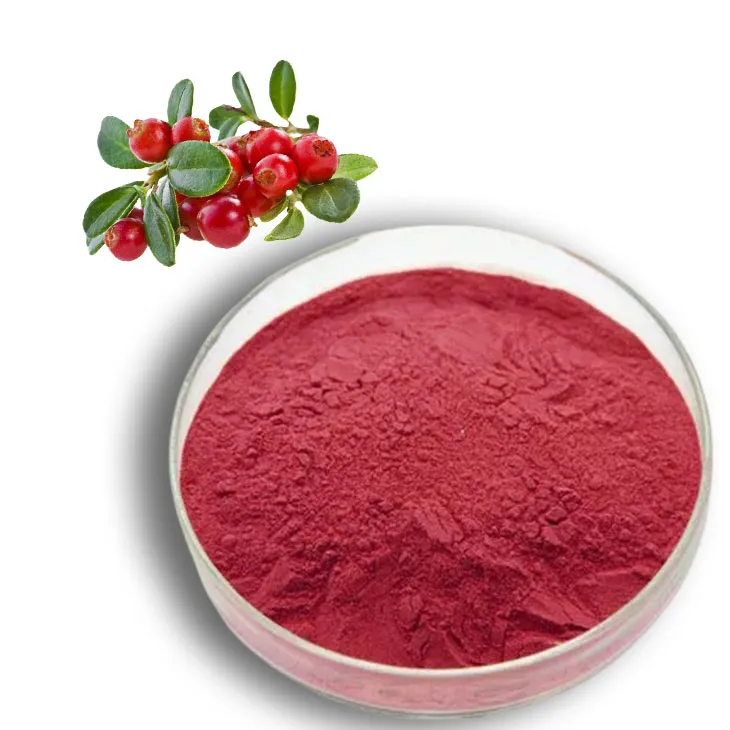
Cranberry extract is a concentrated preparation derived from the fruit of Vaccinium macrocarpon, an evergreen shrub native to the bogs and wetlands of North America. The extract is rich in proanthocyanidins — specifically the A-type linkage structure that distinguishes cranberry PACs from the B-type PACs found in most other fruits.
2.1 Botanical Information
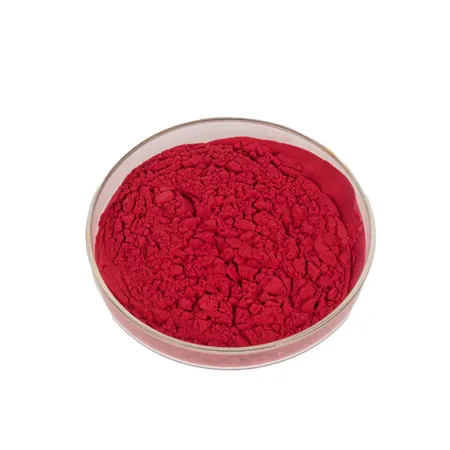
Item Details Latin Name Vaccinium macrocarpon Aiton Family Ericaceae Common Name American Cranberry, Large Cranberry Source Plant Cranberry (cultivated primarily in North America, Chile, and parts of Europe) Main Growing Regions Wisconsin, Massachusetts, New Jersey (USA); Quebec (Canada); Chile; Netherlands Extraction Part Fruit (whole berry) Appearance Reddish-brown to dark red fine powder Odor Characteristic cranberry aroma
2.2 Key Active Compounds
Compound Detail A-Type Proanthocyanidins (PACs) Unique double-bond linkage (epicatechin dimers with A-type interflavan bonds) B-Type Proanthocyanidins Present alongside A-type (single-bond linkage) Anthocyanins Cyanidin-3-galactoside, peonidin-3-galactoside, cyanidin-3-arabinoside Phenolic Acids Benzoic acid, chlorogenic acid, p-coumaric acid, caffeic acid Other Flavonoids Quercetin, myricetin, kaempferol Total PAC Content 10%, 15%, 20%, 25%, 30% (BL-DMAC method)
2.3 Standard Specifications
Specification Standard Total PACs 10%, 15%, 20%, 25%, 30% (BL-DMAC) Total Anthocyanins 0.5% – 2.5% (UV-Vis) Moisture ≤ 8.0% Ash Content ≤ 5.0% Heavy Metals Pb ≤ 1.0 ppm; As ≤ 0.5 ppm; Cd ≤ 0.3 ppm; Hg ≤ 0.1 ppm Microbiological TPC < 10,000 CFU/g; Yeast & Mold < 1,000 CFU/g; E. coli negative; Salmonella negative Pesticide Residue Complies with EU & USP limits Particle Size 95% through 80 mesh
2.4 Production Process
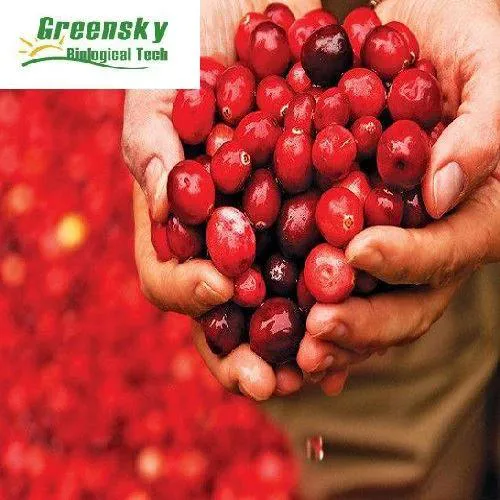
Raw Material Selection: Fully ripe cranberries are harvested (typically September–November) and sorted for quality and color.
Juice Extraction: Berries are crushed and pressed; juice is separated from pomace.
Concentration: Juice is concentrated under vacuum at controlled temperatures to preserve PAC integrity.
Purification: Multi-stage membrane filtration (ultrafiltration, nanofiltration) removes sugars, organic acids, and impurities while enriching PAC content.
Resin Adsorption: Macroporous resin adsorption selectively concentrates proanthocyanidin fractions.
Spray Drying: The concentrated PAC-rich solution is spray-dried with a food-grade carrier to produce a free-flowing powder.
Standardization: PAC content is verified and adjusted to target specification through precise blending.
Quality Testing: BL-DMAC assay for PAC quantification, HPLC fingerprinting, heavy metals, microbiological screening, and pesticide residue testing.
2.5 Certificate of Analysis (Typical)
Test Item Result Specification Appearance Reddish-brown fine powder Complies Total PACs (BL-DMAC) 25.3% ≥ 25% Total Anthocyanins (UV-Vis) 1.8% ≥ 1.5% Moisture 4.5% ≤ 8.0% Ash 2.8% ≤ 5.0% Heavy Metals Complies Complies Microbiological Pass Pass
3. Core Benefits & Mechanisms of Action
3.1 Urinary Tract Health — The Signature Benefit
Cranberry extract is the most extensively studied natural ingredient for urinary tract health, with a unique mechanism that sets it apart from all other botanicals:
Anti-Adhesion Mechanism: The A-type proanthocyanidins (PACs) in cranberry prevent uropathogenic Escherichia coli (UPEC) bacteria from adhering to the uroepithelial cells lining the urinary tract. Unlike B-type PACs (found in grape seed, green tea, and most fruits), the A-type linkage structure creates a molecular configuration that specifically blocks the P-fimbriae of E. coli — the hair-like structures bacteria use to attach to host cells.
Clinical Evidence: A systematic review and meta-analysis published in Advances in Nutrition (2019) analyzed data from multiple randomized controlled trials and concluded that cranberry products significantly reduced the risk of urinary tract infections (UTIs) by approximately 26% in women with recurrent UTIs.
Dose-Response Relationship: Research by Howell et al. demonstrated a clear dose-response relationship between cranberry PAC intake and anti-adhesion activity, with 36 mg or more of PACs per day showing clinically meaningful effects.
Reference: Blumberg JB, et al. Cranberries and lower urinary tract health: a systematic review. Adv Nutr. 2019;10(4):597-614. doi:10.1093/advances/nmz018
Reference: Howell AB, et al. Dose effect on the adhesion of uropathogenic E. coli to uroepithelial cells following consumption of cranberry powder. J Med Food. 2010;13(6):1330-1336. doi:10.1089/jmf.2010.0110
3.2 Gastrointestinal Health & Gut Microbiome Support
Emerging research reveals that cranberry PACs may also benefit gut health:
Gut Microbiome Modulation: A-type PACs resist digestion in the upper GI tract and reach the colon intact, where they are fermented by beneficial gut bacteria. Studies show cranberry PACs promote the growth of Bifidobacterium and Lactobacillus species while inhibiting the growth of pathogenic bacteria.
Anti-Adhesion in the Gut: Similar to the urinary tract mechanism, cranberry PACs have been shown to inhibit the adhesion of Helicobacter pylori to gastric mucosa, suggesting potential benefits for digestive health.
Anti-Inflammatory Effects in the Gut: PACs modulate the intestinal immune response by reducing pro-inflammatory cytokine production and supporting the integrity of the intestinal barrier.
Reference: Anhe FF, et al. A polyphenol-rich cranberry extract protects from diet-induced obesity, insulin resistance and intestinal inflammation in association with increased Akkermansia spp. population in the gut microbiota of mice. Gut. 2015;64(6):872-883. doi:10.1136/gutjnl-2014-307142
3.3 Potent Antioxidant Activity
Cranberry ranks among the most antioxidant-dense fruits, and its extract concentrates these benefits:
Free-Radical Scavenging: The combination of PACs, anthocyanins, and flavonols creates a synergistic antioxidant effect that neutralizes reactive oxygen species (ROS) and protects cellular components from oxidative damage.
LDL Oxidation Inhibition: Cranberry polyphenols have been shown to reduce LDL cholesterol oxidation — a key step in the development of atherosclerosis.
Cellular Protection: Anthocyanins in cranberry extract protect DNA and cellular membranes from oxidative stress, supporting overall cellular health and longevity.
Reference: Vinson JA, et al. Phenol antioxidant quantity and quality in foods: fruits. J Agric Food Chem. 2001;49(11):5315-5321. doi:10.1021/jf0009293
3.4 Oral Health Benefits
Anti-Adhesion in the Oral Cavity: Cranberry PACs inhibit the adhesion of Streptococcus mutans to tooth enamel, reducing plaque formation and supporting oral health.
Gum Health: Anti-inflammatory properties of cranberry polyphenols support periodontal health by reducing gingival inflammation.
Reference: Bodet C, et al. Cranberry components for the therapy of infectious disease. FEMS Immunol Med Microbiol. 2012;65(3):319-330. doi:10.1111/j.1574-695X.2012.00979.x
4. Wide-Ranging Application Areas
4.1 Dietary Supplements & Urinary Health Products
Cranberry extract is the leading botanical ingredient for urinary health formulations worldwide:
Capsules and tablets (standardized PAC extract, often combined with D-mannose)
Women's health multi-ingredient supplements
Gummies (growing rapidly in the consumer wellness segment)
Powder sticks and effervescent tablets
4.2 Functional Foods & Beverages
Urinary health functional drinks
Fortified juices and wellness shots
Health-focused snack bars
Probiotic + cranberry combination products
4.3 Cosmetic & Personal Care
Feminine hygiene products (intimate washes, wipes)
Anti-aging skincare formulations (antioxidant protection)
Oral care products (toothpaste, mouthwash with anti-adhesion benefits)
4.4 Animal Nutrition & Pet Health
Companion animal urinary health supplements (especially for cats and dogs prone to UTIs)
Feed additives for poultry and swine (natural pathogen control)
Pet treats with urinary and antioxidant benefits
5. How to Choose a High-Quality Cranberry Extract
When sourcing cranberry extract, buyers should evaluate the following key quality indicators:
5.1 A-Type vs. B-Type PAC Verification
This is the most critical differentiator. Only cranberry contains the A-type PAC linkage structure responsible for the anti-adhesion effect. Ensure your supplier can demonstrate A-type PAC content through:
NMR spectroscopy (the gold standard for distinguishing A-type vs. B-type linkages)
LC-MS/MS fingerprinting
BL-DMAC assay for total PAC quantification
5.2 Standardized PAC Content
Look for extracts with standardized PAC content (typically 10%–30%). Standardization ensures consistent bioactive potency and reliable clinical outcomes.
5.3 Extraction & Processing Methods
Low-temperature processing and resin-based enrichment methods preserve the structural integrity of A-type PACs. Avoid products subjected to excessive heat or harsh chemical processing, which can convert A-type linkages to B-type structures.
5.4 Third-Party Testing & Certifications
Premium cranberry extract should come with:
Full Certificate of Analysis (COA) with BL-DMAC PAC assay, heavy metals, microbiological, and pesticide residue data
ISO 22000, HACCP, and/or GMP certifications
Organic certification (USDA Organic, Ecocert) where applicable
Non-GMO, Kosher, and Halal certifications
5.5 Supply Chain Traceability
A reliable supplier can trace cranberry raw material back to certified growers, with documentation of harvest date, growing region, and cultivation practices.
6. About Greensky Bio — Your Trusted Cranberry Extract Supplier
As a professional natural plant extract manufacturer established in 2004, Hangzhou Greensky Biological Tech Co., Ltd brings over two decades of expertise to every batch of cranberry extract we produce.
Our Advantages:
Stringent Quality Control: Every batch undergoes comprehensive testing — from raw material verification through BL-DMAC PAC assay, NMR confirmation of A-type linkages, to finished product analysis — ensuring consistent PAC content, purity, and safety.
Certified Production: ISO22000, BRCGS (Grade A), Ecocert Organic, SGS-GMP, FDA-registered, Kosher, and Halal certified facilities.
R&D Capabilities: Our in-house research team continuously optimizes extraction and enrichment processes to maximize A-type PAC retention while meeting the latest pharmacopeial standards.
Customized Solutions: We offer customized PAC specifications (10%–30%), particle sizes, and carrier systems to match your specific formulation needs.
Stable Supply: Long-term partnerships with certified cranberry growers in North America ensure reliable raw material supply year-round.
Regulatory Support: We provide comprehensive documentation packages including COAs, TSE/BSE statements, allergen statements, GMO-free declarations, and more.
7. Conclusion & Call to Action
Cranberry extract stands as the most scientifically validated natural ingredient for urinary tract health, with a uniquely proven anti-adhesion mechanism supported by decades of clinical research. With growing consumer awareness of natural, evidence-based health solutions, premium cranberry extract with verified A-type PAC content is an essential ingredient for any urinary health or antioxidant product portfolio.
Interested in learning more about our premium Cranberry Extract?
Contact us today for the latest pricing and free samples
Our technical team is ready to provide formulation support and customized PAC specifications
Request a full documentation package including COA, NMR reports, certificates, and specification sheets
Greensky Bio — Delivering Nature's Best, Verified by Science.
| Specification Item | Description |
|---|---|
| Product Name | Cranberry Extract |
| CAS Number | 84776-23-8 |
| Appearance | Reddish-pink powder |
| Specification | 40% Proanthocyanidins |
| Form | Powder |
| Source | Extracted from the berries of the cranberry plant (Vaccinium macrocarpon) |
| Applications | Nutraceuticals, urinary tract health, dietary supplements, cosmetics |
| Storage Conditions | Stored in a cool, dry place, avoiding exposure to sunlight and moisture |
| Packaging | Sealed in airtight containers |
| Supply Capacity | 600 kg/month |
| Shipping | Express/Air/Sea |
| Delivery Time | Dependent on order volume and destination |
| Price | Based on specifications and demand |
| Minimum Order Quantity | Contact for quotation |