- 0086-571-85302990
- [email protected]




Boswellia Serrata Extract: Complete Guide to Joint Health, Anti-Inflammatory Science & B2B Sourcing
2026-11-14
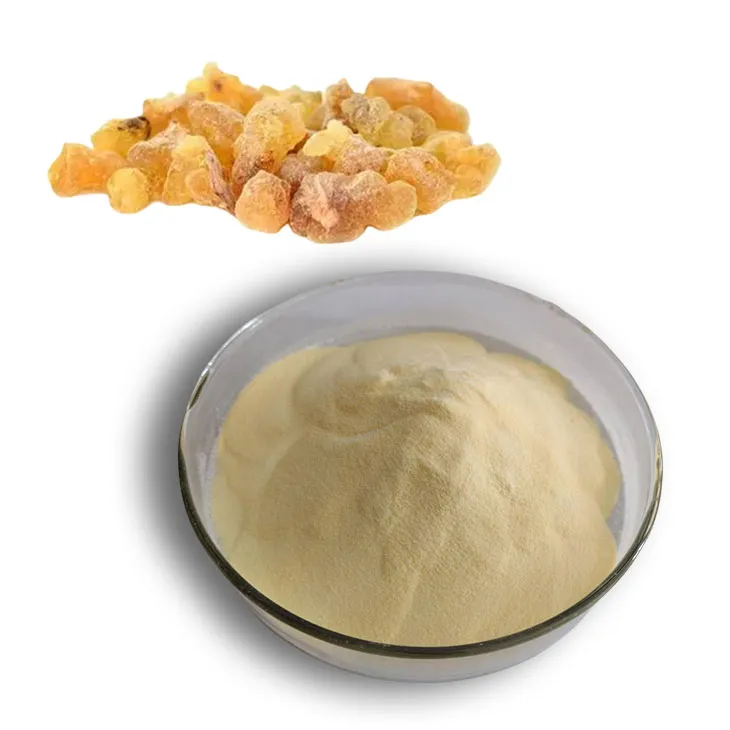
Table of Contents
What Is Boswellia Serrata Extract and Why Is It a Leading Natural Joint Health Ingredient?
Boswellic Acids: AKBA, KBA, and the Active Compounds Behind Frankincense
Clinical Evidence for Joint Health, Inflammation, and Respiratory Support
The 5-LOX Inhibition Mechanism: How Boswellia Works Differently from NSAIDs
Quality Markers: How to Identify Premium Boswellia Serrata Extract
Applications of Boswellia in Supplements, Topicals, and Functional Products
How Greensky Produces Standardized Boswellia Serrata Extract
B2B Sourcing Guide: Choosing the Right Boswellia Extract Supplier
Frequently Asked Questions
What Is Boswellia Serrata Extract and Why Is It a Leading Natural Joint Health Ingredient?
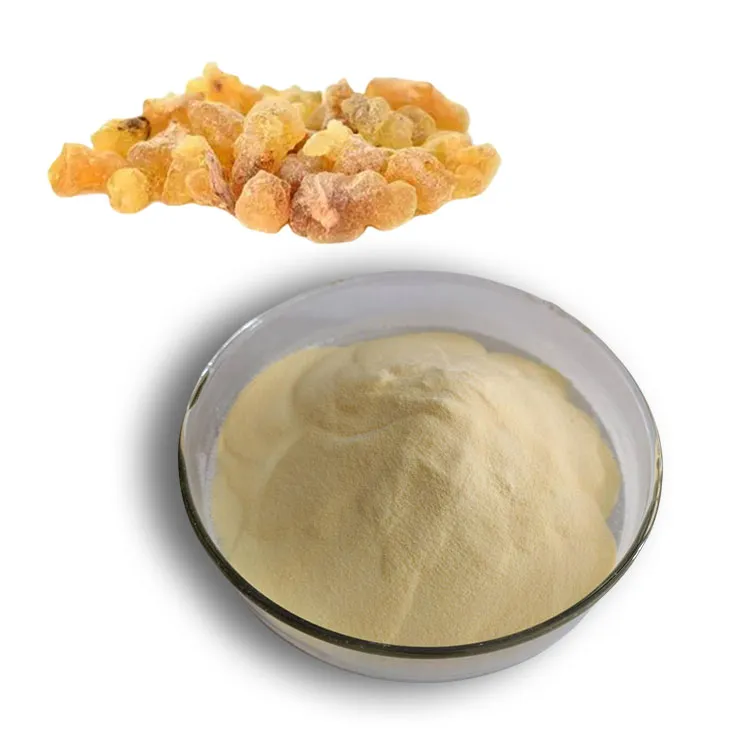
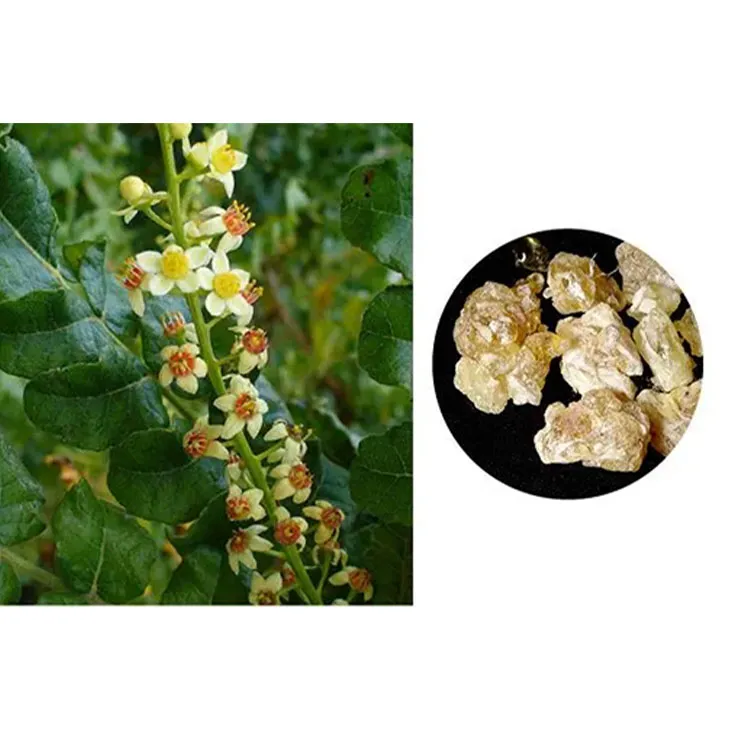
Boswellia serrata, commonly known as Indian frankincense, is a tree native to India, the Middle East, and North Africa. The resinous gum exuded from the tree's bark has been used for thousands of years in Ayurvedic and traditional medicine for its anti-inflammatory, analgesic, and anti-arthritic properties.
Modern science has identified boswellic acids — a group of pentacyclic triterpenic acids found in Boswellia resin — as the primary bioactive compounds responsible for its therapeutic effects. Unlike conventional NSAIDs, boswellic acids target the 5-lipoxygenase (5-LOX) pathway specifically, providing anti-inflammatory benefits without the gastrointestinal side effects associated with COX-inhibiting drugs.
The global Boswellia serrata extract market has grown significantly, driven by the expanding joint health supplement category and consumer preference for natural, well-tolerated anti-inflammatory ingredients.
Hangzhou Greensky Biological Tech. Co., Ltd. — a natural plant extract manufacturer since 2004, with nearly $30 million USD in annual exports to Europe, the United States, South Korea, and Russia — produces standardized Boswellia serrata extract for the global supplement industry.
Boswellic Acids: AKBA, KBA, and the Active Compounds Behind Frankincense
Boswellia serrata resin contains a complex mixture of boswellic acids, with the most pharmacologically significant being:
Acetyl-11-keto-β-boswellic Acid (AKBA)
AKBA is the most potent boswellic acid and the primary active compound responsible for Boswellia's anti-inflammatory activity:
5-LOX Inhibition — AKBA is a specific, irreversible inhibitor of 5-lipoxygenase, the enzyme responsible for converting arachidonic acid to leukotrienes
Potency — AKBA is approximately 5–10× more potent than other boswellic acids in 5-LOX inhibition assays
Clinical Relevance — Most clinical studies on Boswellia use extracts standardized to AKBA content
11-keto-β-boswellic Acid (KBA)
KBA is the non-acetylated counterpart of AKBA, also demonstrating 5-LOX inhibitory activity, though at lower potency.
β-Boswellic Acid (BA) and Acetyl-β-boswellic Acid (ABA)
These are the most abundant boswellic acids in Boswellia resin but have lower 5-LOX inhibitory activity compared to AKBA.
α-Boswellic Acid and Acetyl-α-boswellic Acid
Additional boswellic acid isomers that contribute to the overall pharmacological profile.
Standardization Levels
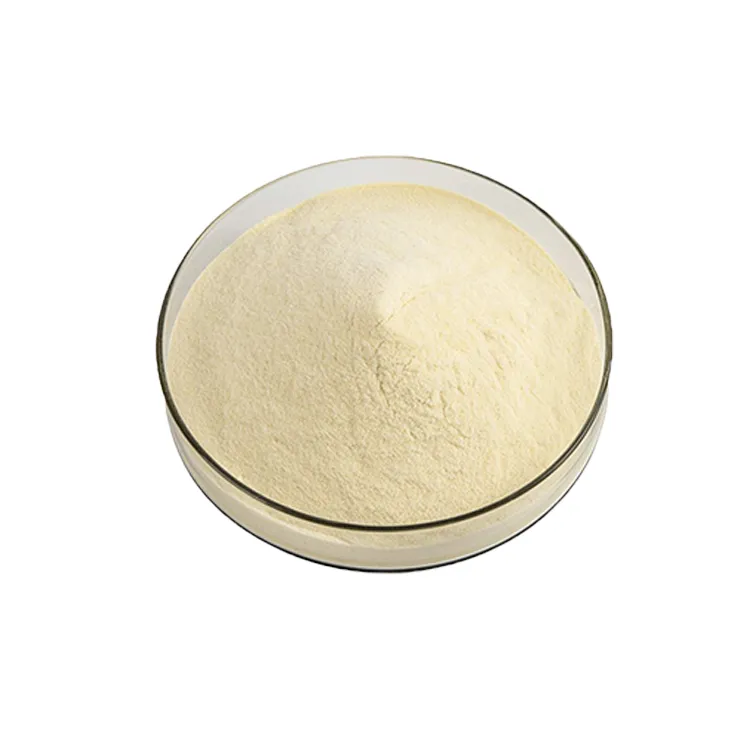
Specification Total Boswellic Acids AKBA Content Application 65% Boswellic Acids ~65% ~10–15% Standard joint health supplements 80%+ Boswellic Acids ~80%+ ~20–30% Premium supplements AKBA-enriched Extract ~90%+ 30–40%+ Clinical-grade formulations
Clinical Evidence for Joint Health, Inflammation, and Respiratory Support
Osteoarthritis and Joint Health
The strongest clinical evidence for Boswellia serrata is in osteoarthritis management:
A 2011 RCT (Sengupta et al.) found that a Boswellia serrata extract (containing 10% AKBA) significantly improved pain scores, joint flexibility, and functional capacity in patients with knee osteoarthritis over 90 days. The treatment group showed significant improvements as early as 7 days.
A 2014 Study demonstrated that a combination of Boswellia serrata extract and Curcumin produced greater improvements in WOMAC (Western Ontario and McMaster Universities Osteoarthritis Index) scores than either ingredient alone.
A 2019 Systematic Review analyzed multiple RCTs and concluded that Boswellia serrata extract significantly reduces pain and improves physical function in osteoarthritis patients, with an effect size comparable to NSAIDs but with fewer adverse events.
Inflammatory Bowel Disease (IBD)
A Clinical Trial in patients with collagenous colitis found that 400 mg of Boswellia serrata gum resin three times daily for 6 weeks produced remission rates of 82%, compared to 26% in the mesalazine (standard treatment) group.
A 2001 RCT in Crohn's disease patients found that Boswellia extract (350 mg three times daily) produced a significant reduction in the Crohn's Disease Activity Index (CDAI) compared to placebo.
Respiratory Health and Asthma
A 1998 Study found that Boswellia serrata extract (300 mg three times daily for 6 weeks) significantly improved symptoms in patients with chronic asthma, including reduced dyspnea, wheezing, and pulmonary function improvements. The mechanism is attributed to leukotriene inhibition — leukotrienes are key mediators of bronchoconstriction in asthma.
Exercise-Induced Joint Damage
A 2019 RCT found that Boswellia serrata extract reduced markers of exercise-induced joint damage and improved recovery in athletes engaged in high-impact training.
The 5-LOX Inhibition Mechanism: How Boswellia Works Differently from NSAIDs
The Arachidonic Acid Pathway
When cells are stimulated by inflammatory signals, arachidonic acid is released from cell membrane phospholipids and metabolized through two main pathways:
COX Pathway → Prostaglandins (targeted by NSAIDs like ibuprofen, aspirin)
5-LOX Pathway → Leukotrienes (targeted by Boswellia)
Why Dual Pathway Inhibition Matters
NSAIDs inhibit COX enzymes but not 5-LOX. This can cause a "shunt" effect where more arachidonic acid is diverted to the 5-LOX pathway, potentially increasing leukotriene production.
Boswellic acids specifically inhibit 5-LOX without affecting COX enzymes. This means Boswellia can be safely combined with NSAIDs and may actually complement their mechanism of action.
Combined COX + 5-LOX inhibition — Some formulations combine Boswellia with COX-inhibiting ingredients (Curcumin, ginger) for comprehensive inflammatory pathway coverage.
Gastrointestinal Safety
Unlike NSAIDs, which can cause gastric ulceration and GI bleeding through COX-1 inhibition (which protects the gastric mucosa), Boswellia does not inhibit COX-1 and therefore does not carry this risk. This makes Boswellia an attractive option for long-term joint health support.
Quality Markers: How to Identify Premium Boswellia Serrata Extract
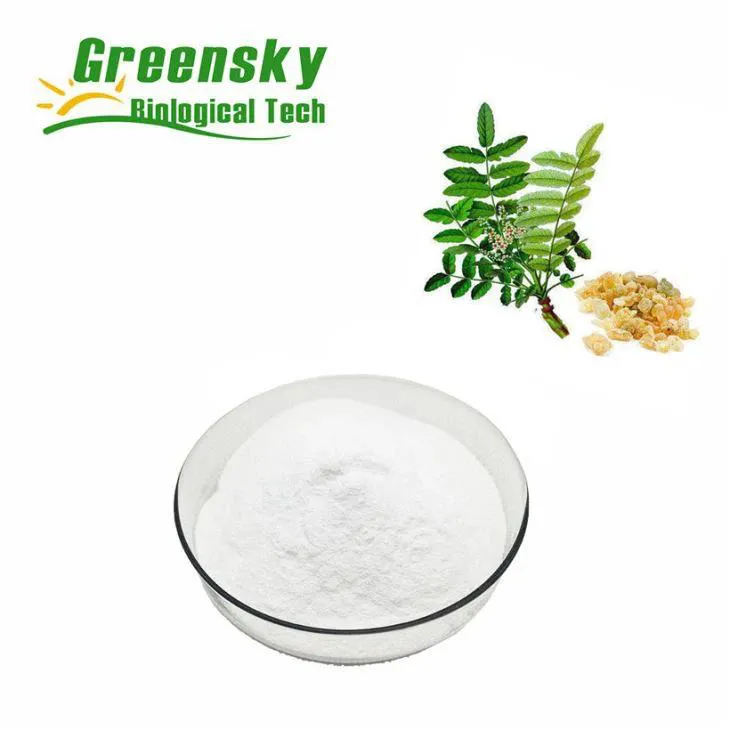
When sourcing Boswellia serrata extract, evaluate these critical parameters:
Boswellic Acid Profile — Request HPLC analysis of individual boswellic acids (AKBA, KBA, BA, ABA, α-BA, AαBA). Total boswellic acids alone is insufficient.
AKBA Content — This is the most clinically relevant marker. Ensure AKBA is specifically quantified.
Heavy Metals — Lead < 1.0 ppm, Arsenic < 0.5 ppm, Cadmium < 0.5 ppm, Mercury < 0.1 ppm.
Pesticide Residues — Boswellia resin should be tested against EU MRL standards.
Solvent Residues — Verify compliance with ICH Q3C guidelines. Ethanol-extracted material is preferred.
Particle Size — D90 < 80 mesh for capsule filling; finer grades available for tablet compression.
Microbiological Standards — Total plate count < 1,000 CFU/g, absence of specified pathogens.
Botanical Authentication — Verify Boswellia serrata (not other Boswellia species) through appropriate identification methods.
Applications of Boswellia in Supplements, Topicals, and Functional Products
Dietary Supplements
Boswellia serrata extract is a leading ingredient in joint health supplements, available in capsules, tablets, and softgels. It is frequently combined with Curcumin, glucosamine, chondroitin, and MSM for comprehensive joint support.
Topical Products
Boswellia's anti-inflammatory properties are utilized in topical pain relief creams, joint support gels, and soothing balms. Boswellia extract can be formulated into transdermal delivery systems for localized joint support.
Functional Beverages
Water-soluble Boswellia technologies are emerging for functional beverage applications, particularly in the sports recovery and wellness beverage categories.
Pet Supplements
The pet health supplement market has embraced Boswellia for canine joint health support, with growing demand for standardized Boswellia extracts in veterinary-grade formulations.
How Greensky Produces Standardized Boswellia Serrata Extract
Jiangxi Greensky Food Co., Ltd. produces Boswellia serrata extract using advanced extraction and purification technologies:
Carefully sourced Boswellia serrata resin — Ethically harvested from verified sources in India
Multi-stage extraction — Ethanol-based extraction to maximize boswellic acid recovery
Column chromatography — Precise enrichment and standardization of specific boswellic acid profiles
Vacuum drying systems — Preserves thermally sensitive boswellic acids during processing
100,000-class clean area — Food-grade production environment
Comprehensive analytical testing — HPLC profiling of all major boswellic acids, heavy metals, pesticides, and microbiological analysis
Certifications: ISO 22000, BRCGS, Ecocert Organic Standard, SGS-GMP, HALAL, Kosher.
B2B Sourcing Guide: Choosing the Right Boswellia Extract Supplier
Key procurement considerations:
Individual Boswellic Acid Quantification — Do not accept "total boswellic acids" without individual compound breakdown. AKBA content is the most clinically relevant specification.
Species Authentication — Ensure the extract is derived from Boswellia serrata specifically. Other Boswellia species (B. carterii, B. frereana) have different chemical profiles.
Ethical Sourcing — Boswellia trees are under pressure from over-tapping. Verify that your supplier sources from sustainable, ethically managed resin harvesting operations.
Extraction Method — Ethanol extraction is preferred over other solvents for food-grade applications. Verify the extraction method and residual solvent compliance.
Clinical-Grade Documentation — Request clinical study references, stability data, and regulatory documentation to support your product claims.
Supply Reliability — Greensky's export operations serve Europe, the US, South Korea, and Russia, with proven logistics and consistent supply capability.
Frequently Asked Questions
Q1: What is the recommended daily dosage of Boswellia serrata extract?A: Most clinical studies use 100–500 mg/day of standardized extract (containing 10–30% AKBA), divided into 1–3 doses. For joint health support, 250–500 mg/day of 65% boswellic acid extract is commonly used.
Q2: Can Boswellia be combined with other joint health ingredients?A: Yes. Boswellia is commonly combined with curcumin, glucosamine, chondroitin, MSM, collagen peptides, and hyaluronic acid in comprehensive joint health formulations. The 5-LOX inhibition mechanism of Boswellia complements the COX-inhibiting activity of curcumin.
Q3: Is Boswellia safe for long-term use?A: Boswellia has a long history of traditional use and a strong modern safety record. Clinical trials of up to 12 months have not identified significant safety concerns. It is generally well-tolerated, with mild GI discomfort being the most commonly reported side effect.
Q4: What is the difference between Boswellia gum resin and Boswellia extract?A: Boswellia gum resin is the raw, unprocessed resin. Boswellia extract is a concentrated preparation standardized to specific boswellic acid levels. Extracts provide consistent, predictable dosing compared to raw resin, which has variable boswellic acid content.
Q5: Does Greensky offer AKBA-enriched Boswellia extract?A: Yes. We can produce Boswellia serrata extract with enriched AKBA content (up to 30–40%+) for clients requiring high-potency formulations. Please contact our technical team for specific specifications and pricing.
- ▶ Hesperidin
- ▶ Citrus Bioflavonoids
- ▶ Plant Extract
- ▶ lycopene
- ▶ Diosmin
- ▶ Grape seed extract
- ▶ Sea buckthorn Juice Powder
- ▶ Fruit Juice Powder
- ▶ Hops Extract
- ▶ Artichoke Extract
- ▶ Mushroom extract
- ▶ Astaxanthin
- ▶ Green Tea Extract
- ▶ Curcumin
- ▶ Horse Chestnut Extract
- ▶ Other Product
- ▶ Boswellia Serrata Extract
- ▶ Resveratrol
- ▶ Marigold Extract
- ▶ Grape Leaf Extract
- ▶ New Product
- ▶ Aminolevulinic acid
- ▶ Cranberry Extract
- ▶ Red Yeast Rice
- ▶ Red Wine Extract
- ▶ blog
-
Bayberry Extract
2026-11-14
-
Giant Knotweed Extract
2026-11-14
-
Lion's Mane Mushroom Extract
2026-11-14
-
Milk Thistle Extract
2026-11-14
-
Lycopene
2026-11-14
-
Genistein
2026-11-14
-
Liposomal NMN
2026-11-14
-
Troxerutin
2026-11-14
-
Moringa powder
2026-11-14
-
Honeysuckle Pollen
2026-11-14