- 0086-571-85302990
- [email protected]




Boswellia Serrata Extract
2026-10-07
Meta Title: Boswellia Serrata Extract B2B Guide — AKBA Standardization, Joint Health | GreenSky Bio Meta Description: Complete B2B guide to Boswellia Serrata Extract. Covers AKBA standardization, gum resin extraction, joint health applications, quality specifications, and formulation guidance for supplements and cosmetics. Canonical URL: https://www.greenskybio.com/blog/boswellia-serr
What Is Boswellia Serrata Extract?
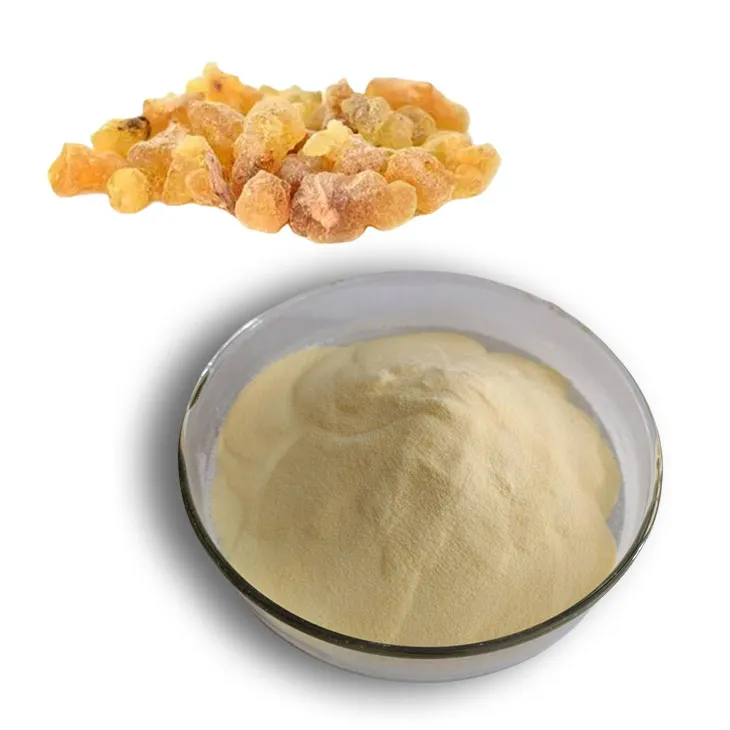
Boswellia serrata extract is derived from the gum resin of the Boswellia serrata tree, a moderate-to-large branching deciduous tree native to India, North Africa, and the Middle East. The resin — commonly known as frankincense or olibanum — has been used in traditional Ayurvedic medicine for over 3,000 years, primarily for its anti-inflammatory and joint-support properties.
The global Boswellia extract market is valued at approximately USD 80-100 million (2024) and is growing at 7-9% CAGR, driven by increasing consumer demand for natural joint health solutions, sports recovery products, and clean-label anti-inflammatory ingredients.
Key Active Compounds: Boswellic Acids
The primary bioactive compounds in Boswellia serrata are pentacyclic triterpenic acids, collectively known as boswellic acids:
Compound Abbreviation Approximate Proportion Key Activity 3-O-acetyl-11-keto-β-boswellic acid AKBA 1-5% (in raw resin) Most potent; primary 5-LOX inhibitor 11-keto-β-boswellic acid KBA 1-3% Potent 5-LOX inhibition 3-O-acetyl-β-boswellic acid ABA 15-25% Moderate anti-inflammatory activity β-boswellic acid BA 20-35% Baseline anti-inflammatory activity α-boswellic acid α-BA 5-15% Complementary activity
AKBA is the gold standard marker for Boswellia extract quality and potency. It is the most potent inhibitor of 5-lipoxygenase (5-LOX), the enzyme responsible for leukotriene synthesis in the inflammatory cascade.
Boswellia Serrata vs. Other Boswellia Species
Species Origin Key Characteristics Commercial Use Boswellia serrata India Highest AKBA content; most studied Primary commercial species for supplements Boswellia sacra/carterii Oman, Somalia Different resin profile; prized for fragrance Aromatherapy, essential oil Boswellia frereana Somalia High incensole acetate content Fragrance, traditional medicine Boswellia papyrifera Ethiopia, Sudan Lower boswellic acid content Regional use, incense
B. serrata is the species of choice for supplement and cosmetic applications due to its superior boswellic acid profile and extensive clinical research.
Extraction Methods
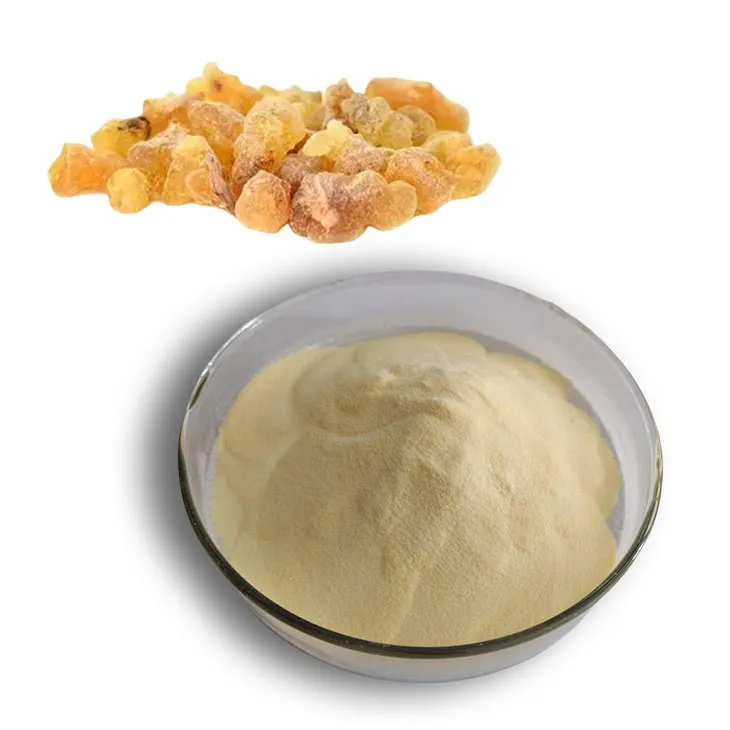
Solvent Extraction (Industry Standard)
The most common commercial method for boswellic acid extraction:
Process Flow:
Raw material sorting — Gum resin is sorted and cleaned to remove bark, sand, and debris
Milling — Cleaned resin is ground to 20-40 mesh particle size
Solvent extraction — Ethanol or ethanol-water mixture (70-95%) is used at 40-60°C for 2-4 hours
Filtration — Insoluble materials (polysaccharides, debris) are removed
Concentration — Solvent is recovered via vacuum evaporation
Standardization — Extract is standardized to target boswellic acid/AKBA content
Drying — Spray drying or vacuum drying produces the final powder
Yield: Typically 30-50% extract from raw gum resin
Supercritical CO₂ Extraction (Premium)
Supercritical CO₂ extraction produces a full-spectrum Boswellia extract:
Advantages: Solvent-free, preserves volatile terpenes, clean-label
Operating conditions: 25-35 MPa, 40-50°C
Profile: Contains boswellic acids + essential oil components (terpenes)
Best for: Premium supplement brands, clean-label applications, topical formulations
Enriched AKBA Extraction (Premium Standardization)
Specialized processes can enrich AKBA content beyond natural levels:
Chromatographic separation — Isolates AKBA from other boswellic acids
Crystallization-based enrichment — Exploits differential solubility of boswellic acid compounds
Typical enrichment: 2-5% AKBA in standard extract → 10-30% in enriched extract
Application: High-potency joint health supplements, clinical-grade formulations
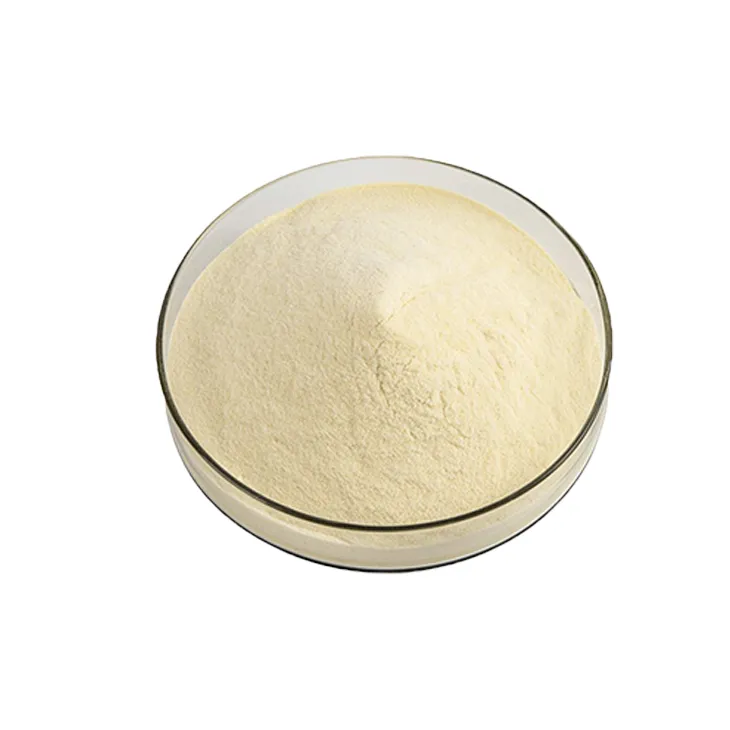
Standardization Grades and Specifications
Common Boswellia Extract Grades
Grade Total Boswellic Acids AKBA Content Primary Use Standard extract 60-65% 1-3% General joint health supplements High-potency extract 65-85% 3-10% Premium joint health, sports recovery AKBA-enriched extract 65-85% total 10-30% AKBA Clinical-grade formulations, targeted dosing Full-spectrum CO₂ extract 40-60% 2-5% Premium supplements, topical applications Water-soluble extract 30-50% total (modified) 1-3% Beverage applications, gummies
Quality Specification Sheet (Boswellia Extract, 65% Boswellic Acids)
Parameter Specification Test Method Total boswellic acids ≥65% HPLC AKBA ≥2% HPLC KBA ≥1% HPLC ABA ≥15% HPLC BA ≥20% HPLC Loss on drying ≤5.0% USP <731> Ash content ≤2.0% USP <281> Heavy metals Pb ≤1.0 ppm, As ≤1.0 ppm, Cd ≤0.5 ppm, Hg ≤0.1 ppm ICP-MS Pesticide residues Compliant with EU limits GC-MS/LC-MS Microbial limits TPC <1,000 CFU/g, Yeast/Mold <100 CFU/g, E. coli/Salmonella: Negative USP <61>, <62> Solvent residues Ethanol <5,000 ppm GC (USP <467>) Particle size 95% through 80 mesh Sieve analysis
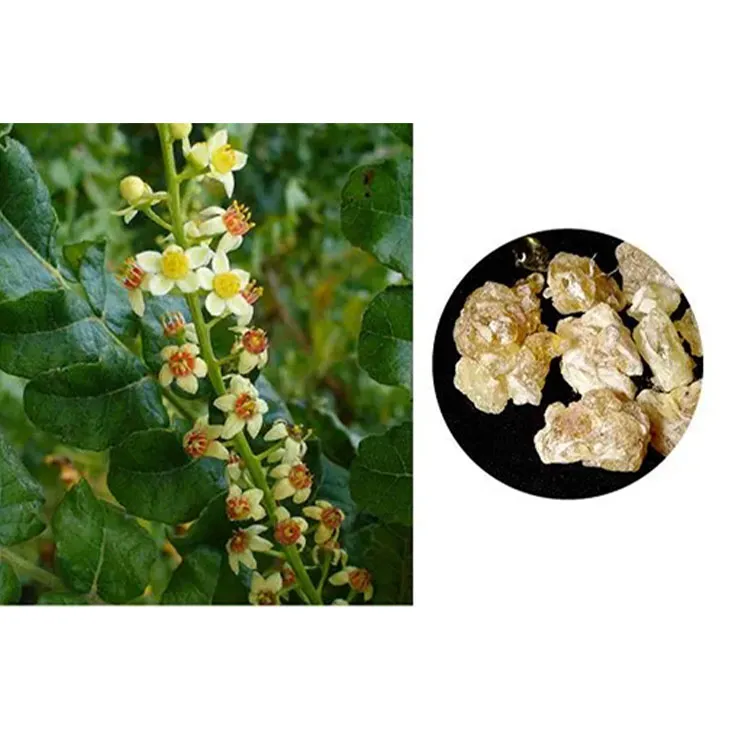
Mechanism of Action
5-LOX Inhibition — The Key Differentiator
Boswellia's primary mechanism of action is the inhibition of 5-lipoxygenase (5-LOX), an enzyme that converts arachidonic acid into pro-inflammatory leukotrienes:
Arachidonic Acid
    │
    ├── (COX pathway) → Prostaglandins → Inflammation, pain
    │                      ↑
    │                   Inhibited by NSAIDs, Curcumin
    │
    └── (5-LOX pathway) → Leukotrienes → Inflammation, tissue damage
                             ↑
                        Inhibited by AKBA (Boswellia)
Why this matters: Most anti-inflammatory supplements (Curcumin, omega-3) primarily target the COX pathway (similar to NSAIDs). Boswellia uniquely targets the 5-LOX pathway, providing complementary anti-inflammatory action. This is why Boswellia + Curcumin combinations are so effective — they cover both inflammatory pathways.
Additional Mechanisms
Mechanism Evidence Level Implication 5-LOX inhibition (AKBA) Strong (clinical) Primary anti-inflammatory mechanism NF-κB inhibition Moderate (in vitro/animal) Reduces inflammatory gene expression Human leukocyte elastase inhibition Moderate Tissue protection in joint degradation Anti-cartilage degradation Moderate (clinical) Slows osteoarthritis progression Gut barrier support Emerging Potential IBD applications
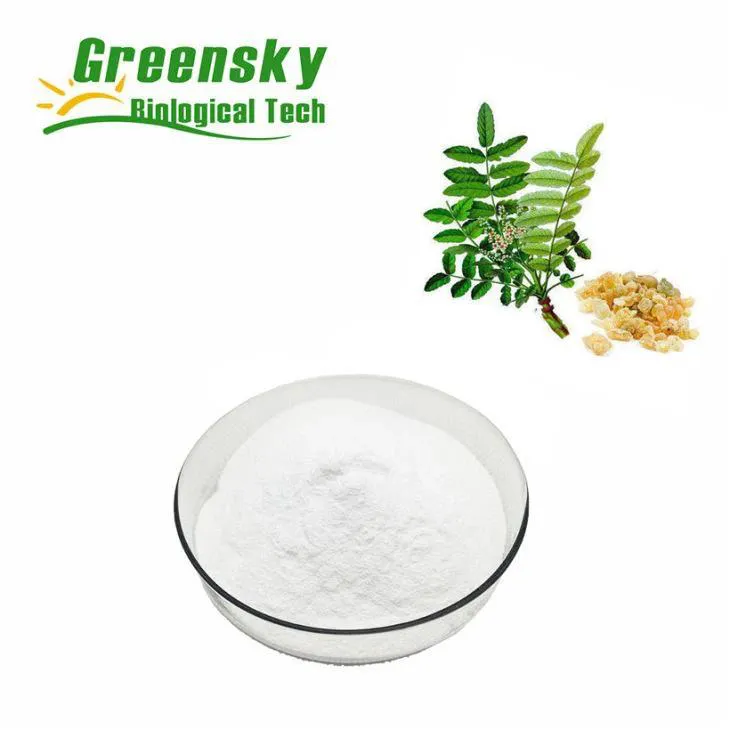
Applications and Market Segments
Joint Health Supplements (Largest Segment)
Boswellia is one of the top ingredients in joint health supplement formulations:
Formulation Type Typical Boswellia Dose Common Combinations Standalone Boswellia 100-500 mg (standardized extract) — Joint health blend 100-250 mg Curcumin, glucosamine, MSM, hyaluronic acid Sports recovery 250-500 mg Curcumin, tart cherry, ginger, omega-3 Mobility formulas 100-200 mg Collagen, vitamin D, magnesium
Clinical dosing: Most clinical studies use 100-500 mg per day of standardized Boswellia extract (60-65% boswellic acids). AKBA-enriched extracts may use lower doses (50-150 mg).
Cosmetic and Personal Care
Boswellia extract is increasingly used in cosmetic formulations:
Application Function Typical Usage Level Anti-aging creams Anti-inflammatory, skin soothing 0.1-1.0% Acne treatments Anti-inflammatory, sebum modulation 0.5-2.0% After-sun products Soothing, anti-redness 0.5-2.0% Sensitive skin formulations Calming, barrier support 0.1-0.5% Scalp treatments Anti-inflammatory for irritated scalp 0.1-1.0%
Sports Nutrition
The sports recovery market represents a significant growth opportunity for Boswellia:
Post-workout recovery — Reduces exercise-induced inflammation and muscle soreness
Joint support for athletes — Maintains joint health in high-impact sports
Endurance recovery — Supports faster recovery between training sessions
Combination with curcumin — Dual-pathway anti-inflammatory coverage
Synergistic Combinations
Boswellia works synergistically with several other botanical ingredients:
Combination Synergy Mechanism Application Boswellia + Curcumin Dual COX + 5-LOX pathway inhibition Joint health, sports recovery Boswellia + Glucosamine Anti-inflammatory + cartilage building Osteoarthritis support Boswellia + MSM Anti-inflammatory + sulfur donor for connective tissue Joint mobility Boswellia + Hyaluronic Acid Anti-inflammatory + joint lubrication Comprehensive joint support Boswellia + Omega-3 Multi-pathway anti-inflammatory Systemic inflammation support Boswellia + Ginger Complementary anti-inflammatory compounds Pain management, digestion
Sourcing Considerations for B2B Buyers
Origin and Quality Factors
India is the primary commercial source of Boswellia serrata:
Madhya Pradesh — Major growing region; good quality resin
Rajasthan — Significant production; moderate boswellic acid content
Odisha — Emerging source; organic cultivation increasing
Key quality factors:
Resin grading — Hand-sorted resin with minimal bark/sand contamination produces higher-quality extracts
Harvesting season — Resin quality varies by collection timing; spring harvest typically has higher boswellic acid content
Storage conditions — Raw resin should be stored in cool, dry conditions to prevent degradation of volatile compounds
What to Verify When Sourcing
Boswellic acid profile — Request full HPLC breakdown of all five major boswellic acids, not just total content
AKBA content — Critical potency marker; verify by HPLC (not UV spectrophotometry)
Species verification — Confirm B. serrata (not other Boswellia species with different profiles)
Solvent residues — For solvent-extracted material, request GC analysis
Heavy metal testing — Standard ICP-MS panel
Microbial testing — Gum resin can harbor microbes; verify comprehensive testing
Adulteration screening — Some suppliers may mix B. serrata with other Boswellia species; HPLC fingerprinting can detect this
Red Flags in Boswellia Sourcing
Warning Sign Risk How to Verify Price significantly below market May be adulterated with other Boswellia species HPLC fingerprinting; species verification No AKBA data Cannot verify potency Request full HPLC chromatogram Very high total boswellic acids (>90%) Possible synthetic addition or testing error Independent lab verification Inconsistent color between batches Variable raw material quality Compare CoAs across batches Strong foreign odor Possible contamination or wrong species Sensory evaluation; GC analysis
Regulatory Status
Region Status Notes USA (FDA) Dietary supplement ingredient; GRAS for food use Structure/function claims allowed under DSHEA EU (EFSA) Novel food status; traditional herbal medicine in some countries Health claims require EFSA authorization China (NHC) Approved as health food raw material Listed in Chinese Pharmacopoeia as 乳香 India (AYUSH) Approved Ayurvedic medicine ingredient Long traditional use Australia (TGA) Listed medicine ingredient AUST L registration for therapeutic claims
Storage and Handling
Temperature: Store at 15-25°C
Humidity: Keep relative humidity below 60%
Light protection: Store in opaque packaging
Shelf life: 24 months when stored properly
Packaging: Aluminum foil bags with inner PE liner; food-grade HDPE drums for bulk
Why Choose GreenSky Bio for Boswellia Extract?
GreenSky Bio offers premium Boswellia serrata extracts with verified quality:
Standardized boswellic acid extracts — 65%, 85% grades with full HPLC profiles
AKBA-enriched extracts — 10-30% AKBA for high-potency formulations
CO₂-extracted full-spectrum — Solvent-free, clean-label option
Water-soluble options — For beverage and gummy applications
Custom standardization — Tailored boswellic acid ratios per your specification
Every batch is supported by a comprehensive CoA with individual boswellic acid verification.
for samples, pricing, and technical documentation.
Frequently Asked Questions
What is AKBA and why is it important?
AKBA (3-O-acetyl-11-keto-β-boswellic acid) is the most potent boswellic acid compound and the primary 5-LOX inhibitor in Boswellia serrata extract. It is considered the gold standard marker for extract quality and potency. Higher AKBA content generally correlates with stronger anti-inflammatory efficacy.
How does Boswellia compare to NSAIDs for joint health?
Boswellia and NSAIDs work through different mechanisms. NSAIDs primarily inhibit the COX enzyme pathway, while Boswellia (specifically AKBA) inhibits the 5-LOX pathway. This means Boswellia provides anti-inflammatory action without the gastrointestinal side effects associated with long-term NSAID use. Many formulations combine both pathways (Boswellia + Curcumin) for comprehensive coverage.
What is the recommended daily dosage of Boswellia extract?
Most clinical studies use 100-500 mg per day of standardized Boswellia extract (60-65% boswellic acids). For AKBA-enriched extracts (10-30% AKBA), lower doses of 50-150 mg may be effective. Always follow the specific product formulation and consult regulatory guidelines for your market.
Can Boswellia extract be used in topical products?
Yes. Boswellia extract is increasingly used in topical cosmetic formulations for its anti-inflammatory and skin-soothing properties. Usage levels typically range from 0.1-2.0% depending on the application. CO₂-extracted Boswellia is preferred for topical use due to its full-spectrum profile including volatile terpenes.
Is Boswellia extract safe for long-term use?
- ▶ Hesperidin
- ▶ Citrus Bioflavonoids
- ▶ Plant Extract
- ▶ lycopene
- ▶ Diosmin
- ▶ Grape seed extract
- ▶ Sea buckthorn Juice Powder
- ▶ Fruit Juice Powder
- ▶ Hops Extract
- ▶ Artichoke Extract
- ▶ Mushroom extract
- ▶ Astaxanthin
- ▶ Green Tea Extract
- ▶ Curcumin
- ▶ Horse Chestnut Extract
- ▶ Other Product
- ▶ Boswellia Serrata Extract
- ▶ Resveratrol
- ▶ Marigold Extract
- ▶ Grape Leaf Extract
- ▶ New Product
- ▶ Aminolevulinic acid
- ▶ Cranberry Extract
- ▶ Red Yeast Rice
- ▶ Red Wine Extract
- ▶ blog
-
Rose Hip Extract
2026-10-07
-
Tongkat Ali Extract Powder
2026-10-07
-
Tinospora cordifolia extract
2026-10-07
-
Yohimbine Bark Extract
2026-10-07
-
Mulberry leaf Extract
2026-10-07
-
Rhodiola Rosea Extract
2026-10-07
-
Quercetin
2026-10-07
-
Kidney Bean Extract
2026-10-07
-
Apricot Powder
2026-10-07
-
Artichoke Extract
2026-10-07