- 0086-571-85302990
- [email protected]






Boswellia Serrata Extract: The Complete B2B Buyer's Guide to Sourcing Standardized AKBA Boswellic Ac
2026-10-03
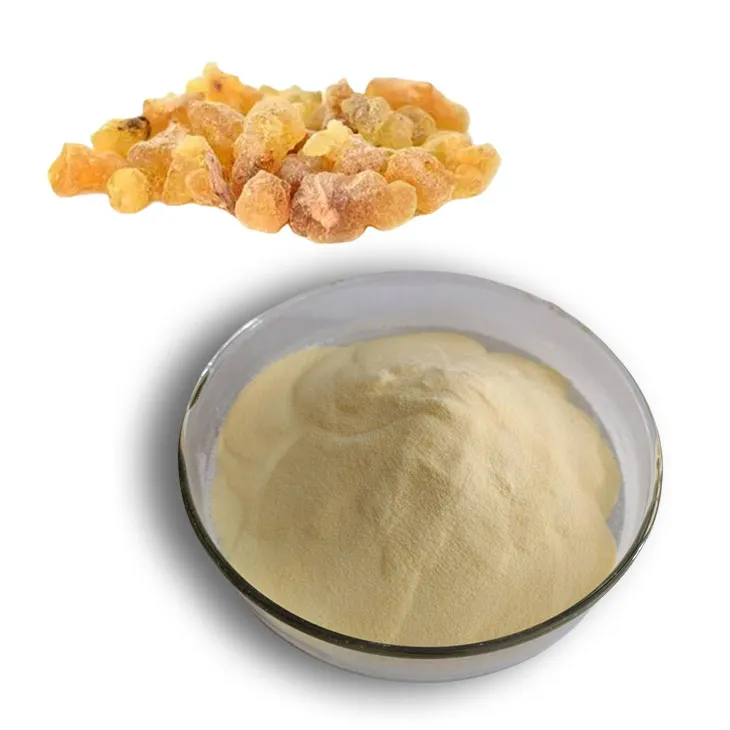
Boswellia Serrata Extract: The Complete B2B Buyer's Guide to Sourcing Standardized AKBA Boswellic Acids
The global joint health supplements market is projected to exceed $5 billion by 2030, driven by aging populations, rising arthritis prevalence, and growing consumer demand for evidence-based natural alternatives to conventional anti-inflammatory medications. At the forefront of this expansion is Boswellia serrata extract — one of the most clinically validated botanical ingredients for joint health, inflammatory modulation, and respiratory support.
For supplement brands, nutraceutical formulators, and health product manufacturers, sourcing high-quality Boswellia serrata extract with standardized boswellic acid and AKBA (3-O-acetyl-11-keto-β-boswellic acid) content is critical to product efficacy, regulatory compliance, and brand reputation. Yet the market is fragmented, with significant variability in active compound concentrations, extraction methodologies, and quality control practices among suppliers.
This guide provides everything procurement professionals, R&D formulators, and product managers need to make informed sourcing decisions — from understanding the key bioactive compounds to evaluating extraction processes, verifying quality specifications, and selecting a reliable plant extract manufacturer that can deliver consistent, clinically effective Boswellia serrata raw materials.
What Is Boswellia Serrata Extract?
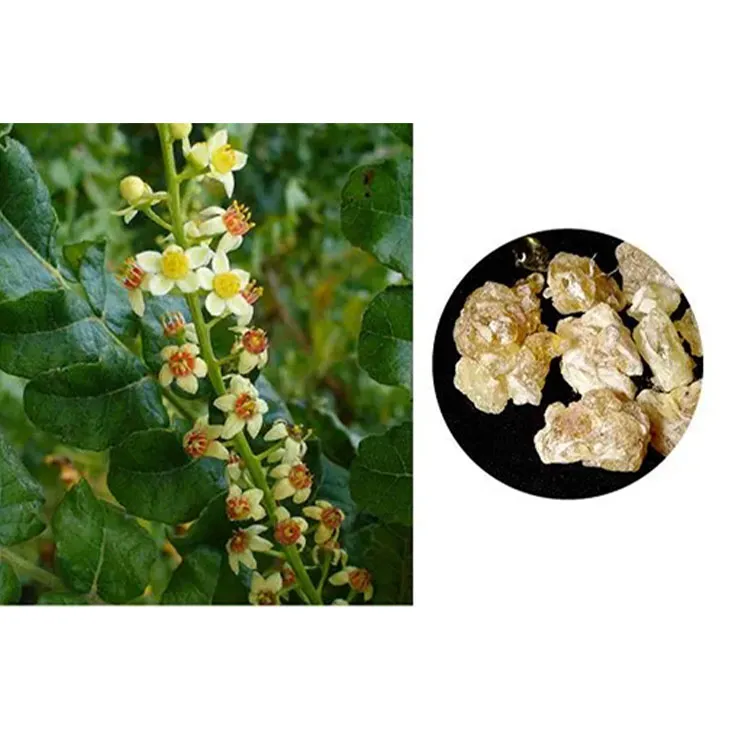
Boswellia serrata, commonly known as Indian frankincense or Shallaki, is a medium-sized deciduous tree native to the arid regions of India, North Africa, and the Middle East. The resinous gum exuded by the tree — historically traded along ancient incense routes — has been used in Ayurvedic and traditional Chinese medicine for over 2,000 years to treat inflammatory conditions, joint disorders, and respiratory ailments.
Modern natural plant extract technology has transformed this traditional remedy into a standardized, pharmaceutical-grade botanical ingredient. The extraction process isolates the bioactive triterpenic acids — collectively known as boswellic acids — which are responsible for the resin's therapeutic properties. These compounds are concentrated into a powder or extract form suitable for incorporation into dietary supplements, functional foods, topical formulations, and pharmaceutical products.
Today, Boswellia serrata extract is one of the most widely traded botanical extract ingredients in the global nutraceutical supply chain, with demand accelerating particularly in Western markets where consumers increasingly seek science-backed natural anti-inflammatory solutions.
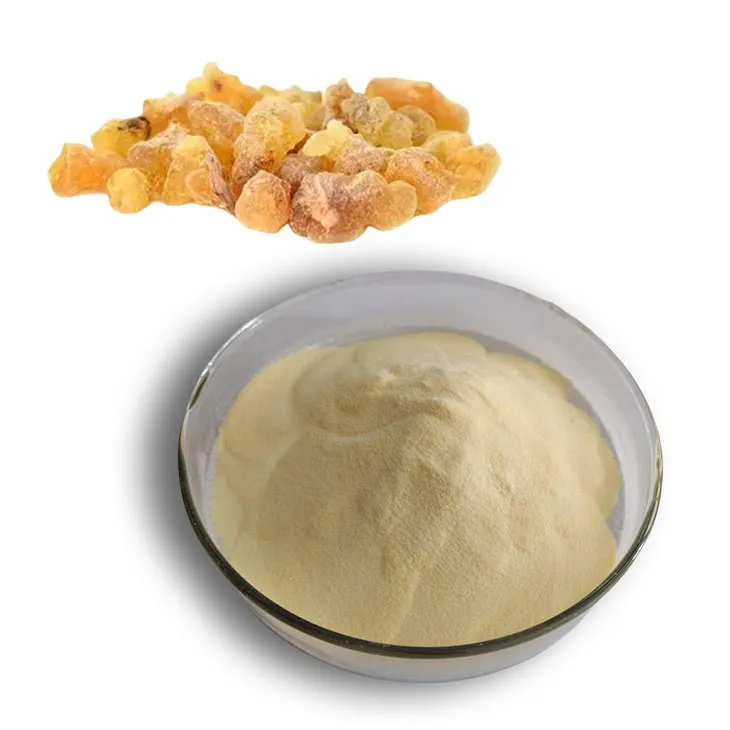
Key Bioactive Compounds in Boswellia Serrata Extract
Understanding the chemical profile of Boswellia serrata extract is essential for any buyer evaluating quality specifications. The therapeutic activity of Boswellia extract is derived from a complex mixture of pentacyclic triterpenic acids, each contributing differently to the overall pharmacological effect.
AKBA (3-O-Acetyl-11-keto-β-boswellic Acid)
AKBA is widely recognized as the most potent bioactive compound in Boswellia serrata extract. It is the primary inhibitor of 5-lipoxygenase (5-LOX), the enzyme responsible for synthesizing leukotrienes — inflammatory mediators implicated in asthma, arthritis, inflammatory bowel disease, and other chronic inflammatory conditions. Research has demonstrated that AKBA is the most powerful leukotriene synthesis inhibitor among all boswellic acids, making it the single most important marker for extract potency and clinical efficacy.
For standardized extracts, AKBA content is typically specified at a minimum of 10% by HPLC analysis. Premium-grade extracts may achieve 15-30% AKBA through advanced fractionation techniques. When evaluating suppliers, AKBA standardization should be the primary quality benchmark.
KBA (11-keto-β-boswellic Acid)
KBA is a closely related keto-boswellic acid that also exhibits significant 5-LOX inhibitory activity, though somewhat less potent than AKBA. Together with AKBA, KBA constitutes the "keto-boswellic acid" fraction, which is considered the most therapeutically relevant component of the extract. Many pharmacopoeia monographs now specify combined AKBA + KBA content as a quality parameter, reflecting the synergistic anti-inflammatory activity of these compounds.
Acetyl-11-keto-β-boswellic Acid (AKBA)
AKBA (also written as acetyl-11-keto-β-boswellic acid) represents the acetylated form of KBA and is structurally identical to the AKBA described above. The nomenclature can be confusing, as different suppliers and pharmacopoeias use varying abbreviations. Regardless of nomenclature, this compound — the acetylated keto-derivative — is the most potent anti-inflammatory constituent and should be the primary marker for extract standardization.
β-Boswellic Acid (BBA)
β-Boswellic acid is the most abundant individual boswellic acid in raw Boswellia resin and serves as the precursor for the acetylated and keto-derivatives (AKBA and KBA). While β-boswellic acid itself exhibits moderate anti-inflammatory activity through NF-κB pathway inhibition, its presence in an extract is also an indicator of the overall boswellic acid profile and extraction completeness. Typical quality specifications call for total boswellic acids of 65% or higher, with β-boswellic acid contributing a significant portion of this total.
Other Contributing Compounds
Beyond the four primary boswellic acids, the extract contains additional bioactive constituents including α-boswellic acid, 11-keto-α-boswellic acid, acetyl-α-boswellic acid, and acetyl-β-boswellic acid. These compounds contribute to the overall anti-inflammatory, anti-microbial, and anti-proliferative activity of the extract. A high-quality botanical extract supplier will provide a comprehensive HPLC fingerprint profile rather than a single-compound assay.
Clinically Supported Health Benefits
The commercial value of Boswellia serrata extract is grounded in a robust and growing body of clinical evidence. Understanding these validated applications helps buyers position products effectively and ensures formulations are dosed appropriately for the intended health benefit.
Joint Health and Osteoarthritis Management
The most extensively researched application of Boswellia serrata extract is in joint health and osteoarthritis management. Multiple randomized controlled trials have demonstrated that standardized Boswellia extract significantly reduces pain, improves joint mobility, and decreases inflammatory markers in patients with knee osteoarthritis. A landmark study published in the International Journal of Medical Sciences showed that participants receiving 250 mg of enriched AKBA extract twice daily experienced statistically significant improvements in WOMAC (Western Ontario and McMaster Universities Osteoarthritis Index) scores within seven days — a notably faster onset than many conventional NSAIDs.
For supplement formulators, this evidence supports positioning Boswellia serrata extract as a core ingredient in joint health formulations, either as a standalone product or in combination with glucosamine, chondroitin, MSM, Curcumin, and hyaluronic acid.
Broad Anti-Inflammatory Action
Beyond joint-specific applications, the 5-LOX inhibitory mechanism of boswellic acids confers broad-spectrum anti-inflammatory benefits. Unlike NSAIDs, which primarily target the COX pathway and carry gastrointestinal and cardiovascular risks, Boswellia extract addresses the complementary leukotriene pathway with a favorable safety profile. This dual-pathway approach — often combined with COX-targeting ingredients like Curcumin — provides comprehensive inflammatory modulation for chronic conditions including rheumatoid arthritis, tendinitis, and general musculoskeletal inflammation.
Respiratory Health and Asthma Support
Leukotrienes are key mediators of bronchoconstriction and airway inflammation in asthma and chronic obstructive pulmonary disease (COPD). Clinical studies have shown that Boswellia serrata extract reduces leukotriene levels, decreases asthma attack frequency, and improves pulmonary function in patients with chronic asthma. For respiratory health product developers, standardized AKBA-rich extracts offer a scientifically validated botanical option for lung health and bronchial support formulations.
Inflammatory Bowel Disease (IBD) Support
Emerging clinical research supports the use of Boswellia serrata extract in inflammatory bowel disease management, including ulcerative colitis and Crohn's disease. Studies have shown that boswellic acids reduce colonic inflammation, decrease stool frequency, and improve clinical remission rates. While this application remains more specialized, it represents a significant growth opportunity for nutraceutical companies developing targeted gastrointestinal health products.
Additional Research Areas
Ongoing research is exploring Boswellia serrata extract's potential in skin health (anti-aging and anti-acne applications), cognitive health (neuroinflammation reduction), and metabolic health. As clinical evidence accumulates, the addressable market for standardized Boswellia extracts continues to expand.
Extraction and Production Process
The quality of Boswellia serrata extract is fundamentally determined by the extraction methodology. Buyers should understand the production process to evaluate whether a supplier's product will consistently meet quality and potency requirements.
Raw Material Sourcing
High-quality extraction begins with responsible sourcing of Boswellia serrata resin. The tree grows primarily in the dry, rocky regions of central and northern India, as well as parts of the Arabian Peninsula. Premium resin is hand-harvested from mature trees, with the highest boswellic acid content typically found in resin tears from the central Indian highlands. Reputable plant extract manufacturer partners maintain direct sourcing relationships with established harvesting cooperatives and implement rigorous incoming material testing for botanical identity, moisture content, and baseline boswellic acid levels.
Extraction Methodology
The most widely adopted extraction process for Boswellia serrata involves solvent extraction using food-grade ethanol, followed by concentration, purification, and standardization. The general process flow is as follows:
Resin preparation: Raw Boswellia serrata resin is cleaned, sorted, and milled to a uniform particle size to maximize extraction surface area.
Solvent extraction: The milled resin undergoes multi-stage ethanol extraction at controlled temperatures (typically 50-70°C) to dissolve the boswellic acid fraction while minimizing degradation of heat-sensitive compounds.
Filtration and concentration: The extract solution is filtered to remove insoluble matter, then concentrated under reduced pressure using low-temperature evaporation to preserve compound integrity.
Purification and fractionation: Advanced suppliers employ column chromatography or crystallization techniques to enrich specific boswellic acid fractions — particularly AKBA — to achieve target standardization levels.
Drying: The concentrated extract is dried using spray drying or vacuum drying to produce a free-flowing powder with controlled moisture content (typically <5%).
Standardization and blending: Final product is blended to achieve the target boswellic acid and AKBA specifications, with each batch verified through HPLC analysis.
Quality Control During Production
Manufacturers operating under GMP standards implement in-process quality checks at each production stage. This includes raw material identification (HPTLC fingerprint), solvent residue testing, intermediate concentrate assay, and final product specification verification. Certifications such as ISO22000, BRCGS, and SGS-GMP ensure that these processes meet international food safety and quality standards — a critical consideration for B2B buyers supplying regulated markets.
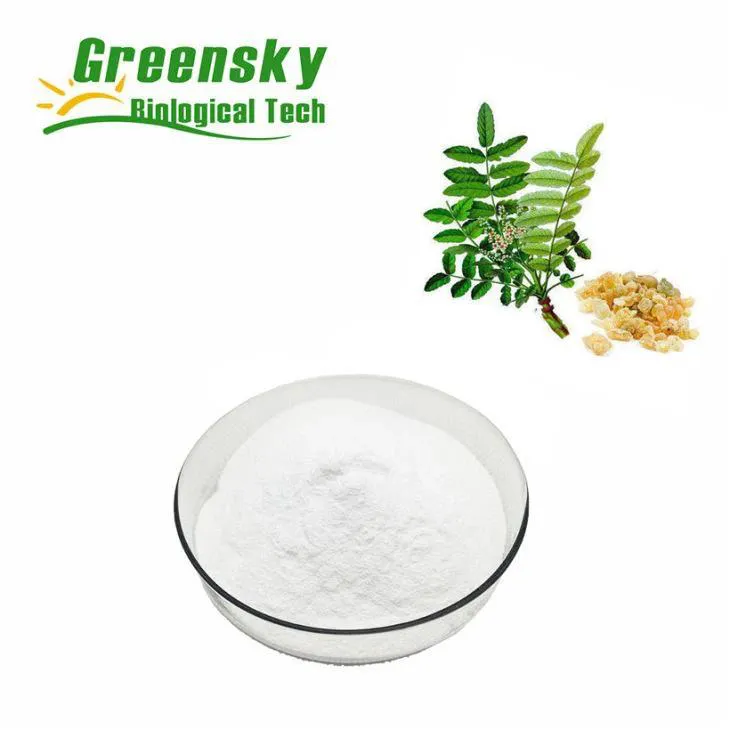
Quality Specifications for Boswellia Serrata Extract
When procuring Boswellia serrata extract, buyers should request a comprehensive Certificate of Analysis (CoA) for each batch. The following table outlines typical industry-standard specifications for a premium-grade standardized extract:
| Parameter | Specification | Test Method |
|---|---|---|
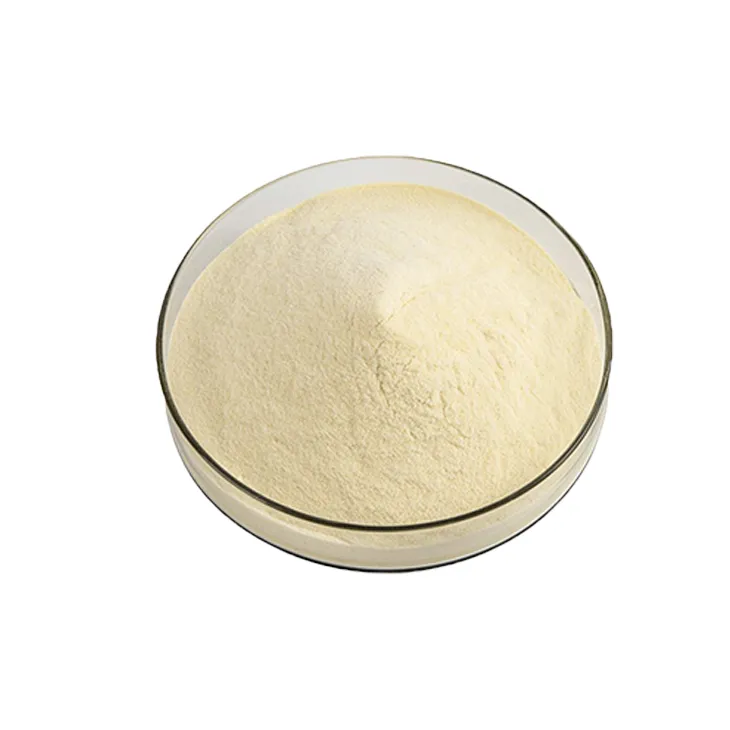
| Appearance | Light brown to brown fine powder | Visual |
| Odor & Taste | Characteristic aromatic odor; slightly bitter taste | Organoleptic |
| Total Boswellic Acids | ≥ 65% | HPLC |
| AKBA (3-O-Acetyl-11-keto-β-boswellic acid) | ≥ 10% | HPLC |
| KBA (11-keto-β-boswellic acid) | ≥ 5% | HPLC |
| β-Boswellic Acid | ≥ 20% | HPLC |
| α-Boswellic Acid | ≥ 10% | HPLC |
| Moisture Content | ≤ 5.0% | Loss on Drying |
| Ash Content | ≤ 5.0% | Gravimetric |
| Solvent Residue (Ethanol) | ≤ 5000 ppm | GC |
| Heavy Metals (Pb, As, Cd, Hg) | Within EU/US Pharmacopoeia limits | ICP-MS |
| Microbial Limits | TAMC < 1000 CFU/g; TYMC < 100 CFU/g | Plate Count |
| E. coli / Salmonella | Not detected | Microbiological |
| Mesh Size | 100% through 80 mesh | Sieve Analysis |
Premium suppliers may offer higher-potency variants with total boswellic acids ≥ 90% and AKBA ≥ 30%, achieved through advanced fractionation. Buyers should specify their target potency based on intended application and dosage form.
Applications and Formulation Guidelines
Dietary Supplements — Capsules and Tablets
The most common application for Boswellia serrata extract is in oral dietary supplement formulations. Typical dosing ranges from 100-500 mg per serving of standardized extract, depending on the boswellic acid concentration. For a 65% total boswellic acid / 10% AKBA extract, clinical doses typically fall in the 200-400 mg range, administered once or twice daily.
Key formulation considerations:
Excipient compatibility: Boswellia extract is generally compatible with standard capsule and tablet excipients including microcrystalline cellulose, magnesium stearate, and silicon dioxide.
Bioavailability enhancement: Boswellic acids have limited water solubility. Formulators may consider phospholipid complexation (phytosome technology), liposomal delivery, or co-administration with piperine (black pepper extract) to enhance absorption.
Combination synergies: Boswellia pairs well with Curcumin (turmeric extract), Ginger Extract, MSM, glucosamine sulfate, chondroitin sulfate, type II collagen, and hyaluronic acid for comprehensive joint health formulations.
Topical Products
Boswellia serrata extract is increasingly used in topical pain relief creams, balms, and gels. The anti-inflammatory action of boswellic acids provides localized relief for joint and muscle discomfort. For topical formulations, extract solubility in oil-phase carriers should be considered, and concentrations of 1-5% w/w are typical.
Functional Foods and Beverages
The growing functional food market presents opportunities for Boswellia-enriched gummies, effervescent tablets, and ready-to-drink beverages. Water-soluble forms or microencapsulated extracts may be required for these applications. Buyers should discuss formulation requirements directly with their plant extract manufacturer to ensure ingredient compatibility with the target delivery format.
Regulatory Considerations
Boswellia serrata extract is generally recognized as safe for dietary supplement use in most major markets. In the United States, it is marketed as a dietary ingredient under DSHEA regulations. In the European Union, it is marketed as a food supplement ingredient. However, specific regulatory requirements vary by jurisdiction, and buyers should verify compliance with local food and drug authorities before launching products. A reputable supplier will provide comprehensive documentation including CoA, specification sheets, allergen statements, non-GMO declarations, and organic certificates (where applicable).
Why Choose Greensky Bio as Your Boswellia Serrata Extract Supplier?
Selecting the right plant extract manufacturer is one of the most important sourcing decisions a nutraceutical company makes. Here is why Greensky Bio stands out as a trusted Boswellia serrata extract supplier for global brands:
Established Since 2004 — Over 20 Years of Expertise
Hangzhou Greensky Biological Tech. Co., Ltd. was founded in 2004 and has spent more than two decades building deep expertise in the identification, research, development, and production of active herbal ingredients. This institutional knowledge translates directly into consistent product quality, reliable supply chains, and technical support that newer suppliers simply cannot match.
Internationally Recognized Certifications
Jiangxi Greensky Food Co., Ltd. — the production subsidiary — holds a comprehensive portfolio of internationally recognized certifications:
ISO 22000: Food safety management system certification
BRCGS: British Retail Consortium Global Standard for Food Safety
Ecocert Organic Standard: Certified organic production capability
SGS-GMP: Good Manufacturing Practice certification verified by SGS
These certifications ensure that every batch of Boswellia serrata extract meets the stringent quality and safety standards required by European, North American, and Asian regulatory bodies.
$30 Million in Annual Exports — Proven Global Reach
In 2023, Greensky Bio achieved nearly $30 million USD in export revenue, with primary markets spanning Europe, the United States, South Korea, and Russia. This export volume reflects the trust placed in Greensky products by major international brands and the company's ability to deliver at commercial scale while maintaining quality consistency.
State-of-the-Art Production Infrastructure
The production facility features multiple 6-ton multi-functional extraction tanks, high-efficiency low-temperature concentrators, spray drying towers, vacuum drying systems, separator columns, and rotating disc contactors. This equipment portfolio enables flexible, large-scale production of standardized botanical extract products with precise control over every production parameter.
The facility also includes a 100,000-class clean area (equivalent to ISO Class 8), ensuring that all products meet pharmaceutical-grade cleanliness requirements and are free from contamination.
Independent Laboratory with Advanced Analytical Capability
Quality assurance begins with robust analytical testing. Greensky Bio operates an independent, fully equipped laboratory featuring:
GC (Gas Chromatography): For solvent residue and volatile compound analysis
HPLC (High-Performance Liquid Chromatography): For precise quantification of boswellic acids, AKBA, KBA, and other marker compounds
UV (Ultraviolet Spectrophotometry): For rapid compound screening and total phenolic analysis
Every batch of Boswellia serrata extract is tested in-house before release, with comprehensive CoAs provided to customers. This in-house analytical capability eliminates reliance on third-party labs and accelerates quality verification timelines.
Dedicated Technical Support
Beyond manufacturing excellence, Greensky Bio provides application services and formulation guidance to help customers optimize their products. Whether you need assistance with dosing calculations, bioavailability enhancement, or regulatory documentation, the technical team is available to support your product development process from concept to commercialization.
Contact Greensky Bio today to discuss your Boswellia serrata extract requirements and request a free sample.
Frequently Asked Questions
Q1: What is the difference between standardized Boswellia serrata extract and raw resin powder?
Raw Boswellia serrata resin powder is simply ground tree resin with highly variable boswellic acid content — typically ranging from 10% to 30% total boswellic acids depending on the harvest source and tree age. Standardized extract, by contrast, undergoes a controlled extraction and purification process to achieve a specified concentration of active compounds (e.g., ≥65% total boswellic acids, ≥10% AKBA). For dietary supplement and pharmaceutical applications, standardized extract is strongly preferred because it ensures consistent dosing, predictable clinical efficacy, and regulatory compliance. Raw resin powder may be suitable for traditional medicine preparations but is not recommended for modern nutraceutical formulations.
Q2: How should I store Boswellia serrata extract to maintain its potency?
Boswellia serrata extract should be stored in a cool, dry place away from direct sunlight and moisture. The recommended storage conditions are 15-25°C (59-77°F) in a sealed container. Under proper storage conditions, the extract typically maintains its specified boswellic acid content for 24 months from the date of manufacture. For long-term storage or tropical climates, refrigeration (2-8°C) is advisable. Always check the Certificate of Analysis for the specific batch's stability data and shelf-life recommendations.
Q3: Can Boswellia serrata extract be combined with other anti-inflammatory ingredients?
Yes, Boswellia serrata extract is highly compatible with a wide range of anti-inflammatory and joint health ingredients. It is frequently combined with curcumin (turmeric extract), Ginger Extract, MSM, glucosamine, chondroitin, type II collagen, omega-3 fatty acids, and hyaluronic acid. The 5-LOX inhibitory mechanism of boswellic acids complements the COX-inhibitory action of curcumin, providing dual-pathway anti-inflammatory coverage. Greensky Bio's technical team can provide formulation guidance on optimal ratios and delivery formats for multi-ingredient products.
Q4: What is the minimum order quantity (MOQ) and lead time for Boswellia serrata extract?
MOQ and lead time vary based on product specification, potency level, and packaging requirements. As a large-scale manufacturer with 6-ton extraction capacity, Greensky Bio can accommodate orders ranging from small trial batches to multi-ton commercial quantities. For standard specifications (65% total boswellic acids, 10% AKBA), typical lead times are 2-4 weeks for in-stock items and 4-6 weeks for custom orders. Contact the Greensky Bio sales team directly with your specific requirements to receive a detailed quotation and delivery timeline.
- ▶ Hesperidin
- ▶ Citrus Bioflavonoids
- ▶ Plant Extract
- ▶ lycopene
- ▶ Diosmin
- ▶ Grape seed extract
- ▶ Sea buckthorn Juice Powder
- ▶ Fruit Juice Powder
- ▶ Hops Extract
- ▶ Artichoke Extract
- ▶ Mushroom extract
- ▶ Astaxanthin
- ▶ Green Tea Extract
- ▶ Curcumin
- ▶ Horse Chestnut Extract
- ▶ Other Product
- ▶ Boswellia Serrata Extract
- ▶ Resveratrol
- ▶ Marigold Extract
- ▶ Grape Leaf Extract
- ▶ New Product
- ▶ Aminolevulinic acid
- ▶ Cranberry Extract
- ▶ Red Yeast Rice
- ▶ Red Wine Extract
- ▶ blog
-
Sea buckthorn oil
2026-10-03
-
Ginseng Root Extract
2026-10-03
-
Phosphatidylserine
2026-10-03
-
Reishi mushroom extract
2026-10-03
-
White Peony Extract
2026-10-03
-
Konjac Powder
2026-10-03
-
Bilberry Extract
2026-10-03
-
Curcumin
2026-10-03
-
Nettle leaf extract
2026-10-03
-
Elderberry Extract
2026-10-03
