- 0086-571-85302990
- [email protected]






Why is premium moringa powder more expensive?
2026-08-19
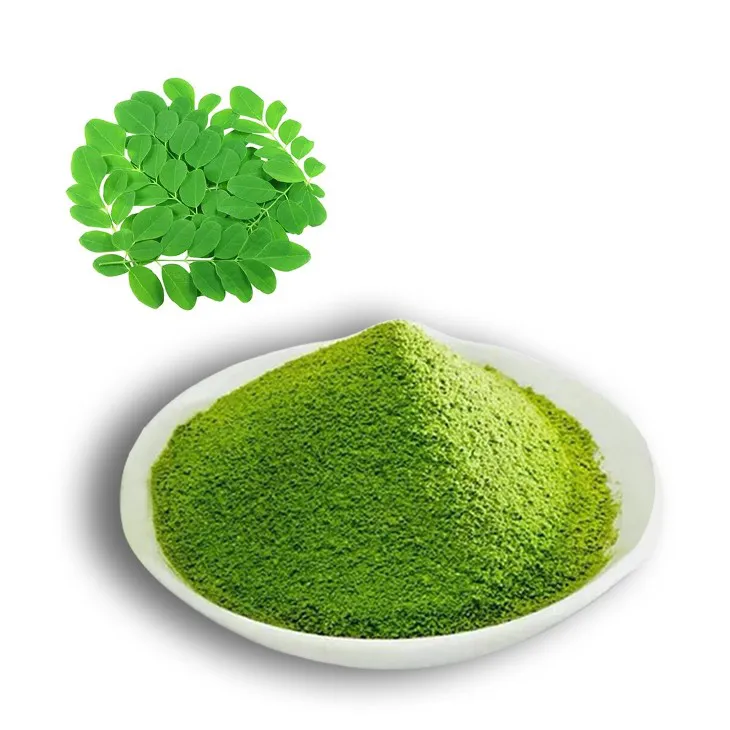
Moringa leaf powder looks simple. It is dried leaves, ground to a powder, and sold by the bag. Yet step into a health store and you will see brands priced a few dollars apart for what appears to be the same product. If all moringa is just the same green powder, why should one cost more than another? The honest answer is that not all moringa is the same at all. The price gap reflects real differences in how the leaves are grown, dried, tested and certified. This guide walks through exactly what you are paying for when you choose a premium grade, so you can tell a justified price from simple markup.
Sourcing and leaf-only quality set the starting point
The first and biggest quality fork in moringa is whether the powder is made from the leaf only or whether stem material is included. Pure leaf powder is more nutritionally concentrated, holding higher levels of protein, chlorophyll and minerals, and it has a brighter, more vivid green colour. Powders that include stems are cheaper to produce because each harvest yields more powder, but the trade-off is a duller colour, lower nutrient density and a more woody taste. A reputable supplier can state the stem content clearly, ideally with a written cap such as "stem content under 5% by weight." If a supplier is vague on this point, that is a warning sign worth taking seriously.
Drying method shapes nutrients, colour and cost
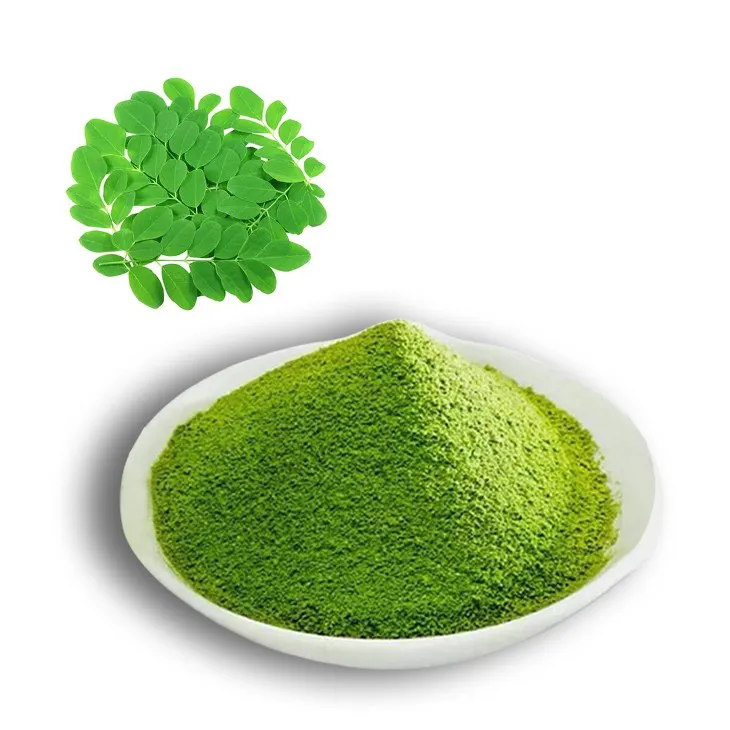
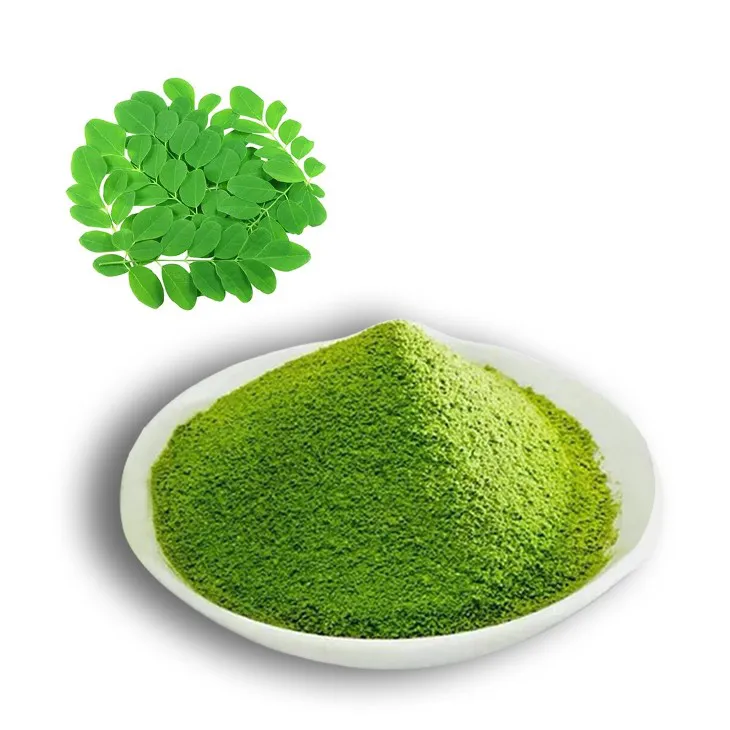
How moringa leaves are dried matters more than most buyers realise. Open-sun drying on tarpaulins is cheap and fast, but it exposes the leaf to heat and UV that degrade heat-sensitive nutrients such as vitamin C, certain B vitamins and chlorophyll. Shade drying preserves more of these compounds but is slower and harder to scale. The gold standard for premium powder is industrial low-temperature drying, typically carried out below 50°C, which gives consistent colour, controlled microbial load and well-preserved phytochemistry. Colour is the easiest field check: place a premium sample next to a commodity sample and the premium powder looks noticeably brighter, almost matcha-like, while sun-dried moringa tends towards a dull olive or brown-tinged green.
Microbial control adds real cost
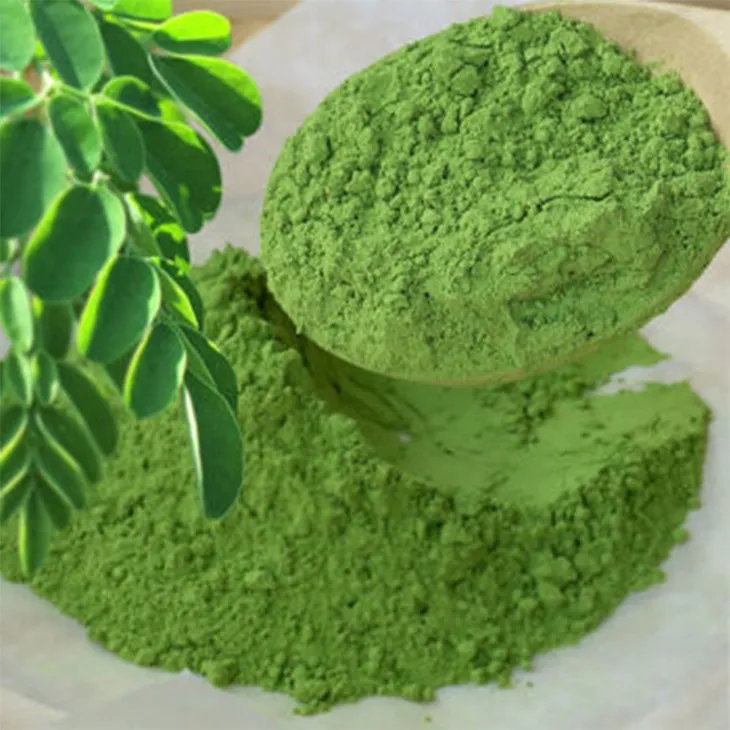
Moringa is a leafy product handled at low temperatures, which makes microbial control one of the most common weak points in the supply chain. A serious manufacturer tests every batch for total plate count, yeasts, moulds, E. coli and Salmonella, and provides those results in a certificate of analysis. For beverage and supplement applications a total plate count under 50,000 cfu/g, yeasts and moulds under 1,000 cfu/g, and E. coli and Salmonella negative are the kind of numbers a premium supplier should be comfortable quoting. Steam pasteurisation at the powder stage is increasingly standard for premium grades. None of this equipment, cleaning and testing is free, and it is a large part of why a responsibly produced powder costs more than one that skips these steps.
Pesticide and heavy-metal testing is not optional
Moringa is often grown on small holdings with variable agricultural practices, so residues are a genuine concern. Leafy crops tend to accumulate heavy metals such as lead, cadmium, mercury and arsenic, which is why serious buyers test every lot. Pesticide residue testing aligned to the maximum residue limits of the destination market is essential rather than optional, especially for strict markets such as the EU and Japan, which regularly reject shipments on residue grounds. Every round of testing costs money, and a premium supplier builds several layers of it into the price. When a powder carries documentation for these tests, you are paying for evidence of safety, not just for the green powder itself.
Certification signals a more expensive production system
Certifications add cost, and that cost shows up in the final price. Organic certification, for example, requires documented inputs, audited handling and traceability from field to pack, and it adds a meaningful premium compared with conventional sources. Halal, Kosher, ISO and food-safety management certifications each come with audits, paperwork and continuous compliance. These certifications matter because they give an independent check on the production system. A supplier such as Greensky, which holds ISO22000, BRCGS, Ecocert Organic Standard, SGS-GMP, ISO9001, HALAL and Kosher certifications and operates in a food-grade production area, is carrying a compliance overhead that low-cost commodity processors do not.
Manufacturer experience and in-house quality systems add value
Behind a premium powder there is usually a manufacturer with real infrastructure and a track record. Experience matters because consistent quality is far harder to achieve than a single good batch. Greensky has spent more than twenty years producing plant extracts, with fully integrated research, development and production and an independent laboratory equipped with GC, HPLC and UV instrumentation, along with clean production areas that meet food-grade requirements. With that kind of system, a certified moringa powder manufacturer can deliver the same documented quality lot after lot, which is exactly what private-label brands and formulators need before they put a product on their shelves.
So what are you really paying for?
When you choose a premium moringa powder, the higher price typically covers five things: leaf-only sourcing with a defined stem cap, low-temperature drying that preserves nutrients and colour, rigorous microbial control, pesticide and heavy-metal testing on every lot, and certifications that an independent body has verified. Each of these is a genuine expense, and together they explain most of the gap between a bargain powder and a premium one. This is not the same as a brand simply charging more for marketing, so it pays to ask a supplier for the documentation, not just trust the label.
How to check whether a higher price is justified
Before you pay more, look for a few concrete things. Request a written specification covering the leaf-to-stem ratio, drying method, particle size and moisture cap. Ask for a current certificate of analysis from an independent laboratory, plus microbial testing data and pasteurisation status. Confirm that pesticide-residue and heavy-metal analyses are available for a recent lot, and check the organic, halal and kosher documentation if those matter for your market. Finally, ask for a representative sample of the actual grade being quoted. A supplier that can produce all of this is charging for verified quality; one that cannot may simply be asking for margin.
The bottom line
Premium Moringa powder costs more because producing it costs more. Leaf-only sourcing, low-temperature drying, microbial control, residue testing and certification all add genuine expense that commodity powder skips. The extra you pay buys verified safety, better nutrient retention and consistent quality, which matter whether you are choosing a powder for yourself or sourcing bulk ingredients for a brand. For buyers who want a supplier able to document all of this at scale, working with an experienced manufacturer such as Greensky is a practical starting point for comparing samples and certificates before ordering.
TAGS:
- ▶ Hesperidin
- ▶ Citrus Bioflavonoids
- ▶ Plant Extract
- ▶ lycopene
- ▶ Diosmin
- ▶ Grape seed extract
- ▶ Sea buckthorn Juice Powder
- ▶ Fruit Juice Powder
- ▶ Hops Extract
- ▶ Artichoke Extract
- ▶ Mushroom extract
- ▶ Astaxanthin
- ▶ Green Tea Extract
- ▶ Curcumin
- ▶ Horse Chestnut Extract
- ▶ Other Product
- ▶ Boswellia Serrata Extract
- ▶ Resveratrol
- ▶ Marigold Extract
- ▶ Grape Leaf Extract
- ▶ New Product
- ▶ Aminolevulinic acid
- ▶ Cranberry Extract
- ▶ Red Yeast Rice
- ▶ Red Wine Extract
- ▶ blog
-
Mango flavored powder
2026-08-19
-
Curcuma Longa Extract/Turmeric extract
2026-08-19
-
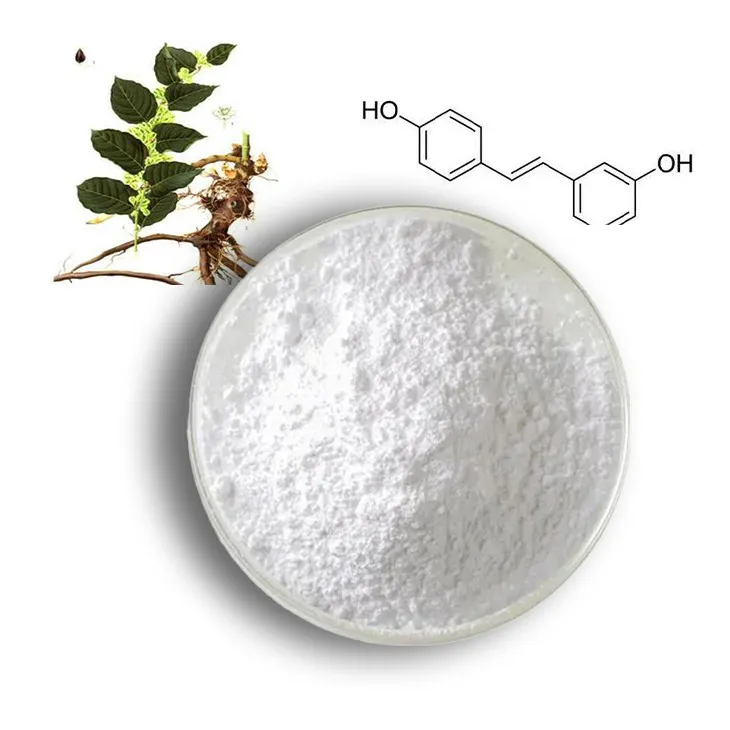
Resveratrol
2026-08-19
-
White mustard seed extract
2026-08-19
-
Phellodendron Extract
2026-08-19
-
Ivy Extract
2026-08-19
-
Chia Seed Powder
2026-08-19
-
Feverfew Extract
2026-08-19
-
Red Wine Extract
2026-08-19
-
Mangosteen extract powder
2026-08-19
