- 0086-571-85302990
- [email protected]






Which food has the most lycopene per serving?
2026-08-14
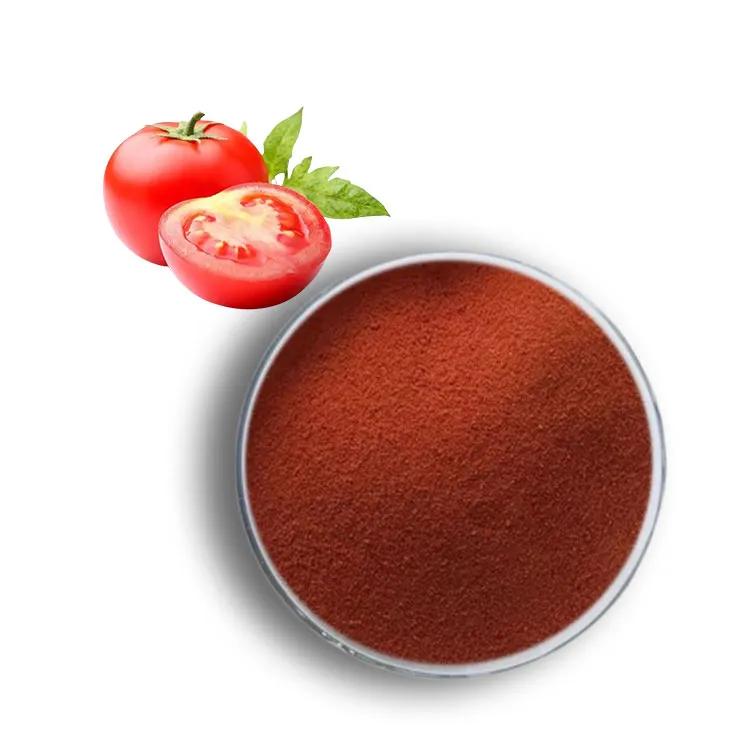
Lycopene is the natural red pigment that gives tomatoes, watermelon, guava, and pink grapefruit their vivid color, and it is one of the most potent antioxidants found in the diet. If you are wondering which single food delivers the most Lycopene per serving, the short answer is tomato paste, followed closely by other concentrated and cooked tomato products. This guide ranks the best Lycopene foods by serving, explains how cooking boosts absorption, and shows how to turn this powerful carotenoid into a lycopene extract ingredient for finished products.
Which food has the most lycopene per serving?
When measured per typical serving rather than per 100 grams, concentrated tomato products dominate the list. Two tablespoons of tomato paste provide roughly 13 to 27 mg of lycopene, the highest concentration of any commonly available food. A single cup of canned tomatoes delivers about 25 mg, while half a cup of cooked tomato sauce offers 17 to 21 mg. Fresh foods are lower per serving but still valuable: two cups of watermelon supply about 12 to 13 mg, and one cup of tomato juice provides around 22 mg.
| Food | Per serving | Lycopene (mg) |
|---|---|---|
| Tomato paste | 2 tbsp | 13–27 |
| Canned tomatoes | 1 cup | about 25 |
| Tomato juice | 1 cup | about 22 |
| Tomato sauce (cooked) | ½ cup | 17–21 |
| Watermelon | 2 cups cubes | 12–13 |
| Sun-dried tomatoes | 2 tbsp | 6–9 |
| Guava (red/pink) | 1 cup | 5–8 |
| Pink grapefruit | ½ medium | 1.8–2.2 |
| Raw tomato | 1 small | about 2.5 |
Why cooking makes lycopene absorb better
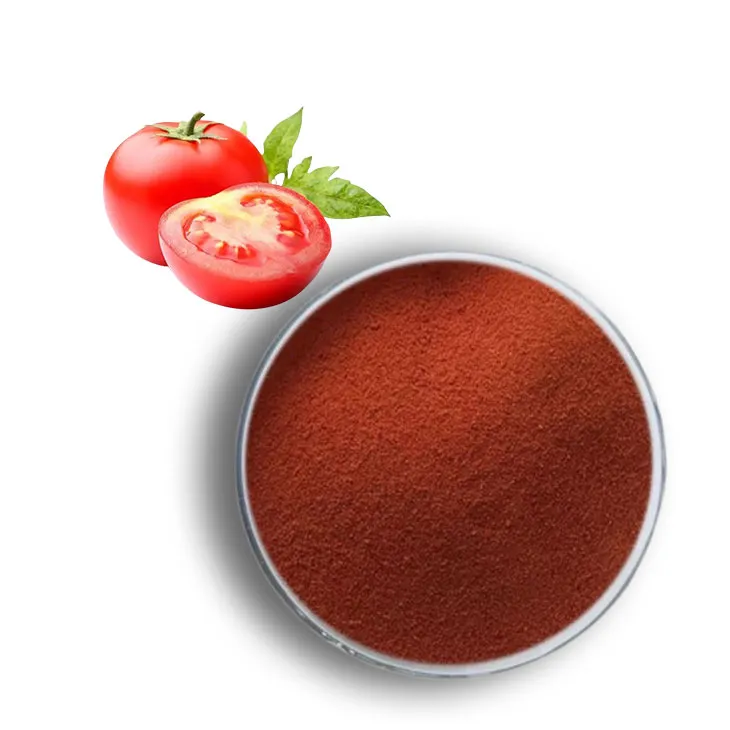
Unlike many vitamins that are lost when heated, lycopene becomes more bioavailable after cooking and processing. Heat breaks down the plant cell walls that trap lycopene inside the fruit, and the cis-isomers formed during cooking are absorbed more efficiently than the trans form found in raw tomatoes. Because lycopene is fat-soluble, eating processed tomato products alongside a little oil, nuts, or other dietary fat further boosts the amount your body absorbs. This is why tomato paste, sauce, and canned tomatoes deliver more usable lycopene than raw tomatoes of the same weight.
Health benefits backed by research
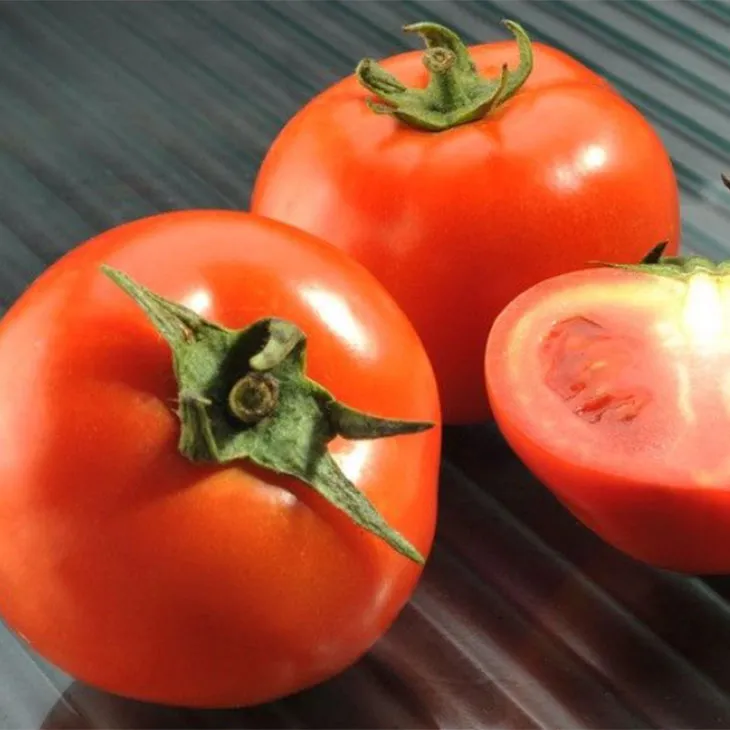
As an antioxidant, lycopene helps neutralize free radicals that can damage cells and contribute to chronic disease. Studies link higher lycopene intake with a reduced risk of heart disease and stroke, partly by helping manage LDL cholesterol and improving blood flow. Research also suggests that a higher intake of lycopene, in the range of 9 to 21 mg per day, may lower the risk of prostate cancer. Some evidence points to benefits for blood sugar control and skin health as well, which is why lycopene is a popular addition to lycopene supplement formulas.
How much lycopene do you need each day?
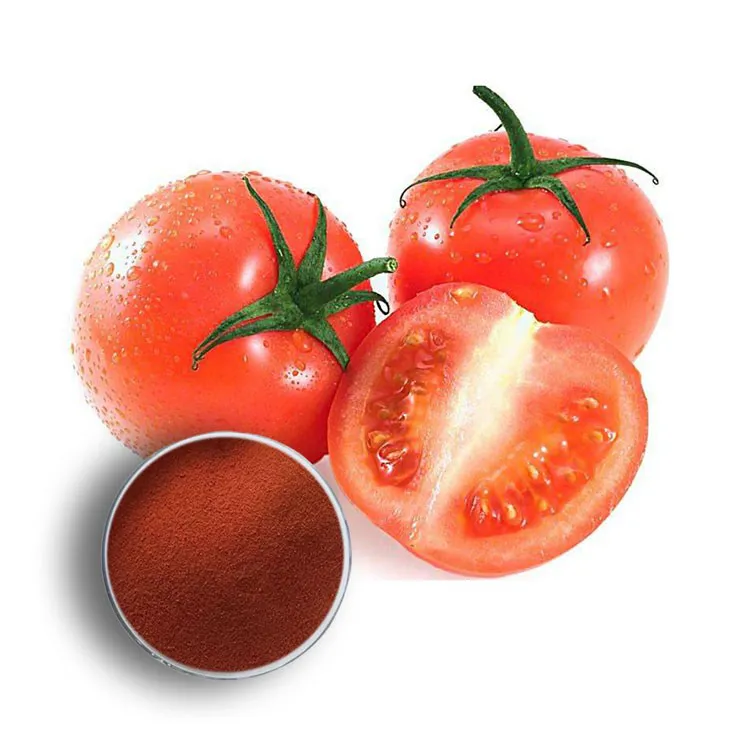
There is no official recommended daily intake for lycopene because it is not an essential nutrient. Most adults naturally get about 6 to 10 mg per day from their usual diet, and studies point to roughly 8 to 21 mg per day as the range linked to measurable health benefits. Intakes up to about 75 mg per day from food and supplements are generally considered safe, so a couple of servings of concentrated tomato products each day comfortably covers the research-supported range.
Turning lycopene into a commercial ingredient
For brands formulating supplements, functional foods, and cosmetics, relying on diet alone is not always practical. A standardized lycopene extract powder delivers a consistent, concentrated dose that is easy to dose into capsules, tablets, and beverages. Working with an experienced lycopene manufacturer ensures batch-to-batch consistency, documented purity, and the regulatory paperwork needed for global markets.
The bottom line
Tomato paste is the food with the most lycopene per serving, with concentrated and cooked tomato products generally ranking far above fresh fruit. Cooking and adding a little oil improve absorption, so processed tomato foods are the most efficient way to raise your lycopene intake. Whether you simply want a heart-healthier diet or you are developing a new lycopene-based product, understanding these sources gives you a clear starting point.
TAGS:

- ▶ Hesperidin
- ▶ Citrus Bioflavonoids
- ▶ Plant Extract
- ▶ lycopene
- ▶ Diosmin
- ▶ Grape seed extract
- ▶ Sea buckthorn Juice Powder
- ▶ Fruit Juice Powder
- ▶ Hops Extract
- ▶ Artichoke Extract
- ▶ Mushroom extract
- ▶ Astaxanthin
- ▶ Green Tea Extract
- ▶ Curcumin
- ▶ Horse Chestnut Extract
- ▶ Other Product
- ▶ Boswellia Serrata Extract
- ▶ Resveratrol
- ▶ Marigold Extract
- ▶ Grape Leaf Extract
- ▶ New Product
- ▶ Aminolevulinic acid
- ▶ Cranberry Extract
- ▶ Red Yeast Rice
- ▶ Red Wine Extract
- ▶ blog
-
Bamboo Leaf extract
2026-08-14
-
Black Seed Extract
2026-08-14
-
White Peony Extract
2026-08-14
-
Coconut Water Powder
2026-08-14
-
Mangosteen extract powder
2026-08-14
-
Propolis Extract Powder
2026-08-14
-
Tamarind extract powder
2026-08-14
-
Mulberry leaf Extract
2026-08-14
-
Kidney Bean Extract
2026-08-14
-
Lemon Extract
2026-08-14
