We have five factories and 23 years of experience in plant extracts
- 0086-571-85302990
- [email protected]



Where can I source kidney bean extract in bulk?
2026-08-15
Related Product
Kidney Bean Extract
We are the leading kidney bean extract manufacturer and also the leading supplier and exporter of kidney bean extract. We specialize in providing high-quality kidney bean extract to meet your needs.
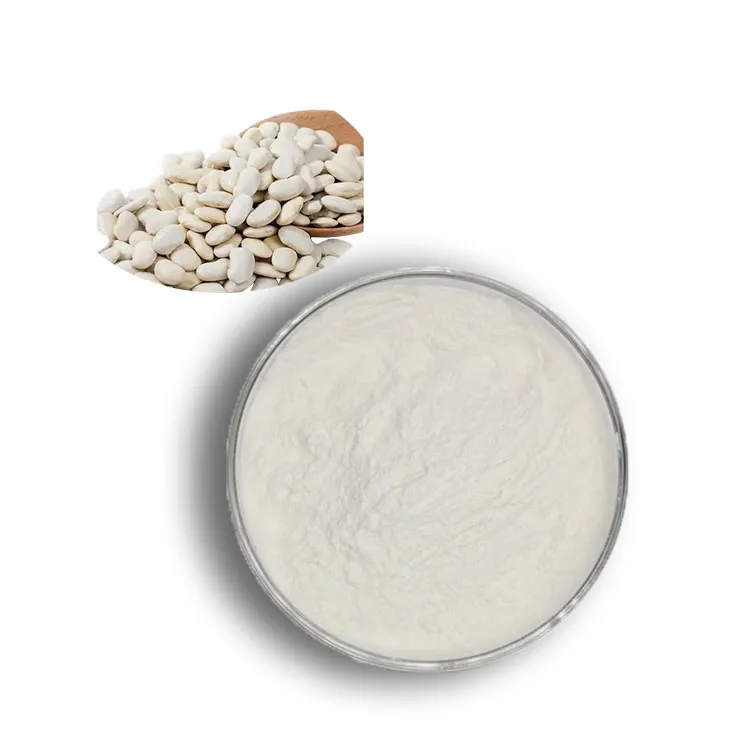
If you are building a carbohydrate-blocker or weight-management supplement line, sourcing kidney bean extract in bulk is one of the smartest first decisions you will make. The right supplier determines everything downstream: the consistency of your finished product, the documentation you can hand to regulators, and the credibility you build with distributors. This guide walks through what Kidney Bean Extract actually is, where the material is manufactured, and how to qualify a bulk partner who can deliver reliably at scale.
What is Kidney Bean Extract?
Kidney Bean Extract is a natural ingredient derived from the seeds of Phaseolus vulgaris, the common white kidney bean. It is valued mainly for its content of phaseolamin, a natural alpha-amylase inhibitor. Alpha-amylase is the enzyme that breaks down dietary starch into absorbable sugars, and when the extract is taken with a starchy meal, it can help slow that breakdown. This is why the ingredient is so widely used in weight-management supplements, carbohydrate-blocker formulas, and products positioned for post-prandial blood sugar support.
Beyond the enzyme-inhibiting activity, the raw bean is naturally rich in protein, dietary fiber, vitamins, and minerals, which is part of why the ingredient fits comfortably into clean-label food and supplement applications. It is typically supplied as an off-white to light yellow free-flowing powder that is readily water-soluble, making it easy to blend into capsules, tablets, sachets, and pre-meal beverage shots.
Why do supplement brands buy it in bulk?
Demand for kidney bean extract has grown steadily because it sits at the intersection of two large and durable consumer trends: weight management and healthier carbohydrate metabolism. Rather than holding a single active, successful brands position it as a versatile building block that can be combined with green tea, garcinia, chromium, and other botanicals in broader metabolic formulations. Because usage rates are meaningful per serving, most commercial launches move quickly from samples to metric-ton quantities, which is exactly why working directly with a manufacturer matters.
Where is kidney bean extract produced?
The majority of commercial kidney bean extract is manufactured in China, where the raw botanical supply and the extraction infrastructure are both well established. A reliable bulk partner will run a vertically integrated operation: sourcing beans, extracting in-house, standardizing the active, and testing every batch before shipment. Companies like Hangzhou Greensky Biological Tech. Co., Ltd., which has manufactured natural plant extracts since 2004, are representative of the caliber of producer you want to evaluate.
What to look for in a bulk supplier
Qualifying a supplier is more important than the unit price, because a bad batch can cost you far more than you saved. The items below are the ones experienced procurement teams check first.
1. Verified manufacturing credentials
Confirm that the producer is a genuine factory rather than a trading desk. Look for a 100,000-class clean production area, an in-house laboratory, and food-grade processing conditions. Strong producers hold certifications such as ISO22000, BRCGS, ISO9001, HALAL, Kosher, and SGS-GMP, and they will share these certificates openly. A company with its own extraction tanks, low-temperature concentrators, and spray-drying towers has far more control over the final product than one that simply resells material.
2. Batch-level testing and documentation
Every shipment should come with a certificate of analysis (COA) covering the active content, typically measured by HPLC or UV spectroscopy, plus figures for alpha-amylase inhibitor activity, residual solvents, heavy metals, and microbiology. If a supplier hesitates to provide batch-level COA and MSDS, treat that as a red flag. For international buyers, export registration and documentation for regulatory submissions are also a major plus.
3. Consistent standardization
Commercial grades are usually defined by the active content, ranging from lower-cost baseline grades to premium, higher-activity specifications. Whatever grade you choose, the supplier must be able to hold that specification batch after batch. Consistency is what allows your finished product to meet its label claim reliably.
4. Flexible packaging and sensible minimums
Bulk material is most often shipped in 25 kg fiber drums with double polyethylene liners, which keep the powder dry and protected. A good supplier will also offer smaller pilot quantities so you can validate the material in your own development work before committing to full container volumes.
5. Regulatory support
Because the ingredient is used in foods and supplements, the documentation trail matters. Choose a partner who understands the paperwork your target markets require, so that your import, labeling, and compliance steps are as smooth as possible.
How production quality affects your product
The way the extract is made has a direct impact on the powder you receive. Careful extraction and drying preserve the alpha-amylase inhibitor activity, while good process control removes undesirable antinutritional factors that would otherwise be present in raw beans. A facility that monitors its process at every stage, and tests both the active and the safety parameters on every batch, will deliver a powder that is consistent, stable, and easy to formulate.
This is also why the manufacturer's own capability matters more than the number of years a brand has existed. A producer with in-house R&D, its own laboratory equipped with GC, HPLC, and UV instruments, and a production history that spans two decades brings a depth of experience that is hard to replicate through a middleman.
Making the sourcing decision
When you are ready to shortlist suppliers, start with a few focused questions. Ask what grades they offer, what their minimum order quantity is, how they standardize the active, and which certificates they can provide for your target markets. Ask for reference material and a sample so you can run your own quality checks. Then compare not just price, but the completeness of the answer.
If you are looking for an established manufacturer that has been producing kidney bean extract and other natural plant extracts since 2004, with a vertically integrated group, export markets across Europe, the United States, South Korea, and Russia, and full documentation for global filings, Greensky is a strong place to start. Their team is happy to discuss grades, samples, and bulk volumes, and to help you get the material you need for your next formulation.
TAGS:
Featured Products
FAQ
- ▶ Hesperidin
- ▶ Citrus Bioflavonoids
- ▶ Plant Extract
- ▶ lycopene
- ▶ Diosmin
- ▶ Grape seed extract
- ▶ Sea buckthorn Juice Powder
- ▶ Fruit Juice Powder
- ▶ Hops Extract
- ▶ Artichoke Extract
- ▶ Mushroom extract
- ▶ Astaxanthin
- ▶ Green Tea Extract
- ▶ Curcumin
- ▶ Horse Chestnut Extract
- ▶ Other Product
- ▶ Boswellia Serrata Extract
- ▶ Resveratrol
- ▶ Marigold Extract
- ▶ Grape Leaf Extract
- ▶ New Product
- ▶ Aminolevulinic acid
- ▶ Cranberry Extract
- ▶ Red Yeast Rice
- ▶ Red Wine Extract
- ▶ blog
Recommended Products
-
Astaxanthin
2026-08-15
-
Honeysuckle Pollen
2026-08-15
-
Polygonum Cuspidatum Extract
2026-08-15
-
5-HTP (5-Hydroxytryptophan)
2026-08-15
-
Purple Sweet Potato Extract
2026-08-15
-
Black Garlic Extract
2026-08-15
-
Lotus leaf extract
2026-08-15
-
Mulberry Extract
2026-08-15
-
Black Rice Extract
2026-08-15
-
Oyster Mushroom Extract Powder
2026-08-15
Get a Quote