- 0086-571-85302990
- [email protected]




Where can I buy artemisia extract in bulk?
2026-08-14
If you are sourcing botanical ingredients for a supplement, food, or cosmetics line, artemisia extract is a raw material worth serious attention. Also known as mugwort, wormwood, or sweet wormwood extract depending on the species, it is prized for its bitter principles, volatile oils, and antioxidant compounds. The real challenge is not understanding the ingredient but knowing where to buy artemisia extract in bulk without compromising on quality, compliance, or price. This guide walks you through the options and shows what a reliable bulk purchase actually looks like.
Understanding artemisia extract before you buy
Artemisia is a large genus of aromatic herbs, and the extract you buy is defined by the specific plant species and the active components you are standardizing to. Common forms include artemisia annua (sweet wormwood), artemisia vulgaris (mugwort), and artemisia scoparia (capillary wormwood). Most commercial extracts are sold as powders standardized to a ratio, such as 10:1 or 20:1, or concentrated to a marker compound such as artemisinin or a defined flavonoid content.
Because specifications vary so widely, a bulk buyer should never order on the basis of a product name alone. You need a clear specification sheet that states the botanical source, the extraction ratio or active compound level, the carrier or solvent used, and the lot's analytical data. A supplier that cannot provide this information transparently is a risk you should not take with a large order.
Where to buy artemisia extract in bulk
There are three main places to source artemisia extract at scale, and each has trade-offs:
- General B2B marketplaces. Platforms such as Made-in-China and Alibaba list dozens of artemisia extract suppliers. They offer convenience and price comparison, but quality varies enormously because many listings are traders rather than manufacturers. Always verify the company's factory status, certifications, and batch testing before committing.
- Dedicated plant extract manufacturers. A manufacturer that grows, extracts, and tests the material in-house can control quality from raw herb to finished powder. This is the safest channel for repeat bulk orders because you get consistent specifications, traceability, and access to R&D support.
- Local distributors. Some distributors in your region resell imported extract. They can shorten lead times and reduce import paperwork, but they add a margin and you may lose direct control over source quality.
For most serious buyers, the strongest route is a direct relationship with a plant extract supplier who manufactures the product. Direct sourcing gives you the best combination of price, quality control, and supply security.
Why buying directly from the manufacturer matters
When you buy plant extracts in bulk, the difference between a factory and a trader becomes clear at scale. A manufacturer keeps the entire chain under one roof: raw material sourcing, extraction, concentration, drying, testing, and packaging. This vertical control is what makes batch-to-batch consistency possible, and consistency is the foundation of a compliant finished product.
A good indicator of a serious manufacturer is its production and quality infrastructure. Look for clean production areas, laboratory equipment such as GC, HPLC, and UV for verifying active compounds, and equipment capable of large-scale extraction and spray drying. These are signs that the supplier can actually deliver the tonnage and quality you order, rather than repackaging someone else's material.
What to verify before placing a bulk order
- Specifications and COA. Confirm the extraction ratio or active marker level, and request a certificate of analysis for the specific lot you are quoted.
- Certifications. For food and supplement use, relevant certifications include ISO22000, ISO9001, or food-grade GMP systems, along with HALAL or Kosher if your market requires them.
- Testing capability. Ask whether the supplier tests every batch in-house and whether independent third-party testing can be arranged for your order.
- Sample evaluation. Insist on a sample before a large order. Compare its color, aroma, solubility, and particle size against your specification.
- Lead time and MOQ. Clarify the minimum order quantity, current stock levels, and production lead time so your supply chain is not interrupted.
- Export documentation. Confirm the supplier can provide the export registration and documentation needed for customs clearance and regulatory submissions in your country.
How to structure a bulk artemisia extract order
A well-structured order starts with a written specification that both parties agree to. Define the target species, the ratio or active compound range, the allowed moisture and heavy metal limits, and the packaging format. Then agree on sampling, testing, and inspection procedures for each shipment. Building these terms into the purchase agreement protects you whether the order is 25 kilograms or several tons.
It is also wise to establish a long-term relationship rather than treating each order as a one-off transaction. A plant extract manufacturer who understands your specification history can adjust processes, hold buffer stock, and step in quickly when your demand fluctuates. That reliability is often worth more than the small price difference between suppliers.
Finding a partner you can rely on
For buyers who want a dependable, factory-direct source, an established plant extract supplier with a broad botanical catalog is the best starting point. A manufacturer with a vertically integrated production line and a documented quality system can handle artemisia extract and scale up alongside your product line as it grows.
When you are ready to source artemisia extract in bulk, ask for a specification sheet, a sample, and a certificate of analysis before ordering. With the right supplier, bulk buying is straightforward, repeatable, and cost-effective.
- ▶ Hesperidin
- ▶ Citrus Bioflavonoids
- ▶ Plant Extract
- ▶ lycopene
- ▶ Diosmin
- ▶ Grape seed extract
- ▶ Sea buckthorn Juice Powder
- ▶ Fruit Juice Powder
- ▶ Hops Extract
- ▶ Artichoke Extract
- ▶ Mushroom extract
- ▶ Astaxanthin
- ▶ Green Tea Extract
- ▶ Curcumin
- ▶ Horse Chestnut Extract
- ▶ Other Product
- ▶ Boswellia Serrata Extract
- ▶ Resveratrol
- ▶ Marigold Extract
- ▶ Grape Leaf Extract
- ▶ New Product
- ▶ Aminolevulinic acid
- ▶ Cranberry Extract
- ▶ Red Yeast Rice
- ▶ Red Wine Extract
- ▶ blog
-
Centella Asiatica Extract
2026-08-14
-
Phellodendron Extract
2026-08-14
-
Rhodiola Rosea Extract
2026-08-14
-
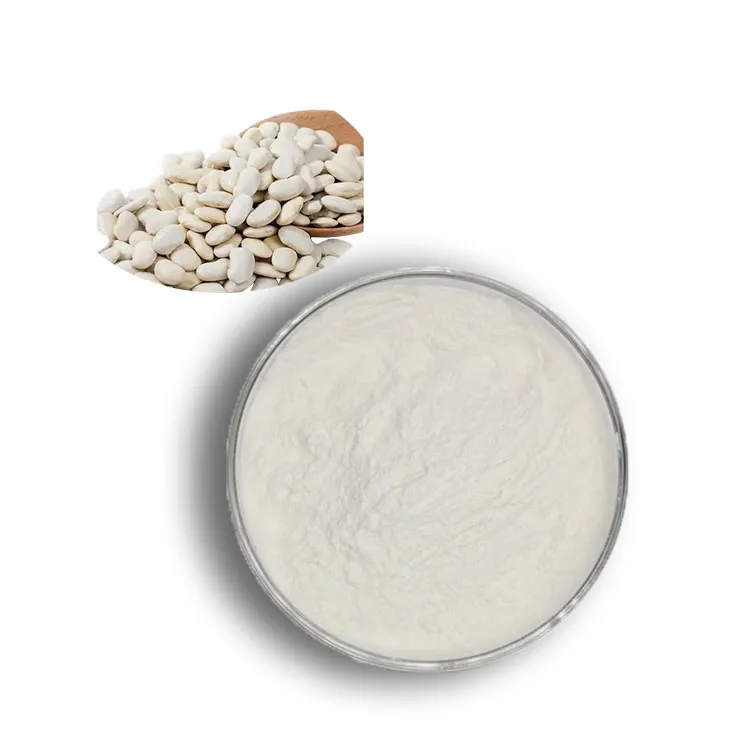
Kidney Bean Extract
2026-08-14
-
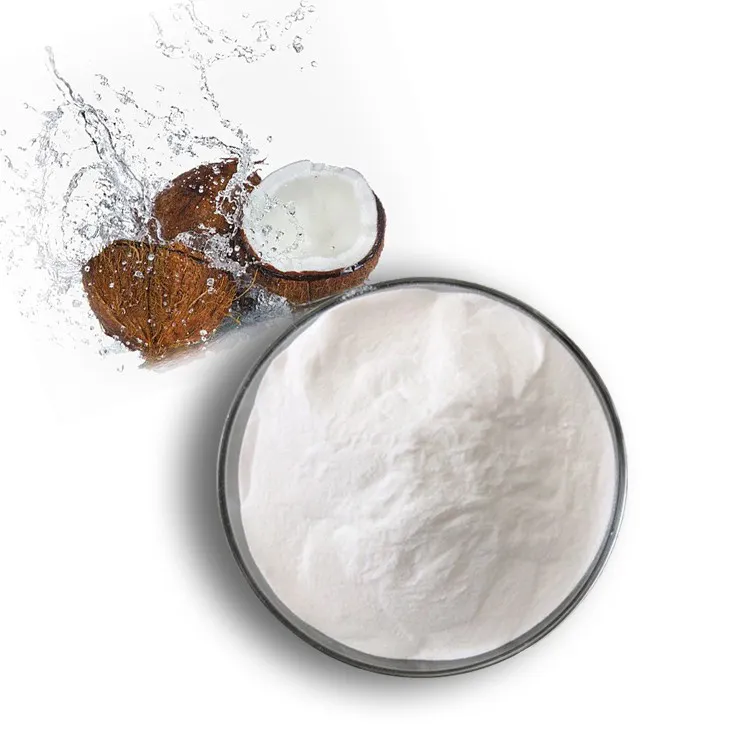
Coconut Water Powder
2026-08-14
-
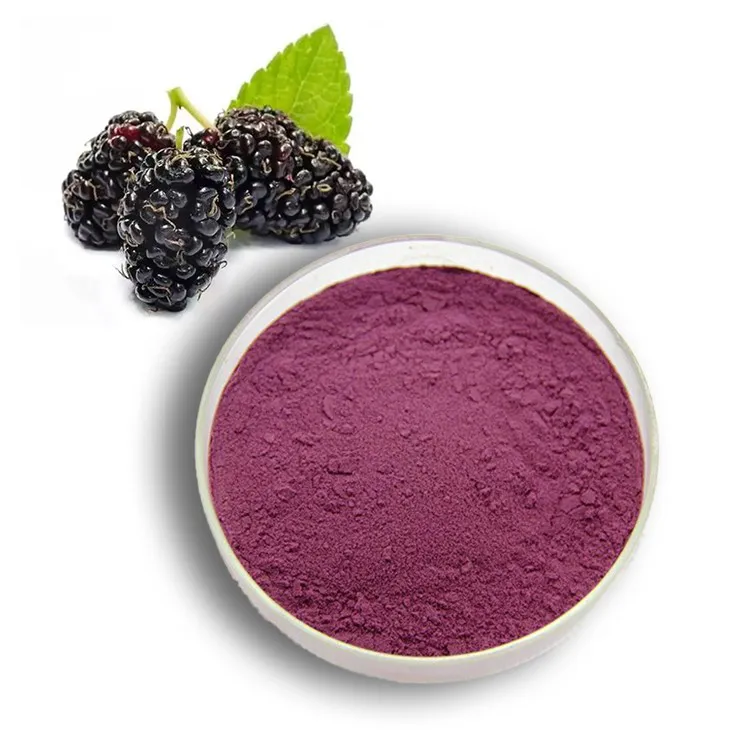
Mulberry Extract
2026-08-14
-
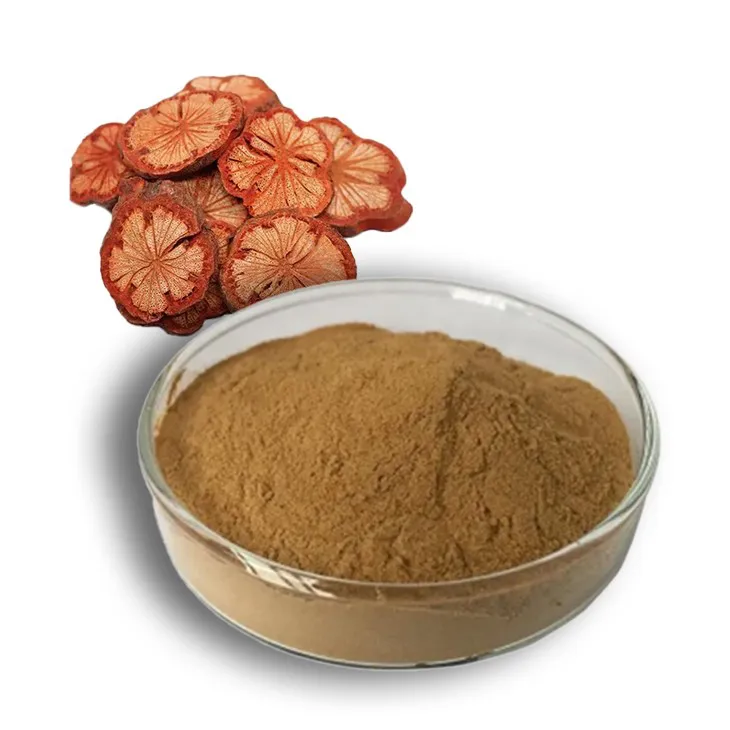
Red Vine Extract
2026-08-14
-
Tormentil Extract
2026-08-14
-
Quercetin
2026-08-14
-
Longan Extract
2026-08-14