- 0086-571-85302990
- [email protected]






When to harvest stevia and how to dry the leaves?
2026-08-15
Stevia (Stevia rebaudiana) has earned its reputation as one of the most valuable natural sweeteners on the market. Its leaves carry steviol glycosides, the compounds that make the plant hundreds of times sweeter than sugar while contributing almost no calories. But that sweetness is not constant. It builds up as the plant matures, peaks at a specific moment, and fades quickly if the harvest or drying is handled poorly. Knowing exactly when to cut the leaves and how to dry them properly is what separates a sweet, high-quality crop from a bitter, wasted one.
This guide walks through the harvest window, the signs that tell you the leaves are ready, and the drying methods that protect the glycosides so the finished leaves keep their sweetness for months.
When to harvest stevia
The single most important rule of stevia harvesting is simple: cut the plant before it flowers. Once stevia begins to bloom, the plant shifts its energy away from the leaves and into flower and seed production, and the concentration of steviol glycosides in the leaves drops noticeably. Leaves harvested at the right stage are bright green, slightly fuzzy, and packed with sweetness; leaves harvested too late taste noticeably less sweet and can even turn bitter.
For growers working on a larger scale, the typical schedule starts with a first cut roughly 90 to 110 days after transplanting, when the plants have filled out and the leaves are fully mature. Cut the stems about 10 to 15 cm above the ground, which leaves enough growth for the plant to bounce back. A second harvest usually follows 50 to 65 days later, again timed to finish before flowering begins. In cooler regions or when transplanting happens late in the season, growers may only manage a single cut after three to four months of growth.
Within the season, the best time of day is the morning, after the dew has dried off the leaves. Harvesting in the afternoon heat causes rapid moisture loss and can dull the flavor, while wet leaves from early morning dew invite mold during drying. For home gardeners, the main harvest falls in late summer to early fall, before the first frost, when the leaves hold their highest concentration of sweet compounds.
How to tell the leaves are ready
Before you reach for the shears, check the leaves themselves. Mature stevia leaves are roughly 5 to 8 cm long, oval-shaped, and a medium, healthy green. Avoid leaves that are yellowing or wilting, since they have already started losing their sweetness. If you are unsure, taste a small leaf: a mature, ready-to-harvest leaf should taste clearly sweet with little or no bitterness.
Regular pruning through the growing season helps too. Trimming the top few centimeters of the branch tips encourages the plant to branch out and produce more leaves, which means a bigger harvest later. Just be careful not to cut too much at once, since the plant needs its foliage to keep growing.
How to dry stevia leaves
Drying is where most of the sweetness is either preserved or lost. The goal is to remove moisture quickly and evenly while keeping temperatures low, because excessive heat breaks down the steviol glycosides. Dried leaves are actually sweeter than fresh ones, since removing the water concentrates the sweet compounds.
Air drying
The simplest method is to gather the stems into small bundles and hang them upside down in a warm, dry, well-ventilated area, away from direct sunlight. The leaves should be fully dry and crisp within one to two weeks. Alternatively, spread individual leaves in a single layer on a screen or clean cloth so air can reach both sides. Good air circulation matters more than heat, and keeping the leaves out of direct sun protects their color and sweetness.
Dehydrator drying
A food dehydrator speeds things up and gives more consistent results, which is especially useful when you have a large batch to process. Spread the leaves in a single layer on the trays and set the temperature to roughly 35 to 45°C (95 to 110°F). Depending on leaf thickness and humidity, the leaves dry in about 6 to 12 hours. They are ready when they crumble easily between your fingers. If you do not have a dehydrator, a very low oven with the door slightly open can work in a pinch, but keep the heat gentle and check frequently to avoid scorching.
Commercial-scale drying
For growers supplying the ingredient industry, the same principle applies at a larger scale: dry the leaves promptly after harvest, keep temperatures moderate, and protect the crop from direct sun and humidity. Well-dried leaves that are stored correctly can be processed into Stevia Extract, and buyers in the supplement and food industries look for leaves that have been handled carefully from field to drying rack.
Storing dried stevia leaves
Once the leaves are fully dry and crisp, strip them from the stems and store them whole, or crush them into a powder with a blender, coffee grinder, or mortar and pestle. Keep the dried leaves in airtight containers, ideally glass jars, in a cool, dark place away from heat and humidity. Handled this way, properly dried stevia keeps its sweetness for one to two years. Check stored leaves occasionally for mold or a bitter, off smell, and discard any batch that has gone past its prime.
From dried leaves to Stevia Extract
The dried leaves are the starting point for the refined products used across the food, beverage, and supplement industries. Through water extraction and purification, the steviol glycosides are separated from the plant material to produce stevia extract in a range of purity levels, from high-purity sweetener powders to organic stevia leaf extract for clean-label formulations.
For manufacturers and brands looking for a reliable supply, working with an experienced stevia extract supplier matters as much as the harvest itself. Hangzhou Greensky Biological Tech. Co., Ltd. is a professional manufacturer of natural plant extracts with more than 20 years of experience, backed by its own production facilities and an independent laboratory equipped with HPLC and other testing instruments. Its Stevia Extract is produced under strict quality control, with certifications including ISO22000, BRCGS, HALAL, and Kosher, making it a dependable partner for companies that need consistent, high-purity stevia extract for their products.
Final thoughts
Harvesting stevia at the right moment and drying it gently is not complicated, but it does require attention to timing and temperature. Cut before flowering, pick a dry morning, dry the leaves at low heat with good airflow, and store them in airtight containers away from light. Follow these steps and your stevia will keep its natural sweetness through the season and beyond, whether you are using the leaves at home or supplying them to the extract industry.
TAGS:
- ▶ Hesperidin
- ▶ Citrus Bioflavonoids
- ▶ Plant Extract
- ▶ lycopene
- ▶ Diosmin
- ▶ Grape seed extract
- ▶ Sea buckthorn Juice Powder
- ▶ Fruit Juice Powder
- ▶ Hops Extract
- ▶ Artichoke Extract
- ▶ Mushroom extract
- ▶ Astaxanthin
- ▶ Green Tea Extract
- ▶ Curcumin
- ▶ Horse Chestnut Extract
- ▶ Other Product
- ▶ Boswellia Serrata Extract
- ▶ Resveratrol
- ▶ Marigold Extract
- ▶ Grape Leaf Extract
- ▶ New Product
- ▶ Aminolevulinic acid
- ▶ Cranberry Extract
- ▶ Red Yeast Rice
- ▶ Red Wine Extract
- ▶ blog
-
Astaxanthin
2026-08-15
-
Red Vine Extract
2026-08-15
-
Aguaje Extract
2026-08-15
-
Liposomal NMN
2026-08-15
-
Nutmeg Extract
2026-08-15
-
Tamarind extract powder
2026-08-15
-
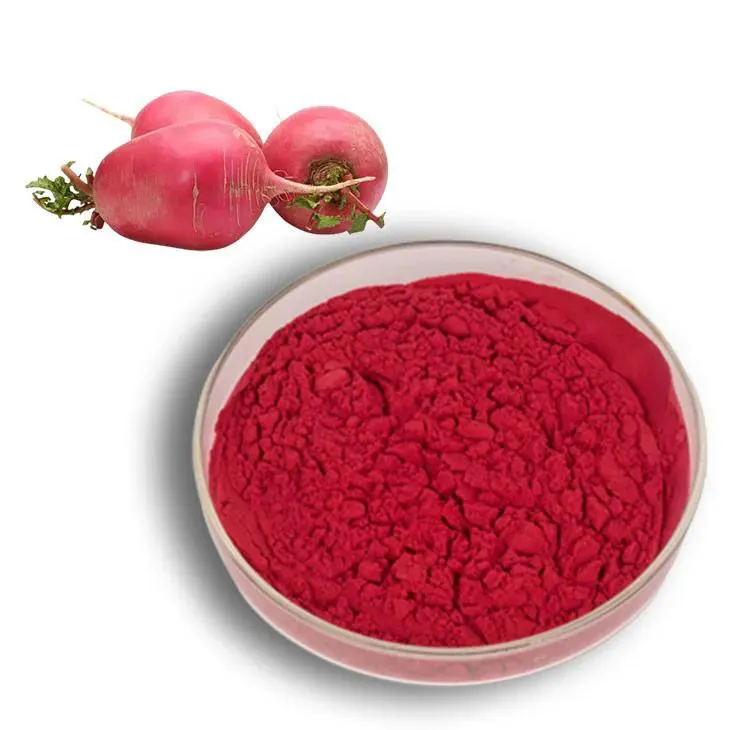
Beetroot juice Powder
2026-08-15
-
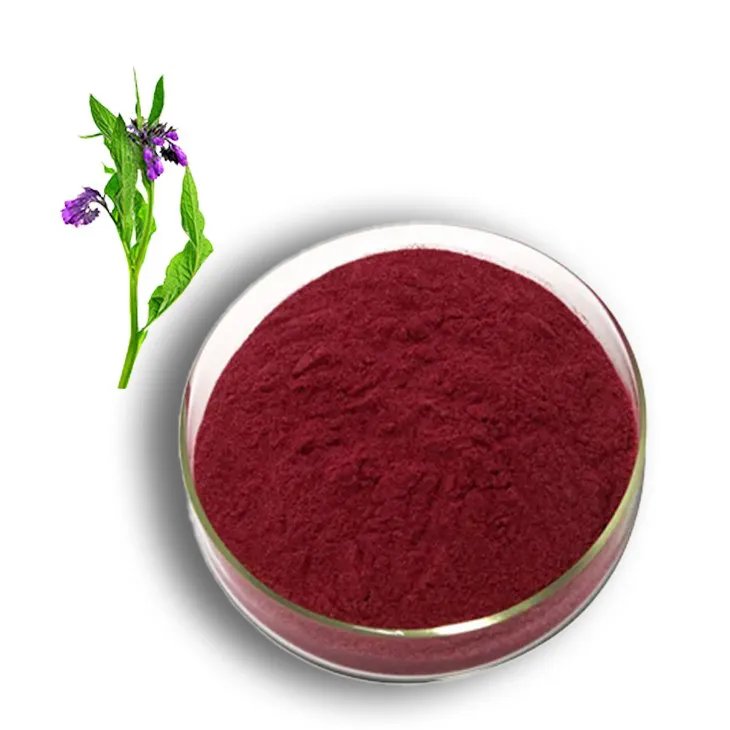
Shikone Extract
2026-08-15
-
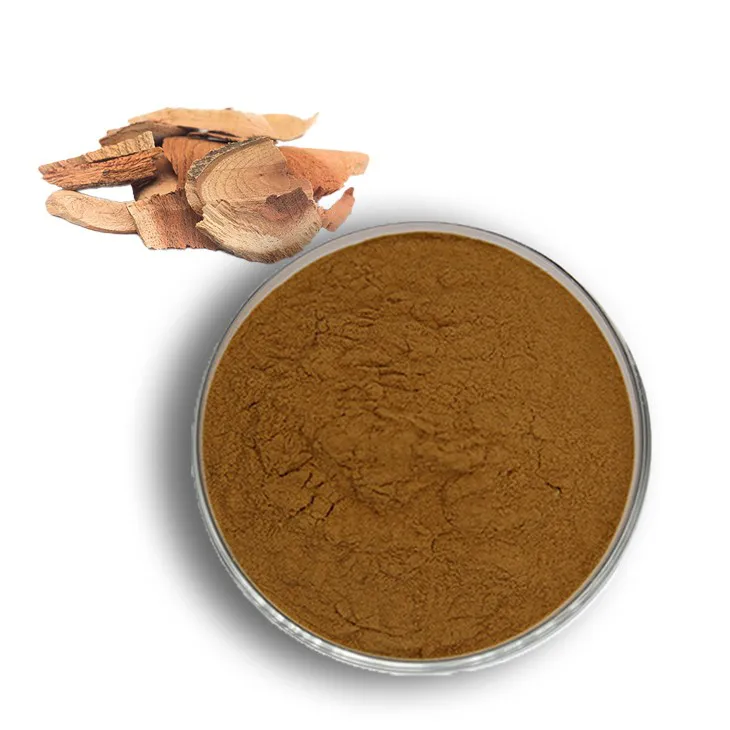
Thunder God Vine Extract
2026-08-15
-
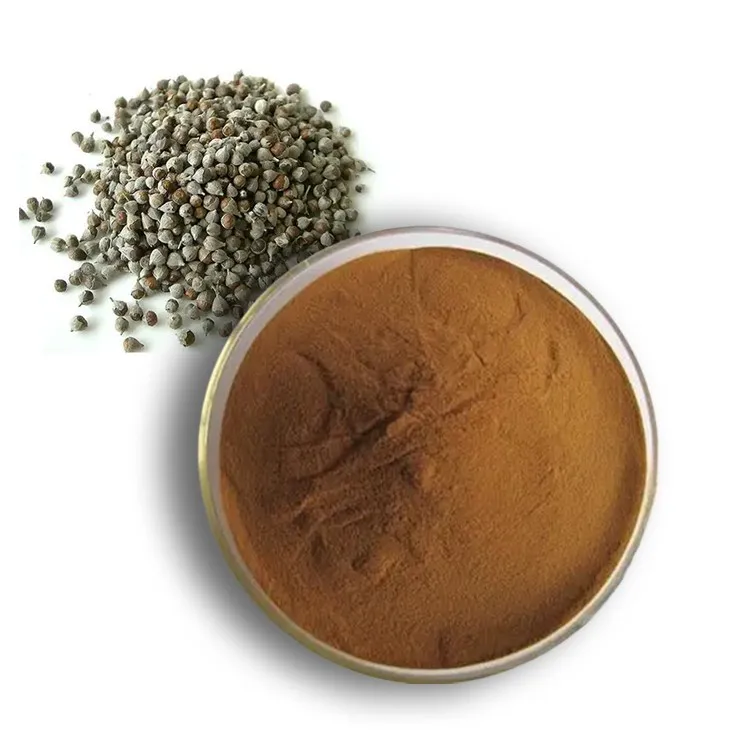
Chaste Berry Extract
2026-08-15
