- 0086-571-85302990
- [email protected]





When should I use lemon juice instead of lemon extract?
2026-08-15
If you have ever opened a recipe that calls for a teaspoon of Lemon Extract and found only a lemon (or a bottle of juice) in the kitchen, you have probably asked yourself the same question: when should I use lemon juice instead of Lemon Extract? The honest answer is that it depends on the recipe. Used in the right dishes, lemon juice brightens flavor and adds welcome acidity. Used in the wrong ones, the extra liquid and acid can ruin a delicate bake. This guide walks through the differences between the two, when a swap works, when it does not, and how a shelf-stable lemon juice powder fits into both worlds.
What Is the Difference Between Lemon Juice and Lemon Extract?
Lemon extract is concentrated lemon oil dissolved in alcohol. It delivers a strong, clear lemon aroma with almost no water, so it adds flavor without changing the texture of a batter or dough. Lemon juice, on the other hand, is mostly water carrying bright citric acid. It brings a fresh, tart edge, but it thins whatever it is added to and can alter how a recipe rises.
| Factor | Lemon Juice | Lemon Extract |
|---|---|---|
| Flavor strength | Mild to medium; you need a larger amount | Strong; a few drops to a teaspoon |
| Acidity | High; reacts with baking soda and leavening | Very low; mainly adds flavor |
| Water content | Mostly water; thins batters and glazes | Almost none; keeps texture intact |
| Best roles | Curds, glazes, dressings, marinades | Cakes, cookies, frostings, candies |
| Heat stability | Some brightness fades during baking | Holds lemon aroma well in the oven |
| Storage | Fresh juice spoils quickly | Shelf stable for months |
This is why so many cake and cookie formulas call for lemon extract: it gives a strong lemon hit without turning the batter watery. It is also why dressings and glazes lean on lemon juice, where the acid does the work of cutting through sweetness.
When Lemon Juice Works Well in Place of Extract
In recipes that already hold a good amount of liquid and do not depend on a very tight structure, lemon juice can step in for extract with a small adjustment. Pound cakes, snack cakes, muffins, and yogurt loaves are common examples. They rely on moisture for a tender crumb, so an extra tablespoon or two rarely causes trouble.
As a practical starting point, most baking references treat 1 teaspoon of lemon extract as roughly equal to 2 tablespoons of lemon juice. When you swap, reduce another liquid in the recipe by about 1 to 1½ tablespoons to keep the batter balanced. Thin glazes, powdered sugar icings, and syrup soaks are also ideal places for lemon juice, because its acid cuts through sweetness and the texture is easy to fix.
Custards, cheesecakes, and lemon curds already depend on juice for their tang, so swapping the other direction is usually smooth. Just keep the extra acid modest, because too much can make curds grain or cheesecakes crack.
When You Should Keep the Extract
Some recipes lean so heavily on structure that the extra liquid from juice makes them fragile. Buttercreams and stable frostings turn thin and can break their emulsion with too much juice. Shortbread, sugar cookies, and spritz cookies depend on a careful ratio of fat to flour, so extra water leads to spreading and tough batches. Candies, ganache, and chocolate work also reject extra water, which can cause chocolate to seize or sugar to crystallize.
For these cases, lemon extract, lemon zest, or a concentrated emulsion is the better choice because each adds flavor without flooding the recipe with liquid.
A Shelf-Stable Middle Ground: Lemon Juice Powder
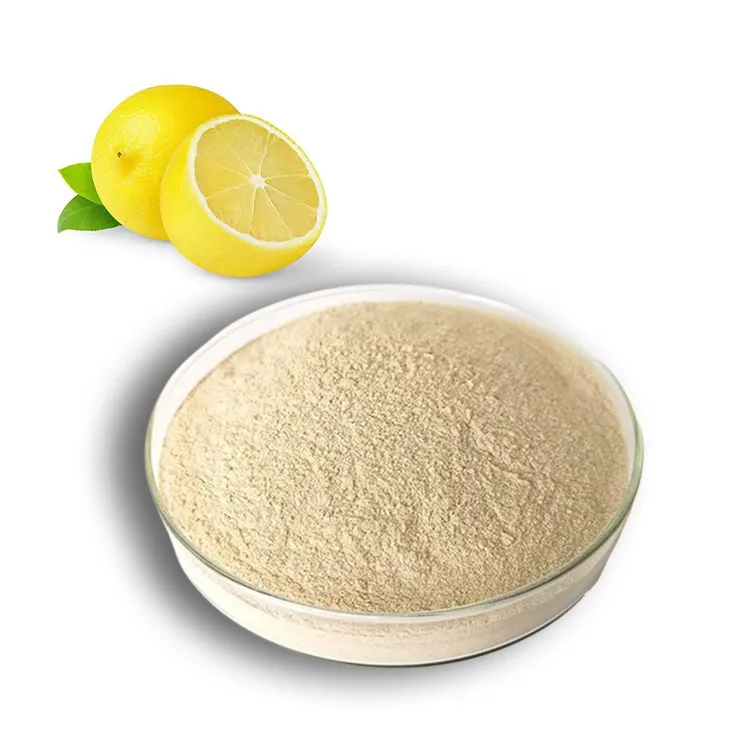
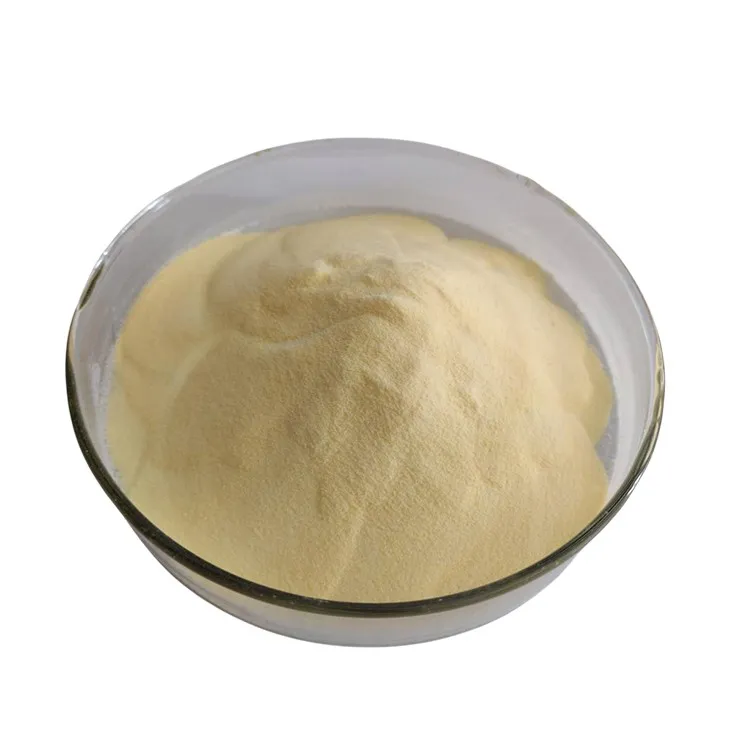
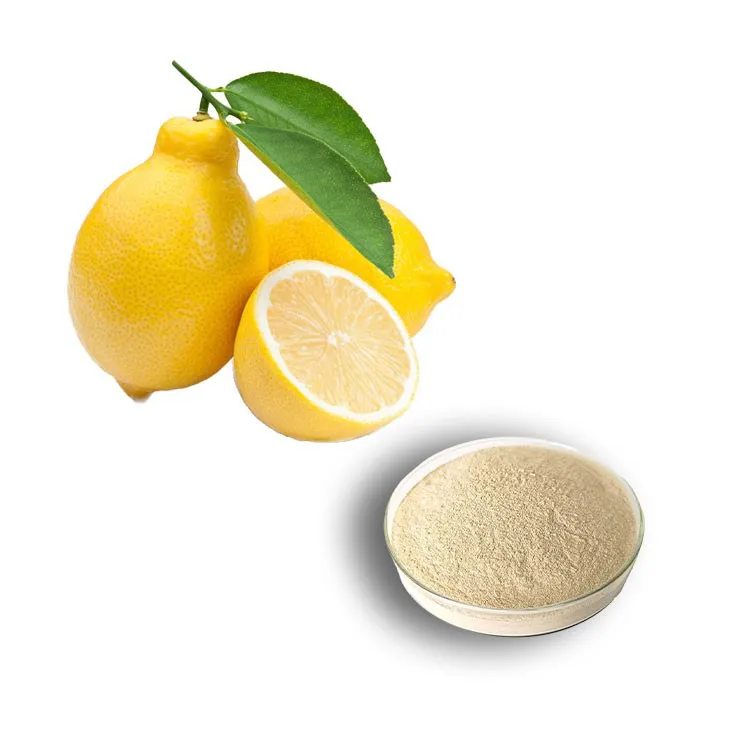
There is a third option that sits between fresh juice and extract, and it matters for both home cooks and commercial formulators. Lemon juice powder is real lemon juice that has been dried into a free-flowing powder. It keeps the bright, acidic character of juice but concentrates the flavor, so you need less than fresh juice, and it stores at room temperature for far longer than a fresh lemon.
Because it adds almost no water until you reconstitute it, powder works well in dry mixes, seasoning blends, rubs, beverage bases, and bakery applications where a liquid swap would throw off the ratio. It also gives food manufacturers and supplement brands a consistent, predictable ingredient with a long shelf life, which is why buyers sourcing ingredients at scale often look to a reliable lemon juice powder supplier.
At the same time, Lemon Extract remains the go-to concentrated format when a formula needs pure aroma with no added acidity or water. Choosing between juice, extract, and powder comes down to what the recipe needs most: fresh tang, pure aroma, or a stable, rehydratable ingredient.
Choosing a Reliable Source
For anyone formulating food, beverage, or supplement products, ingredient consistency matters as much as flavor. A trusted plant extract and juice powder manufacturer can document its sourcing, production, and quality controls, so the end product behaves the same batch after batch. Greensky, a Hangzhou-based manufacturer founded in 2004, produces a wide catalog of fruit and vegetable extracts and lemon-based ingredients under certifications such as ISO22000, HALAL, and Kosher, with an independent laboratory using GC, HPLC, and UV testing.
Bottom Line
Use lemon juice instead of lemon extract when the recipe can handle extra liquid and you want bright acidity, such as in glazes, dressings, curds, and moist quick breads. Stick with extract when the recipe needs pure aroma without water, such as in frostings, crisp cookies, and candies. For a stable option that works in both home kitchens and commercial production, a quality lemon juice powder is worth keeping on hand.
TAGS:
- ▶ Hesperidin
- ▶ Citrus Bioflavonoids
- ▶ Plant Extract
- ▶ lycopene
- ▶ Diosmin
- ▶ Grape seed extract
- ▶ Sea buckthorn Juice Powder
- ▶ Fruit Juice Powder
- ▶ Hops Extract
- ▶ Artichoke Extract
- ▶ Mushroom extract
- ▶ Astaxanthin
- ▶ Green Tea Extract
- ▶ Curcumin
- ▶ Horse Chestnut Extract
- ▶ Other Product
- ▶ Boswellia Serrata Extract
- ▶ Resveratrol
- ▶ Marigold Extract
- ▶ Grape Leaf Extract
- ▶ New Product
- ▶ Aminolevulinic acid
- ▶ Cranberry Extract
- ▶ Red Yeast Rice
- ▶ Red Wine Extract
- ▶ blog
-
Cayenne Pepper Extract
2026-08-15
-
Buckthorn bark extract
2026-08-15
-

Sea buckthorn oil
2026-08-15
-
Diosmin
2026-08-15
-
Tongkat Ali Extract
2026-08-15
-
Withania Somnifera Extract
2026-08-15
-
Aguaje Extract
2026-08-15
-
Troxerutin
2026-08-15
-

Lion's Mane Mushroom Extract
2026-08-15
-
Boswellia Serrata Extract
2026-08-15