- 0086-571-85302990
- [email protected]






What should I look for in the best beetroot powder?
2026-08-15
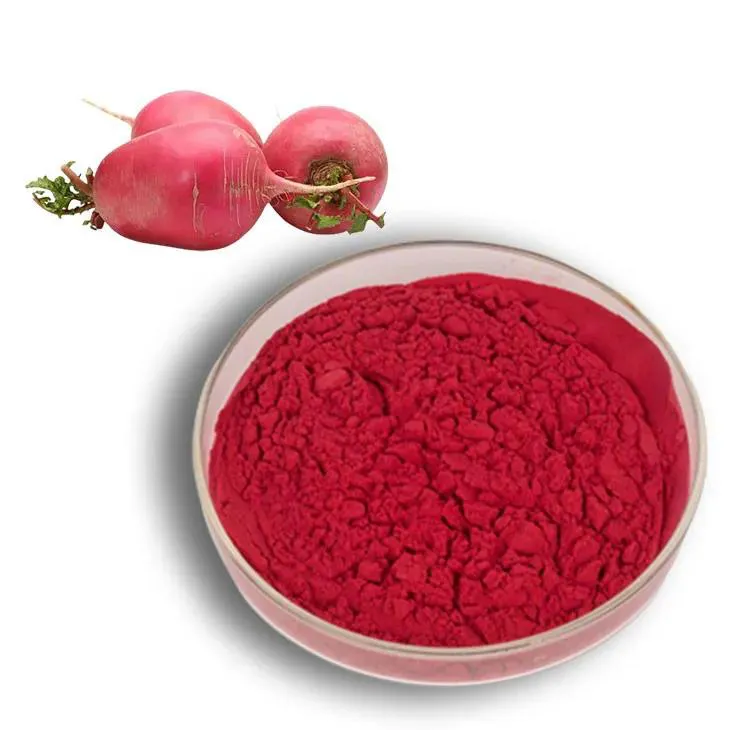
Beetroot powder has moved from a niche health-store shelf item to a mainstream ingredient in sports nutrition, functional beverages, natural food coloring, and dietary supplements. For formulators and brand owners, the challenge is no longer finding a supplier of beetroot powder — it is finding the best beetroot powder that consistently delivers the color, the active compounds, and the compliance your product needs, batch after batch. This guide walks through the factors that actually separate a premium ingredient from an average one, so you can source with confidence.
Why beetroot powder deserves a place in your formula
Beetroot (Beta vulgaris) is a root vegetable prized for two families of compounds. The first is betalains, the water-soluble pigments that give beetroot its deep red to purplish-red color and act as natural antioxidants. The second is dietary nitrate, which the body converts into nitric oxide — a signaling molecule linked to healthy blood flow, endurance, and cardiovascular wellness. Because both are heat-sensitive, the way a powder is processed determines how much of these valuable compounds survive to the finished product. That is why "beetroot powder" on a label tells you very little; how it was grown, dried, and tested tells you everything.
What to look for in the best beetroot powder
When you evaluate a beetroot powder supplier, work through these nine checkpoints. Each one maps to a real risk in the supply chain, from the farm to your production line.
1. Raw material source and quality
Beetroots absorb whatever is in the soil, so the quality of the finished powder starts in the field. A reliable supplier sources from established growing regions, controls for pesticide residues and heavy metals, and can trace each batch back to its raw material. Ask where the beets are grown, how they are washed and inspected, and whether the supplier can provide certificates of analysis that document purity.
2. Active compound content and standardization
The value of beetroot powder lies in its betalains and nitrates, yet these vary naturally with crop, harvest, and processing. The best beetroot powder suppliers test every batch and can state the betalain content and nitrate level in their specification. If a supplier cannot tell you what is actually in the powder, you cannot guarantee what your customers are getting. Look for a specification sheet that lists betalain content, nitrate content, and the test methods used.
3. Processing method
Heat destroys betalains and drives off nitrates, so gentle processing is non-negotiable. Low-temperature concentration, vacuum drying, and spray drying towers operated under controlled conditions preserve the deep color and the active compounds. A manufacturer with its own extraction and drying equipment — rather than a trader reselling someone else's powder — can control every step and keep quality consistent.
4. Purity: no fillers, no added sugar
Some powders are cut with maltodextrin, starches, or added sugar to lower cost or improve flow. For most applications — especially supplements and clean-label food products — you want a single-ingredient powder. Read the ingredient declaration carefully and confirm that the product is free from artificial colors, preservatives, and undeclared carriers.
5. Particle size and solubility
A fine, consistent grind dissolves cleanly in water and blends evenly into beverage mixes, smoothie powders, and bakery applications. Coarse or lumpy powder is a sign of moisture exposure during production or storage, which can degrade the active compounds. Ask about mesh size and check how the powder behaves in cold water before you commit to a large order.
6. Certifications and regulatory compliance
If your product is sold in regulated markets, the ingredient must come with the right paperwork. Recognized certifications — such as ISO22000, ISO9001, BRCGS, SGS-GMP, HALAL, and Kosher — demonstrate that the facility operates to international food-safety standards. For organic claims, look for Ecocert or equivalent organic certification. A supplier that holds these certifications is far easier to audit and far less likely to cause compliance problems downstream.
7. Laboratory testing and quality control
The best beetroot powder is verified, not assumed. A manufacturer with an in-house laboratory equipped with HPLC, GC, and UV instruments can test for identity, potency, and purity on every batch, and issue a certificate of analysis with each shipment. Independent third-party testing adds another layer of assurance for heavy metals, microbiology, and residual solvents.
8. Packaging and shelf life
Beetroot powder is hygroscopic — it absorbs moisture from the air, which causes clumping and accelerates degradation. Proper packaging that protects against moisture, light, and oxygen extends shelf life and keeps the powder free-flowing. Confirm the packaging format, storage conditions, and stated shelf life before ordering.
9. Supplier credibility and supply capacity
Finally, look at who you are actually buying from. A manufacturer with vertical integration — its own farms, extraction lines, drying equipment, and laboratories — can offer better traceability, more consistent quality, and more reliable supply than a middleman. Consider production capacity, minimum order quantities, lead times, and whether the supplier can scale with your demand. A company that has been producing plant extracts for two decades and exports to regulated markets has a track record you can verify.
Beetroot powder or Beetroot juice Powder?
Both forms start from the same root but serve different formulations. Whole beetroot powder retains more of the root's fiber and is often used in baking, smoothie mixes, and natural coloring. Beetroot juice powder, made by concentrating the juice and drying it into a fine powder, is more concentrated and dissolves more completely, which makes it a popular choice for sports nutrition, instant beverages, and supplement blends. The right choice depends on your application, your label, and the sensory profile you are targeting — a good supplier can help you match the format to the product.
Where the best beetroot powder is used
The versatility of beetroot powder explains its growing demand across categories:
- Dietary supplements — as a natural source of betalains and nitrates in capsules, tablets, and powder blends.
- Sports nutrition — pre-workout and endurance products that leverage beetroot's nitrate content.
- Food and beverages — natural red coloring and flavor in juices, smoothies, yogurts, and bakery items.
- Cosmetics — natural colorants and antioxidant ingredients in personal-care formulations.
Frequently asked questions
How can I verify the quality of beetroot powder before ordering?
Request a certificate of analysis and a specification sheet that lists betalain content, nitrate content, particle size, and test methods. Ask for a sample and evaluate its color, aroma, solubility, and taste. If possible, have the sample tested by an independent laboratory before committing to a production order.
What is the difference between beetroot powder and beetroot extract?
Beetroot powder is the whole root dried and milled, retaining fiber and the full range of nutrients. Beetroot extract is a concentrated form standardized to specific compounds such as betalains. Powder is typically used where a whole-food profile matters; extract is used where a consistent, concentrated dose of a specific compound is required.
How should beetroot powder be stored?
Store in a cool, dry place away from direct sunlight and moisture, in sealed packaging. Because the powder is hygroscopic, keeping it in an airtight container after opening prevents clumping and preserves the active compounds.
Can you supply beetroot powder with organic certification?
Yes. A qualified manufacturer can supply organically certified beetroot powder with the corresponding documentation, depending on the growing region and certification body. Confirm the specific certification you need with the supplier before ordering.
Why GreenSkyBio for your beetroot powder supply
Hangzhou Greensky Biological Tech. Co., Ltd. has been producing natural plant extracts since 2004, with more than two decades of experience and five wholly-owned subsidiaries covering research, production, and sales. The group operates a 100,000-class clean production area that meets food-grade requirements, an independent laboratory equipped with HPLC, GC, and UV instruments, and production lines that include low-temperature concentrators and spray drying towers — the kind of infrastructure that protects heat-sensitive compounds like betalains and nitrates.
Every batch of beetroot powder and beetroot juice powder is produced under certifications including ISO22000, BRCGS, ISO9001, SGS-GMP, HALAL, and Kosher, with export documentation prepared for global regulatory submissions. With export markets across Europe, the United States, South Korea, and Russia, and an annual plant extract production capacity of around 500 tons, GreenSkyBio is equipped to support both product development and large-scale supply.
If you are evaluating the best beetroot powder for your next product, start the conversation early. Contact GreenSkyBio at [email protected] to request samples, specifications, and a quote tailored to your formulation.
- ▶ Hesperidin
- ▶ Citrus Bioflavonoids
- ▶ Plant Extract
- ▶ lycopene
- ▶ Diosmin
- ▶ Grape seed extract
- ▶ Sea buckthorn Juice Powder
- ▶ Fruit Juice Powder
- ▶ Hops Extract
- ▶ Artichoke Extract
- ▶ Mushroom extract
- ▶ Astaxanthin
- ▶ Green Tea Extract
- ▶ Curcumin
- ▶ Horse Chestnut Extract
- ▶ Other Product
- ▶ Boswellia Serrata Extract
- ▶ Resveratrol
- ▶ Marigold Extract
- ▶ Grape Leaf Extract
- ▶ New Product
- ▶ Aminolevulinic acid
- ▶ Cranberry Extract
- ▶ Red Yeast Rice
- ▶ Red Wine Extract
- ▶ blog
-
Peppermint Extract Powder
2026-08-15
-
Cocoa Extract
2026-08-15
-
Giant Knotweed Extract
2026-08-15
-
Hedyotis Diffusa Extract
2026-08-15
-
Phyllanthus Emblica Extract
2026-08-15
-
Cassia Seed Extract
2026-08-15
-
Liposomal NMN
2026-08-15
-
Boswellia Serrata Extract
2026-08-15
-
Green Tea Extract
2026-08-15
-
Black Rice Extract
2026-08-15
