- 0086-571-85302990
- [email protected]




What scientific evidence supports red yeast rice health benefits?
2026-08-15

What scientific evidence supports red yeast rice health benefits?
Red yeast rice has been part of Asian kitchens and traditional medicine for centuries, but in recent decades it has moved into the spotlight of modern nutrition research. The question that consumers and product formulators now ask is straightforward: what does the science actually say? This article walks through the clinical evidence behind red yeast rice, explains how its active compounds work, and offers practical guidance for anyone sourcing this ingredient.
What is red yeast rice?
Red yeast rice is produced by fermenting white rice with Monascus purpureus, a beneficial mold that gives the rice its characteristic deep red color. The result is a food ingredient that has been used for flavoring, coloring, and food preservation in China, Japan, and Korea for generations. During fermentation, the mold produces a family of naturally occurring compounds called monacolins, and it is these compounds that have drawn the attention of researchers.
Among the monacolins, monacolin K stands out. It is chemically identical to lovastatin, a well-known cholesterol-lowering medication, and works by inhibiting HMG-CoA reductase, the rate-limiting enzyme in the body's cholesterol synthesis pathway. In other words, red yeast rice helps the body produce less cholesterol naturally.
What does the clinical research show?
The evidence base for red yeast rice is substantial. A 2015 meta-analysis pooled data from 20 randomized controlled trials involving 6,663 patients and found that red yeast rice significantly lowered LDL (low-density lipoprotein) cholesterol compared with placebo, with reductions of roughly 1 mmol/L. Importantly, the analysis found no meaningful difference in LDL reduction between red yeast rice and conventional statin therapy, while the incidence of kidney and liver abnormalities remained below 5% in both groups.
Perhaps the most compelling data come from the China Coronary Secondary Prevention Study, the largest randomized controlled trial of red yeast rice, which followed 4,870 patients with a history of heart attack and moderately elevated cholesterol. The study found that red yeast rice reduced nonfatal heart attacks, coronary disease mortality, the need for coronary revascularization, and overall mortality. These are outcome-based results, not just changes in blood markers, which makes them especially meaningful.
Beyond cholesterol, research suggests red yeast rice may offer additional benefits. Studies have reported improvements in blood pressure, and the ingredient has been investigated for anti-inflammatory, antidiabetic, and antioxidant properties. Combinations of red yeast rice with other nutraceuticals such as coenzyme Q10, berberine, and policosanol have also been shown to improve lipid and glucose profiles in clinical trials.
How do regulators view red yeast rice?
Regulatory bodies have taken note of the evidence. The European Food Safety Authority (EFSA) has concluded that a cause-and-effect relationship exists between the consumption of at least 10 mg of monacolin K from red yeast rice and the maintenance of normal blood LDL cholesterol concentrations. This endorsement reflects the strength of the underlying clinical data.
In the United States, the FDA takes a different view, considering monacolin K to be chemically similar to lovastatin and therefore treating products that declare monacolin K content as unapproved drugs. This regulatory difference explains why labeling practices vary from market to market, and it underscores the importance of working with a supplier that understands international regulatory requirements.
Safety and quality: why citrinin matters
As with any fermented ingredient, quality control is critical. Poorly produced red yeast rice can contain citrinin, a mycotoxin produced during fermentation that has been linked to kidney toxicity in animal studies. That is why buyers looking for red yeast rice citrinin free of contamination should insist on documented third-party test results, and why responsible manufacturers test every batch.
For buyers, the takeaway is clear: not all red yeast rice is created equal. The concentration of monacolin K varies widely between products, and so does the risk of contamination. Choosing a supplier with rigorous quality systems, independent laboratory testing, and recognized certifications is the most reliable way to ensure both efficacy and safety.
Choosing a trusted source
For formulators and brands looking for a reliable partner, a few criteria matter. First, look for a manufacturer that can document consistent monacolin K content, ideally in the 0.2% to 5% range, so your finished product delivers a predictable dose. Second, confirm that the product is citrinin-free through third-party testing. Third, check for certifications such as ISO22000, BRCGS, HALAL, and Kosher, which indicate a mature food-safety culture. Finally, consider the manufacturer's track record, including export experience and regulatory documentation.
Hangzhou Greensky Biological Tech Co., Ltd., a professional red yeast rice manufacturer founded in 2004, checks these boxes. Its functional red yeast rice is fermented through a strict technological process, contains 0.2% to 5% monacolin K, and is citrinin-free. The company operates a 100,000-class clean production area, maintains an independent laboratory equipped with HPLC and other analytical instruments, and holds ISO22000, BRCGS, Ecocert Organic, SGS-GMP, ISO9001, HALAL, and Kosher certifications. With nearly $30 million in export value in 2023 and customers across Europe, the United States, South Korea, and Russia, Greensky combines scientific rigor with manufacturing scale.
The bottom line
The scientific evidence supporting red yeast rice health benefits is real and growing. Clinical trials and meta-analyses demonstrate meaningful LDL cholesterol reduction, and the largest outcome study to date shows reduced cardiovascular events and mortality. When sourced from a quality manufacturer that controls monacolin K content and eliminates citrinin, red yeast rice is a well-supported functional ingredient for cardiovascular health. For formulators weighing their options, the best red yeast rice is one that pairs consistent monacolin K content with citrinin-free production and recognized certifications.
TAGS:
- ▶ Hesperidin
- ▶ Citrus Bioflavonoids
- ▶ Plant Extract
- ▶ lycopene
- ▶ Diosmin
- ▶ Grape seed extract
- ▶ Sea buckthorn Juice Powder
- ▶ Fruit Juice Powder
- ▶ Hops Extract
- ▶ Artichoke Extract
- ▶ Mushroom extract
- ▶ Astaxanthin
- ▶ Green Tea Extract
- ▶ Curcumin
- ▶ Horse Chestnut Extract
- ▶ Other Product
- ▶ Boswellia Serrata Extract
- ▶ Resveratrol
- ▶ Marigold Extract
- ▶ Grape Leaf Extract
- ▶ New Product
- ▶ Aminolevulinic acid
- ▶ Cranberry Extract
- ▶ Red Yeast Rice
- ▶ Red Wine Extract
- ▶ blog
-
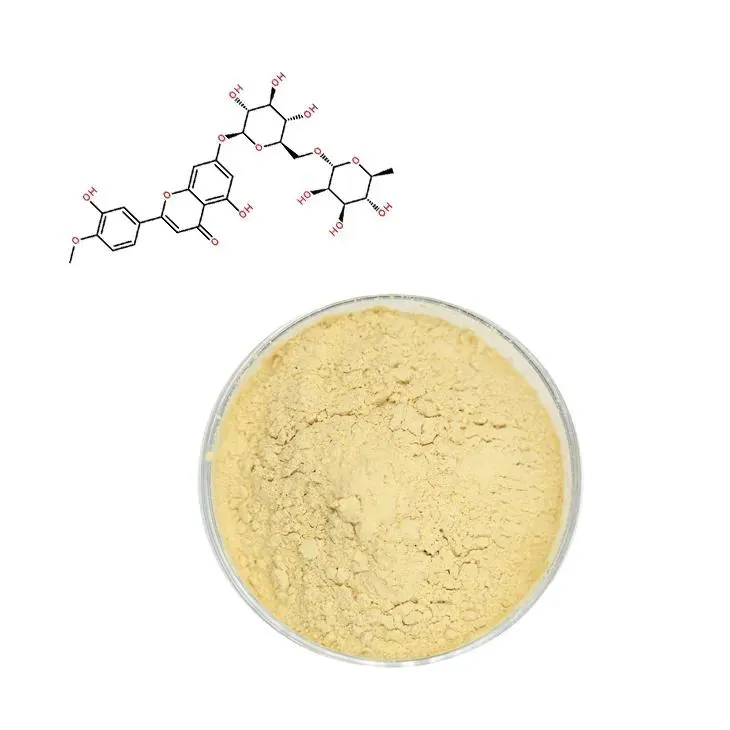
Diosmin
2026-08-15
-
Lemon Balm Extract
2026-08-15
-
Angelica sinensis extract
2026-08-15
-
Clove Powder
2026-08-15
-
Dandelion Leaf Extract
2026-08-15
-
Agaricus Blazei Extract
2026-08-15
-
Ivy Extract
2026-08-15
-
Phellodendron Extract
2026-08-15
-
Buckthorn bark extract
2026-08-15
-
Black Rice Extract
2026-08-15