- 0086-571-85302990
- sales@greenskybio.com





What quality tests are used for grape seed extracts?
2026-08-17
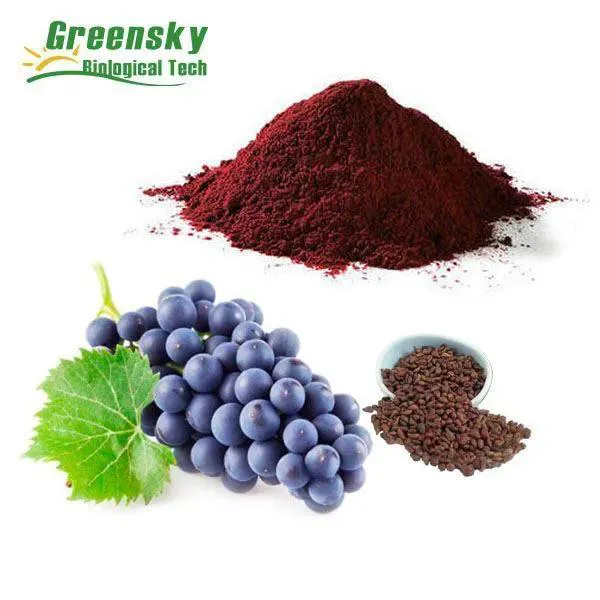
Grape Seed Extract is one of the most widely used botanical ingredients in dietary supplements, cosmetics, and functional foods. It is valued for its polyphenols, especially proanthocyanidins, which are known for their antioxidant activity. But the quality of grape seed extract can vary a great deal from batch to batch and from one supplier to another. Two materials that both carry a "95%" label may not be analytically or functionally equivalent at all. That is exactly why quality testing matters. This article explains the main tests used to verify the identity, potency, purity, and safety of Grape Seed Extracts, and what you should look for when you review a supplier's Certificate of Analysis.
Identity testing: confirming what the material really is
The first step in any quality program is confirming botanical identity. Grape Seed Extract should be produced from the seeds of Vitis vinifera, and the specification should state the species and the plant part clearly. A vague label that only says "grape extract" is a red flag. Identity is usually confirmed through a combination of methods: macroscopic and microscopic examination of the raw material, thin-layer chromatography (TLC) to compare the extract's fingerprint against a reference standard, and a high-performance liquid chromatography (HPLC) profile that records the characteristic peaks of the material. These checks make sure you are actually buying grape seed extract and not a cheaper extract from another plant source that happens to look similar.
Active compound assay: measuring what matters
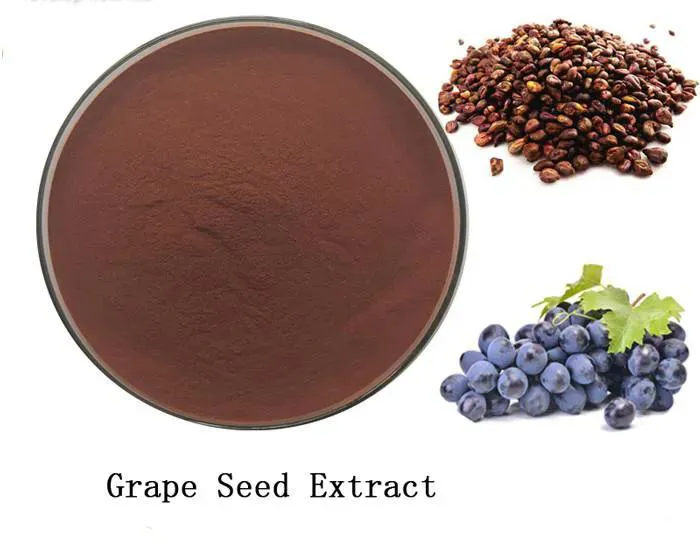
Once identity is confirmed, the next question is potency. Grape seed extract is commonly standardized to total polyphenols, total proanthocyanidins (PACs), or oligomeric proanthocyanidins (OPCs), the shorter-chain fraction that is often the focus of antioxidant claims. The analytical method used to measure these markers is just as important as the number itself. UV spectrophotometry and colorimetric methods are practical for routine batch release because they are fast and inexpensive, but they measure the total response of the sample rather than individual compounds. HPLC, by contrast, separates the sample components before detection, so it can quantify specific compounds such as catechin and epicatechin and give a clearer picture of the oligomeric profile. This is why a 95% result obtained by a UV method and a 95% result obtained by HPLC can describe chemically different materials. When you compare quotations, always ask which analyte is being measured, which method is used, and which reference standard and reporting basis apply.
Purity and contaminant testing
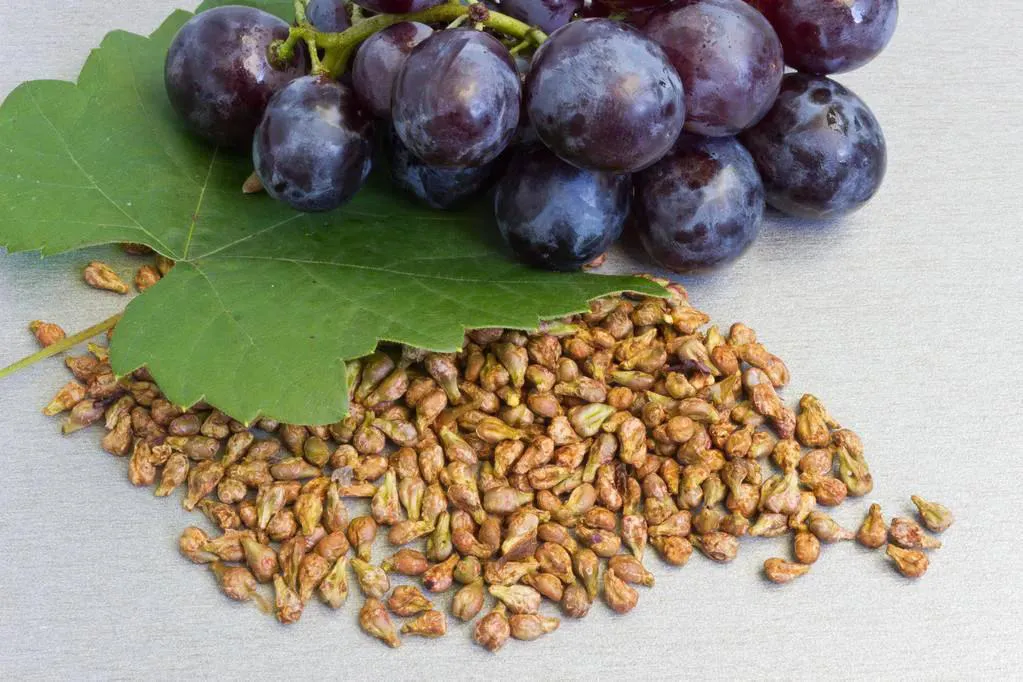
A high assay result means little if the material carries contaminants. Standard purity tests for grape seed extract include heavy metals such as lead, arsenic, cadmium, and mercury, usually measured by inductively coupled plasma mass spectrometry (ICP-MS) or atomic absorption spectroscopy; residual solvents, checked by gas chromatography (GC) when organic solvents are used in extraction; pesticide residues, screened by GC-MS or LC-MS; and microbiological testing covering total plate count, yeast and mold, E. coli, and Salmonella. Depending on the market and the application, additional tests may be required for mycotoxins, allergens, GMO status, or irradiation. Each result should be reported against a defined acceptance limit, not just marked as "conforms."
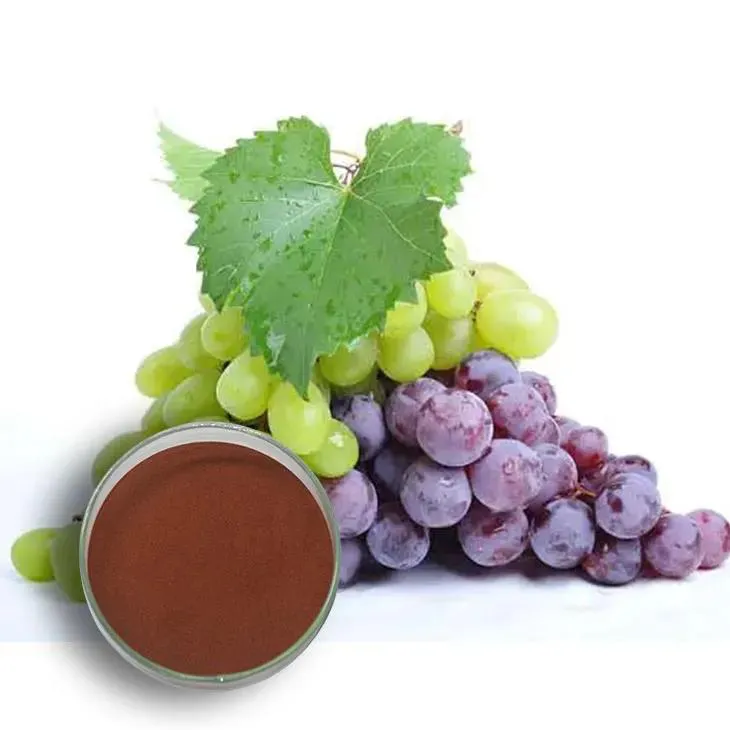
Physical testing: how the powder behaves
Physical properties affect how well the extract performs in your finished product, so they are routinely tested as well. Moisture content influences caking, stability, and shelf life. Particle size and bulk density affect blending, flow, and filling in capsules and tablets. Solubility and dispersibility matter for beverages and liquid formulations, and color and appearance are checked for batch-to-batch consistency. A material that is analytically compliant can still fail in production if its flow or density is wrong for your dosage form, which is why physical testing should never be skipped.
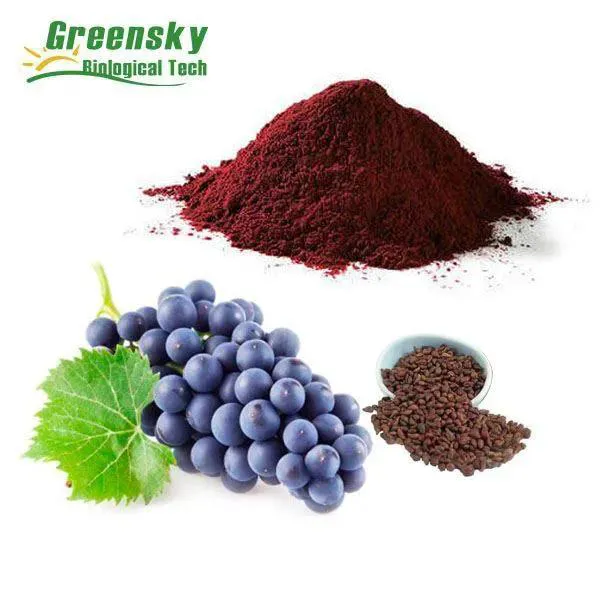
The Certificate of Analysis: reading it correctly
All of these tests come together in the Certificate of Analysis (COA). A useful COA is batch-specific: it carries the lot number, production and testing dates, and the authorized release signature. It reports the assay result with the method used, the reporting basis, and the specification range, and it lists contaminant results with their acceptance limits. A generic COA with no lot number, or one that omits the analytical method, is not worth much. Over time, you should also track results across batches rather than treating each one as a single pass-or-fail event, because trends in moisture, assay, or density can warn you about a supplier's process drifting before it becomes a real problem.
Working with a supplier that tests properly
The quality tests described above are only as good as the laboratory that runs them. When you evaluate a supplier, ask whether it operates an independent in-house laboratory and what instruments it uses. A manufacturer equipped with GC, HPLC, and UV instruments can verify active compound content and screen for contaminants on every batch rather than relying on occasional third-party reports. Production conditions matter too: a 100,000-class clean production area that meets food-grade requirements, and certifications such as ISO22000, BRCGS, SGS-GMP, HALAL, and Kosher, indicate a facility that takes quality control seriously. Hangzhou Greensky Biological Tech. Co., Ltd., a grape seed extract supplier founded in 2004, runs its own laboratory with GC, HPLC, and UV equipment and holds these credentials, which is the kind of setup that gives buyers confidence in every batch they receive.
The bottom line
Quality testing for grape seed extract covers four areas: identity, active compound assay, purity, and physical properties, all documented in a batch-specific Certificate of Analysis. The analytical method behind each number matters as much as the number itself, so always confirm the analyte, the method, and the reporting basis before you compare suppliers. If you are sourcing grape seed extract powder for your formulations, choose a manufacturer that can show you its testing capability, its clean production environment, and a COA for every batch. That is the surest way to keep your product quality consistent and your brand reputation intact.
TAGS:
- ▶ Hesperidin
- ▶ Citrus Bioflavonoids
- ▶ Plant Extract
- ▶ lycopene
- ▶ Diosmin
- ▶ Grape seed extract
- ▶ Sea buckthorn Juice Powder
- ▶ Fruit Juice Powder
- ▶ Hops Extract
- ▶ Artichoke Extract
- ▶ Mushroom extract
- ▶ Astaxanthin
- ▶ Green Tea Extract
- ▶ Curcumin
- ▶ Horse Chestnut Extract
- ▶ Other Product
- ▶ Boswellia Serrata Extract
- ▶ Resveratrol
- ▶ Marigold Extract
- ▶ Grape Leaf Extract
- ▶ New Product
- ▶ Aminolevulinic acid
- ▶ Cranberry Extract
- ▶ Red Yeast Rice
- ▶ Red Wine Extract
- ▶ blog
-
Senna Leaf Extract
2026-08-17
-
Lily extract
2026-08-17
-
Passionflower Extract
2026-08-17
-
Tamarind extract powder
2026-08-17
-
White Peony Extract
2026-08-17
-
Mango flavored powder
2026-08-17
-
Shikonin
2026-08-17
-
Coix Seed Extract
2026-08-17
-
Artichoke Extract
2026-08-17
-
Cranberry Extract
2026-08-17