- 0086-571-85302990
- [email protected]




What organic certification should organic green tea extract powder have?
2026-08-15
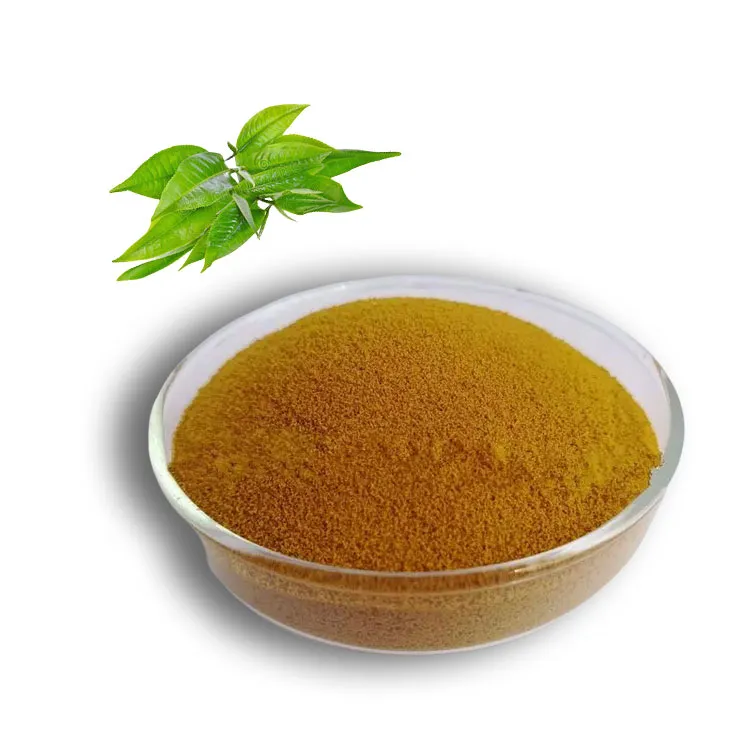
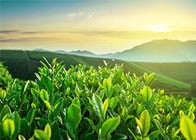
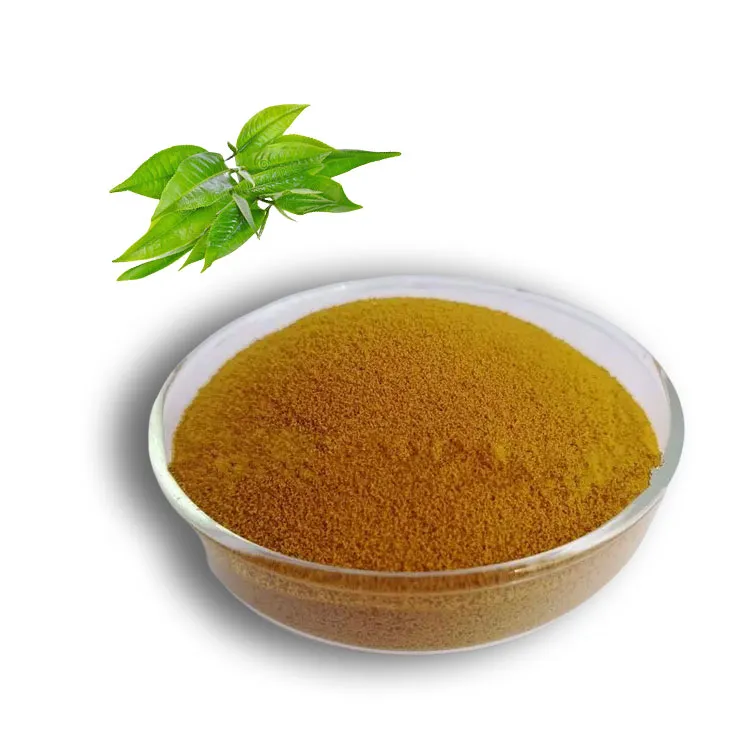
If you are sourcing organic green tea extract powder for dietary supplements, functional foods, or personal care products, one of the first questions you will face is which organic certification the material should carry. There is no single answer, because organic is regulated differently in every major market. What matters is matching the certification to the market where your finished product will be sold, and confirming that the certificate is genuine, current, and traceable back to the tea farm.
Why organic certification matters for Green Tea Extract
Tea is one of the most heavily treated crops in conventional farming. Synthetic pesticides and chemical fertilizers are routinely used on plantations, and residues can survive the extraction process and concentrate in the final powder. Organic certification is the only independent guarantee that the tea leaves were grown without prohibited synthetic inputs and that the processing line followed organic rules from leaf to powder.
For extract powder specifically, certification covers more than the field. It also governs how the extract is made: which solvents are allowed, whether irradiation is permitted, and whether genetically modified material is excluded. For buyers, this matters because a certificate that only covers the raw leaf does not automatically cover the finished extract.
The main organic certifications to look for
The certification you need depends on where your product will be sold. These are the ones most often requested by importers and brand owners:
- USDA Organic (NOP) — the standard for the United States market, enforced under 7 CFR Part 205. If your product will be sold in the U.S., this is the certificate importers will ask for.
- EU Organic — the standard for the European union, currently governed by Regulation (EU) 2018/848. Required for organic claims on products sold in the EU.
- Ecocert Organic Standard — Ecocert is one of the world's largest organic certification bodies. A certificate issued by Ecocert can cover USDA NOP, EU organic, or other programs, so check which standard the certificate actually references.
- JAS Organic — the Japanese Agricultural Standard for organic products, needed for the Japanese market.
- China Organic (GB/T 19630) — the national organic standard in China, relevant when you are sourcing from Chinese producers or selling into the Chinese market.
- COSMOS — an additional standard for certified organic cosmetics, useful if the extract goes into skincare and personal care formulations.
Many suppliers hold more than one certificate so that the same batch can serve multiple markets. When you compare offers, the number of certificates is less important than whether the certificate matches your destination market.
What a valid organic certificate should show
A certificate is only useful if it is valid and specific. Check these points before you rely on it:
- The product name on the certificate matches the material you are buying.
- The certificate is within its validity period.
- The certifying body is a recognized, accredited organization.
- The scope covers both crop production and processing or handling, not just the farm.
- The certificate number can be verified with the issuing body.
Documentation to request from your supplier
Beyond the certificate itself, a reliable supplier should provide batch-level documentation that lets you and your customers trace the organic claim:
- A current organic certificate for the product and facility
- A Certificate of Analysis (COA) for each batch, covering active compounds, heavy metals, and microbiological parameters
- An organic transaction certificate for each shipment
- Pesticide residue test reports
- Heavy metals and microbiology test reports
If a supplier cannot produce these documents, the organic claim should be treated with caution regardless of what the marketing material says.
Working with a certified Green Tea Extract manufacturer
Choosing a green tea extract manufacturer with verifiable certifications removes most of the guesswork. Hangzhou Greensky Biological Tech. Co., Ltd. has been producing plant extracts since 2004 and holds an Ecocert Organic Standard certification alongside ISO22000, BRCGS, SGS-GMP, ISO9001, HALAL, and Kosher. Its independent laboratory is equipped with GC, HPLC, and UV instruments, and the company provides export registration and documentation for global regulatory submissions. For buyers, that combination means the organic certificate is backed by food-safety systems and batch-level testing rather than paperwork alone.
As a green tea extract supplier, Greensky can also help you work out which certification applies to your target market, because the right answer depends on where the finished product will be sold.
The bottom line
There is no universal organic certificate for Green Tea Extract powder. Choose the certification that matches your destination market, verify that it is current and covers both the crop and the processing, and ask for batch-level documentation that supports the claim. A supplier that holds recognized certifications and shares full documentation makes the whole process straightforward.
- ▶ Hesperidin
- ▶ Citrus Bioflavonoids
- ▶ Plant Extract
- ▶ lycopene
- ▶ Diosmin
- ▶ Grape seed extract
- ▶ Sea buckthorn Juice Powder
- ▶ Fruit Juice Powder
- ▶ Hops Extract
- ▶ Artichoke Extract
- ▶ Mushroom extract
- ▶ Astaxanthin
- ▶ Green Tea Extract
- ▶ Curcumin
- ▶ Horse Chestnut Extract
- ▶ Other Product
- ▶ Boswellia Serrata Extract
- ▶ Resveratrol
- ▶ Marigold Extract
- ▶ Grape Leaf Extract
- ▶ New Product
- ▶ Aminolevulinic acid
- ▶ Cranberry Extract
- ▶ Red Yeast Rice
- ▶ Red Wine Extract
- ▶ blog
-
Fig Extract
2026-08-15
-
Cactus Extract
2026-08-15
-
Red Date Extract
2026-08-15
-
Phyllanthus Emblica Extract
2026-08-15
-
Grape Seed Extract
2026-08-15
-
Nettle leaf extract
2026-08-15
-
Reishi mushroom extract
2026-08-15
-
Ginger Extract
2026-08-15
-
Buckthorn bark extract
2026-08-15
-
Diosmin
2026-08-15