- 0086-571-85302990
- [email protected]






What makes a lycopene supplement the best quality?
2026-08-18
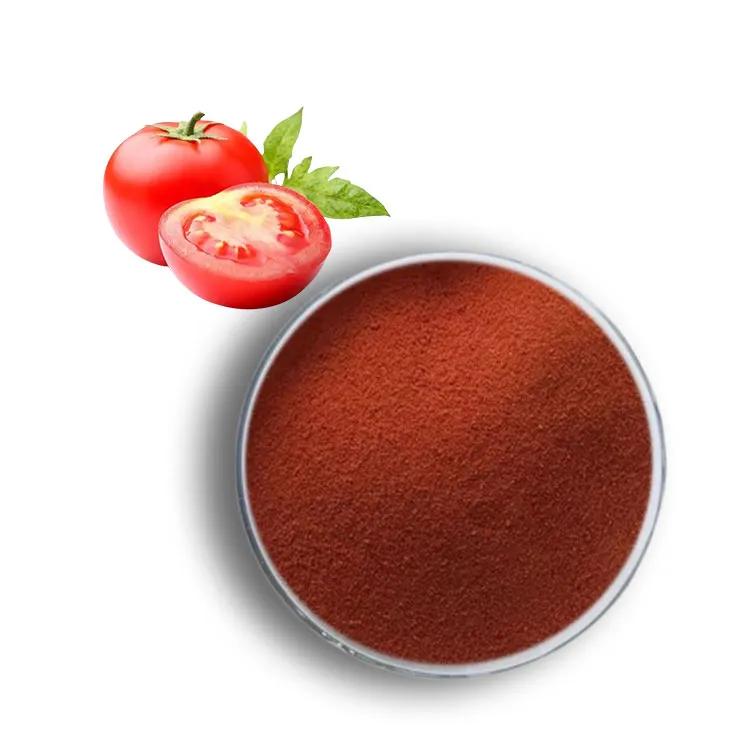
Lycopene is one of the most studied carotenoids in nutrition, valued for its strong antioxidant activity and its role in supporting cardiovascular health, immunity, and eye protection. Yet not every Lycopene supplement on the market delivers the same results. The difference between a product that works and one that simply sits on a shelf comes down to a handful of quality factors that are easy to overlook. Understanding what separates a high-grade lycopene supplement from an ordinary one helps buyers make decisions they can trust.
Why Lycopene quality matters
Lycopene is a fat-soluble pigment that gives tomatoes and other red fruits their color. Because the human body cannot produce it on its own, it must come from diet or supplementation. Research has linked adequate lycopene intake to better cardiovascular function, stronger immune response, and protection of the eyes from oxidative damage. However, the benefits only appear when the lycopene you consume is actually absorbed and delivered in a stable, active form. A poorly made product can lose most of its potency before it ever reaches the consumer, which is why quality control at every stage of production matters so much.
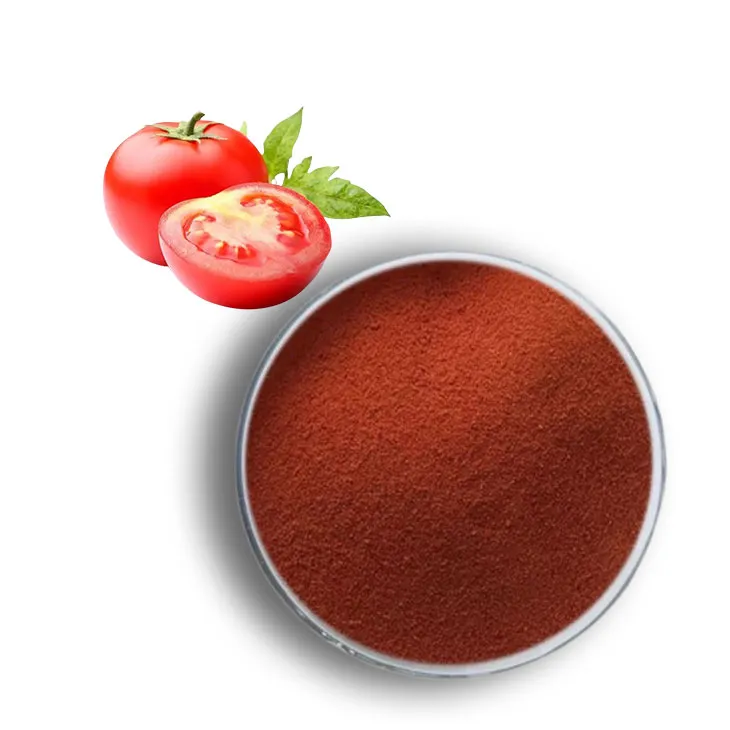
Natural tomato extract beats synthetic lycopene
The first and most important quality marker is the source. Natural lycopene derived from tomato extract carries a full complex of co-nutrients, including phytoene, phytofluene, and beta-carotene, which work together with lycopene and are widely considered to support better absorption than isolated synthetic versions. Synthetic lycopene is produced through chemical processes and lacks this natural matrix. When you are evaluating a lycopene extract, look for products that clearly state their origin and the extraction method used. Manufacturers with their own production lines can control the entire process from raw tomato material to finished powder, which gives them a clear advantage in consistency and purity.
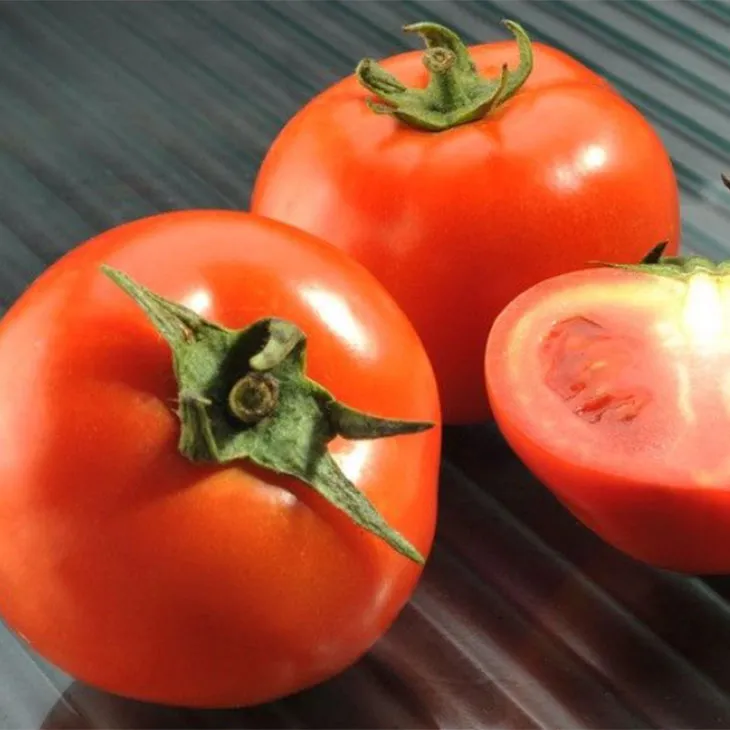
Standardized potency you can verify
A quality lycopene supplement is standardized, meaning every batch contains a consistent, guaranteed level of active lycopene. This is usually expressed as a percentage on the specification sheet, such as 5%, 10%, or 20% lycopene content. Standardization protects both the manufacturer and the end consumer: it ensures the dosage on the label matches what is actually in the product. Reputable suppliers provide a certificate of analysis for each batch, with test results confirmed by instruments such as HPLC and UV spectrophotometry. If a supplier cannot show you batch-to-batch testing data, that is a clear warning sign.
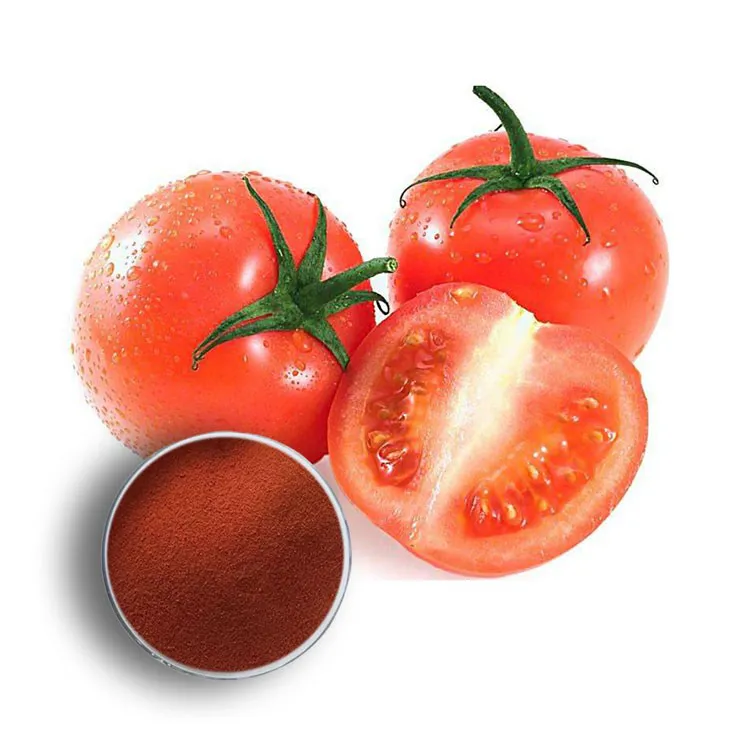
Bioavailability and formulation
Because lycopene is fat-soluble, its absorption depends heavily on how it is formulated. Oil-based softgels and formulations that include a carrier oil generally absorb better than plain dry powders. For bulk ingredients, the physical form also matters: fine powders with good flowability blend more easily into capsules, tablets, and beverages. The best suppliers offer flexible specifications so that formulators can choose the particle size, concentration, and format that fits their finished product. This kind of flexibility is a practical sign of a supplier that understands how its ingredient will actually be used.
Purity, safety, and contaminant control
High-quality lycopene is not just about potency; it is also about what is left out. A responsible manufacturer tests for heavy metals, residual solvents, pesticide residues, and microbial contamination, and keeps every result within strict food-grade limits. Production in a clean, food-grade environment reduces the risk of contamination from the very beginning. Facilities that maintain clean production areas and follow documented hygiene procedures are far more likely to deliver a safe, consistent product batch after batch.
Manufacturing standards and certifications
Certifications are one of the most reliable shortcuts for judging quality. Look for suppliers that hold recognized certifications such as ISO22000, ISO9001, BRCGS, SGS-GMP, HALAL, and Kosher, as well as organic standards where relevant. These certifications are not decorative; they are earned through audits of the entire production system, from raw material sourcing to finished goods. A manufacturer that maintains these credentials on a regular basis demonstrates a serious commitment to quality that shows up in the final product.
Traceability and supply chain control
The best lycopene supplements come from companies that control their supply chain from start to finish. Vertical integration, where the same group handles research, cultivation sourcing, extraction, testing, and sales, means fewer handoffs and fewer chances for quality to slip. It also means the manufacturer can trace any batch back to its raw materials and production records. For brands and buyers, this traceability is essential for regulatory submissions and for building consumer trust over the long term.
What to look for in a lycopene supplier
If you are a supplement brand, formulator, or distributor looking for a reliable source, the checklist is straightforward. Ask for the certificate of analysis for every batch. Confirm the lycopene content is standardized and clearly stated. Verify the extraction source and method. Check that the facility holds current food-safety and quality certifications. And look for a supplier with real production experience and a track record of export documentation. A partner that can answer all of these questions confidently is far more likely to deliver the best lycopene supplement raw material for your needs.
Frequently asked questions
What lycopene content should a good supplement have? Standardized extracts typically range from 5% to 20% lycopene. The right level depends on your formulation and dosage goals, and a good supplier will help you match the specification to your product.
Is natural lycopene better than synthetic? Most formulators prefer natural lycopene from tomato extract because it includes the natural carotenoid complex that supports absorption and delivers a cleaner label story for consumers.
How do I verify a supplier's quality claims? Ask for batch certificates of analysis, visit or audit the production facility, and confirm current certifications such as ISO22000, BRCGS, and SGS-GMP. Reliable suppliers share this information openly.
Can lycopene be used in different product formats? Yes. Lycopene powder works well in capsules, tablets, and powdered beverages, while oil-based forms suit softgels. A flexible supplier can provide specifications that fit your chosen format.
Choosing quality from the source
The quality of a lycopene supplement is decided long before it reaches the store shelf. It begins with the raw material, continues through extraction and standardization, and is confirmed by testing and certification at every step. By paying attention to source, potency, purity, manufacturing standards, and traceability, buyers can confidently select a product that delivers real value. For those looking for a manufacturing partner with more than two decades of experience in natural plant extracts, a vertically integrated supplier with in-house production and a full range of certifications offers a dependable starting point for building a high-quality lycopene product line.
- ▶ Hesperidin
- ▶ Citrus Bioflavonoids
- ▶ Plant Extract
- ▶ lycopene
- ▶ Diosmin
- ▶ Grape seed extract
- ▶ Sea buckthorn Juice Powder
- ▶ Fruit Juice Powder
- ▶ Hops Extract
- ▶ Artichoke Extract
- ▶ Mushroom extract
- ▶ Astaxanthin
- ▶ Green Tea Extract
- ▶ Curcumin
- ▶ Horse Chestnut Extract
- ▶ Other Product
- ▶ Boswellia Serrata Extract
- ▶ Resveratrol
- ▶ Marigold Extract
- ▶ Grape Leaf Extract
- ▶ New Product
- ▶ Aminolevulinic acid
- ▶ Cranberry Extract
- ▶ Red Yeast Rice
- ▶ Red Wine Extract
- ▶ blog
-
Pine bark Extract Powder
2026-08-18
-
Bilberry Extract
2026-08-18
-
Medicinal Marshmallow Extract
2026-08-18
-
Soy Extract
2026-08-18
-
Longan Extract
2026-08-18
-
Phyllanthus Emblica Extract
2026-08-18
-
Selenium yeast
2026-08-18
-
Maitake Mushroom Extract
2026-08-18
-
Nutmeg Extract
2026-08-18
-
Calendula Extract
2026-08-18
