- 0086-571-85302990
- [email protected]






What is tomato powder and how is it made?
2026-08-17
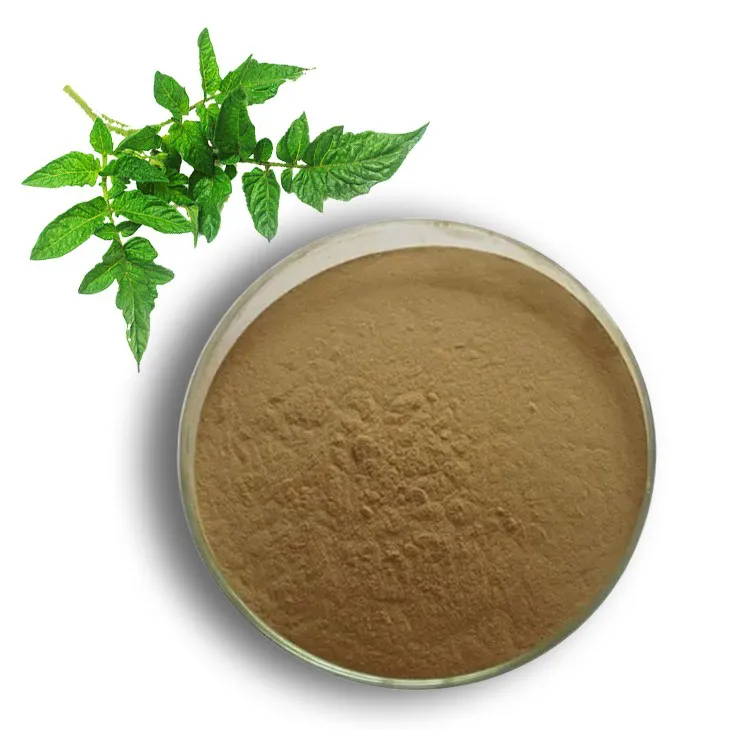
Tomato powder is one of the most versatile ingredients in both home kitchens and the food industry. Simply put, it is ripe tomatoes that have been dried and ground into a fine, free-flowing powder. Because almost all of the water is removed, the powder keeps the full, concentrated flavor of fresh tomatoes — bright, tangy, sweet and savory all at once — while lasting for months or even years without refrigeration.
For food manufacturers, beverage makers and supplement brands, tomato powder is far more than a seasoning. It is a practical raw material that delivers consistent color, taste and nutrition in a stable, easy-to-handle form. This guide explains what tomato powder is, how it is made, why it is so nutritious, and what to look for when sourcing it in bulk.
What is tomato powder?
Tomato powder is made from whole ripe tomatoes (Solanum lycopersicum) that are washed, dried and milled into a powder. Unlike tomato paste or sauce, it contains no added water, preservatives or seasonings — just the tomato itself.
The difference between tomato powder and tomato paste comes down to moisture. Tomato paste is thick and contains roughly 24% solids, while tomato powder has almost no moisture at all. This makes it extremely shelf-stable and easy to transport, which is why it is widely used as an ingredient in soups, sauces, seasonings, snacks, instant meals and functional foods.
Nutritional profile and health benefits
Tomatoes are naturally rich in vitamins and plant compounds, and drying concentrates these nutrients. Tomato powder is a good source of vitamin C, vitamin A, vitamin K, B vitamins, potassium, magnesium and dietary fiber.
Its most celebrated compound is Lycopene — the red carotenoid pigment that gives tomatoes their color. Lycopene is a powerful antioxidant that has been widely studied for supporting cardiovascular health, immune function and skin health. Because the drying process removes water, the Lycopene in tomato powder is more concentrated than in fresh tomatoes, and processing can actually make it easier for the body to absorb. For this reason, lycopene extract is a popular ingredient in dietary supplements and functional foods.
How tomato powder is made
There are two main ways to produce tomato powder: traditional dehydration for small batches, and industrial spray drying for commercial-scale production.
Traditional dehydration
Ripe tomatoes are washed, sliced into even pieces (or the skins are used), and dried at low temperature until completely crisp. A food dehydrator set to around 125–135°F (52–57°C) typically takes 8–12 hours; an oven set as low as possible works too. The dried pieces are then ground into a fine powder and sifted. This method is simple and works well for home use and small producers.
Industrial spray drying
Commercial manufacturers use a different process to produce large volumes of consistent, food-grade tomato powder. The tomatoes are washed, crushed and pressed into juice, which is then concentrated and fed into a spray drying tower. Fine droplets of the concentrate are dried instantly in a stream of hot air, producing a fine, uniform powder that retains the natural color, flavor and nutrients of the tomato. Spray drying is efficient, hygienic and ideal for bulk production.
Quality control in commercial production
For food and supplement brands, the quality of tomato powder matters as much as the process. Reliable manufacturers control the entire chain — from raw material selection to finished powder — and test every batch in an independent laboratory using instruments such as GC, HPLC and UV. Food-grade production facilities, clean production areas and certifications such as ISO22000, BRCGS, HALAL and Kosher give buyers confidence that the powder is safe, consistent and traceable.
Applications of tomato powder
Tomato powder is used across many industries:
- Food manufacturing: soups, sauces, ketchup, pasta and pizza products, instant meals
- Seasonings and snacks: spice blends, rubs, snack coatings, bouillon cubes
- Beverages: instant tomato drinks and vegetable juice blends
- Functional foods and supplements: lycopene-rich products for heart, skin and immune health
- Meat and bakery: flavor enhancement in sausages, breads and crackers
Because it is dry, light and stable, tomato powder is also far cheaper and easier to ship than canned or liquid tomato products — a major advantage for global buyers.
How to choose a tomato powder supplier
When sourcing tomato powder in bulk, look for a manufacturer with:
- Vertical integration and full control over production
- Food-grade, clean production facilities
- Independent quality testing and complete documentation
- Relevant certifications for your target markets
- Experience exporting to your region
A lycopene supplier with a strong track record in plant extracts can provide consistent quality, technical support and the documentation needed for regulatory submissions.
Storage and shelf life
Tomato powder should be stored in airtight containers in a cool, dry place away from direct sunlight. Properly stored, it keeps its quality for a year or more. Signs of spoilage include a dull brown color, clumping caused by moisture, or an off smell.
Conclusion
Tomato powder is a simple ingredient with remarkable versatility — concentrated flavor, rich nutrition and a long shelf life in one stable powder. Whether you are a food manufacturer looking for a reliable raw material or a brand exploring lycopene-rich ingredients, understanding how tomato powder is made and what to look for in a supplier will help you choose the right partner.
TAGS:
- ▶ Hesperidin
- ▶ Citrus Bioflavonoids
- ▶ Plant Extract
- ▶ lycopene
- ▶ Diosmin
- ▶ Grape seed extract
- ▶ Sea buckthorn Juice Powder
- ▶ Fruit Juice Powder
- ▶ Hops Extract
- ▶ Artichoke Extract
- ▶ Mushroom extract
- ▶ Astaxanthin
- ▶ Green Tea Extract
- ▶ Curcumin
- ▶ Horse Chestnut Extract
- ▶ Other Product
- ▶ Boswellia Serrata Extract
- ▶ Resveratrol
- ▶ Marigold Extract
- ▶ Grape Leaf Extract
- ▶ New Product
- ▶ Aminolevulinic acid
- ▶ Cranberry Extract
- ▶ Red Yeast Rice
- ▶ Red Wine Extract
- ▶ blog
-
Elderberry Extract
2026-08-17
-
Oat Straw Extract Powder
2026-08-17
-
Ginger Extract
2026-08-17
-
Hawthorn powder
2026-08-17
-
Lemon Balm Extract
2026-08-17
-
Konjac Powder
2026-08-17
-
Plantain extract
2026-08-17
-
Almond Extract Powder
2026-08-17
-
Hesperidin
2026-08-17
-
White mustard seed extract
2026-08-17
