- 0086-571-85302990
- [email protected]






What is the typical lead time for red yeast rice powder bulk shipments?
2026-08-13

If you are sourcing red yeast rice powder for a supplement or functional food project, one of the first questions you will ask a supplier is how long the order will take to reach your door. Lead time matters because it directly affects your production schedule, inventory planning, and launch timing. The honest answer is that there is no single number: typical lead times for bulk red yeast rice powder shipments range from as little as a few days for in-stock goods to around four to six weeks for larger sea-freight orders. This article breaks down what drives those timelines and how to plan around them.
What actually determines your lead time
Lead time is the total time from when you place and confirm an order to when the goods arrive at your warehouse. For a bulk powder, that window is made up of three separate stages, and each one can be shortened or lengthened depending on your choices. The first stage is production, which covers fermentation, drying, milling, and testing. The second is quality release, where the batch is checked against its specification and the relevant documents are prepared. The third is shipping, which is usually the stage that varies the most.
Most established red yeast rice manufacturers keep common specifications in stock, so production can be as fast as same-day dispatch. Orders that need a customized Monacolin K level, special particle size, or tailored packaging go through a fresh production run and take longer, typically one to two weeks after the order is confirmed.
Typical lead times by shipping method
The biggest swing in your total lead time comes from how the goods are shipped. For small quantities, express couriers such as DHL or FedEx are common and typically deliver within three to five working days. Air freight is a good middle option for medium volumes and usually takes five to seven days. For large container loads, sea freight is the most economical choice but takes the longest, generally around four to six weeks depending on the destination port and the sailing schedule.
A reliable red yeast rice supplier will give you these options clearly and recommend the most cost-effective route for your volume, rather than pushing you toward the most expensive method.
Why stock and production planning matter
The single biggest lever for shortening lead time is choosing a supplier who keeps standard grades in stock. When a factory holds finished inventory of common Monacolin K concentrations, the production window disappears and only the shipping time remains. That is why it is worth asking a prospective partner directly whether the specification you need is a stocked item or a made-to-order run.
Custom requirements are the main reason lead times stretch. If you need a specific assay, a custom mesh size, or private-label packaging, the batch must be produced and tested from scratch. Building this into your own planning, and confirming the specification early with the factory, prevents costly delays later.
Documents and approvals you should factor in
For international shipments, documentation can add a few days to the timeline. Reputable suppliers prepare certificates of analysis, origin certificates, and any export registration documents during the quality-release stage, so the paperwork is ready when the goods are ready. If your market requires specific certifications, confirm in advance that the factory holds them, because obtaining a new certificate takes far longer than the shipment itself.
How to plan a realistic schedule
A practical way to think about your order is to add a safety buffer on top of the supplier's quoted time. If a factory says express delivery takes three to five days, plan for a week. If it says sea freight takes four to six weeks, assume the longer end unless you have a confirmed sailing. Ordering a sample first to verify quality is a smart step, and many suppliers provide samples while you finalize the specification and quantity.
For bulk buyers, the smoothest workflow is to confirm the specification, agree on packaging and documentation, and book the shipping method early. That way production, paperwork, and freight planning run in parallel rather than one after another.
Choosing a partner who keeps your timeline on track
The most direct way to keep lead times short is to work with a vertically integrated manufacturer that controls fermentation, extraction, and finishing under one roof. Greensky, a plant extract manufacturer founded in 2004 and headquartered in Hangzhou, produces red yeast rice with 0.2% to 5% Monacolin K through a strict fermentation process, with citrinin-free output and a clean production area that meets food-grade requirements. Its independent laboratory, export registration, and global certifications such as ISO22000 and BRCGS help ensure that documentation keeps pace with delivery.
When you are ready to move, the best approach is to send your target specification and quantity to the supplier and ask for a clear breakdown of production time, shipping time, and total estimated lead time. A trustworthy red yeast rice manufacturer will be transparent about each stage so you can plan your production with confidence.
In short, bulk red yeast rice powder lead times are not a mystery once you understand the three components: production, quality release, and shipping. By choosing a supplier with stock on hand, confirming your specification early, and picking the right shipping method for your volume, you can keep your total lead time predictable and your project on schedule.
- ▶ Hesperidin
- ▶ Citrus Bioflavonoids
- ▶ Plant Extract
- ▶ lycopene
- ▶ Diosmin
- ▶ Grape seed extract
- ▶ Sea buckthorn Juice Powder
- ▶ Fruit Juice Powder
- ▶ Hops Extract
- ▶ Artichoke Extract
- ▶ Mushroom extract
- ▶ Astaxanthin
- ▶ Green Tea Extract
- ▶ Curcumin
- ▶ Horse Chestnut Extract
- ▶ Other Product
- ▶ Boswellia Serrata Extract
- ▶ Resveratrol
- ▶ Marigold Extract
- ▶ Grape Leaf Extract
- ▶ New Product
- ▶ Aminolevulinic acid
- ▶ Cranberry Extract
- ▶ Red Yeast Rice
- ▶ Red Wine Extract
- ▶ blog
-
Nettle Root Extract
2026-08-13
-
Senna Leaf Extract
2026-08-13
-
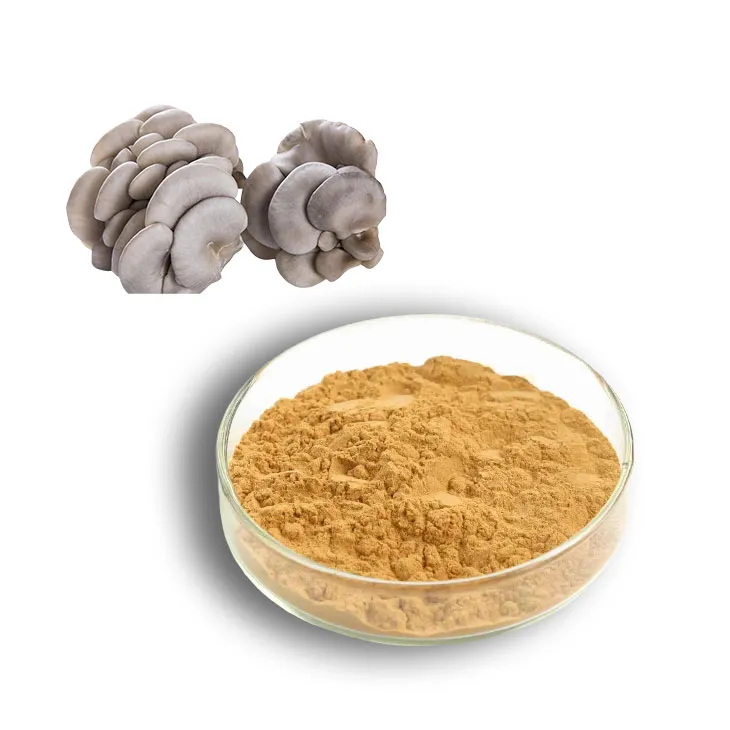
Oyster Mushroom Extract Powder
2026-08-13
-
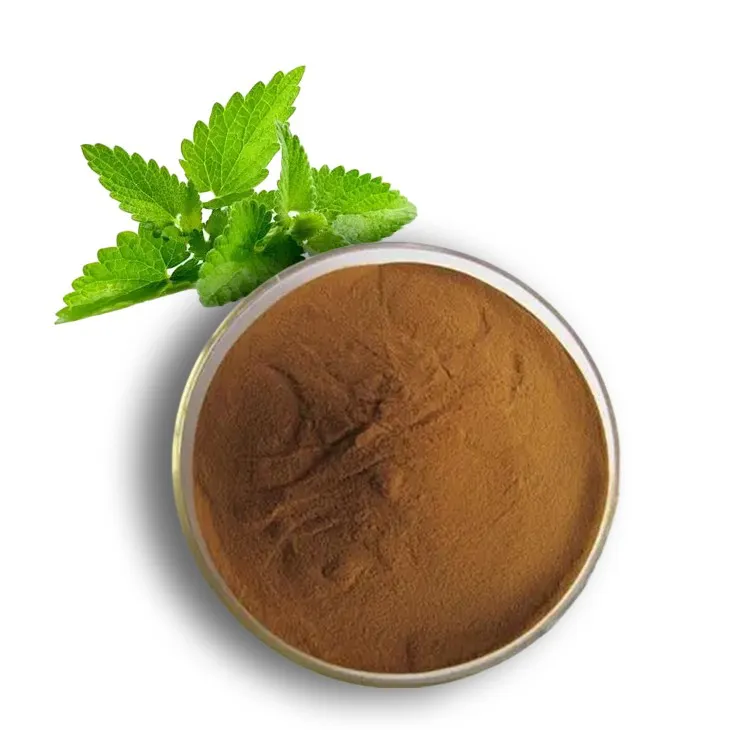
Peppermint Extract Powder
2026-08-13
-
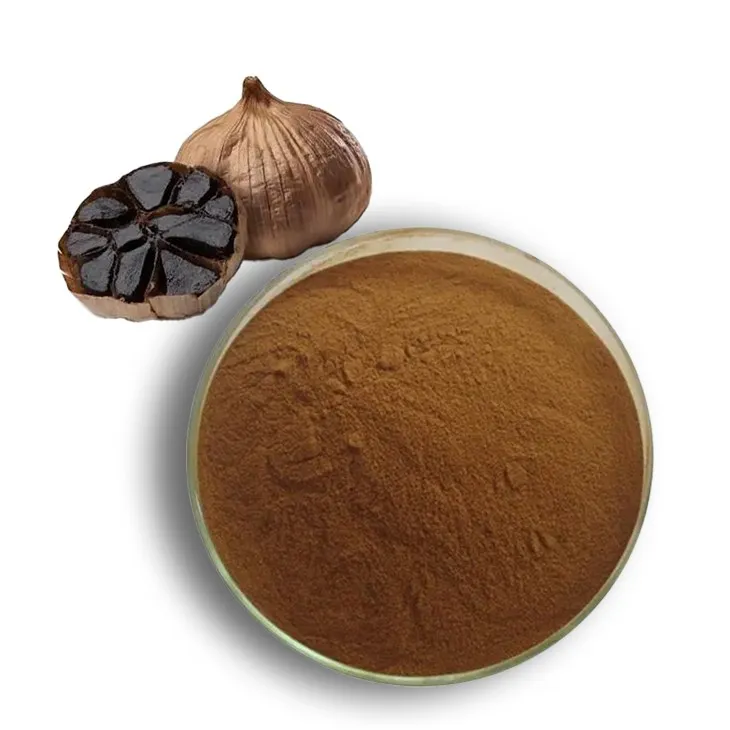
Black Garlic Extract
2026-08-13
-
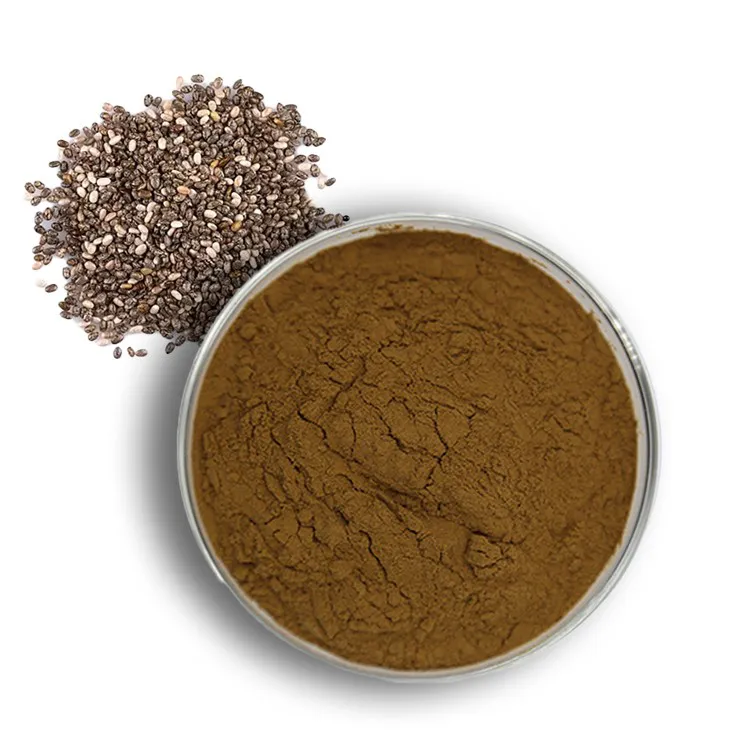
Chia Seed Powder
2026-08-13
-
Beta Carotene
2026-08-13
-
Jujube Extract
2026-08-13
-
Withania Somnifera Extract
2026-08-13
-
Propolis Extract Powder
2026-08-13
