- 0086-571-85302990
- [email protected]






What is the silica content in horsetail plant extract for hair?
2026-08-18
If you have been comparing hair supplements lately, you have probably noticed horsetail extract listed on more than a few labels, usually alongside a claim about silica. The short answer to the question is that commercial horsetail extract is almost always standardized to contain about 7% silica, and some higher-grade batches are standardized to 10%. In a typical 500 mg extract standardized to 7% silica, that works out to roughly 35 mg of silica per serving. But the number on the label only tells part of the story, so this article looks at what that silica actually does for hair, how the standardization works, and what to check before buying.
What Is Horsetail Extract?
Horsetail (Equisetum arvense) is a perennial plant that has been used as a herbal remedy since the time of the Greeks and Romans. It belongs to one of the oldest plant families on earth, and its hollow, jointed stems are famously rich in minerals, especially silica. The plant is harvested, dried, and processed into a concentrated extract, which is then used in capsules, tablets, powders, and topical hair products. Because the silica content of raw horsetail varies with the soil it grows in and the season it is harvested, manufacturers standardize the extract so that every batch delivers a consistent level of silica.
Why Silica Matters for Hair
Silica, also called silicon dioxide, is a compound of silicon and oxygen, and it plays a supporting role in the body's production of collagen, the structural protein that gives hair, skin, nails, and bones their strength. Research published in the Archives of Dermatological Research found that silica increases the tensile strength and thickness of hair and reduces brittleness, which is why it shows up so often in hair-focused formulas. A 2016 review on the use of silicon for skin and hair care reached a similar conclusion, noting that orthosilicic acid, the bioavailable form of silicon, may support collagen production in the skin and help reduce hair loss.
Horsetail brings more than silica to the table. It also contains selenium and cysteine, both of which are associated with healthy hair growth, and it has antioxidant and anti-inflammatory properties that can support a healthier scalp environment. That combination is why horsetail is rarely used alone but is instead built into broader hair care routines alongside other botanicals.
How Much Silica Is Actually in Horsetail Extract?
This is where the label math matters. Raw horsetail herb naturally contains silica, but the amount is inconsistent, so responsible manufacturers do not sell it unstandardized. Instead, they test each batch and standardize the extract to a guaranteed level, most commonly 7% silica. Some suppliers offer a 10% standardized grade for formulators who want a more concentrated ingredient. To put that in practical terms, a 500 mg capsule of horsetail extract standardized to 7% silica delivers about 35 mg of silica, while a 10% grade would deliver about 50 mg.
The standardization percentage is not just marketing. It is the difference between a product that delivers a predictable dose of silica and one that varies from batch to batch. When a label says "standardized to 7% silica," it means the manufacturer has tested the extract and adjusted it so that the silica content does not fall below that level. For anyone sourcing horsetail extract in bulk for a supplement line, asking for the certificate of analysis and confirming the standardized silica level is one of the most important checks you can make.
What to Look for in a Quality Horsetail Extract
Not all horsetail extract is created equal, and a few simple checks separate a reliable ingredient from a gamble. First, look for a stated standardization, such as 7% or 10% silica, backed by a certificate of analysis from an independent laboratory. Second, check the source: horsetail grown in clean, controlled conditions is less likely to carry contaminants than wild-harvested material of unknown origin. Third, confirm that the manufacturer tests for heavy metals, pesticides, and microbial contamination, and that the production facility follows food-grade standards.
For formulators and supplement brands, working with a manufacturer that can document all of this is worth the effort. Greensky, a plant extract manufacturer founded in 2004 with more than 20 years of experience, produces botanical extracts in a vertically integrated operation covering research, development, and production. Its 100,000-class clean production area, in-house laboratory equipped with GC, HPLC, and UV instruments, and certifications including ISO22000, BRCGS, Ecocert Organic Standard, SGS-GMP, ISO9001, HALAL, and Kosher give buyers the traceability that a serious hair care formulation demands.
How to Use Horsetail for Hair
Horsetail is available in several forms, and the right one depends on your goal. Capsules and tablets are the most convenient way to get a consistent, measured dose of standardized extract, which is why they dominate the supplement market. Powdered extract can be blended into smoothies or used by formulators as a raw ingredient. Topically, horsetail appears in hair oils, rinses, and shampoos, where its silica and antioxidant content can coat and condition the hair shaft. Horsetail tea and dried herb are also traditional options, though their silica content is far less predictable than a standardized extract.
For best results, horsetail is usually combined with other hair-supporting botanicals rather than used on its own. Rosemary leaf extract for hair is a popular pairing because of its circulation-supporting and antioxidant properties, while moringa powder for hair growth adds a dense profile of vitamins and minerals. When these ingredients are combined in a single formula, they address different parts of the hair health puzzle at once.
Safety and Side Effects
Horsetail is generally considered safe for most people when used as directed, but a few cautions are worth knowing. The plant contains thiaminase, an enzyme that can break down vitamin B1, so long-term daily use may increase the risk of thiamine deficiency. Horsetail also has a mild diuretic effect, which means it increases urine output. People with kidney disease should avoid it, and anyone with a known allergy to carrots should be cautious, since the two plants are related. As with any herbal ingredient, pregnant or breastfeeding women and anyone taking medication should check with a healthcare professional first.
The Bottom Line
Horsetail extract is typically standardized to 7% silica, with some grades reaching 10%, and a standard 500 mg serving provides roughly 35 mg of silica. That silica supports collagen production and helps strengthen hair, which is why horsetail has earned its place in hair care formulas. The key is to buy from a source that can prove the standardization and the quality behind it. For brands looking to build a reliable hair care line, sourcing horsetail plant extract for hair from an experienced manufacturer with documented testing and certifications is the surest way to deliver a product consumers can trust.
- ▶ Hesperidin
- ▶ Citrus Bioflavonoids
- ▶ Plant Extract
- ▶ lycopene
- ▶ Diosmin
- ▶ Grape seed extract
- ▶ Sea buckthorn Juice Powder
- ▶ Fruit Juice Powder
- ▶ Hops Extract
- ▶ Artichoke Extract
- ▶ Mushroom extract
- ▶ Astaxanthin
- ▶ Green Tea Extract
- ▶ Curcumin
- ▶ Horse Chestnut Extract
- ▶ Other Product
- ▶ Boswellia Serrata Extract
- ▶ Resveratrol
- ▶ Marigold Extract
- ▶ Grape Leaf Extract
- ▶ New Product
- ▶ Aminolevulinic acid
- ▶ Cranberry Extract
- ▶ Red Yeast Rice
- ▶ Red Wine Extract
- ▶ blog
-
Purple Sweet Potato Extract
2026-08-18
-
Uridine-5'-monophosphate Disodium salt
2026-08-18
-
Rose Hip Extract
2026-08-18
-
Konjac Powder
2026-08-18
-
Hawthorn Extract
2026-08-18
-
Bamboo Leaf extract
2026-08-18
-
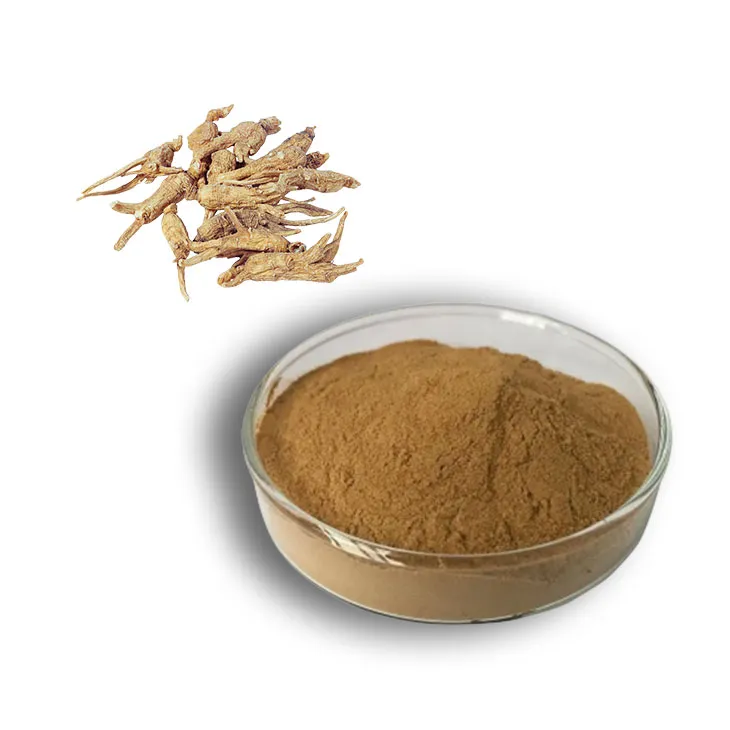
Angelica sinensis extract
2026-08-18
-
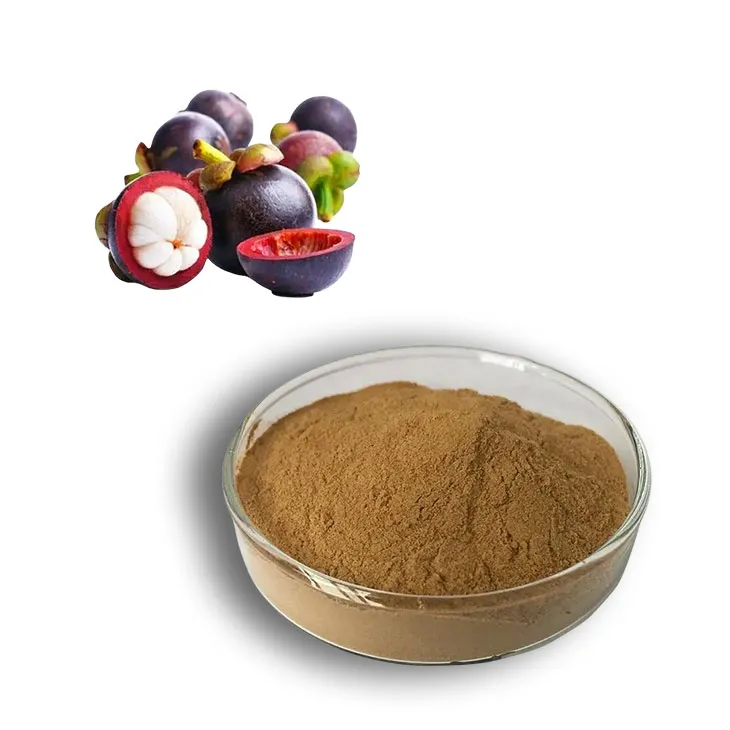
Mangosteen extract powder
2026-08-18
-
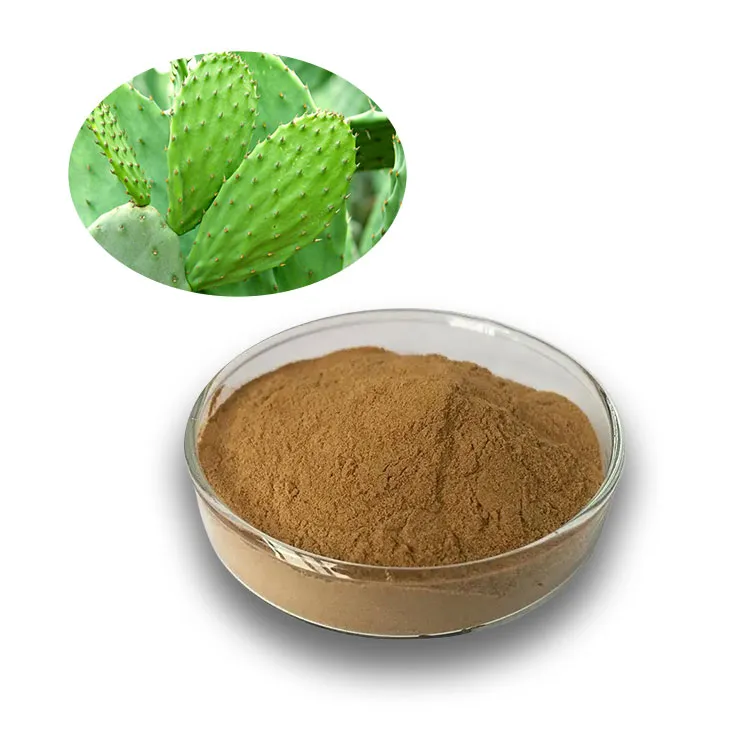
Cactus Extract
2026-08-18
-
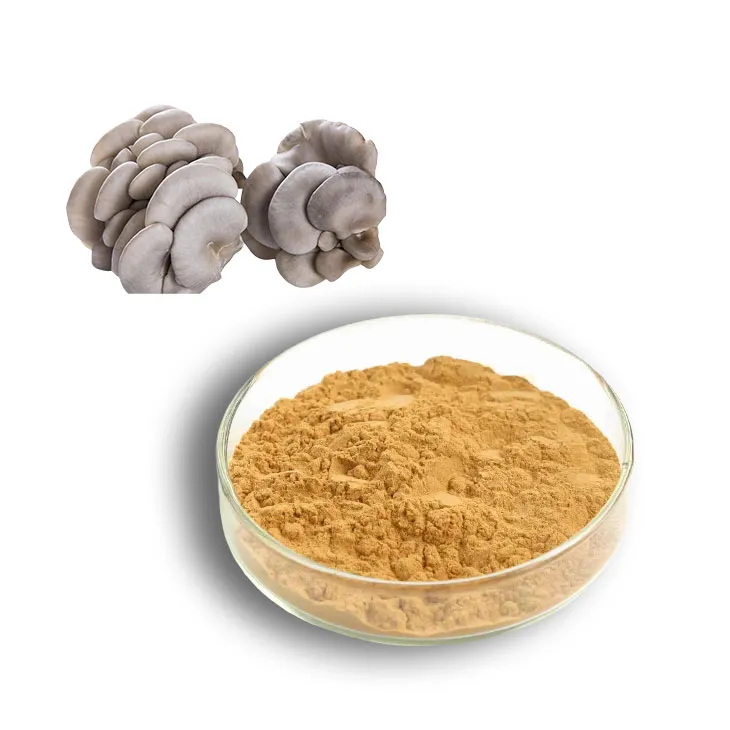
Oyster Mushroom Extract Powder
2026-08-18
