- 0086-571-85302990
- [email protected]




What is the scientific meaning of curcumin?
2026-08-13
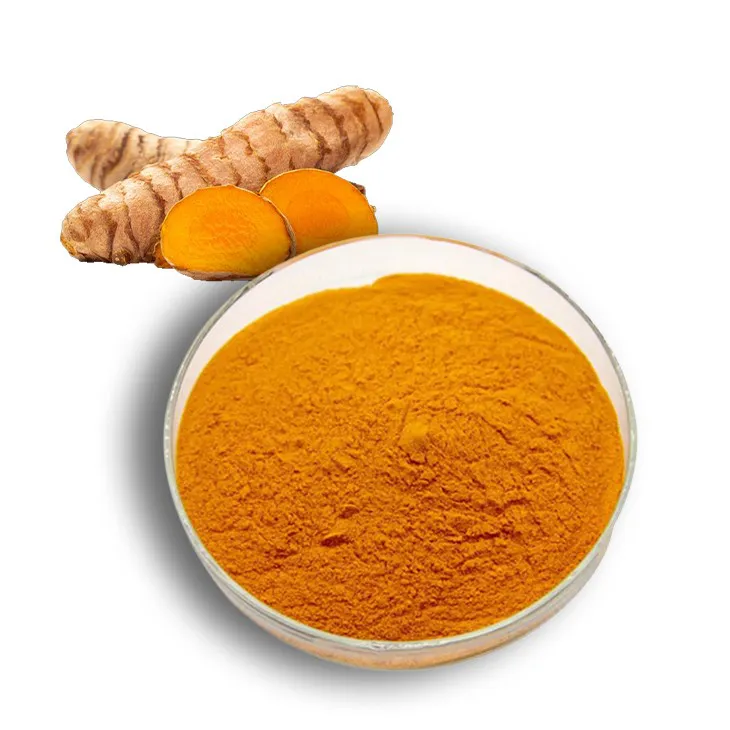
When people talk about the health benefits of turmeric, the compound they are really referring to is curcumin. But what does the term actually mean in scientific terms, and why does it matter to anyone buying botanical ingredients in bulk? Put simply, Curcumin is the main active pigment in turmeric, and it belongs to a well-studied family of natural molecules known for their antioxidant and anti-inflammatory activity. Understanding its chemistry helps buyers choose the right raw material with confidence.
The chemical identity of Curcumin
Scientifically, Curcumin is a polyphenol from the group of diarylheptanoids. Its IUPAC name is (1E,6E)-1,7-bis(4-hydroxy-3-methoxyphenyl)-1,6-heptadiene-3,5-dione, and it is also commonly called diferuloylmethane. The molecule has the chemical formula C21H20O6 and a molecular weight of about 368.38 g/mol. What makes it distinctive on paper is its structure: two aromatic rings that carry o-methoxy phenolic groups, joined by a seven-carbon linker built around an α,β-unsaturated β-diketone. That arrangement is not just decorative, it is the reason the molecule is so reactive and why it colours the root its characteristic yellow.
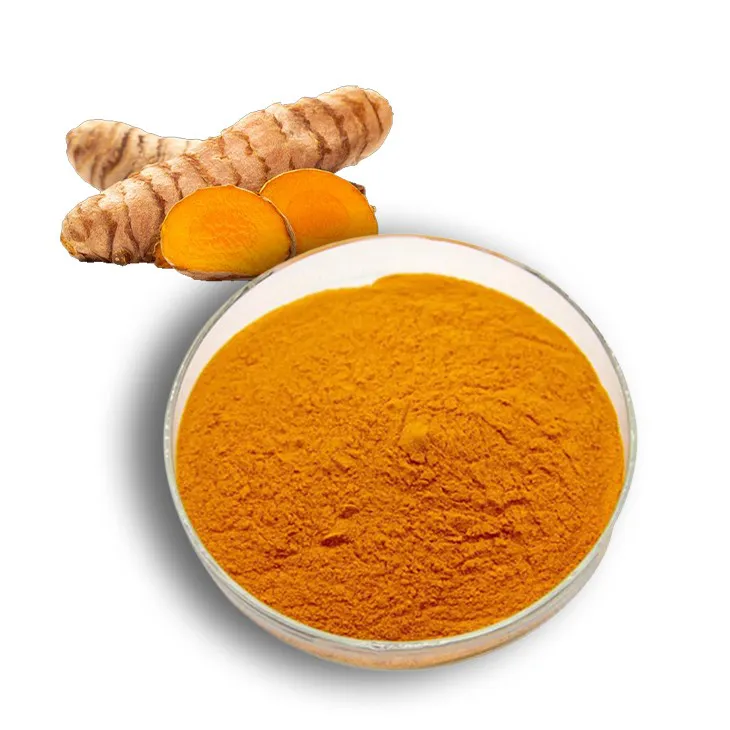
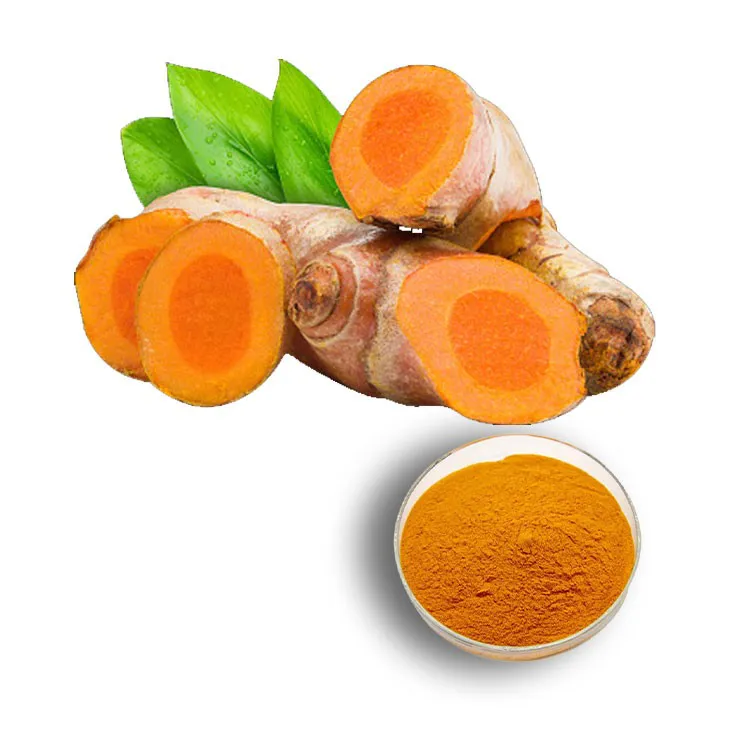
Curcumin was first isolated from turmeric roots back in 1815, and its structure has been studied for more than two centuries. In raw turmeric, the compound does not appear alone. It is part of a group called curcuminoids, which also includes demethoxycurcumin and bisdemethoxycurcumin. Depending on the origin of the plant and the soil it grows in, turmeric typically contains 2% to 9% curcuminoids, with curcumin as the major component. This is an important detail for formulators, because the ratio of these compounds can differ between suppliers.
Physical and chemical properties that matter
Curcumin is a hydrophobic molecule with a logP of roughly 3.0. In practical terms, it is almost insoluble in water but dissolves readily in polar organic solvents such as ethanol, methanol, acetonitrile, ethyl acetate and DMSO. This solubility profile is one of the reasons raw curcumin powders are often combined with other ingredients or processed into more absorbable forms before use. The molecule also shows keto-enol tautomerism, meaning it can switch between two structural forms depending on its environment, an equilibrium that influences both its stability and its behaviour in a formulation.
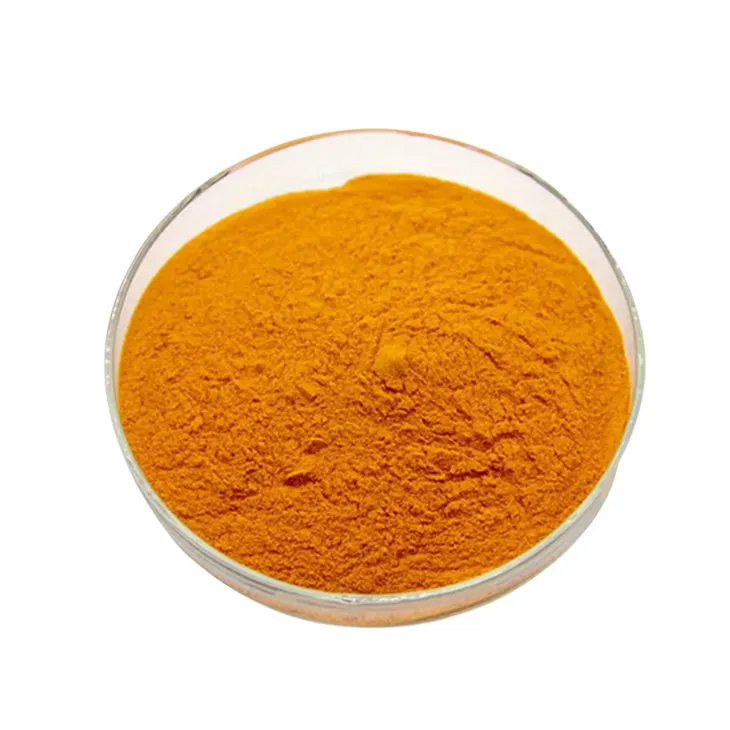
One of the most visible and useful properties of curcumin is its colour change. In neutral conditions the molecule is a bright yellow, but as the pH rises into the alkaline range it shifts to a deep red. Because of this behaviour, analytical laboratories commonly detect and measure curcumin using absorption at wavelengths around 410 to 430 nm, and this is a standard test used to verify purity. For a manufacturer, having reliable testing for these markers is essential, which is why reputable suppliers maintain their own in-house laboratories.
Why the science translates into real biological activity
The scientific interest in curcumin goes far beyond its colour. The molecule is a powerful antioxidant because its conjugated structure allows it to neutralise free radicals, and it also acts as an anti-inflammatory agent. These properties are the basis for the broad range of health applications seen in the supplement industry, from joint support to everyday wellness products. When the same scientific principles are applied at commercial scale, the result is a reliable ingredient that formulators can build products around.
Producing a consistent curcumin extract at scale is not a simple task. It requires careful sourcing of turmeric, reproducible extraction, and rigorous quality control at every step. This is where working with an experienced curcumin manufacturer becomes important. A reliable supplier does not just supply powder; they document the active content, check for contaminants and provide the certificates that let a buyer ship finished goods across borders.
Choosing a supplier who understands the chemistry
Greensky is a professional manufacturer of natural plant extracts with more than 20 years of experience in identifying, researching and producing active botanical ingredients. Founded in 2004 and headquartered in Hangzhou, the company operates a fully integrated group that covers research, development and production under one roof. Its independent laboratory is equipped with GC, HPLC and UV instruments, which means every batch of plant extract can be verified against agreed specifications before it leaves the factory.
Behind that quality is a certification portfolio that includes ISO22000, BRCGS, Ecocert Organic Standard, SGS-GMP, ISO9001, HALAL and Kosher. With export value reaching nearly $30 million in 2023 and main markets in Europe, the United States, South Korea and Russia, Greensky has built the kind of traceability and documentation that global regulatory submissions demand. Whether you are sourcing curcumin for a supplement line or looking for a dependable long-term partner, partnering with a manufacturer that understands the science behind the ingredient is the safest way to protect your product.
If you would like to discuss specifications, request samples or arrange a factory audit, the Greensky team is ready to help. Contact them directly to find out how a vertically integrated curcumin supplier can support your next project.
- ▶ Hesperidin
- ▶ Citrus Bioflavonoids
- ▶ Plant Extract
- ▶ lycopene
- ▶ Diosmin
- ▶ Grape seed extract
- ▶ Sea buckthorn Juice Powder
- ▶ Fruit Juice Powder
- ▶ Hops Extract
- ▶ Artichoke Extract
- ▶ Mushroom extract
- ▶ Astaxanthin
- ▶ Green Tea Extract
- ▶ Curcumin
- ▶ Horse Chestnut Extract
- ▶ Other Product
- ▶ Boswellia Serrata Extract
- ▶ Resveratrol
- ▶ Marigold Extract
- ▶ Grape Leaf Extract
- ▶ New Product
- ▶ Aminolevulinic acid
- ▶ Cranberry Extract
- ▶ Red Yeast Rice
- ▶ Red Wine Extract
- ▶ blog
-
Chia Seed Powder
2026-08-13
-
Bayberry Extract
2026-08-13
-
American Ginseng Root Extract
2026-08-13
-
Hesperidin
2026-08-13
-
Lotus leaf extract
2026-08-13
-
Centella Asiatica Extract
2026-08-13
-
Citrus Aurantium Extract
2026-08-13
-
Elderberry Extract
2026-08-13
-
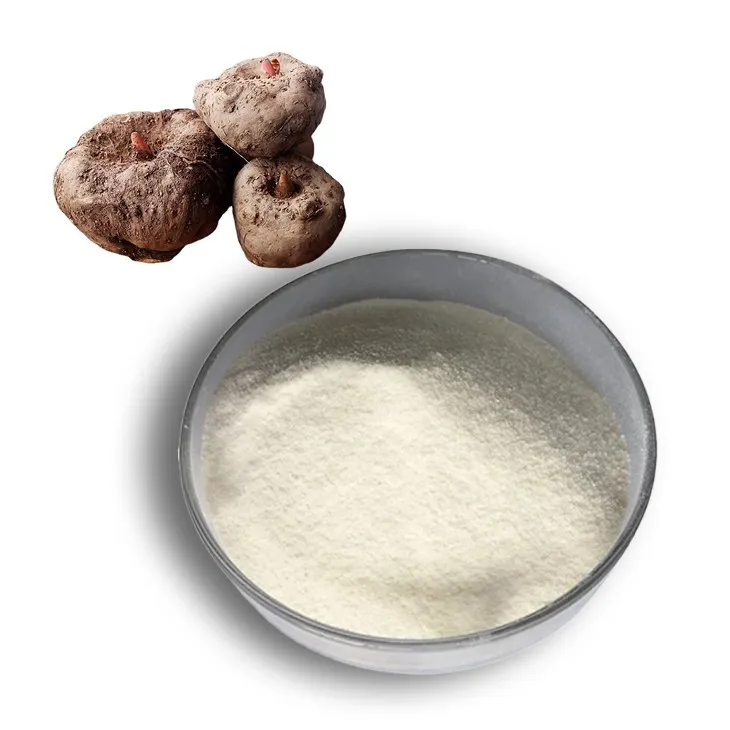
Konjac Powder
2026-08-13
-
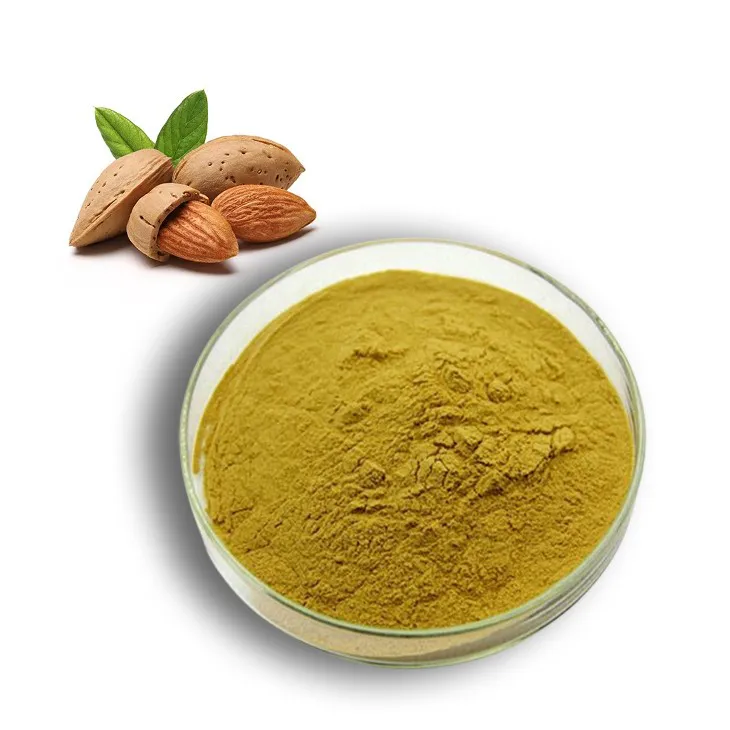
Almond Extract Powder
2026-08-13