- 0086-571-85302990
- [email protected]






What is the role of plant extract quality control in regulatory compliance?
2026-08-17
Every batch of botanical material that crosses a border, enters a formulation, or reaches a store shelf carries the same unspoken promise: it is safe, it is pure, and it contains exactly what its label says. Regulators in the United States, the European union, Canada, and Australia do not take that promise on faith. They demand evidence, and that evidence is produced by quality control. For any manufacturer of plant extract ingredients, quality control is not an internal convenience. It is the bridge between a well-run factory and a compliant, market-ready product.
Understanding how quality control connects to regulatory compliance helps buyers ask better questions, helps suppliers build stronger systems, and ultimately protects the end consumer. This article breaks down that connection in practical terms.
What regulatory compliance actually requires
Regulatory frameworks differ from market to market, but they converge on the same core expectations. In the United States, the FDA holds dietary supplement manufacturers to Current Good Manufacturing Practices under 21 CFR Part 111, which places responsibility for product safety squarely on the producer. In the European union, food supplements and botanical ingredients are assessed by EFSA, while pharmaceutical-grade materials fall under EMA oversight. Health Canada requires Natural Health Products to carry a product license backed by safety and quality data, and Australia's TGA applies similar scrutiny to therapeutic goods.
Despite these differences, every framework asks the same three questions about a botanical ingredient. Is it the right plant? Is it free from harmful contaminants? Does it contain the active compounds at the claimed level? Quality control is the discipline that answers these three questions with measurable, documented results.
The three pillars: identity, purity, and potency
Quality control for botanical ingredients rests on three pillars, and each one maps directly to a regulatory requirement.
Identity. The first question is whether the material is genuinely the species it claims to be. Adulteration and substitution are real risks in the botanical trade, and regulators treat identity testing as a mandatory first step. Techniques such as HPTLC fingerprinting, HPLC profiling, and DNA barcoding confirm the botanical source beyond reasonable doubt. A certificate that fails to establish identity cannot support any downstream compliance claim.
Purity. The second pillar is the absence of harmful contaminants. Heavy metals such as lead, arsenic, and cadmium can enter plants from soil and water. Pesticide residues may remain from cultivation, and microbial contamination or mycotoxins can develop during harvest and storage. Testing programs screen for these risks using methods such as ICP-MS for heavy metals, GC-MS for pesticide residues, and validated microbial assays. Regulatory limits, such as the EU's maximum residue levels for pesticides, are only meaningful if the testing behind them is real and documented.
Potency. The third pillar verifies that the extract delivers the active compounds at the stated concentration. A standardized extract with a declared marker level, such as a Curcumin extract standardized to 95% Curcuminoids, must be quantified accurately. HPLC and UV analysis are the workhorses here, and the results feed directly into the label claims that regulators review.
The analytical toolkit behind quality control
A credible quality control laboratory is defined by its instruments and its methods. High-performance liquid chromatography quantifies marker compounds and produces reproducible fingerprints. Gas chromatography handles volatile compounds and residual solvents. UV-Vis spectrophotometry supports routine assays, while specialized techniques detect trace-level contaminants. None of these instruments are useful on their own; they must be calibrated, their methods validated, and their results recorded in a way that a regulator or an auditor can follow.
This is why the physical setup of a production facility matters as much as its paperwork. A clean production environment, controlled processing conditions, and properly maintained equipment all reduce the variability that quality control must catch. For example, Greensky operates a 100,000-class clean production area that meets food-grade requirements, alongside an independent laboratory equipped with GC, HPLC, and UV instruments. Production equipment such as multi-functional extraction tanks, low-temperature concentrators, spray drying towers, and vacuum drying boxes allows the company to control each stage of the process rather than relying on external steps it cannot see.
Documentation: the language regulators speak
Quality control produces two kinds of output: test results and documentation. Both matter, but documentation is what regulators actually review. The Certificate of Analysis is the most visible document, summarizing identity, purity, and potency results for a specific batch. Behind it sit batch production records, raw material traceability, method validation files, equipment calibration logs, and stability data.
Traceability deserves special attention. Regulators increasingly expect to follow a material from the field to the finished batch. A manufacturer with vertical integration has a structural advantage here, because sourcing, extraction, and testing happen within one controlled chain. Greensky, for instance, has built its business around full vertical integration across five wholly-owned subsidiaries, from raw material handling through production and testing. The company also maintains export registration and documentation packages designed for global regulatory submissions, which is why its ingredients reach markets in Europe, the United States, South Korea, and Russia.
Certifications and third-party audits
Quality control does not stop at the factory gate. Independent certification schemes provide the external verification that regulators and buyers trust. Certifications such as ISO22000, BRCGS, SGS-GMP, ISO9001, HALAL, and Kosher signal that a facility's quality systems have been examined by an accredited third party. Organic certification adds another layer, confirming that cultivation and processing follow defined standards.
Third-party audits serve a different purpose from in-house testing. They bring an independent perspective, checking whether documented procedures are actually followed in daily practice. A supplier that treats audits as an inconvenience is a compliance risk; a supplier that welcomes them is demonstrating the transparency that long-term partnerships are built on.
Why quality control lowers compliance risk
For buyers, the practical benefit of strong quality control is straightforward: fewer surprises. A supplier with validated methods, complete documentation, and recognized certifications is far less likely to deliver a batch that fails import inspection, triggers a recall, or draws regulatory scrutiny. That reliability translates into faster market access, smoother audits, and more predictable supply.
For manufacturers, the same discipline protects reputation and opens doors. A plant extract supplier that can hand over a complete compliance package with every shipment becomes a partner rather than a vendor. This is particularly important for plant extracts for pharmaceuticals and functional food applications, where documentation requirements are highest and the cost of failure is greatest.
The bottom line
Quality control is not a department that exists in isolation from regulation. It is the operational engine that produces the evidence regulators require. Identity testing confirms what the material is, purity testing confirms what it does not contain, and potency testing confirms what it delivers. When these three pillars are supported by validated methods, complete documentation, and independent certification, regulatory compliance stops being a hurdle and becomes a natural outcome of good manufacturing.
For anyone sourcing botanical ingredients, the lesson is simple. Ask for the certificate, but also ask how the certificate was produced. Look for a manufacturer whose quality control is built into the process rather than bolted on at the end. That is the difference between an ingredient that merely claims to be compliant and one that can prove it.
TAGS:
- ▶ Hesperidin
- ▶ Citrus Bioflavonoids
- ▶ Plant Extract
- ▶ lycopene
- ▶ Diosmin
- ▶ Grape seed extract
- ▶ Sea buckthorn Juice Powder
- ▶ Fruit Juice Powder
- ▶ Hops Extract
- ▶ Artichoke Extract
- ▶ Mushroom extract
- ▶ Astaxanthin
- ▶ Green Tea Extract
- ▶ Curcumin
- ▶ Horse Chestnut Extract
- ▶ Other Product
- ▶ Boswellia Serrata Extract
- ▶ Resveratrol
- ▶ Marigold Extract
- ▶ Grape Leaf Extract
- ▶ New Product
- ▶ Aminolevulinic acid
- ▶ Cranberry Extract
- ▶ Red Yeast Rice
- ▶ Red Wine Extract
- ▶ blog
-
Lemon Juice Powder
2026-08-17
-
Calendula Extract
2026-08-17
-
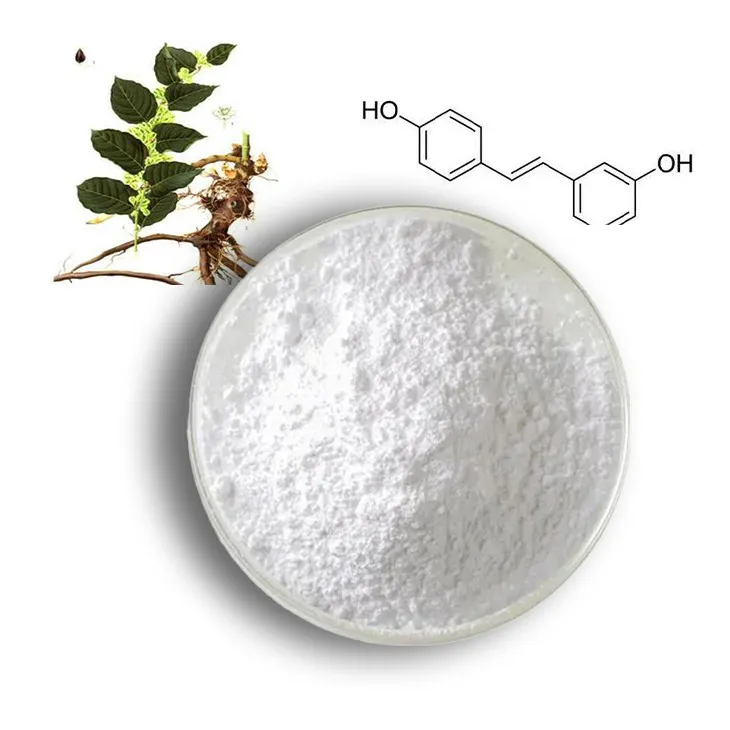
Resveratrol
2026-08-17
-
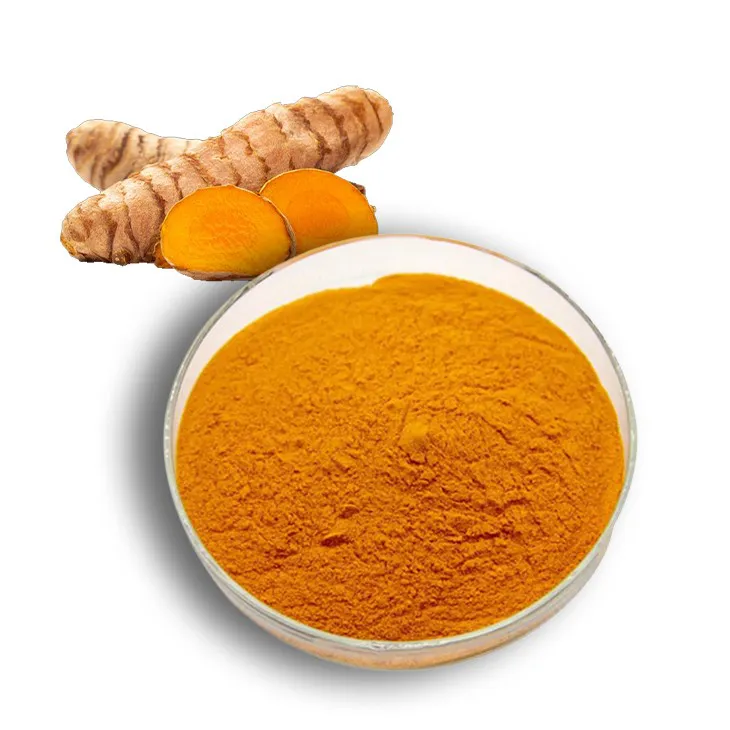
Curcumin
2026-08-17
-
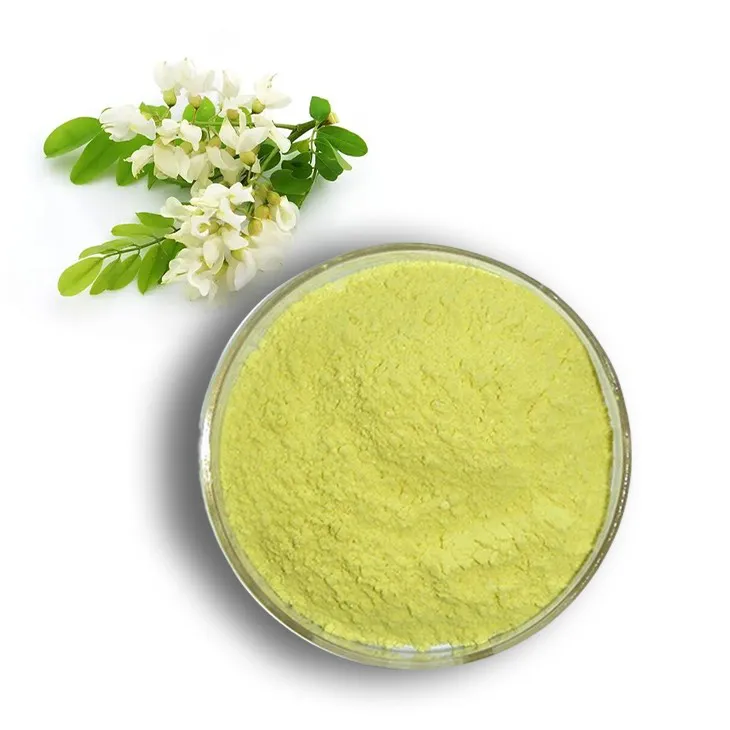
Troxerutin
2026-08-17
-
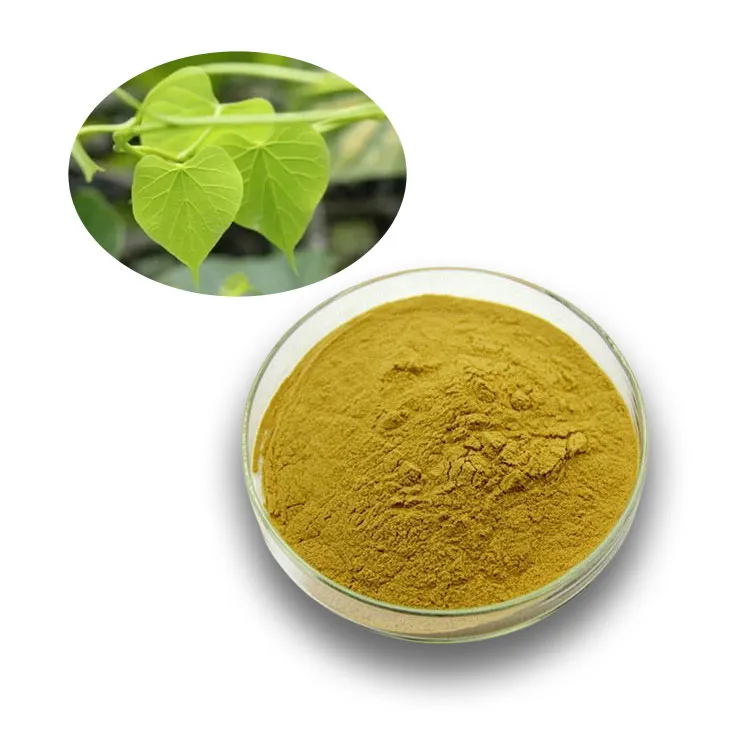
Tinospora cordifolia extract
2026-08-17
-
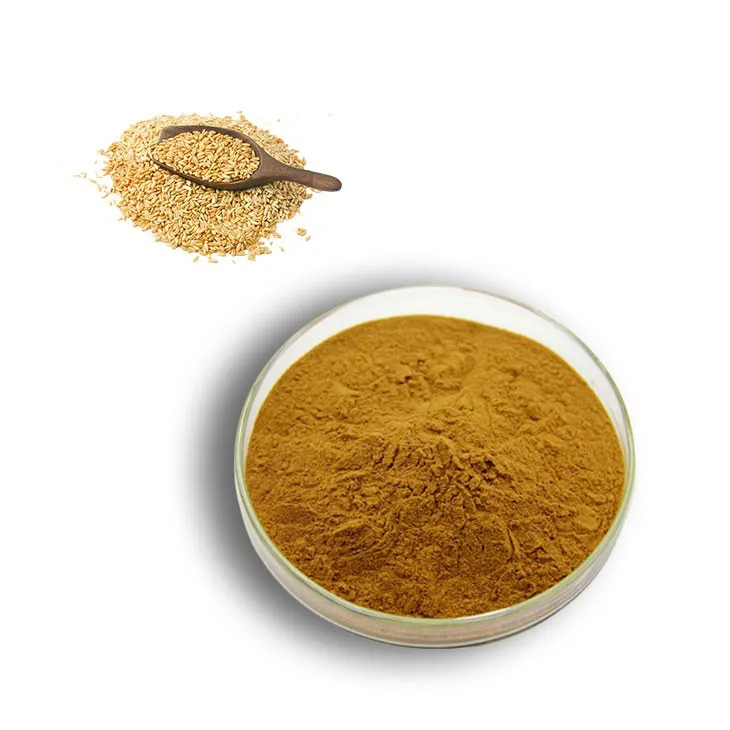
Oat Straw Extract Powder
2026-08-17
-
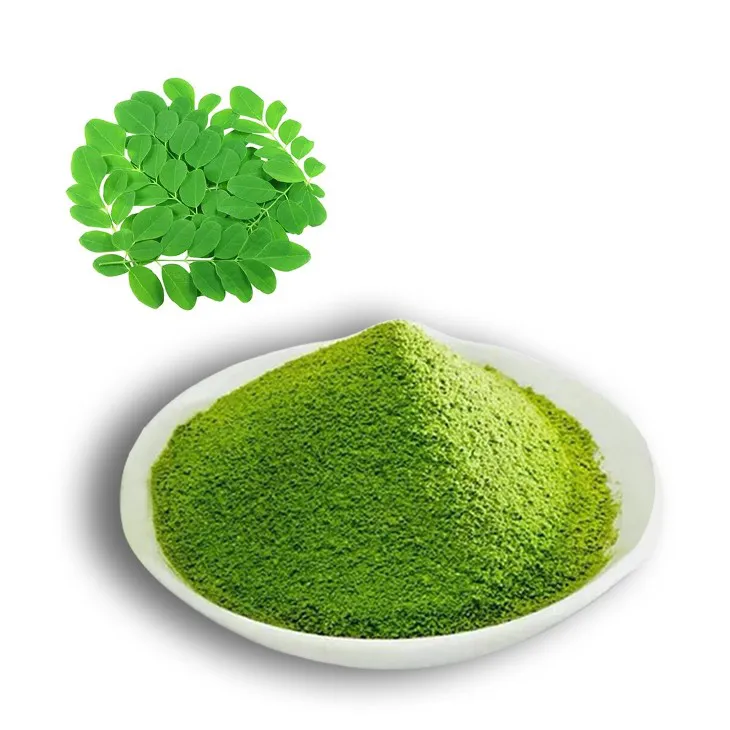
Moringa powder
2026-08-17
-
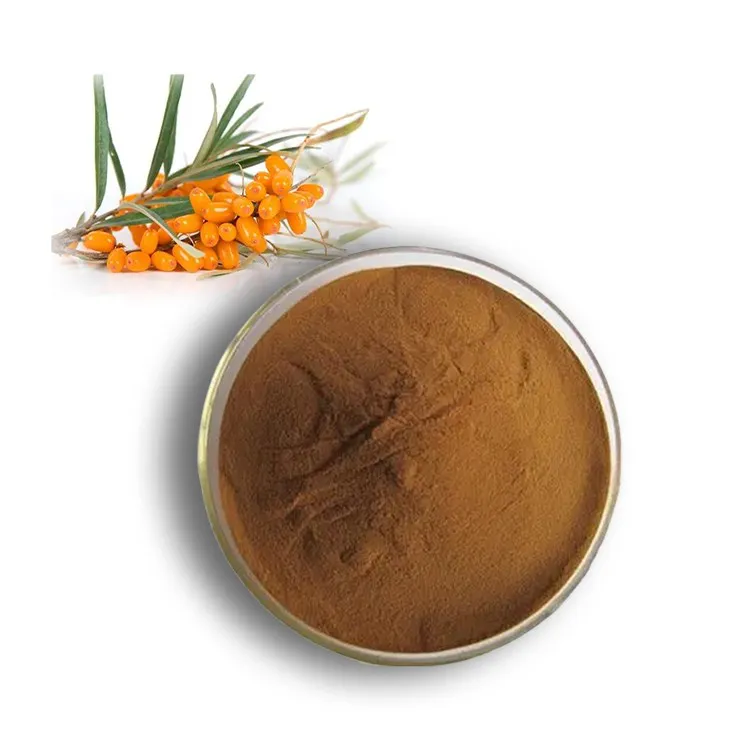
Buckthorn bark extract
2026-08-17
-
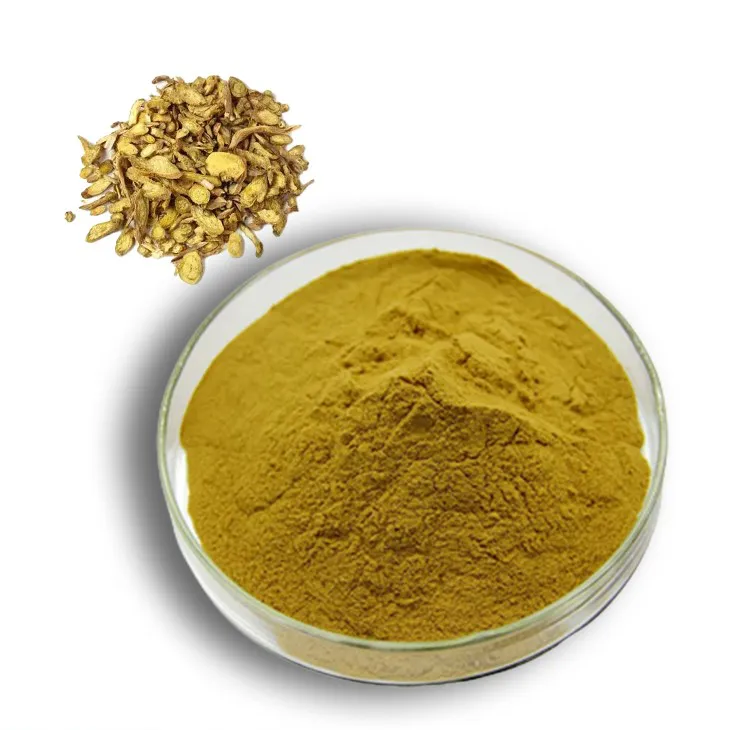
Scutellaria Extract
2026-08-17
