- 0086-571-85302990
- [email protected]






What is the recommended dose of extract of horse chestnut?
2026-08-15
Horse Chestnut Extract, made from the seeds of Aesculus hippocastanum, is one of the most studied botanical ingredients for supporting healthy veins and reducing leg swelling. If you are wondering what dose actually works, the short answer is this: clinical trials most often use 50 mg of aescin twice a day, which adds up to about 100 mg of aescin per day. That usually equals roughly 300 mg of a 16–20% standardized extract per serving, taken with food for 8 to 12 weeks. The details below explain how to read labels, why standardization matters, and how to choose a reliable source.
What is Horse Chestnut Extract?
Horse chestnut is a large tree native to southeastern Europe, and the extract used in supplements comes from its seeds. Raw seeds contain a compound called aesculin, which is toxic, so responsible manufacturers carefully remove it during processing. What remains is a standardized preparation rich in aescin (also spelled escin), a group of triterpene saponins regarded as the main active constituents.
Aescin supports vascular health through three well-documented actions: it helps tighten relaxed vein walls, reduces leakage from small blood vessels, and calms local inflammation. These effects are why the extract is commonly used for heavy or aching legs, ankle swelling, and other symptoms of chronic venous insufficiency.
Why standardization matters for dosing
Not every "horse chestnut" product delivers the same amount of aescin. Two capsules that both say "horse chestnut 300 mg" can be very different if one is standardized to 20% aescin and the other is an unstandardized powder with an unknown aescin content. Because aescin is the compound responsible for the benefits, you should always dose by the aescin figure, not by the total extract weight.
Quality products state the species (Aesculus hippocastanum), the plant part (seed), and a standardization range, commonly 16–20% aescin, or a fixed amount of aescin per capsule. If a label lists neither, the potency is unpredictable and the dose cannot be judged reliably.
The recommended dose of Horse Chestnut Extract
The most widely studied regimen for adults is 50 mg of aescin twice daily, providing about 100 mg of aescin per day. In practical terms, this is often delivered as a 300 mg capsule of standardized seed extract taken twice a day. The European Medicines Agency's herbal monograph describes a similar approach: an extract standardized to 50 mg of triterpene glycosides calculated as aescin, taken twice daily.
Some guidance allows a slightly wider range of 100–150 mg of aescin per day, split into two doses, for adults with mild to moderate venous symptoms. For lighter symptom control, some people use 50–100 mg per day. Higher doses do not appear to speed up results, so there is little reason to exceed the studied range without medical supervision.
How to take it correctly
A few simple habits make the extract easier to tolerate and more effective:
- Take oral doses with food. This reduces the risk of mild stomach upset, which affects a small percentage of users.
- Split the daily amount into two doses, one in the morning and one in the late afternoon. If evening leg swelling is your main concern, schedule the second dose earlier rather than at bedtime.
- Give it time. Early effects may appear within 1–2 weeks, but fuller benefits usually build over 4–8 weeks. A typical course runs 8–12 weeks before you reassess with a healthcare provider.
- Combine it with sensible habits such as leg elevation, walking, and calf exercises. These simple measures reinforce the extract's effect on circulation.
Safety and who should be cautious
Standardized horse chestnut extract is generally well tolerated, but a few points deserve attention. Never consume raw horse chestnut seeds or homemade preparations, as they contain toxic aesculin. Only use purified, standardized extracts from reputable manufacturers.
Because aescin may have mild effects on blood flow, people taking blood-thinning medication such as warfarin or daily aspirin should consult a doctor first. Pregnant or breastfeeding women, and anyone with significant kidney or liver disease, should also seek medical advice before use. If you notice unusual bruising, yellowing of the skin, or difficulty breathing, stop taking the product and contact a healthcare provider.
Choosing a reliable supplier of horse chestnut extract
For supplement brands and formulators, sourcing consistent, well-standardized raw material is just as important as the dose itself. A dependable plant extract supplier should be able to document the aescin content of every batch, confirm that toxic aesculin has been removed, and provide certificates of analysis.
Greensky, a plant extract manufacturer founded in 2004, produces horse chestnut extract alongside a catalog of more than 150 botanical extracts. The company operates its own extraction facilities with 6-ton extraction tanks, low-temperature concentrators, and spray drying towers, and its independent laboratory uses HPLC, GC, and UV instruments to verify quality. Certifications including ISO22000, BRCGS, HALAL, and Kosher support global regulatory submissions, which matters when you need consistent, documented raw material for finished products.
Frequently asked questions
Can I take horse chestnut extract once a day? Twice-daily dosing is what clinical trials used, and it keeps aescin levels steadier across the day. Once-daily use is generally less effective, so the split dose is recommended.
Is there a maximum safe dose? Doses up to about 600 mg of extract twice daily, providing up to roughly 240 mg of aescin per day, have been used in clinical settings without significant adverse effects. Staying within the studied range and under medical supervision is the safest approach.
How much aescin should I look for on the label? Aim for a product that delivers about 50 mg of aescin per serving, or a 16–20% standardized extract, and take it twice daily for a total of about 100 mg of aescin per day.
How long should I take it? Most guidance suggests 8–12 weeks, then a reassessment. Some people cycle the extract, for example 8–12 weeks on and a few weeks off, while prioritizing compression, exercise, and weight management.
- ▶ Hesperidin
- ▶ Citrus Bioflavonoids
- ▶ Plant Extract
- ▶ lycopene
- ▶ Diosmin
- ▶ Grape seed extract
- ▶ Sea buckthorn Juice Powder
- ▶ Fruit Juice Powder
- ▶ Hops Extract
- ▶ Artichoke Extract
- ▶ Mushroom extract
- ▶ Astaxanthin
- ▶ Green Tea Extract
- ▶ Curcumin
- ▶ Horse Chestnut Extract
- ▶ Other Product
- ▶ Boswellia Serrata Extract
- ▶ Resveratrol
- ▶ Marigold Extract
- ▶ Grape Leaf Extract
- ▶ New Product
- ▶ Aminolevulinic acid
- ▶ Cranberry Extract
- ▶ Red Yeast Rice
- ▶ Red Wine Extract
- ▶ blog
-
Lily extract
2026-08-15
-
Jujube Extract
2026-08-15
-
Nettle leaf extract
2026-08-15
-
Kupilu Extract
2026-08-15
-
Passionflower Extract
2026-08-15
-
Dan Shen Root Extract/Salvia Root Extract
2026-08-15
-
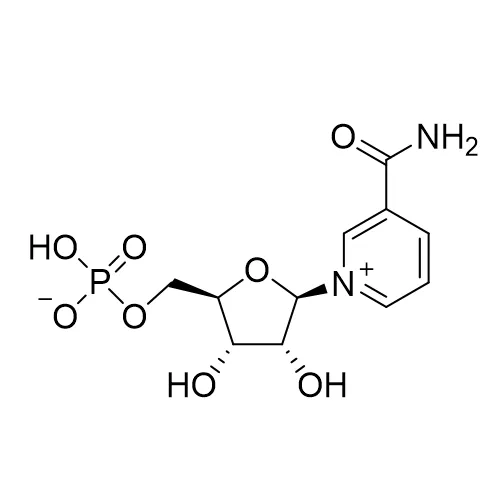
Liposomal NMN
2026-08-15
-
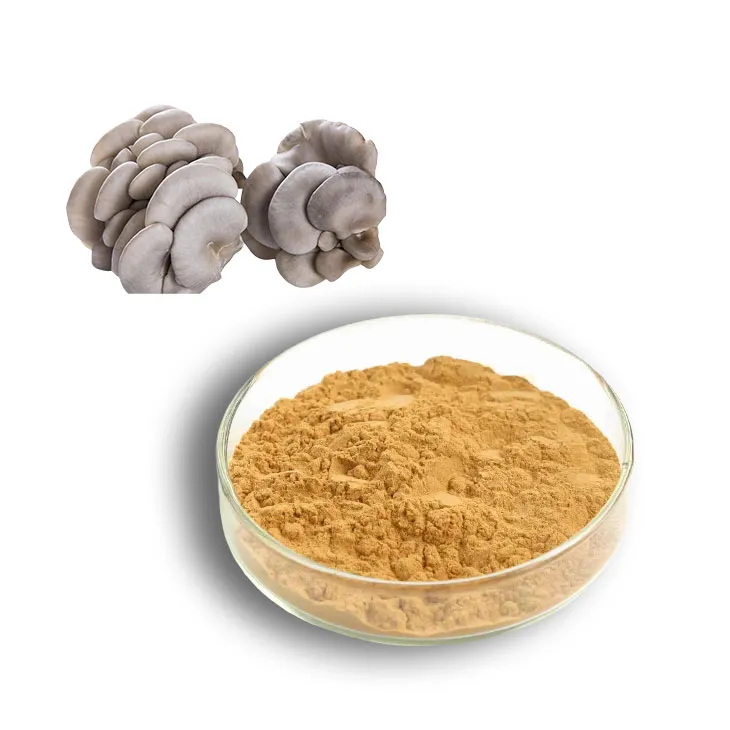
Oyster Mushroom Extract Powder
2026-08-15
-
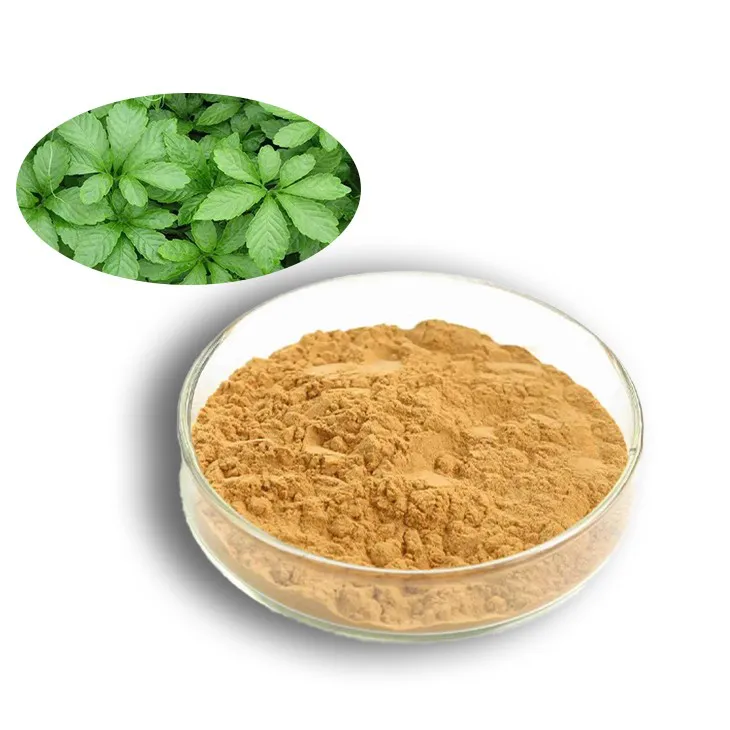
Gynostemma pentaphyllum extract
2026-08-15
-
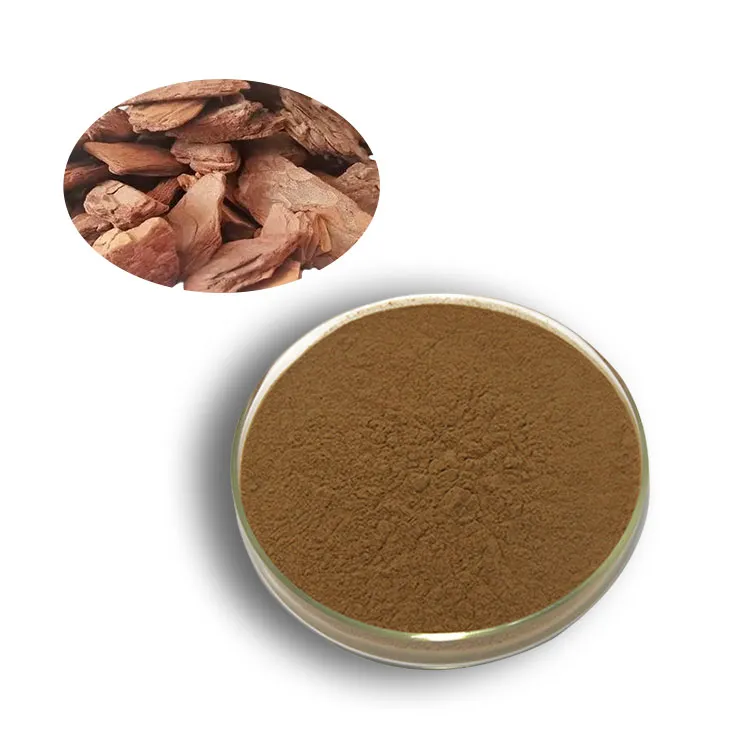
Pine bark Extract Powder
2026-08-15
