- 0086-571-85302990
- [email protected]




What is the recommended dose of bilberry and grape seed extract?
2026-08-14
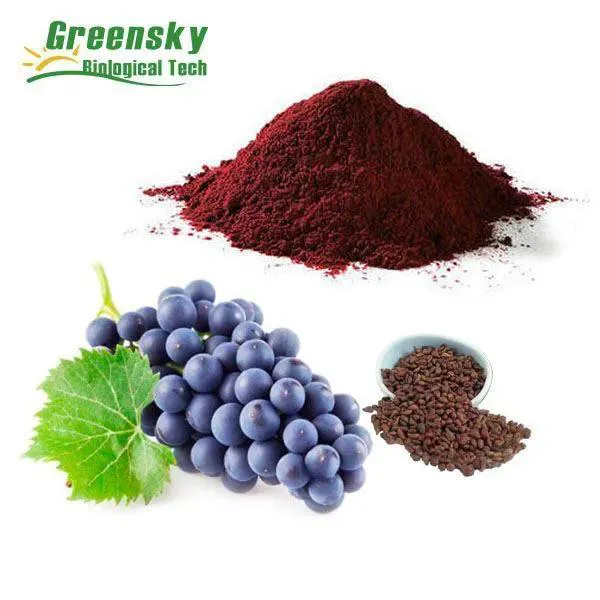
Bilberry and Grape Seed Extract are two of the most popular botanical ingredients in the supplement market, prized for their anthocyanins and proanthocyanidins. Yet the question that buyers and consumers ask most often is a practical one: how much should you actually take? Because these extracts are standardized by their active compounds rather than by berry weight, the recommended dose depends on the concentration of the extract you are using. This guide breaks down the research-backed dosing for bilberry extract and grape seed extract, so you can read labels and choose a sensible amount with confidence.
Why dose is measured by active compounds, not extract weight
The single most important thing to understand about dosing is that raw milligram weight tells you very little on its own. A bilberry powder and a concentrated Bilberry Extract can look identical on a scale but deliver very different amounts of actives. Bilberry extract is typically standardized to its anthocyanin content, while grape seed extract is standardized to proanthocyanidins, often called oligomeric proanthocyanidins (OPCs). Always check the standardized value on the label, then calculate the dose from the active compound, not from the total powder weight.
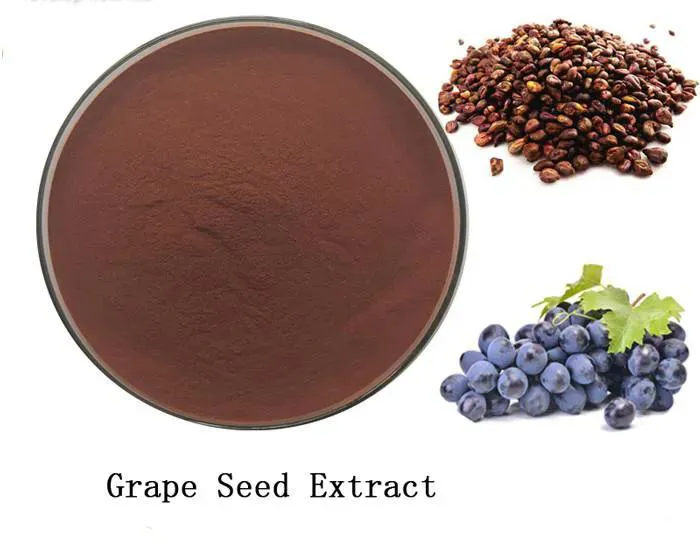
Recommended dose of Bilberry Extract
Bilberry Extract is most commonly standardized to 25% anthocyanins. At this concentration, the widely used range is roughly 80 to 160 mg per day, which supplies about 20 to 40 mg of anthocyanins. Clinical interventions have also used higher amounts: researchers exploring metabolic and blood-pressure effects have administered bilberry extract at 250 mg per day, standardized to 36% anthocyanins. For general eye and antioxidant support, lower doses in the 80 to 160 mg range are the usual starting point, while specific clinical applications tend to sit higher.
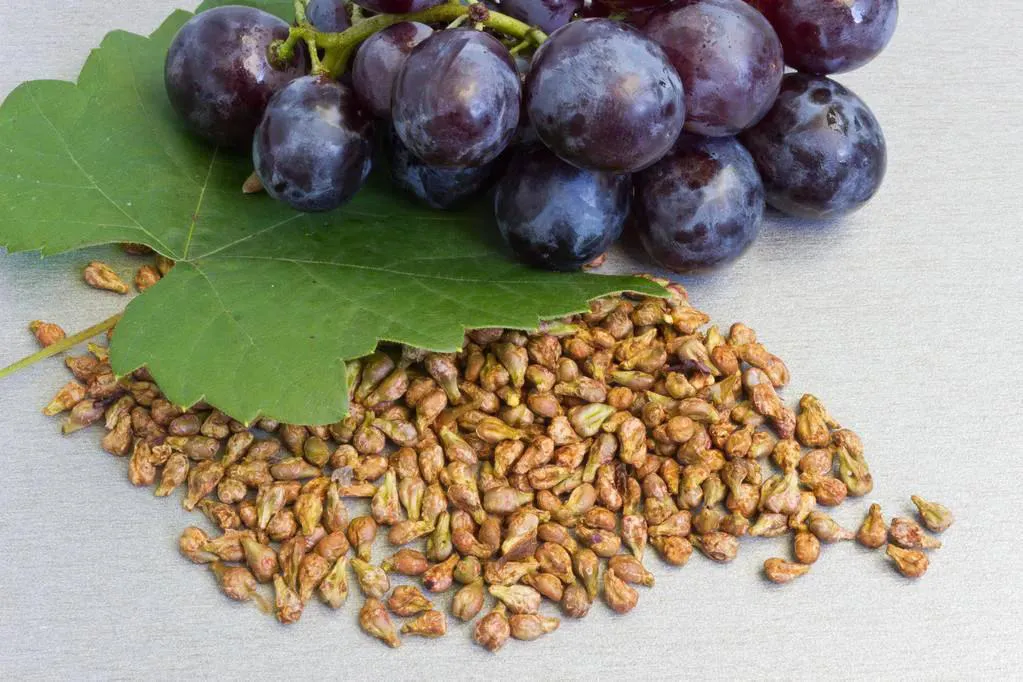
Recommended dose of Grape Seed Extract
For Grape Seed Extract, the guidance is clearer because regulatory bodies have set explicit limits. Consumer health agencies advise that the daily dose of grape seed extract should not exceed about 475 mg when the product is standardized to 70% to 85% OPCs. Most studies that report benefits fall comfortably within this range, and the maximum daily intake is often split into two servings taken with meals. In research settings, grape seed extract doses of 300 mg per day are common, and higher experimental levels have been studied, but the practical ceiling for everyday use remains around that 475 mg mark.
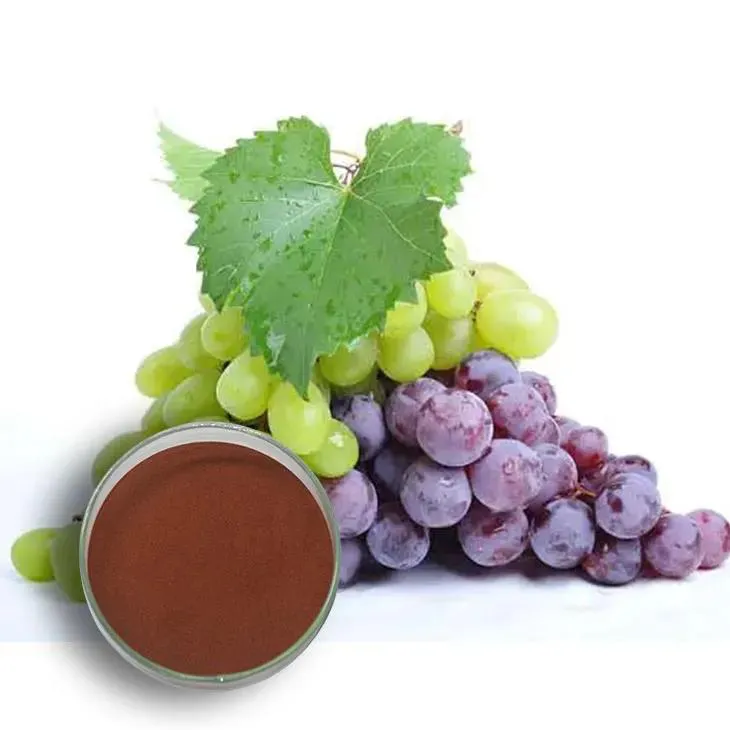
Combining bilberry and grape seed extract
Because the two ingredients work through related antioxidant pathways, they are frequently paired in a single formula. The PRECISE study, a double-blind, placebo-controlled trial, used a combination of 250 mg of bilberry extract (36% anthocyanins) plus 300 mg of grape seed extract (5% to 15% procyanidins) taken daily as two capsules. After 12 weeks the combination lowered systolic blood pressure by 4.7 mmHg and diastolic blood pressure by 2.3 mmHg in adults at risk of type 2 diabetes. This shows that a combined dose of roughly 250 mg bilberry plus 300 mg grape seed extract, split across two servings, is a reasonable and well-tolerated target for a combined formula.
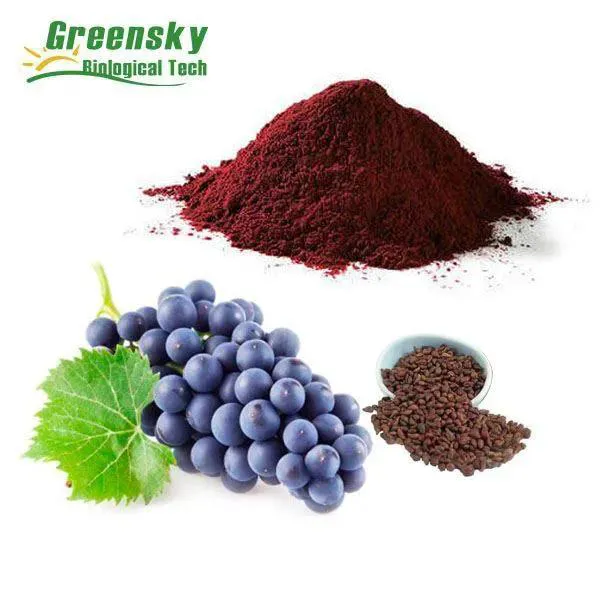
How and when to take them
Timing matters for absorption. Both extracts are best taken with food, and splitting the daily amount into two servings is common practice. In clinical trials the extracts were taken as one capsule before breakfast and one before the evening meal, which helps steady absorption over the day and reduces any stomach irritation on an empty stomach. As with any supplement, consistency over weeks matters more than a one-off higher serving.
Factors that can change your ideal dose
Your ideal dose is not fixed. Body weight, the condition you are targeting, the standardized percentage of the extract, and any medications you take all influence the right amount. People taking blood-thinning or blood-pressure medication should discuss supplementation with a doctor first, as high doses of these extracts can interact with such drugs. If you are unsure, start at the lower end of the range and work upward, or better, ask a healthcare professional to interpret the label for your situation.
Where to source quality bilberry and grape seed extract
Dose is only half the story; the other half is quality. A standardized extract is only worth its label if the active content is accurately measured and consistent. Reputable manufacturers test every batch and provide documentation. Greensky, a plant-extract manufacturer with more than 20 years of experience, produces bilberry extract and grape seed extract under ISO22000 and HACCP-managed production, with its own laboratory using GC and HPLC to verify potency. Whether you are formulating a supplement or buying raw material in bulk, choosing a verified supplier ensures the dose on the label is the dose you actually get.
The bottom line
For a standardized bilberry extract (25% anthocyanins), 80 to 160 mg daily is the common starting point. For grape seed extract standardized to 70% to 85% OPCs, keep the daily total at or below about 475 mg, often split into two servings with meals. When combining them, a daily target of roughly 250 mg bilberry extract plus 300 mg grape seed extract has solid clinical support. Always read the standardized value on the label, choose a tested supplier, and check with a healthcare professional if you take other medications.
- ▶ Hesperidin
- ▶ Citrus Bioflavonoids
- ▶ Plant Extract
- ▶ lycopene
- ▶ Diosmin
- ▶ Grape seed extract
- ▶ Sea buckthorn Juice Powder
- ▶ Fruit Juice Powder
- ▶ Hops Extract
- ▶ Artichoke Extract
- ▶ Mushroom extract
- ▶ Astaxanthin
- ▶ Green Tea Extract
- ▶ Curcumin
- ▶ Horse Chestnut Extract
- ▶ Other Product
- ▶ Boswellia Serrata Extract
- ▶ Resveratrol
- ▶ Marigold Extract
- ▶ Grape Leaf Extract
- ▶ New Product
- ▶ Aminolevulinic acid
- ▶ Cranberry Extract
- ▶ Red Yeast Rice
- ▶ Red Wine Extract
- ▶ blog
-
Hawthorn powder
2026-08-14
-
Cocoa Extract
2026-08-14
-
Elderberry Extract
2026-08-14
-
Acerola Juice Powder
2026-08-14
-
Buckthorn bark extract
2026-08-14
-
Red Vine Extract
2026-08-14
-
Rose Hip Extract
2026-08-14
-
Acai Berry Extract
2026-08-14
-
Polygonum multiflorum extract
2026-08-14
-
Angelica sinensis extract
2026-08-14