- 0086-571-85302990
- [email protected]






What is the recommended dosage of green tea extract for skin care?
2026-08-15
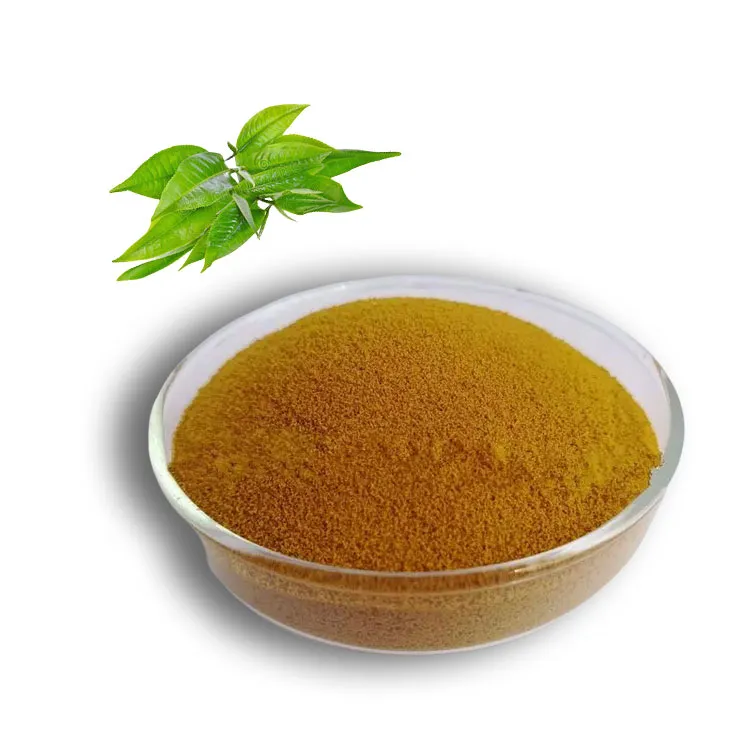
Green Tea Extract has earned a firm place in skincare routines, and for good reason. Its catechins, especially epigallocatechin gallate (EGCG), are among the most studied antioxidant compounds in dermatology. But the most practical question is also the most common: how much should you use, and in what form? The honest answer is that there is no single number. The right dosage depends on whether you are applying the extract to your skin or taking it as a supplement, and on the concentration of the extract itself.
This guide walks through the recommended dosages for both topical and oral use, explains what the percentages on a label actually mean, and helps you choose a quality source that delivers real results.
Why Green Tea Extract matters for skin
The benefits of Green Tea Extract for skin trace back to a small group of polyphenols called catechins. EGCG is the standout compound, and it drives most of the skin-related benefits you read about. It neutralizes free radicals that would otherwise speed up the visible signs of aging, calms inflammation that can aggravate redness and breakouts, and helps protect collagen and elastin from enzymes that break them down over time. These are the reasons so many formulations now build their antioxidant layer around green tea.
Because the active compound is concentrated, a little goes a long way. That is exactly why dosage matters: too little and you may not notice a benefit, too much and you risk irritation or an unpleasant tint in your formula.
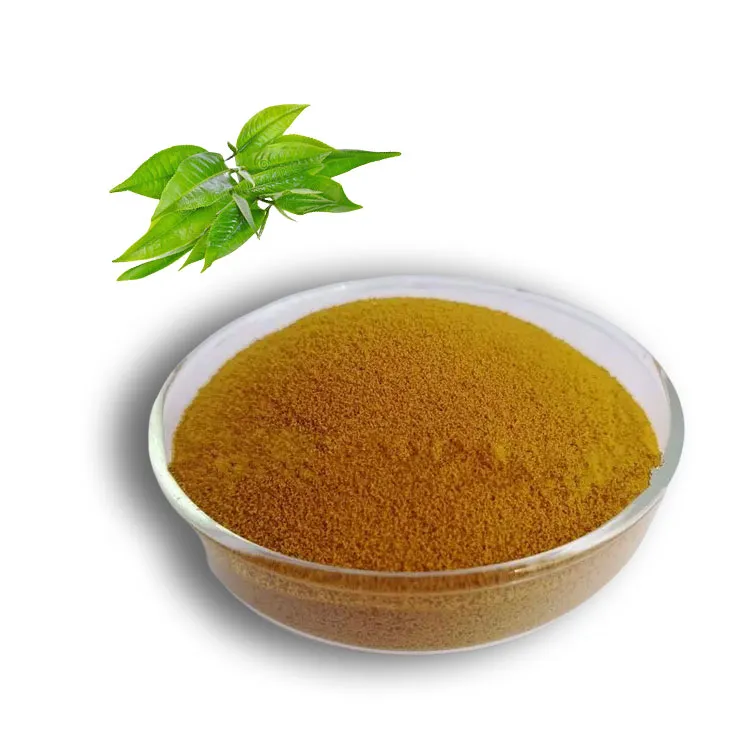
Topical dosage: what the percentages mean
When green tea extract is used on the skin, dosage is usually expressed as a percentage of the extract in a formula. This refers to the amount of extract powder, not the amount of pure EGCG. A green tea extract for face or body product typically works best within the ranges below, depending on the product format.
| Product type | Recommended level | Notes |
|---|---|---|
| Toner / mist | 0.5%–2% | Light concentration, easy to layer |
| Serum | 2%–5% | Higher efficacy, may add a slight tint |
| Cream / lotion | 1%–3% | Good balance of effect and aesthetics |
| Face mask | 3%–5% | Short contact time allows a higher level |
| Eye cream | 0.5%–1% | Lower level for the delicate eye area |
If you are working with a high-purity EGCG product rather than a standard extract, the dosage should drop sharply. A pure EGCG powder can be 90% or more concentrated, so 0.1%–1% is usually enough to get the same effect without overwhelming the formula. Always check the product specification before deciding how much to add.
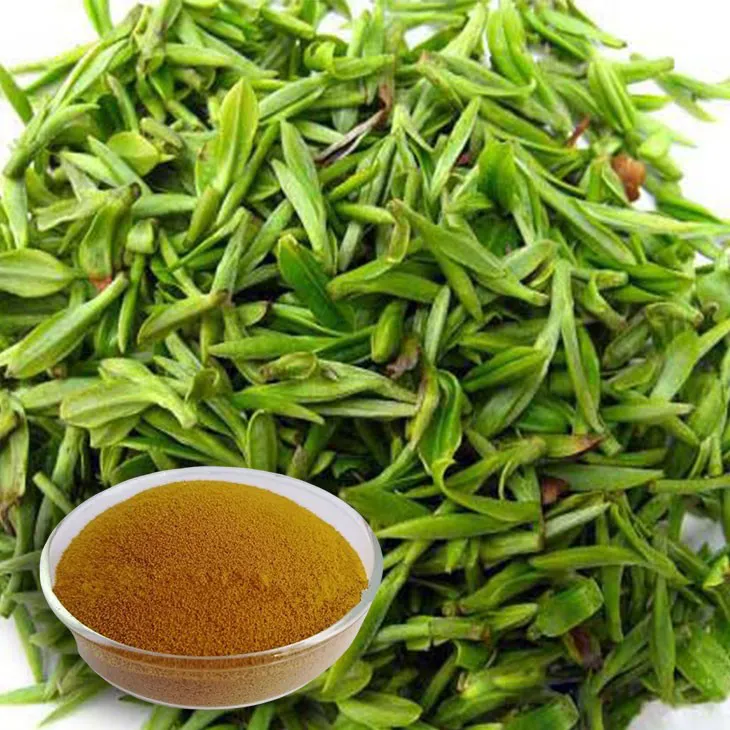
Oral dosage: supplements for skin
For people who prefer to support skin health from the inside, green tea extract is also available as a dietary supplement. In clinical research, oral doses in the range of a few hundred milligrams per day are commonly studied for skin-related outcomes. As with any supplement, it is sensible to start with the lower end of the range, follow the dosage on the product label, and speak with a healthcare professional if you take medication or have an underlying condition.
There is no universal oral dose, and the right amount depends on the standardized content of the extract. A well-made product will state its catechin or EGCG content clearly, so you can compare products on active ingredients rather than on the weight of the powder alone.
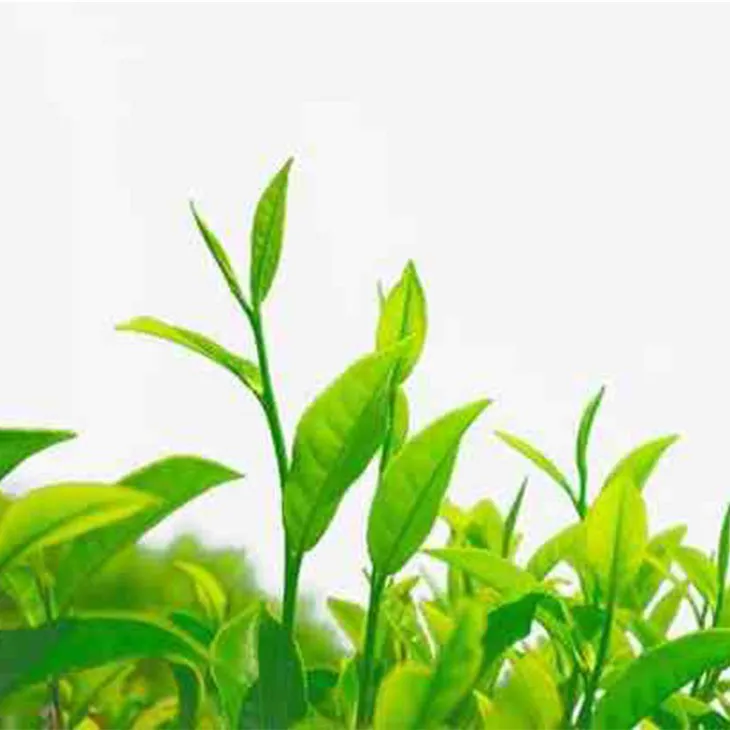
How to use green tea extract in a formula
If you are formulating your own product, a few practical rules keep the extract effective. Standard water-soluble powder should be dissolved into the water phase at a temperature below 40°C, because heat degrades catechins. Keep the final pH in the range of 4.0–5.5, since the antioxidants oxidize quickly in alkaline conditions. Protect the product from light and air with opaque, airtight packaging, and consider pairing the extract with vitamin C, vitamin E, or niacinamide, which complement its antioxidant action and improve stability.
Green tea extract can add a yellow-to-brown tint to light formulas. If color is a concern, a decolorized grade can be requested, or the usage level can be lowered and combined with other active ingredients.
Choosing a quality source
Dosage only matters if the extract itself is reliable. The two biggest things to check are standardization and purity. A dependable supplier will specify the EGCG or total polyphenol content on the certificate of analysis, and will be able to distinguish between cosmetic-grade and food-grade material. Fine particle size, low heavy-metal levels, and controlled microbial counts all point to a product that is safe and consistent for topical use.
For brands and manufacturers sourcing raw material, working with an established green tea extract manufacturer with documented quality systems makes it much easier to produce a repeatable product. A manufacturer that provides full specifications and export documentation saves time on every new batch and helps you stay compliant with the requirements of your target market.
Safety and sensible precautions
Green tea extract is generally well tolerated, but it is still an active ingredient. Start with a lower concentration and patch-test any new topical product before applying it to the whole face, particularly if you have sensitive skin. If you are new to oral supplements, begin with a modest dose and increase only as comfortable. Stop using the product and consult a professional if you notice persistent irritation or any unexpected reaction.
Frequently asked questions
What percentage of green tea extract should I use in skincare? Most products work well between 0.5% and 5% of standard extract, depending on the format. Serums can go up to about 5%, while creams and eye creams use lower levels. If you are using high-purity EGCG, 0.1%–1% is usually sufficient.
Is it better to use green tea extract topically or orally for skin? Both can support skin health. Topical application delivers antioxidants directly to the skin, while oral supplements support the body from within. Many people combine the two, but it is best to treat each as its own decision and follow the label guidance for each product.
Does green tea extract change the color of my product? It can. Standard extract gives formulas a yellow-to-light brown tint, and higher concentrations produce a deeper color. Decolorized grades are available if a neutral appearance is important.
How should I store green tea extract? Store it in a sealed, light-proof container in a cool, dry place. Catechins degrade with light, heat, and oxygen, and airtight, opaque packaging is the safest choice.
Find the right extract for your needs
The recommended dosage of green tea extract for skin care comes down to matching the concentration to the application. Whether you are building a consumer formulation or sourcing raw material in bulk, the key is to start with a well-standardized extract and use it within the range that fits your product type.
Greensky is a plant extract manufacturer with more than two decades of experience in researching, developing, and producing botanical ingredients. Its independent laboratory and vertically integrated production facilities deliver consistent, specification-backed extracts, with full export documentation for customers worldwide. If you are looking for a reliable supplier, contact the Greensky team to discuss your formulation and quality requirements.
- ▶ Hesperidin
- ▶ Citrus Bioflavonoids
- ▶ Plant Extract
- ▶ lycopene
- ▶ Diosmin
- ▶ Grape seed extract
- ▶ Sea buckthorn Juice Powder
- ▶ Fruit Juice Powder
- ▶ Hops Extract
- ▶ Artichoke Extract
- ▶ Mushroom extract
- ▶ Astaxanthin
- ▶ Green Tea Extract
- ▶ Curcumin
- ▶ Horse Chestnut Extract
- ▶ Other Product
- ▶ Boswellia Serrata Extract
- ▶ Resveratrol
- ▶ Marigold Extract
- ▶ Grape Leaf Extract
- ▶ New Product
- ▶ Aminolevulinic acid
- ▶ Cranberry Extract
- ▶ Red Yeast Rice
- ▶ Red Wine Extract
- ▶ blog
-
Soy Extract
2026-08-15
-
Red Vine Extract
2026-08-15
-
Troxerutin
2026-08-15
-
Artichoke Extract
2026-08-15
-
Resveratrol
2026-08-15
-
Acerola Extract
2026-08-15
-
Eucommia Ulmoides Extract
2026-08-15
-
Grapefruit Seed Extract Powder
2026-08-15
-
Giant Knotweed Extract
2026-08-15
-
Black Pepper Extract
2026-08-15
